By Jule Harnack, RSC intern
Three years into the conflict, Sudan faces a dire humanitarian crisis with widespread famine and failing international aid. Despite high-level conferences, providing substantial pledges but little enforcement, local Sudanese actors and emergency response remain largely excluded from peace processes. While international leaders debate Sudan’s future in European conference halls, the country’s real lifeline is quietly bleeding out.
For millions of Sudanese, local solidarity is not a choice, it is the only available tool for survival. When the state collapses and international aid fails to reach the frontlines, communities have no option but to rely on one another to cope with the devastating effects of war, displacement, and extreme poverty.
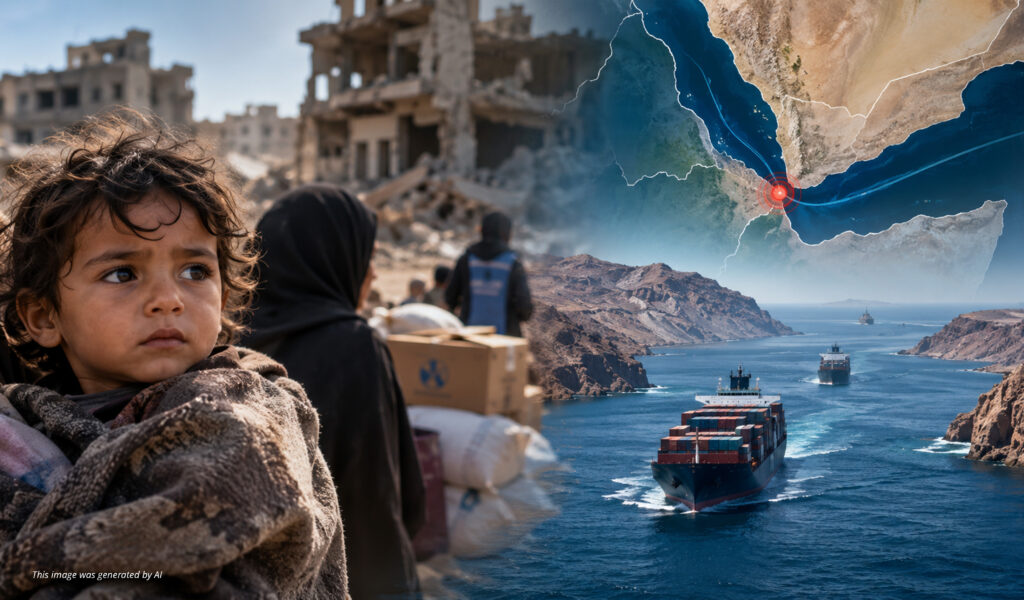
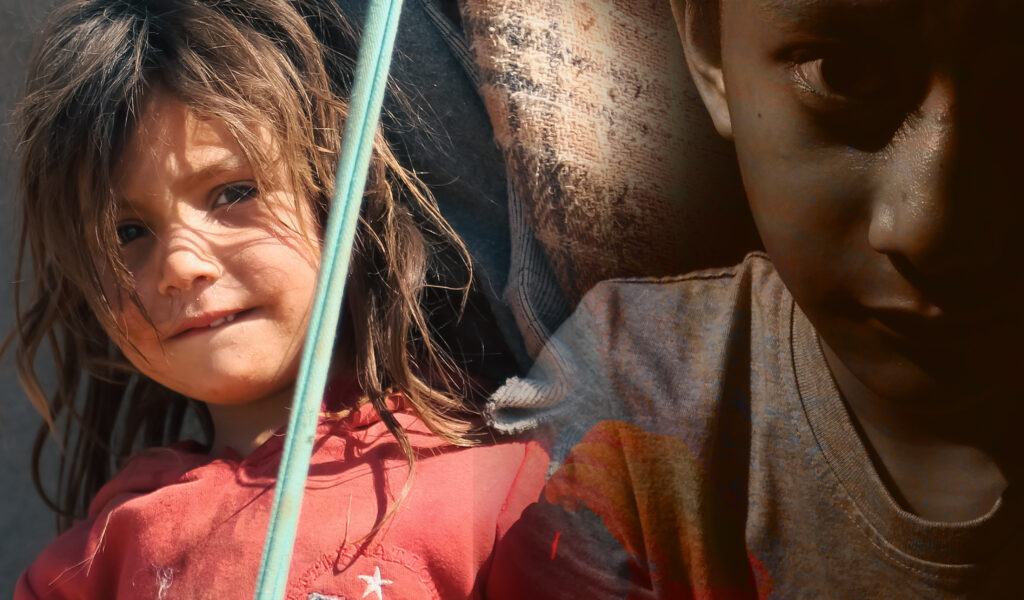
In this landscape of systemic neglect, the communal kitchen has transformed from a cultural tradition into a critical lifeline. Today, they represent the sole barrier standing between life and starvation. In Arabic they are known as takaaya and run by volunteers, often without any external support. As Mohammed Sulaiman Hilal notes: ‘Without those community kitchens, life wouldn’t have been possible.’ He is one of millions of Sudanese people who rely on these local facilities every day. Yet, this vital lifeline is being cut. Since the start of 2026, severe underfunding has forced almost half of these kitchens to close their doors forever. In North Darfur the figure is even higher around 57 per cent. The reason is about a lack of funds, a failure of international aid, and rising food prices. As highlighted in a report by Islamic Relief Worldwide, the skyrocketing costs of food, fuel shortages, active shelling, and global aid neglect have pushed these networks to a breaking point. Because funding is drying up, hundreds of takaaya have closed, forcing the remaining ones to cut down from serving three meals a day to just one, or closing down completely for days at a time.
For Sudanese families enduring three years of war, poverty, and famine, the closure of these kitchens means losing more than just a hot meal; it means watching the last shred of human solidarity vanish. These discontinuation of services are indicative of the overall humanitarian situation, which is difficult to quantify: 33.7 million people are dependent on humanitarian aid, and 11.5 million have been forcibly displaced, including 6.7 million internally displaced persons. Famine has been officially confirmed in El Fasher and Kadugli. The UN Office for the Coordination of Humanitarian Affairs estimates that funding requirements have risen to $2.9 billion in 2026. As of early May, only 16 per cent of this funding had been secured. Although statistics can numb us, as we may struggle to comprehend it, the crisis becomes undeniably real when you listen to the people living through it.
The civil war began in April 2023, since then, it has developed into one of the world’s most severe humanitarian crises; according to the International Rescue Committee, it may even be the largest ever recorded. Reports of systematic sexual violence and the enslavement of women and girls from El Fasher and other regions are mounting, yet so far no one has been held into account.
Local humanitarian actors in Sudan are operating under a system of targeted terror, where saving a life is treated as a criminal act. They are exposed to systematic violence from both warring factions. Many work without pay, without legal protection, and without institutional recognition. Across the country, local humanitarian offices have been systematically looted and destroyed, forcing entire volunteer networks to flee for their lives. Organizations like Human Rights Watch and the UN Fact-Finding Mission have verified a horrific pattern of arbitrary arrests, torture, and extrajudicial executions targeting local humanitarian workers, medical staff, and human rights defenders. These acts are a direct violation of international humanitarian law, executed with complete impunity.
In this dramatic landscape, Sudan’s civil society has been forced to step into a vacuum left by the international community. Takaaya and the Emergency Response Rooms (ERRs), which are a decentralized, grassroots network of over 26,000 neighborhood volunteers, serve as the absolute backbone of survival in war-torn Sudan. They stepped directly into the humanitarian vacuum when state institutions collapsed, and international aid agencies evacuated or became paralyzed by bureaucracy. Yet, their struggle for keeping their neighborhoods and communities alive is under threath every day.
The Berlin Conference
In April 2026, on the third anniversary of the war, 55 states, regional organizations, UN agencies and 38 international and Sudanese NGOs met in Berlin. The meeting was hosted by Germany, France, the UK, the US, the African Union and the EU. The result: around 1.5 billion euros of pledges, including over 812 million from the EU. A few weeks later, the co-hosts adopted the so-called Berlin Principles. This is a document that explicitly rejects a military solution, calls for a humanitarian ceasefire, urges an end to external support for both warring parties, and states that Sudan’s political future should be shaped by the Sudanese people themselves through an inclusive process.
On paper, these are strong demands. In reality, however, they lack any means of enforcement: no ceasefire has been declared. Drone strikes on Khartoum and Omdurman continue. And despite the Berlin declarations, external armed support for both sides in the conflict has not been halted.
Those who weren’t at the table and those who make the decisions
The conference has once again perpetuated a fundamental structural problem: outsiders are negotiating on behalf of Sudan, whilst Sudanese people sit on the sidelines.
“Too often, Sudan is discussed as a case study, not a community. We are spoken about, but not spoken to.” From Anab Mohammed, a Sudanese development consultant, Middle East Eye, November 2025
What have the previous Berlin conferences in Paris in 2024 and London in 2025 actually achieved? And if the answer is “little to nothing,” why is the same format being repeated a third time?
Behind these unanswered questions lies a structural problem: peace negotiations are often dominated by elite organizations that enjoy international prestige but are disconnected from the realities of the populations living under war. Local Sudanese civil society actors, on the other hand, for example, women’s groups, youth initiatives, and the emergency response, which de facto maintain basic humanitarian services, receive hardly any direct support and are not involved in political processes.
Peace without the Sudanese people is not peace
That is the core of the problem, which Berlin has been unable to resolve: it is not a lack of statements, but a lack of willingness of external actors to exert genuine pressure on the warring parties. Gold networks, arms supplies and economic interests link regional powers to the Sudanese war in a way that cannot be broken by diplomatic declarations of intent alone.
“Real peace in Sudan will not be produced by seasonal conferences. It will come from a serious, inclusive, and politically robust Sudanese process, one that finds external actors willing to facilitate and support it, not ones who imagine they can create it on behalf of its rightful owners.” –Elwathig Kameir, Sudanese political scientist, Sudan Tribune, April 2026
Three demands arising from the analysis of the situation
As we mark World Refugee Day this June, we must face an uncomfortable truth: Sudan’s displacement catastrophe is not an inevitable natural disaster, but the direct result of a political failure that the international community has chosen to tolerate. Empty words in distant capitals will not save another neighborhood, nor will they stop the historic flight of millions across borders. If the global powers who stood on the stage in Berlin genuinely wish to transition from performative sympathy to actual solution-building, they must align their foreign policy with the people who own the future of Sudan. Achieving a lasting peace requires moving past diplomatic statements and immediately enforcing the following three demands arising from the analysis of the situation:
Consistent pressure on external supporters. As long as the warring parties have unhindered access to weapons, drones, and funding from abroad, no declarations will bring the war to an end. The Berlin Principles call for an end to external support; this demand must be backed up by diplomatic pressure and quantifiable agreements, not just more conferences.
Direct funding for local structures. The Emergency Response Rooms and the takaaya networks constitute the country’s actual humanitarian infrastructure. They require direct, flexible funding, not funds filtered through international NGOs and subject to rigid compliance requirements that cannot be met in war zones.
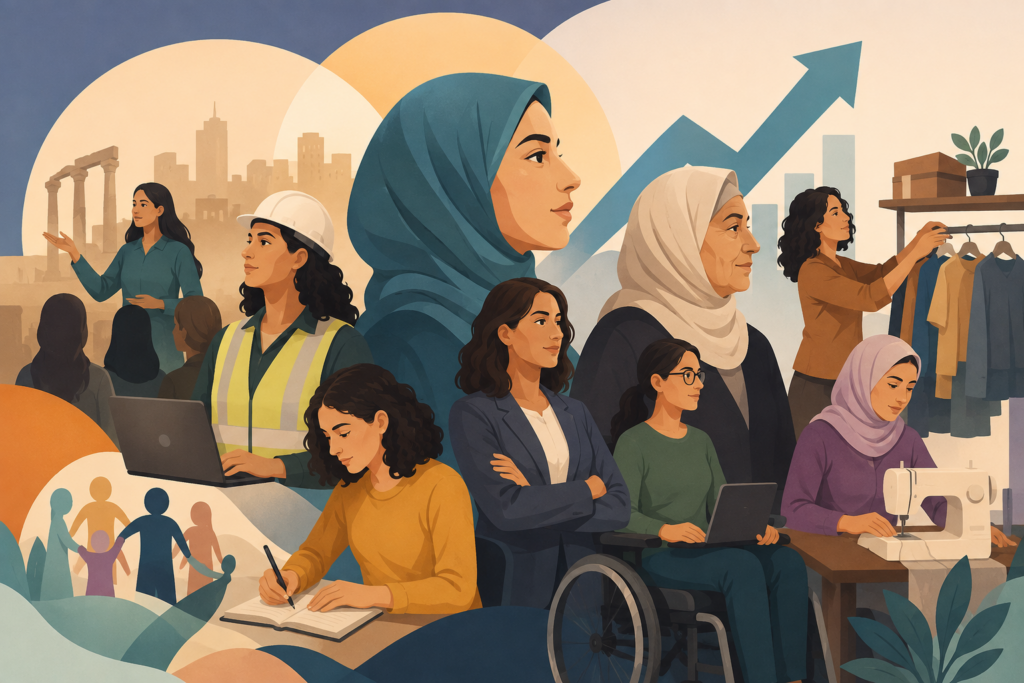
Genuine inclusion, not token participation. Sudanese civil society actors, particularly women, young people, displaced persons, and representatives of marginalized regions, must be involved in peace processes as equal partners.