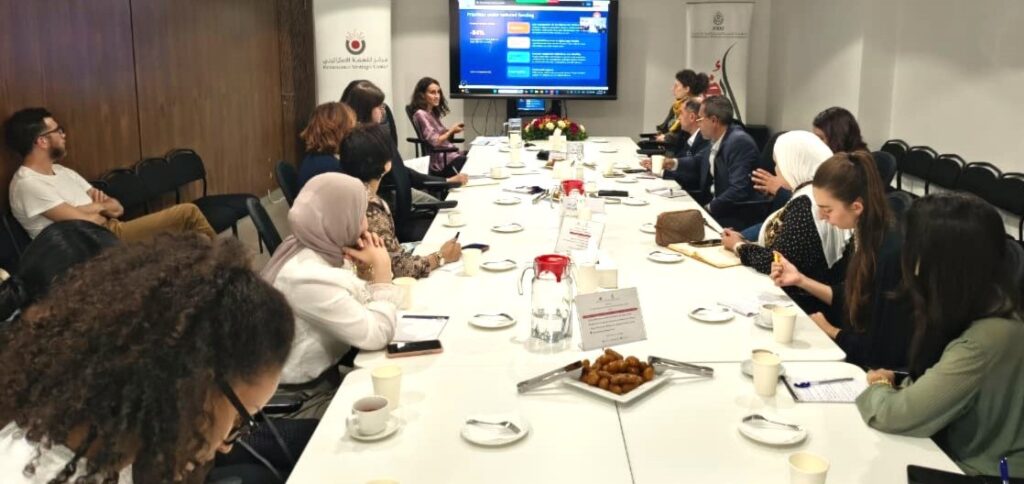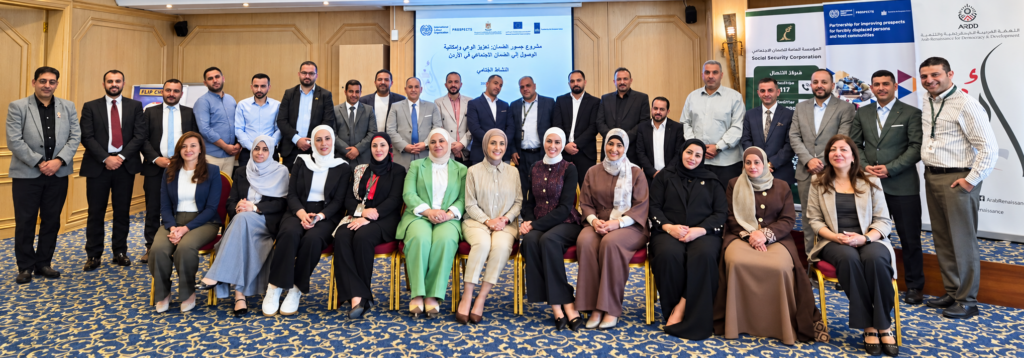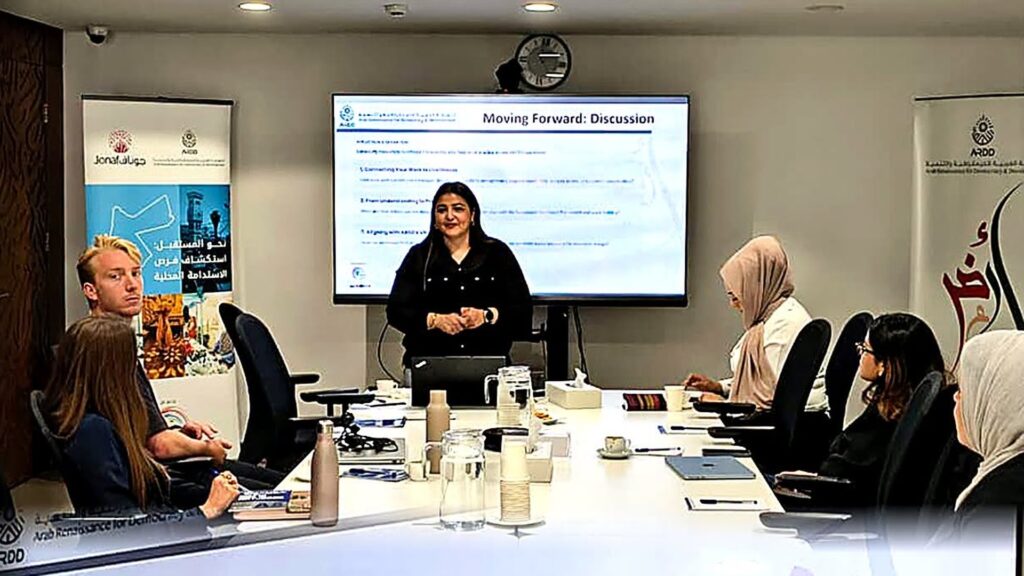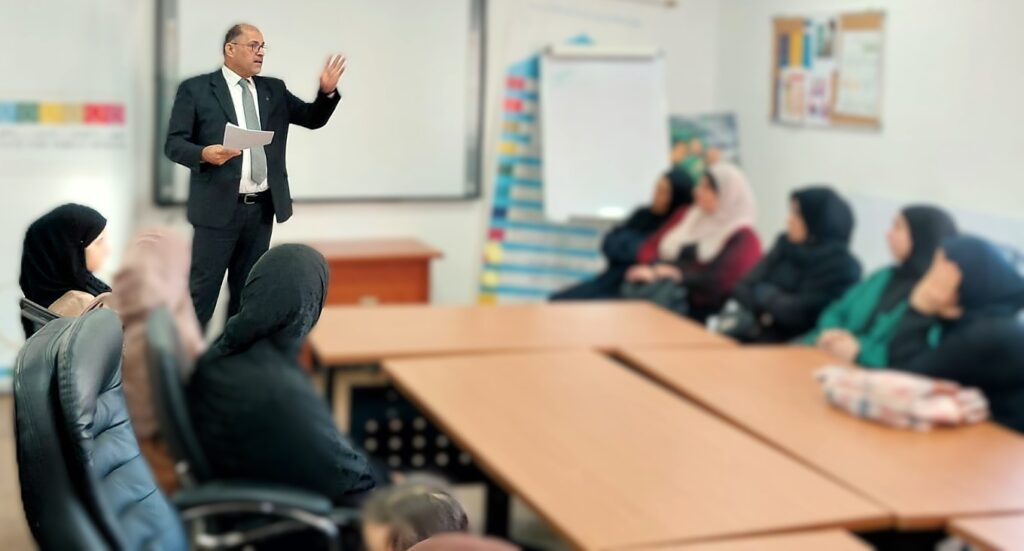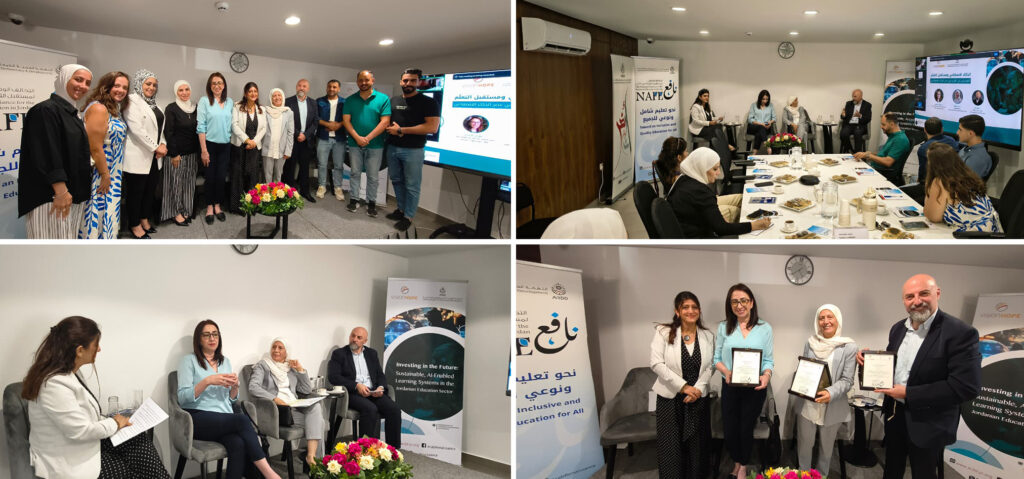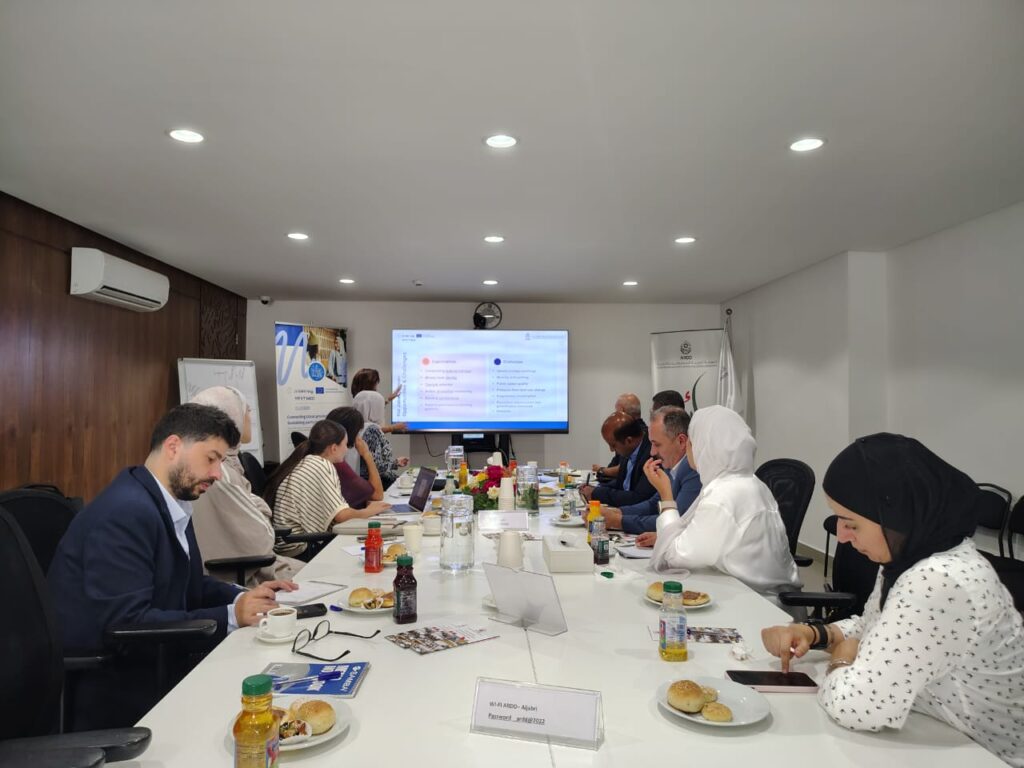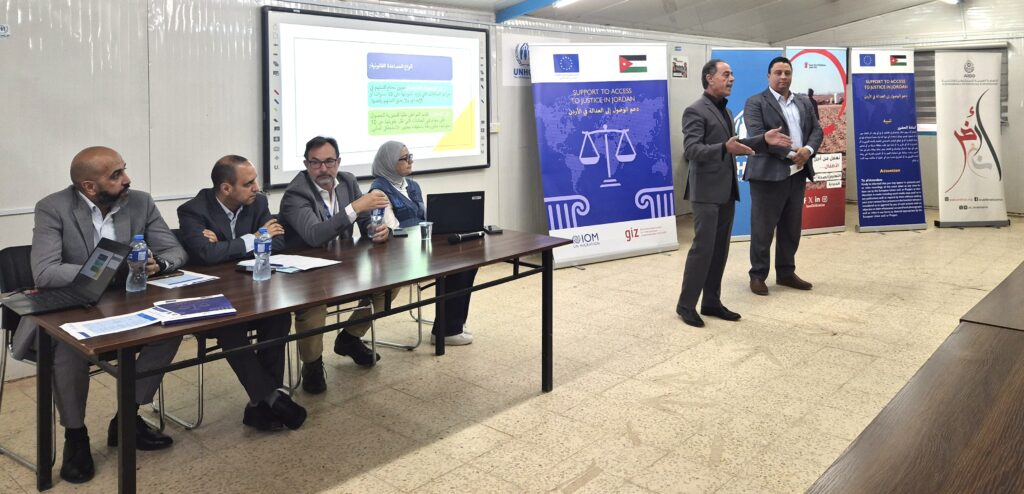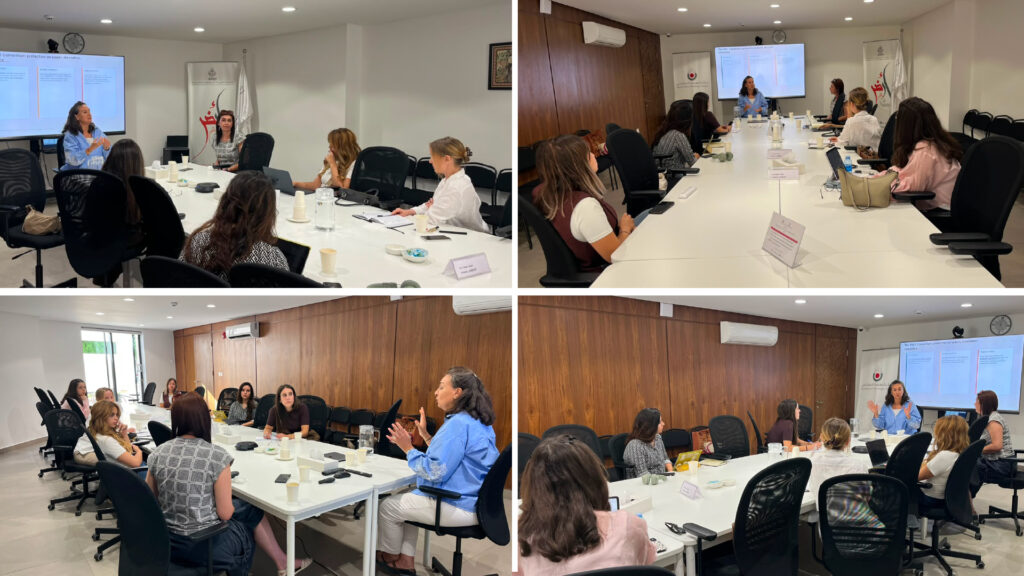
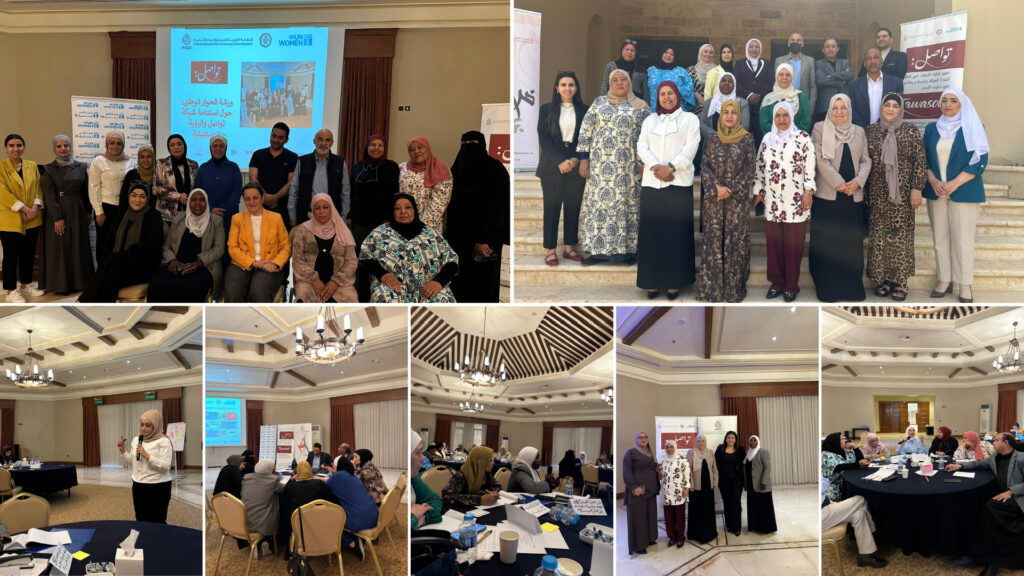
The Tawasol Network National Dialogue Workshop concluded after two days of discussions held on 26–27 April 2026, bringing together a wide range of civil society organizations and government institutions, including representatives from the National Center for Security and Crisis Management and the Gender Unit of the Public Security Directorate. The workshop sought to review the network’s progress, explore pathways for its sustainability and institutionalization, and strengthen its future vision for crisis management within the framework of the Women, Peace and Security (WPS) agenda in southern Jordan.
The first day focused on governance mechanisms, networking, and community-led solutions as essential foundations for ensuring the network’s continuity beyond dependence on external funding. Discussions also examined how to move from short-term, project-based approaches toward long-term operational sustainability. In addition, participants reviewed the network’s achievements against the indicators set out in its monitoring and evaluation framework, helping to further align local efforts with national crisis management frameworks.
On the second day, the dialogue turned toward developing the implementation framework for the network’s strategic plan. Through a participatory process, participants identified clear priorities to guide the next phase of the network’s work. Consensus emerged around a set of pillars aimed at reimagining crisis response as an integrated institutional system, underpinned by a flexible organizational structure and the ability to respond effectively to local realities. Participants also underscored the importance of strengthening internal governance and expanding the network’s role in leading both humanitarian and development interventions.
The workshop further emphasized the need to reinforce the network’s sustainability and institutionalization while advancing its vision for crisis management within the framework of the Women, Peace and Security agenda in southern and central Jordan. These efforts pave the way for the next phase, particularly by strengthening the development dimension of the network’s work and supporting a transition toward more sustainable interventions, with local leadership and the meaningful empowerment of women, youth, and persons with disabilities at their core.
The workshop concluded with an agreement on unified coordination mechanisms that connect network members within an integrated, gender-responsive response framework that ensures access to the most vulnerable groups. This direction reflects a collective effort to transform field-based experiences into tools for influence and advocacy, reinforcing Tawasol’s role as a reference platform for locally led humanitarian action and a driver of community resilience in the face of crises.
Participants further emphasized the importance of developing flexible and participatory action plans, strengthening collaboration among members, establishing a clear governance framework, and continuously investing in the capacities of local leaders to ensure the sustainability of the Tawasol Network and maximize its societal impact. They also highlighted the importance of advancing the localization of humanitarian action by placing local leadership at the center of planning and implementation to ensure effective and efficient crisis response.
The workshop took place within the framework of the project Tawasol: Strengthening Crisis Management under the Women, Peace and Security Agenda in the South, an initiative implemented by ARDD – Arab Renaissance for Democracy and Development in partnership with UN Women Jordan. The project aims to enhance community preparedness, empower women, and strengthen the engagement of civil society organizations in crisis response and local peacebuilding. It focuses on developing the capacities of local institutions in emergency planning, early warning, coordination, and protection, contributing to more resilient and prepared communities capable of addressing various challenges.
The Tawasol Network is a multi-level collaborative platform launched by ARDD in cooperation with UN Women under the Amani Project, and later further developed through the Tawasol project. It serves as an umbrella framework bringing together women-led, youth-led, and community-based organizations operating in Southern Jordan. The network works to strengthen linkages, coordination, and knowledge exchange among its members while promoting locally led crisis management through a participatory approach that places community needs at the center of humanitarian and development action. It also contributes to strengthening the meaningful participation of women and youth in decision-making, advancing gender-responsive responses, and reinforcing the principles of transparency, accountability, and collective action.