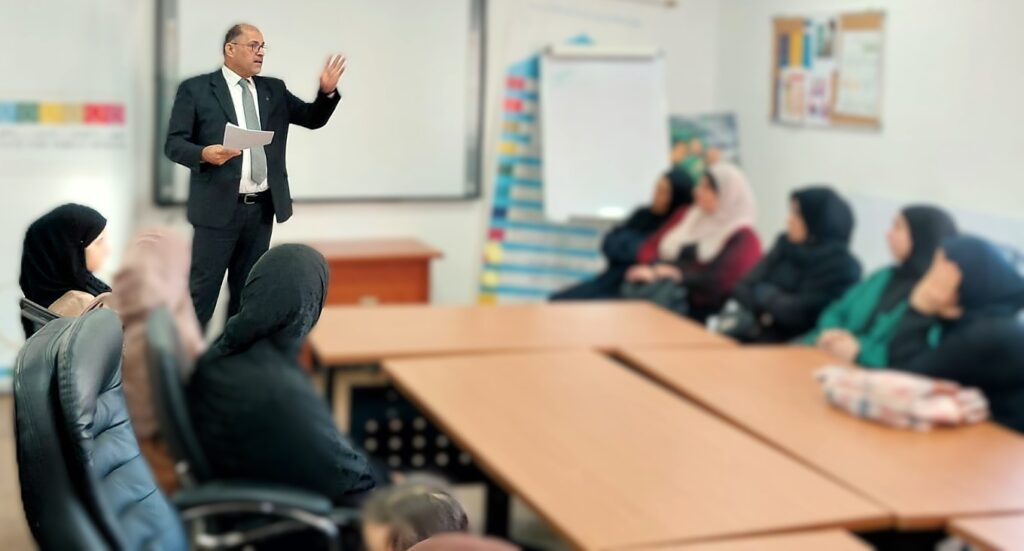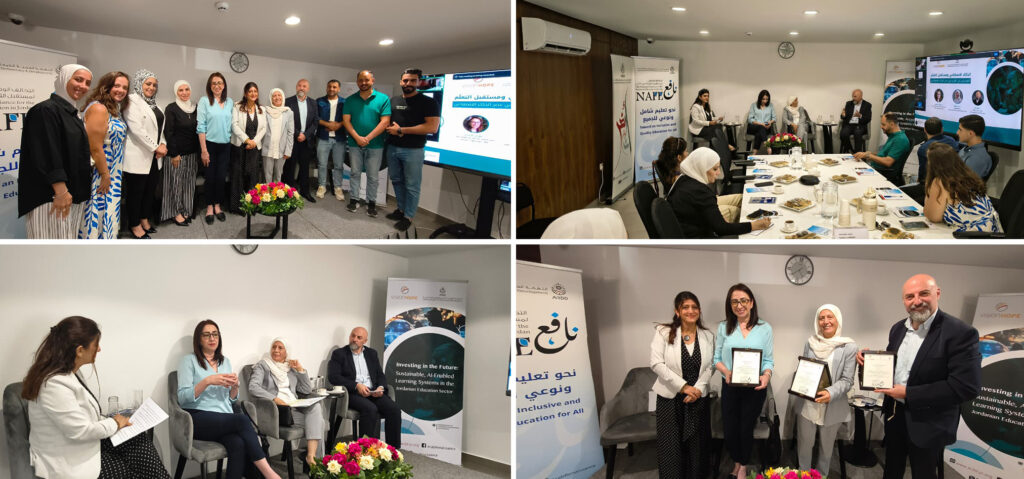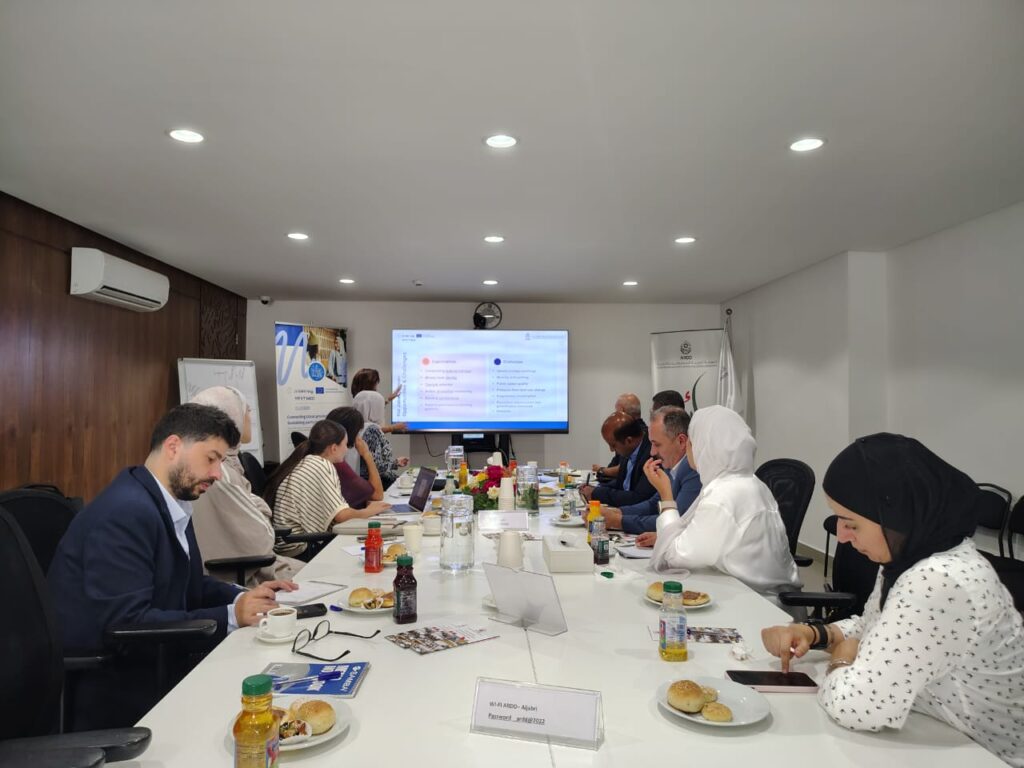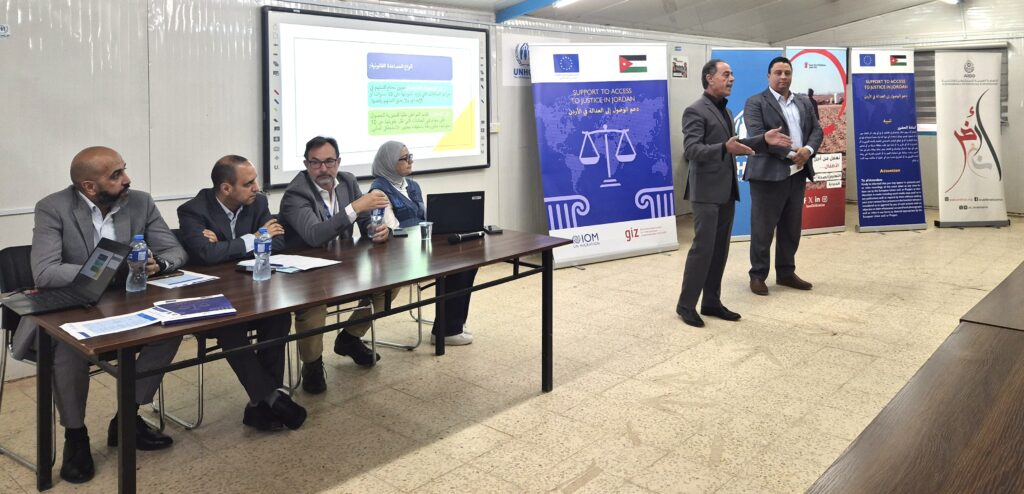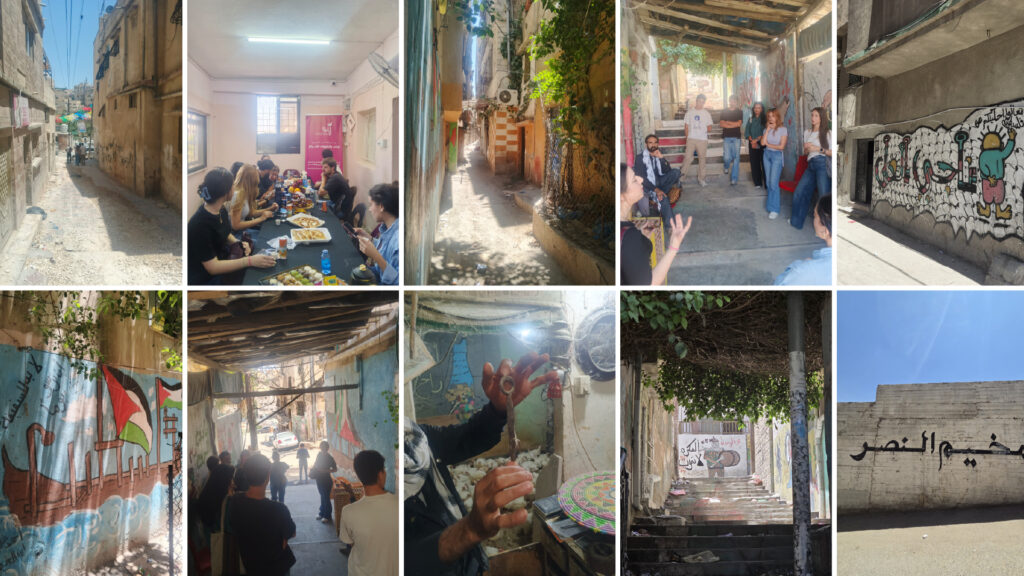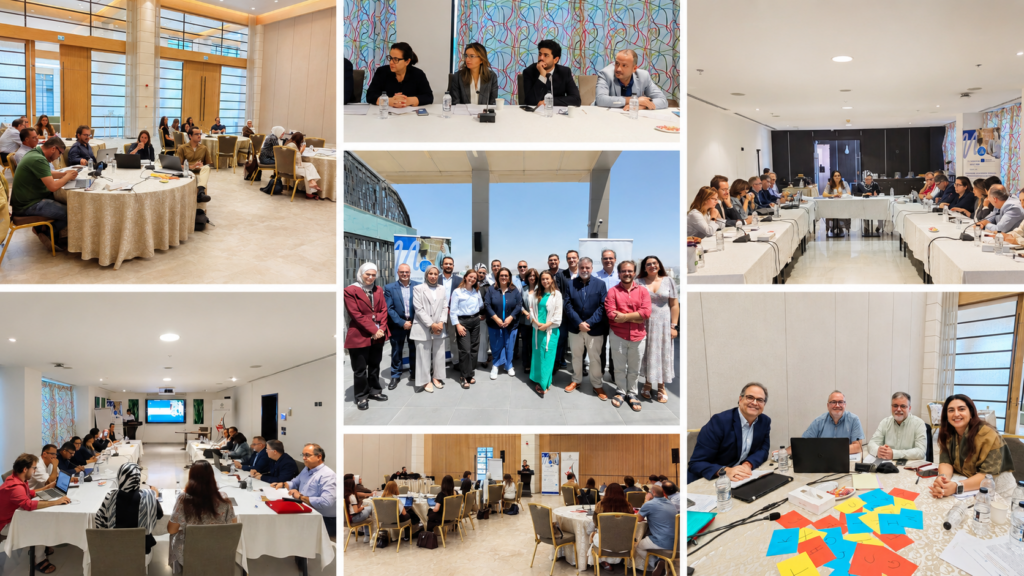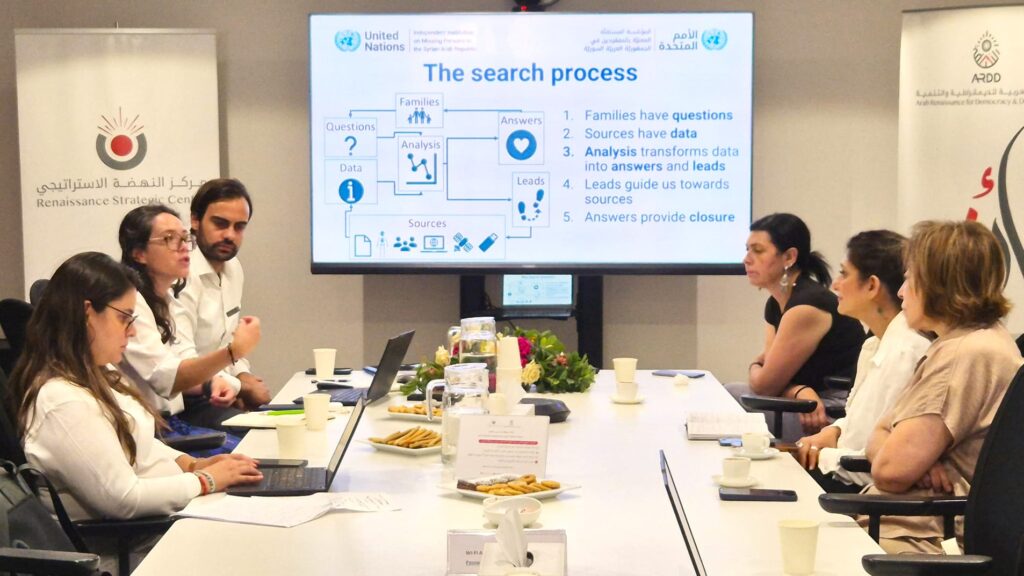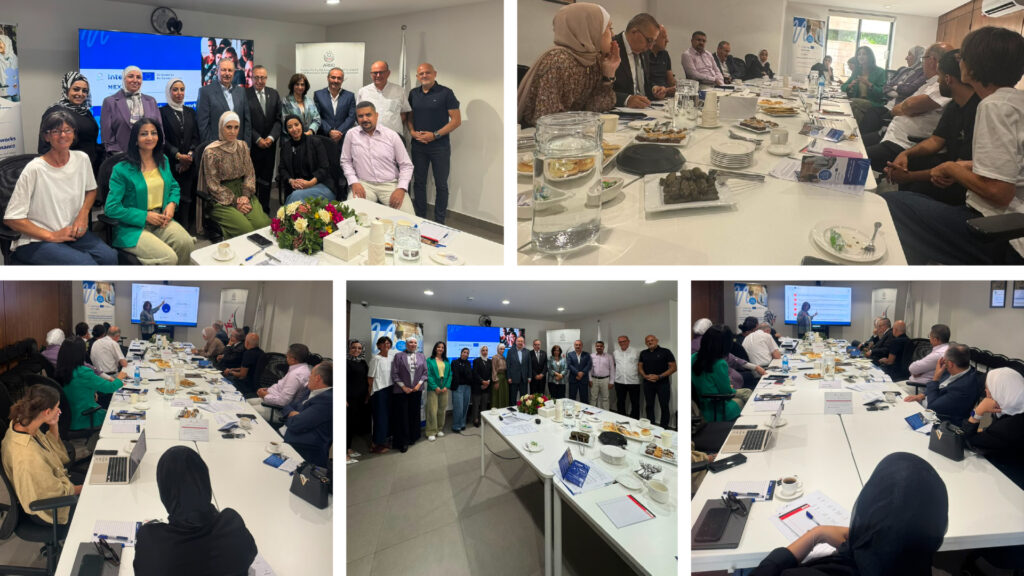
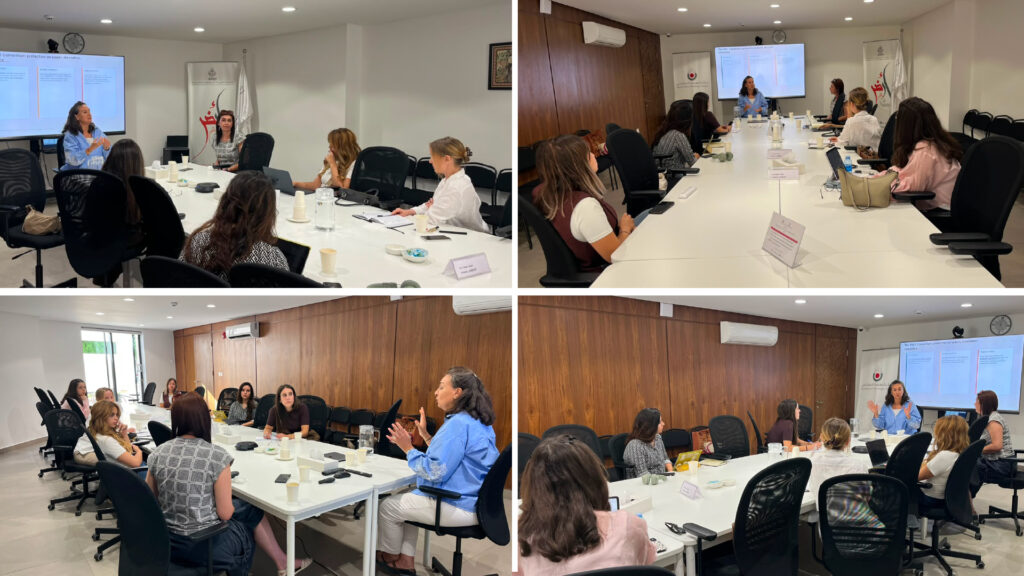
Withing the framework of the RSC Summer Course on International Politics in the SWANA Region: Colonial Legacy, Displacement, and Humanitarian Governance, organized by the Renaissance Strategic Center (RSC) at the Arab Renaissance for Democracy and Development (ARDD) in partnership with Birzeit University, the course was hosted Dr. Oroub El-Abed, as a dedicated and distinguished academic and researcher, in a guest lecture on refugees and displacement in the Arab region.
Dr. Oroub El-Abed’s work centers on the deeply human stories behind forced migration and refugee rights in the Middle East, as she represents an influential, authoritative voice in international displacement studies. Today, she shapes the next generation of thinkers as an Adjunct Associate Professor at Birzeit University, while simultaneously driving critical on-the-ground research as the Regional Lead for the Center for Lebanese Studies, bridging the gap between rigorous academic analysis and fierce human advocacy.
During the session, Dr. El-Abed examined the intricate economic, political, and social structures that govern refugee movement, focusing on the roles of conflict and regional labor markets. She emphasized that for refugees, essential work often comes with significant restrictions and minimal protection.
One of the highlights of the lecture was its commitment to centering the lived realities of individuals navigating displacement, rather than relying solely on statistics. Personal anecdotes and specific narratives raised crucial questions about the conditions under which refugees can work and how they are integrated into economies without full rights or security.
A student reflected, “I appreciated how this lecture challenged the simplistic legal categorization of refugee experiences, emphasizing their roles as economic actors rather than just recipients of aid.”
This lecture connected closely with many of the wider themes of the course, including displacement, labour, and political economy. “We are incredibly grateful to Oroub El-Abed for her thoughtful session that encouraged us to see refugees not only as recipients of aid, but also as workers, family members, and autonomous individual actors, navigating difficult political and economic systems.”