As artificial intelligence tools become an increasingly integral part of students’ everyday lives, the question facing Jordan’s education system is no longer simply whether these tools should be used. Rather, it is about what students need to learn, what knowledge and skills assessment methods should reflect to prepare them for the future, and how the roles of students and teachers can be preserved within a learning process whose tools are rapidly evolving.
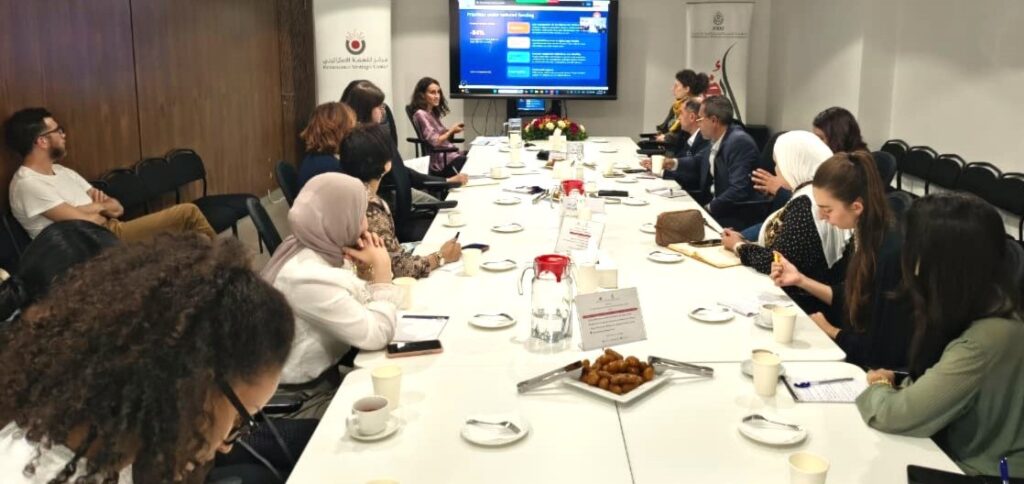
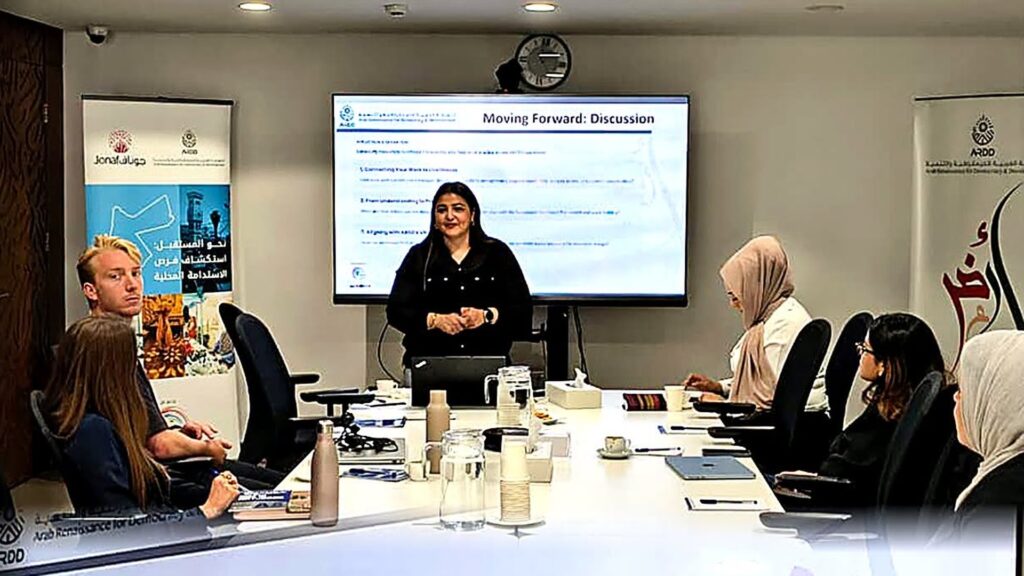
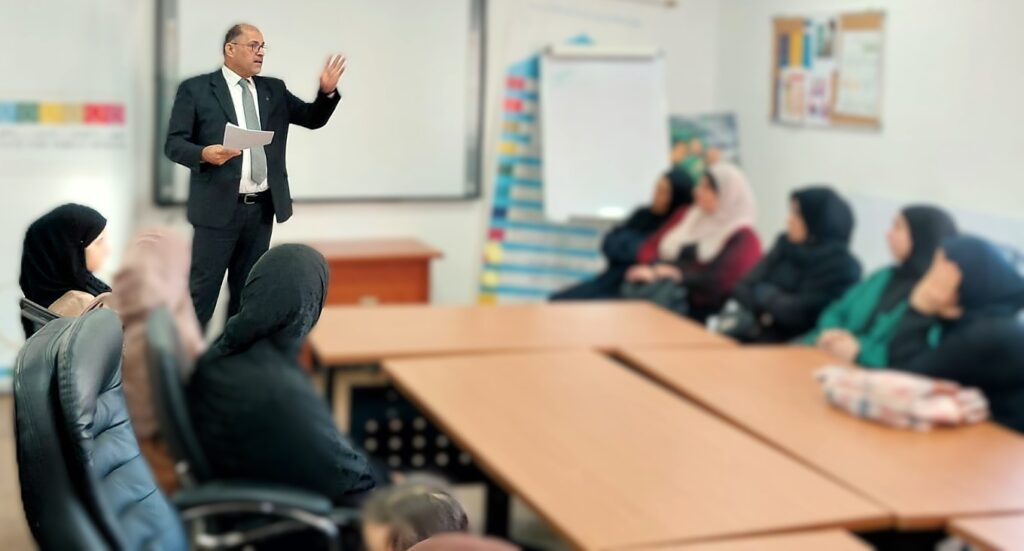
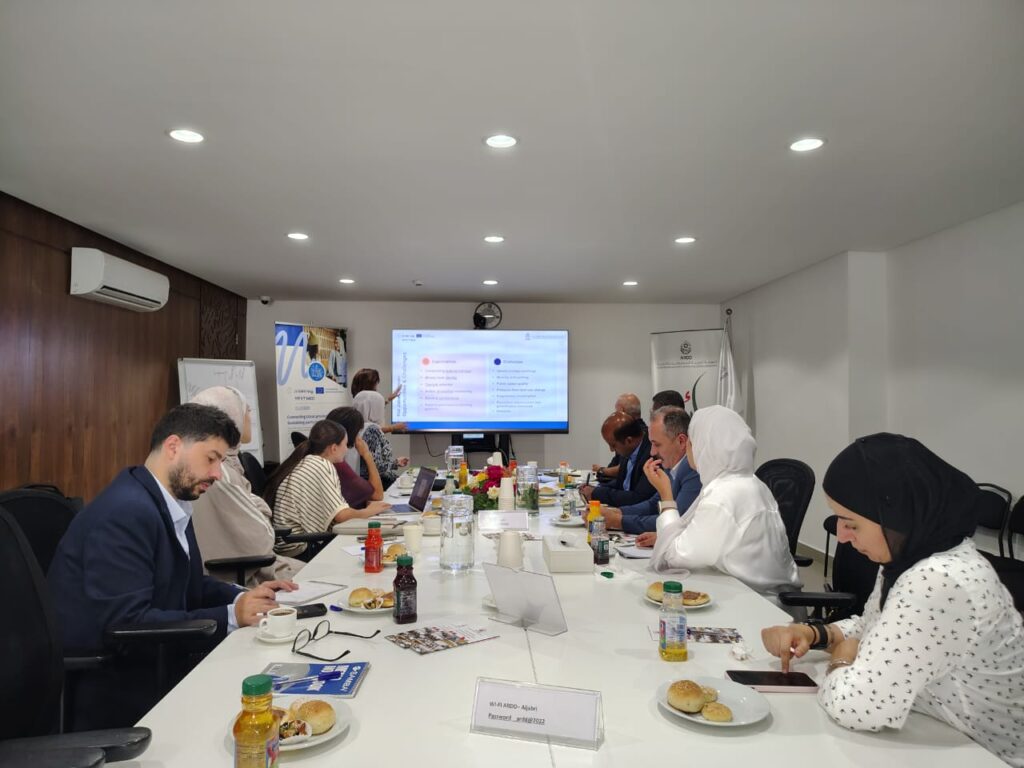
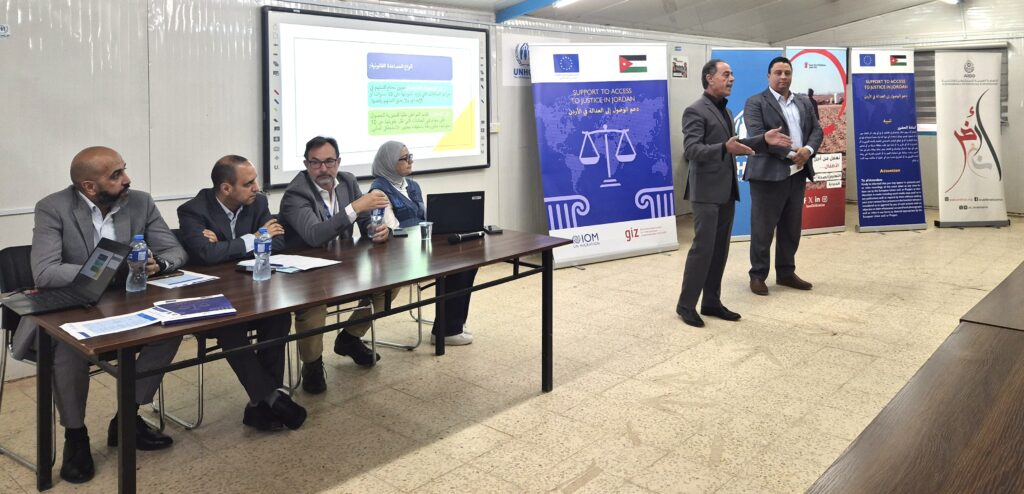
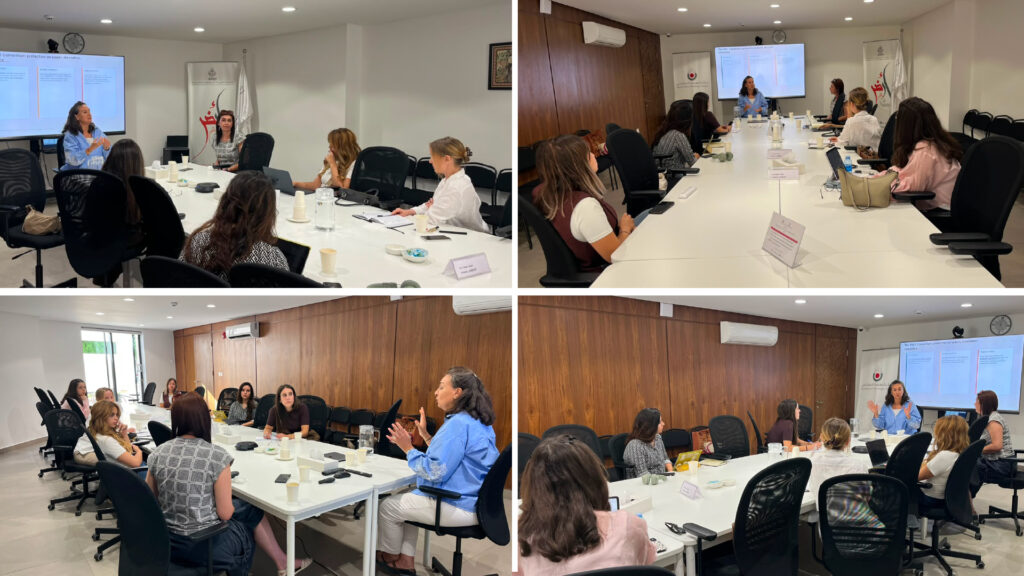
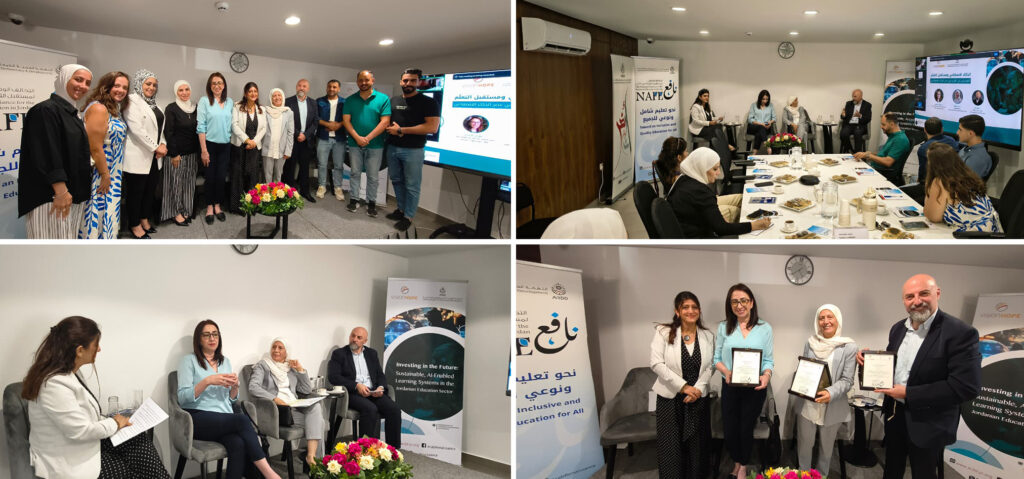
Against this backdrop, the Arab Renaissance for Democracy and Development (ARDD) convened a dialogue session on Tuesday, 1 September 2026, titled “Artificial Intelligence and the Future of Learning: Tawjihi in Jordan in the Age of AI.” The session was held as part of the AI and Innovation in Education Forum series, in coordination with the National Alliance for the Future of Education in Jordan (NAFE) and its AI Committee. The discussion focused on three interconnected themes: Tawjihi and assessment, students and artificial intelligence, and the role of teachers and the education system.
The session was moderated by Eng. Zainab Al-Khalil, ARDD’s Education and Women’s Access to Justice Programs Manager, who posed a central question to participants: If artificial intelligence becomes readily available to every Tawjihi student, how can it support learning without replacing the learning process itself? And what does this mean for the objectives of Tawjihi, its assessment methods, and what the examination actually measures?
From a practical perspective, Dr. Moataz Azer, Executive Director of the Digital Skills Association, stressed that the challenge goes beyond introducing technology into education. It is also about developing students’ approach to learning and their ability to understand, analyze, and learn from mistakes. AI can provide explanations, practice opportunities, and feedback, but its value ultimately depends on students’ ability to think critically, analyze information, and avoid automatically accepting its outputs. As he emphasized, “Getting a ready-made answer does not necessarily mean that learning has taken place.”
Sahar Matarneh, an education sector expert, emphasized that making meaningful use of AI begins with investing in the foundations of learning, from literacy and numeracy to comprehension, analysis, exploration, and self-directed learning. She stressed that “having access to AI tools does not replace these fundamentals.” She also highlighted the importance of aligning the use of these tools with the realities of the education system and students’ needs, while taking into account the readiness of the learning environment and infrastructure and ensuring fair and equitable access for students across Jordan’s governorates.
From the perspective of education and future skills, Suzan Qaddoumi, CEO of Al-Khwarizmi University Technical College, stressed that technological transformation does not diminish the importance of teachers. Rather, it reinforces their role in building students’ foundations, guiding their development, strengthening their skills and character, and preparing them for life and the labour market. She emphasized that “teachers cannot be replaced by artificial intelligence.” She also highlighted the importance of preparing students for the labour market, teaching them to use AI tools responsibly and respect intellectual property rights, and developing tools suited to the cultural and educational context and students’ needs, while enabling teachers to deliver knowledge in more interactive and effective ways.
The discussion also highlighted the need to train teachers in the pedagogical use of artificial intelligence and to recognize differences among students in terms of skills, backgrounds, access to technology, and their ability to benefit from it.
From Using AI to Rethinking Learning and Assessment
The dialogue brought the discussion back to the fundamental purpose of the Tawjihi examination itself: If access to information and answers becomes increasingly easy, what should the examination measure in the future?
Participants highlighted the need to develop assessment approaches that place greater emphasis on understanding, analysis, independent thinking, and the application of knowledge. This also requires distinguishing between situations in which AI can appropriately serve as a tool for practice, explanation, and feedback, and those in which students’ independent abilities should be assessed.
The discussion further addressed the responsible and ethical use of artificial intelligence, information verification, intellectual property, training for both students and teachers, equitable access to technology, and the need to strengthen reliable Arabic-language content and educational resources.
The dialogue concluded that integrating artificial intelligence into education is not simply a matter of providing new tools; it is a question of educational readiness. It requires students equipped with foundational skills and critical thinking, teachers capable of using technology effectively for educational purposes, and institutions able to ensure its responsible and equitable use. At the same time, it calls for rethinking the objectives of learning and what assessment tools should ultimately measure.
In this sense, artificial intelligence does not place technology in opposition to traditional education. Rather, it opens the door to a broader question about the kind of education Jordan needs for the future, and how technology can strengthen learning without diminishing it.
The session was held as part of the “Investing in the Future: Sustainable, AI-Enabled Learning Systems in the Jordanian Education Sector” project, implemented by the Arab Renaissance for Democracy and Development (ARDD) in partnership with Vision Hope International and in cooperation with Branches of Mercy. It also builds on NAFE’s role as a platform for coordination, knowledge exchange, and sharing expertise on the future of education and digital transformation.