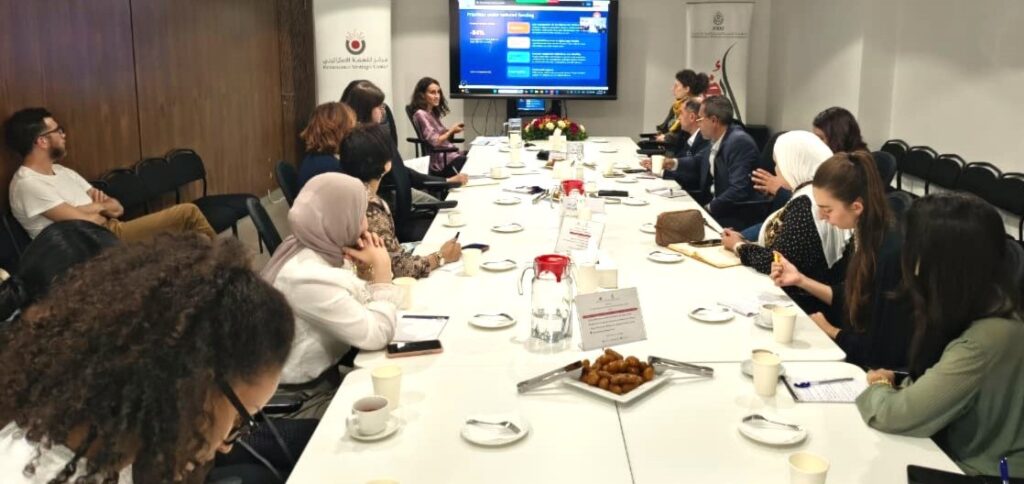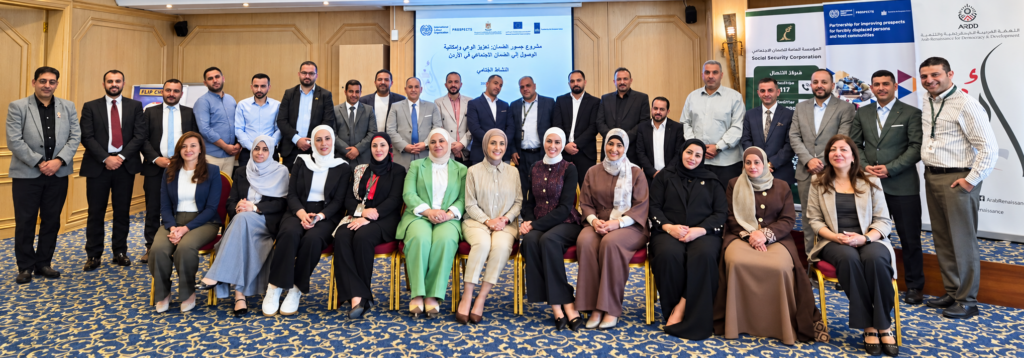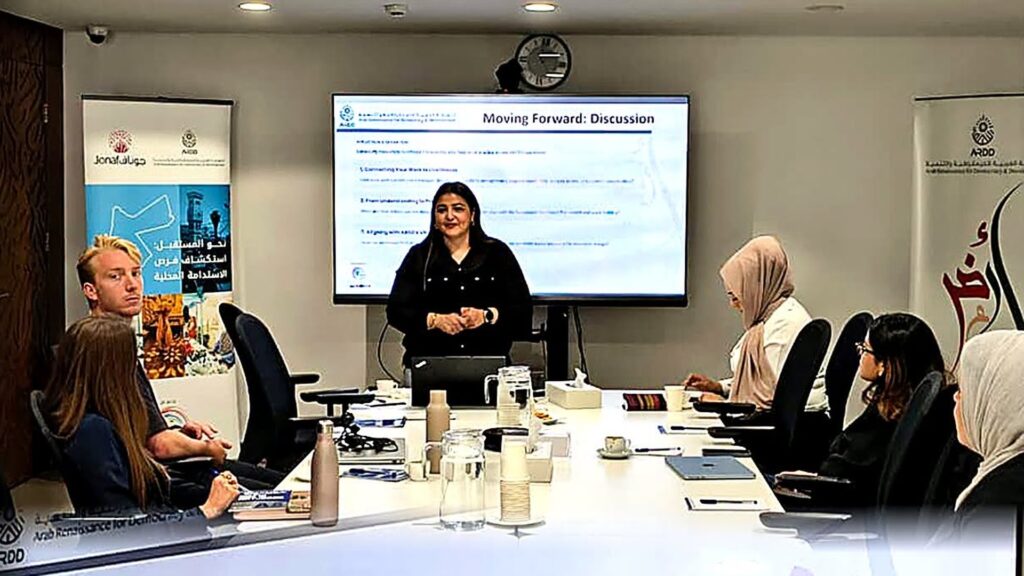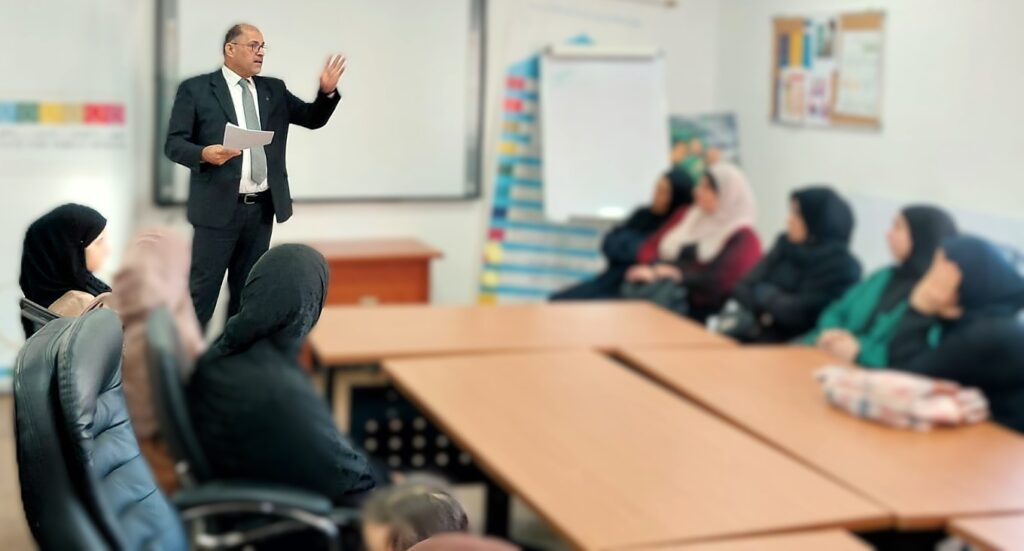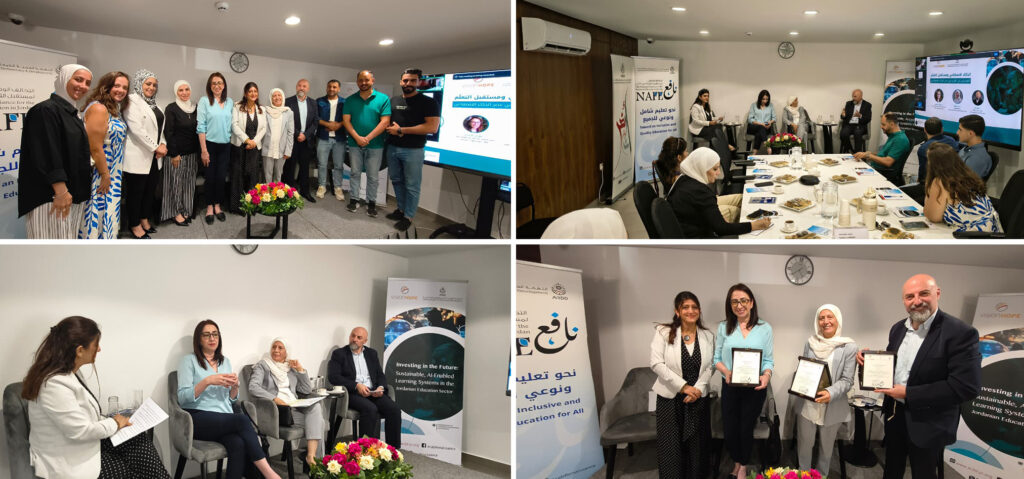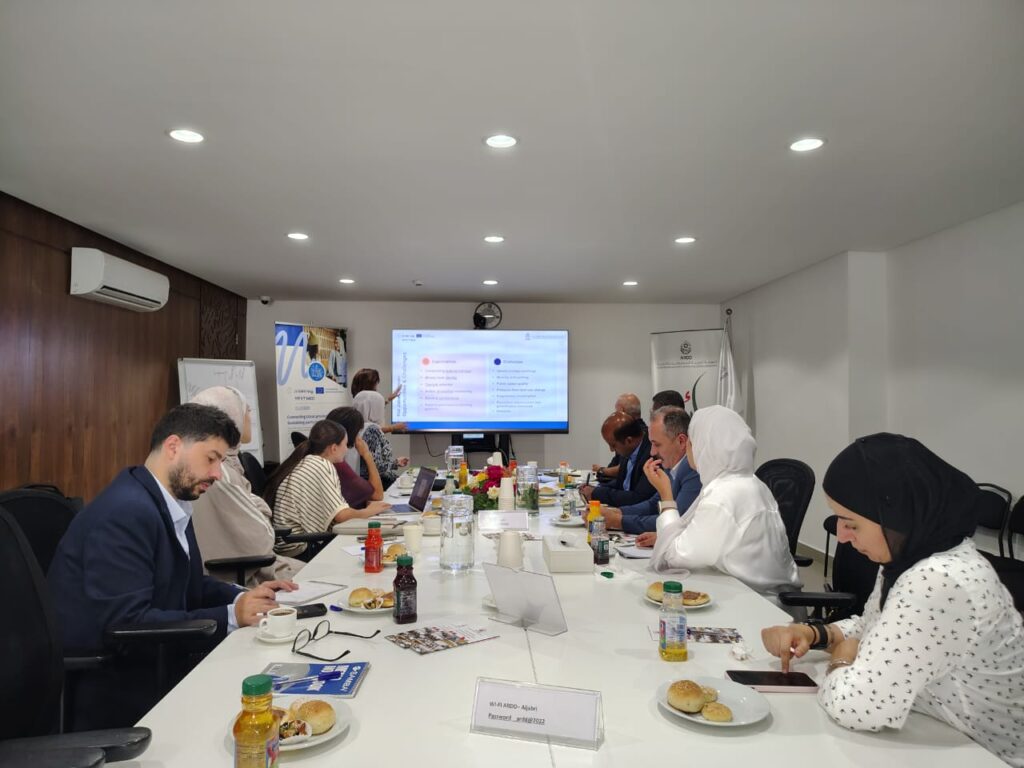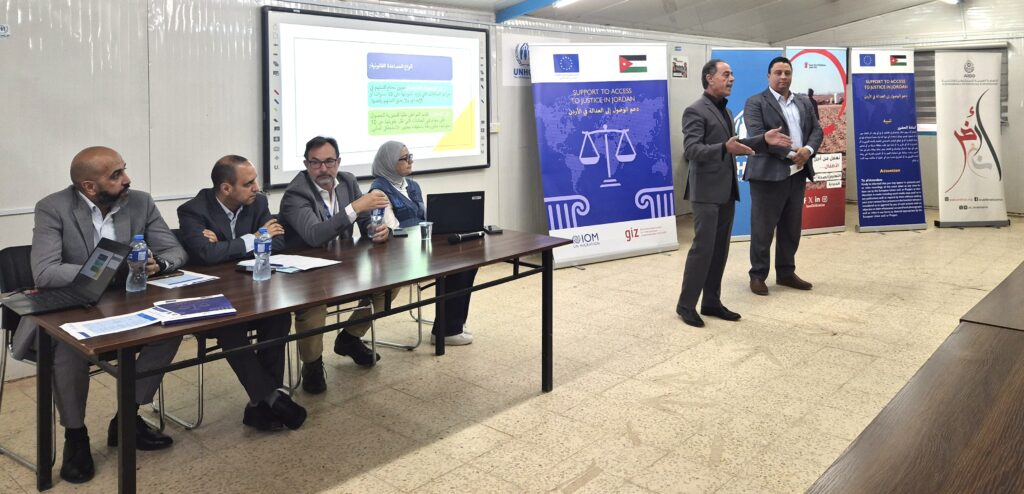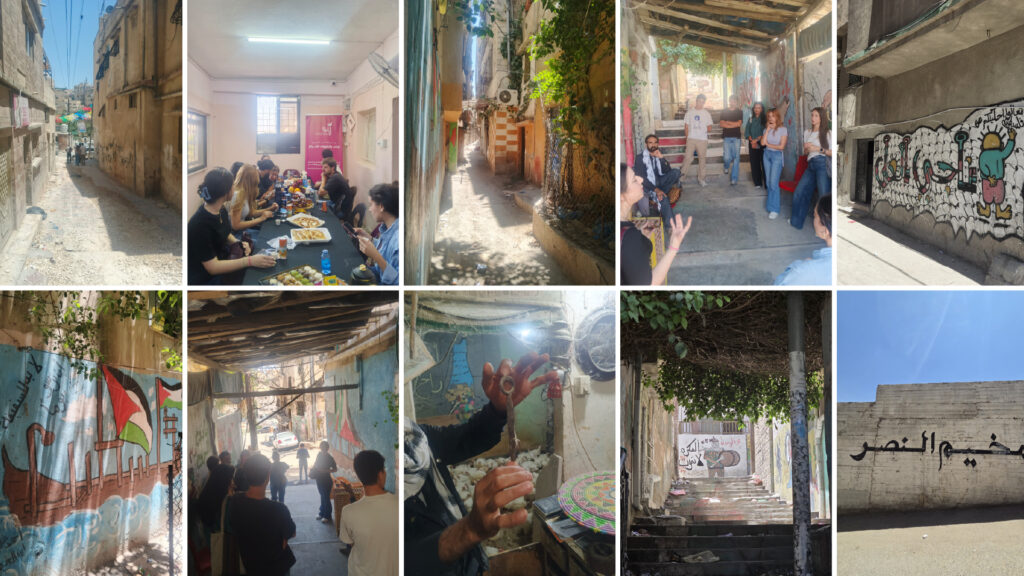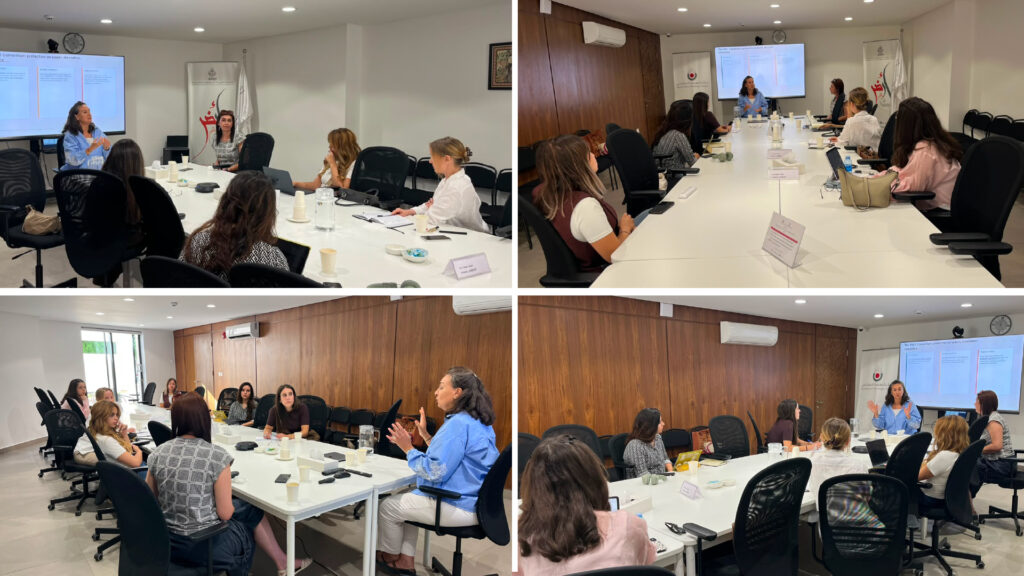
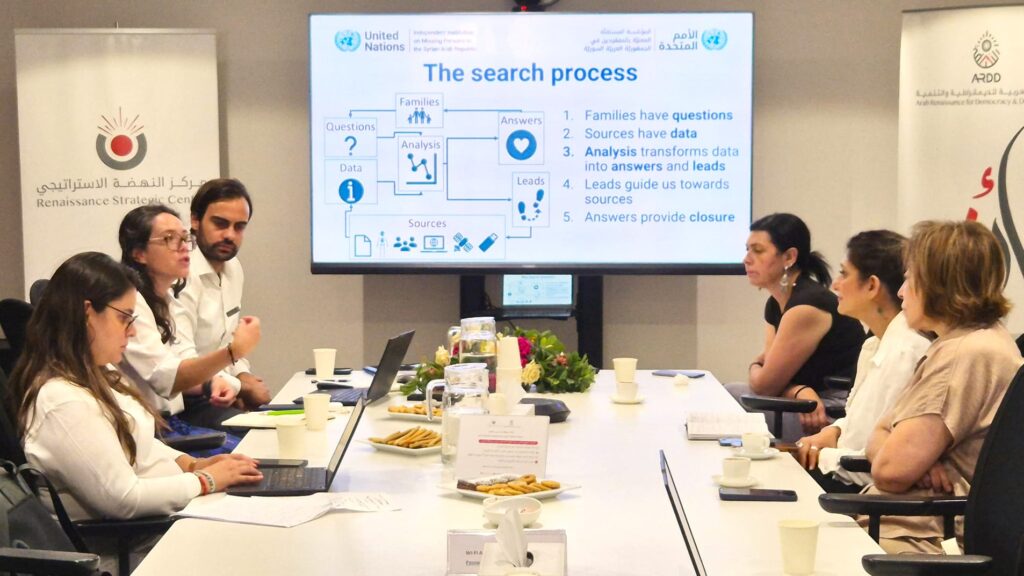
On 15 July, the Arab Renaissance for Democracy and Development (ARDD) welcomed representatives of the Independent Institution on Missing Persons in the Syrian Arab Republic (IIMP) during the Institution’s second mission to Jordan. The meeting brought together members of the Migration and Refugee Forum for the Arab World (MARFA), as a space for dialogue, mutual learning, and exchange on the issue of missing persons in Syria. It provided an opportunity for IIMP to introduce its mandate and ongoing work to regional civil society actors, while drawing on MARFA members’ collective knowledge, experience, and long-standing engagement with displaced communities across the region.
Established through a United Nations General Assembly resolution in 2023 following sustained advocacy by victims and families, IIMP is mandated to clarify the fate and whereabouts of missing persons in Syria and to support their families. With an estimated 100,000 people still missing, the Institution works by bringing together information from families, civil society organizations, international actors, and governments in pursuit of truth, dignity, accountability, and the rights of those affected.
The discussion highlighted the essential role of regional and local civil society in ensuring that the experiences, priorities, and voices of affected families remain at the centre of international efforts. Participants reflected on the knowledge accumulated by ARDD in Jordan through years of accompanying refugees and displaced Syrians, discussing the legal, social, and protection challenges faced by families of missing persons, existing community outreach efforts, and ways to strengthen awareness of the mechanisms available to them.
The dialogue also explored the far-reaching consequences of disappearance, which extend well beyond the loss of a loved one. Families often face complex legal obstacles related to inheritance, guardianship, civil documentation, and access to rights and services, while women frequently bear additional social and economic responsibilities in the prolonged absence of family members. Participants emphasized that disappearance is not only a humanitarian issue but also a profound legal, social, and psychological reality that leaves families suspended in uncertainty.
The human dimension of these challenges was illustrated when a Syrian community leader shared the story of his brother, who disappeared during the conflict and has never been located. During the meeting, IIMP explained the process for opening a case, enabling him to begin documenting the disappearance and to better inform others in his community who may wish to engage with the Institution. The exchange underscored the importance of trusted community networks in connecting families with available mechanisms while ensuring that their experiences and agency remain central.
The meeting reaffirmed a shared commitment to placing the rights, dignity, and voices of families of missing persons at the heart of ongoing efforts. It also highlighted the importance of sustained dialogue between international mechanisms and regional civil society, recognising that meaningful progress depends on listening to affected communities and building on the knowledge, trust, and experience of those who have long worked alongside them.