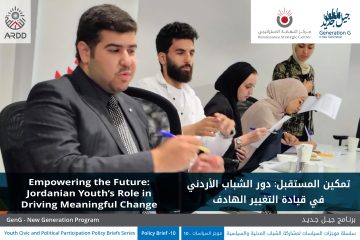
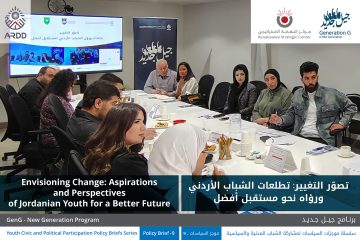
Jordanian youth, praised by His Majesty King Abdullah as the nation’s “greatest asset and hope for the future,” are energetic, creative, and socially aware. Their digital fluency enables them to mobilize, voice opinions, and
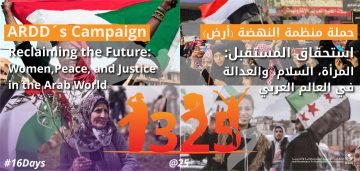
ARDD Launches Campaign Marking the 25th Anniversary of UNSCR 1325 and the 16 Days of Activism: Reaffirming Women’s Leadership in Peace, Justice, and Dialogue Amman — 6th October 2025 — The Arab Renaissance for
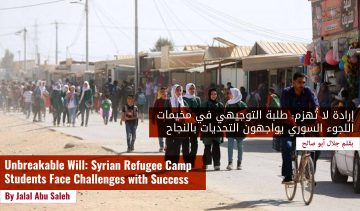
“I used to study under small lamps when the electricity went out… determination was the strongest weapon for success.” With these words, Muhannad (a pseudonym) from Za’atari Camp summarizes his journey with the General
In light of the social, political, and economic challenges facing youth in Jordan and the Arab region, the importance of strengthening youth leadership and civic engagement emerges as essential tools for building more just
Social systems shape the framework of relationships and roles within societies, playing a decisive role in determining young people’s opportunities for engagement in public affairs. Their importance becomes even more pronounced during times of
Over the past five years, the Arab World has faced a series of multifaceted crises that have significantly impacted governance systems and legitimacy. These crises have led to a growing disillusionment among Arab youth
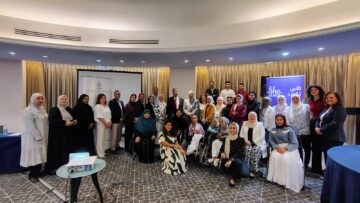
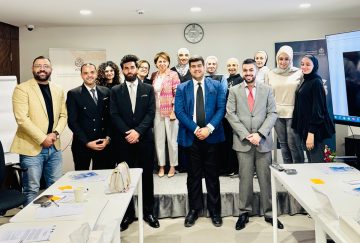
As part of its ongoing efforts to understand the shifting landscape of international aid and to challenge the unequal power dynamics that shape this sector, the Women’s Studies Unit at ARDD´s Renaissance Strategic Center—organized
Despite representing a significant portion of the population and a promising demographic force, it has recently become clear that young people are experiencing a “noticeable isolation” from collective action and decision-making processes. Their participation
This policy brief explores the evolving dynamics of leadership among youth and women in Jordan, positioning leadership as a central enabler of civic and political participation. It draws on insights from the Youth Civic
The brief addresses the role of social and gender norms in shaping youth participation, with a focus on equitable access and political inclusion. Acknowledging barriers and opportunities, the brief provides recommendations for government institutions,