Protection Must Follow People, Not Funding: Reflections from ARDD at the 77th UNHCR Executive Committee
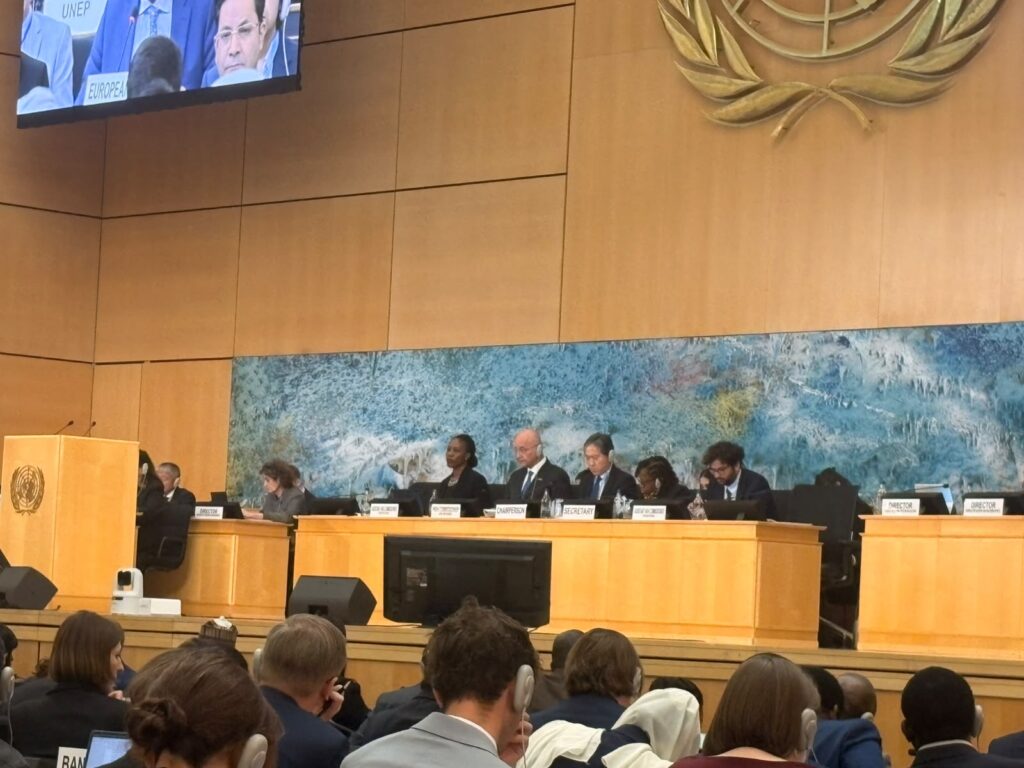
Maria Giovanna Mariani The 77th session of the Executive Committee of the United Nations High Commissioner for Refugees (UNHCR), held in Geneva from 12 to 16 October 2026, provided an important opportunity to reflect on the future of international protection. It was the first Executive Committee session addressed by the new High Commissioner for Refugees, Barham Salih. Through its collaboration with Independent Diplomat, the Arab Renaissance for Democracy and Development (ARDD) participated in these discussions, bringing Jordanian and regional civil society perspectives on durable solutions, localization, responsibility-sharing, and UNHCR’s evolving role. A central focus was the “50 by 35” initiative, which aims to halve the number of refugees living in protracted displacement and dependent on humanitarian assistance by 2035. As the High Commissioner emphasized, the objective is not to reduce humanitarian assistance, but to reduce the need for it. This distinction is fundamental. Success should not be measured solely by the number of refugees returning home, but by whether people can access rights, safety, and dignity. Solutions must include voluntary return when conditions permit, alongside self-reliance, resettlement, and complementary pathways for those unable or unwilling to return. For ARDD, this requires a rights-based approach that ensures all refugees in Jordan, including non-Syrian refugees and those not registered with UNHCR, can access civil documentation, essential services, employment, and sustainable livelihoods. These are fundamental conditions for protection, dignity, and self-reliance. The discussions also raised important questions about UNHCR’s future amid declining funding and institutional restructuring. While a smaller UNHCR may be necessary, a smaller institution must not mean a weaker protection system, nor should responsibilities be transferred to local organizations without adequate resources and support. Localization must go beyond shifting implementation responsibilities. It requires equitable partnerships in which local organizations participate in decision-making, setting priorities, and allocating resources. This calls for predictable financing, long-term institutional support, and a clear division of complementary roles: UNHCR safeguarding international protection standards and coordination, while local actors contribute contextual knowledge, community trust, and direct engagement with affected populations. Against this backdrop, ARDD organized a side event titled “Bridging Increasing Gaps: Advancing Locally Led Responses in an Era of UNHCR Transitioning,” bringing together partners from Asia, Africa, and the Middle East and North Africa, alongside Independent Diplomat, UNHCR, the International Federation of Red Cross and Red Crescent Societies (IFRC), the International Council of Voluntary Agencies (ICVA), donors, and other organizations. The discussion focused on translating localization commitments into equitable partnerships, ensuring local actors help shape solutions and decisions about resources. ARDD’s participation also provided an opportunity to strengthen dialogue with donors and partners, contribute to discussions ahead of the next Global Refugee Forum, and reaffirm that responsibility-sharing must include sustained support for host countries and local protection systems. These discussions carry additional significance following Jordan’s election to the United Nations Human Rights Council for the 2027–2029 term, with 171 votes and a mandate beginning on 1 January 2027. This membership presents an opportunity to strengthen Jordan’s commitment to human rights, peace, dignity, and non-discrimination, building on its longstanding role in hosting refugees and supporting multilateral cooperation despite mounting regional pressures. Ultimately, the 77th Executive Committee reaffirmed that the future of refugee protection depends on genuine solidarity, equitable partnerships, sustainable resources, and rights-based solutions. Any transition in UNHCR’s role must place refugees and their needs at the centre, rather than allowing financial constraints to determine the scope of protection. Protection must not diminish as funding declines, nor should it depend on institutional budgets or international attention. Protection must follow people, not funding.
Yemen’s Humanitarian Crisis and the Bab al-Mandab Strait
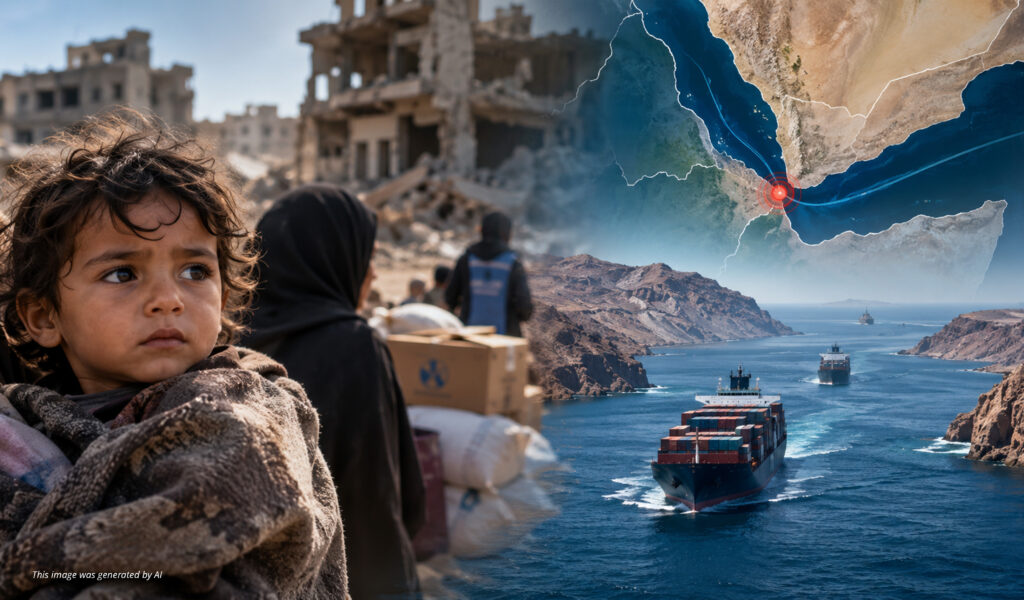
Author: Vincent Metzger, RSC Intern Since early September 2026, fighting in Yemen has affected strategic locations, including Mayyun Island and the port city of Mokha, increasing pressure around the Bab al-Mandab Strait, a major international shipping route. The escalation has reportedly displaced more than 120,000 Yemenis, many of whom have moved to Taiz and Lahij. Over the course of Yemen’s decade-long conflict, approximately 4.5 million people have been internally displaced, often more than once, Representing roughly 14% of the population. The conflict continues to affect both Yemeni communities and refugees living in the country. It has also created risks for trade and aid deliveries through the Bab al-Mandab Strait. Nearly half of Yemen’s population, approximately 41 million people, is estimated to need humanitarian assistance. Yemen on the Edge Even before the recent escalation, Yemen had limited capacity to respond to another major crisis. After more than a decade of conflict, the country faces a weakened economy, widespread poverty and a severely strained healthcare system. More than 80% of the population lives below the poverty line, while only around half of medical facilities are fully operational. The division between the central bank branches in Sana’a and Aden has contributed to different exchange rates and complicated economic activity. Goods entering areas controlled by the Houthis through the port of Aden may also face additional charges, increasing costs and discouraging some trade and investment, according to Yemeni researcher and activist Osamah Al-Fakih. Goods entering the Houthi-controlled areas are effectively taxed twice if they enter through Yemen’s main port in Aden, first by the government and again by the Houthis. This burden has deterred foreign trade and investment, according to Osamah Al-Fakih. Displacement has placed further pressure on local communities. Yemen does not have enough large, organized camps to accommodate all those fleeing the fighting. As a result, many displaced families stay with relatives or integrate into host communities. While this can provide temporary shelter, repeated displacement often forces families to leave behind their homes, livelihoods and social networks. Families moving to Aden, Al Hodeidah, Abyan and Taiz are arriving in areas where humanitarian services are already under significant pressure. Routes out of Yemen are also limited. Approximately 3,000 people have crossed the Bab al-Mandab Strait to Djibouti, one of the few available routes out of the country. Djibouti’s Markazi camp currently has capacity for around 5,000 refugees but is expecting more than 10,000 additional arrivals, according to UNICEF. The agency is also monitoring possible routes to Somalia. While those with money or connections sometimes fly out of the country to Amman or Cairo, many have no option and are displaced repeatedly inside the country. The same applies to the 65,000 registered refugees in Yemen, mainly from Somalia and Ethiopia. Some have since returned to their home countries, while many more have simply stayed. Although Yemeni law formally guarantees them protection against discrimination, in practice, according to Osamah Al-Fakih, they face many of the same abuses as Yemenis who have been displaced within their own country. The Bab al-Mandab Strait and Global Trade The humanitarian crisis is unfolding alongside developments around the Bab al-Mandab Strait, which connects the Red Sea with the Gulf of Aden. An estimated 12–15% of global trade passes through the wider Red Sea route, making the waterway important for international shipping and regional economies. As the war continues, the strait has gained further strategic importance due to the re-routing of oil exports to the kingdom’s western port of Yanbu. Crude oil is transferred from the east via the Petroline, which itself became a target of military attacks. Of the approximately 4.5 million barrels of oil exported from Yanbu, around 3 million used to pass through Bab al-Mandab. Recent changes in the conflict have increased attention on the strait and the surrounding coastline. The area is also relevant to energy transport, including Saudi oil exports routed through the western port of Yanbu. Disruptions or security concerns can encourage ships to avoid the strait and travel around the Cape of Good Hope instead. This adds time and cost to voyages and can place further pressure on global supply chains. These disruptions also affect humanitarian operations. Aid agencies depend on functioning transport routes to deliver food, medical supplies and other assistance to Yemen. Any increase in shipping costs, delays or security risks can make that work more difficult. Humanitarian Work Under Pressure Humanitarian organizations face significant challenges in reaching people in need. Laurent Bukera, the United Nations resident and humanitarian coordinator for Yemen, has identified insecurity, movement restrictions and communication problems as obstacles to access along the western coast. He has also expressed concern about the safety of aid workers and warehouses. Funding remains another major challenge. The United Nations’ humanitarian appeal for Yemen, valued at US$2.16 billion, had received approximately 18% of the required funding at the time of writing. Even when funding and supplies are available, humanitarian organizations may not be able to reach the communities that need them. In areas controlled by the Houthis, aid workers have been detained since 2014. According to Al-Fakih, these detentions have become a major constraint on humanitarian assistance. As of September 2026, 73 UN staff members from different organizations had reportedly been detained since 2021. The United Nations has said that the detentions have significantly limited its ability to assist people across Yemen. In 2025, the UN suspended official movement into and within Houthi-controlled areas after additional aid workers were detained, citing concerns for staff safety. This made it more difficult for humanitarian agencies to operate in some of the areas with the greatest needs. The crisis therefore involves more than the availability of funding and supplies. Humanitarian assistance also depends on whether aid workers can safely reach affected communities. The UN Secretary-General António Guterres has called for the safe release of detained staff and warned that the detentions have restricted the ability of the United Nations and its partners to provide assistance. Yemen’s crisis shows how humanitarian needs can be affected
ARDD and Terre des Hommes Italy Discuss Strengthening Child Protection in Jordan Amid Growing Challenges
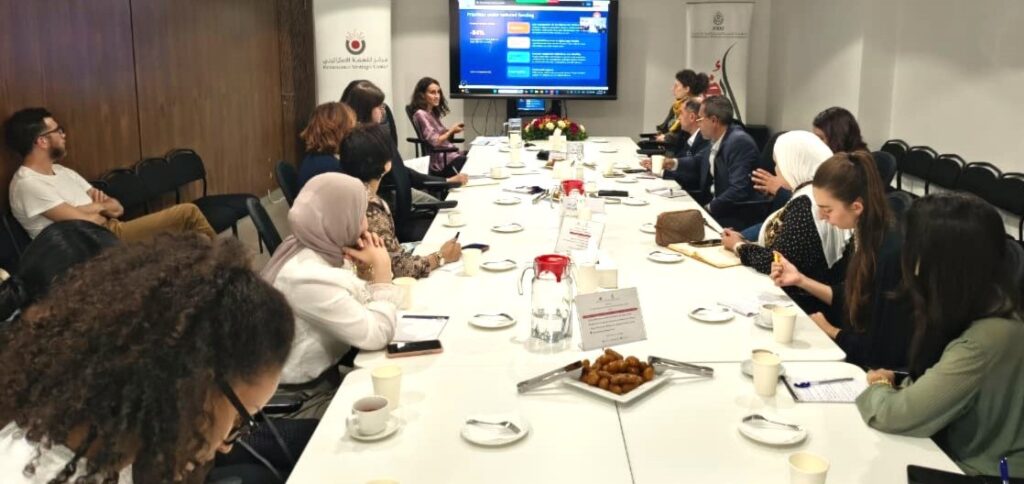
Economic hardship, gaps in legal protection, and declining humanitarian funding are placing vulnerable children and families in Jordan under growing pressure, raising concerns over child labour, school dropout, exploitation, and reduced access to essential services. These challenges were at the centre of a policy dialogue convened by the Arab Renaissance for Democracy and Development (ARDD), through its think tank, the Renaissance Strategic Center (RSC), in collaboration with Terre des Hommes Italy. The discussion examined the findings and recommendations of their joint research report, “Intersecting Risks and Rights: Child Protection and Legal Protection Needs in Jordan.” Bringing together representatives of UN agencies, national and international NGOs, and child protection practitioners, both in person and online, the dialogue explored how existing protection efforts can be sustained and strengthened as resources become increasingly constrained. The research, conducted across Amman, Ma’an, Mafraq, and Zarqa, examines the interconnected protection and legal challenges affecting vulnerable refugee and host communities. Its findings highlight how economic insecurity, limited legal awareness, difficulties obtaining civil documentation, and psychosocial distress can compound children’s exposure to violence, exploitation, and exclusion from education and essential services. A central message from the discussion was the need to protect the gains already achieved through years of child protection interventions. Participants cautioned that shrinking humanitarian resources could undermine established services and referral systems at a time when families are increasingly exposed to protection risks. Rather than developing parallel responses, participants emphasized the importance of building on existing experience, strengthening coordination, and directing limited resources towards the most pressing needs. The discussion identified four priorities for collective action: Sustaining protection services: Strengthening coordination and joint resource mobilization to maintain essential assistance and prevent gaps in coverage. Improving access to support: Updating service information and reinforcing referral pathways so that children and families can reach appropriate legal, psychosocial, and protection services. Reaching communities more effectively: Developing accessible, innovative, and continuous awareness efforts that respond to communities’ needs and preferred communication channels. Preserving evidence and institutional learning: Documenting successful interventions, challenges, and lessons learned to improve future programming, policy engagement, and advocacy. The session opened with remarks by Maria Giovanna of ARDD’s Renaissance Strategic Center, followed by a presentation of the research findings by Martina Mannocchi, Country Representative for Jordan and Programme Coordinator for Palestine at Terre des Hommes Italy. The exchange underscored the value of connecting field experience with research and policy dialogue, particularly when funding pressures require difficult decisions about priorities and service provision. Moving forward, the priority is to turn these findings into stronger coordination, more effective referrals, and sustained investment in child protection and legal assistance. ARDD and Terre des Hommes Italy will continue promoting evidence-informed dialogue and cooperation with relevant stakeholders to help safeguard children’s rights and preserve the progress achieved in Jordan. Read the full report: Intersecting Risks and Rights: Child Protection and Legal Protection Needs in Jordan
UNGA81 at a Turning Point? The Future of Multilateralism
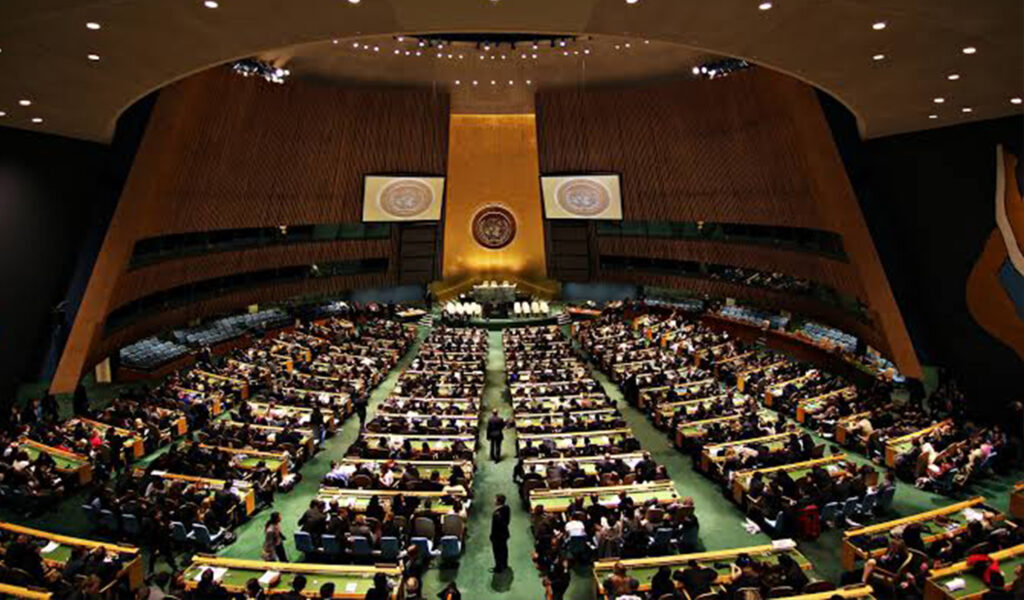
Klaas Jacob Willem Hogerbrugge, RSC intern The 81st United Nations General Assembly (UNGA81) unfolded as a pivotal test of whether multilateralism can still deliver in an era of deep geopolitical fractures, unresolved conflicts, and accelerating global risks. It exposed the erosion of trust in international institutions, but also revealed efforts to rebuild a rules-based order grounded in international law. The greatest threat to multilateralism at UNGA81 was not open rejection of international law but its selective application, and nowhere is that clearer than in the MENA region. UNGA81 opened on 8 September 2026 under the theme “Restoring trust, managing transformation: a United Nations that delivers for all.” The theme acknowledged that confidence in multilateral institutions has been weakened by war, humanitarian crises, climate disruption, technological change and artificial intelligence. The newly elected President of the General Assembly, Khalilur Rahman of Bangladesh, framed the session around the need to make the UN more capable of adapting, reforming and delivering for all. The crisis facing multilateralism is also reflected within the UN itself. Budgetary pressure, unpaid member-state contributions, Security Council paralysis and growing doubts about the organisation’s relevance have deepened the gap between the UN’s responsibilities and its capacity to act. The 2026 budget process has taken place against a backdrop of fragile liquidity and significant debt, raising concerns about the organisation’s ability to implement its mandates effectively. As Assembly President Rahman put it, the central question is no longer simply whether the UN exists, but whether it works. That question is particularly urgent as the organisation approaches a period of institutional transition, including the selection of a successor to Secretary-General António Guterres, whose term ends on 31 December 2026. The Erosion of Multilateralism UNGA81 demonstrated that the formal pillars of multilateralism, such as sovereign equality, territorial integrity, the prohibition of force, fundamental human rights and the institutions of international law remain intact in principle but increasingly strained in practice. The talks at the General Assembly were dominated by the prolonged and interconnected crises: the violence in Gaza and the West Bank, the broader question of Palestinian, Russia’s war in Ukraine, regional tensions involving Iran and key maritime chokepoints such as the Strait of Hormuz, and the governance of artificial intelligence and digital technologies. Every state invokes international law; far fewer accept it when it constrained them. Legal findings are frequently rejected, narrowed or applied selectively when they conflict with national interests. In relation to Palestine, long-standing Security Council resolutions and recent findings of the International Court of Justice have clarified the legal consequences of occupation, settlement activity and other policies, but meaningful enforcement remains limited. By contrast, the international response to Russia’s invasion of Ukraine, although incomplete, included rapid sanctions and other measures explicitly presented as responses to violations of the UN Charter. This contrast is not merely political; it is structural. When enforcement is strong for some violations and weak or absent for others, international law risks becoming a function of geopolitical alignment rather than a universal framework. Selective enforcement can be more corrosive than open rejection because it undermines confidence in law as a neutral standard applicable to all. From a MENA perspective, this contradiction is particularly acute. The persistence of occupation, blockade, forced displacement and other violations across the region illustrates how norms may be affirmed in New York while remaining unenforced on the ground. When the rule of law is invoked but not consistently applied, multilateralism itself risks becoming a language of convenience rather than a framework of accountability. Concurrently, other challenges further threaten the system. Attacks on international judicial institutions, including efforts to delegitimise the International Criminal Court or discourage cooperation with it, weaken accountability. Threats to withdraw from multilateral bodies and treaties, underfunding and unpaid contributions restrict the UN’s ability to implement its mandates, while fragmenting the global normative order. The historical parallel with the League of Nations remains instructive. It did not collapse in a single moment, but weakened through successive withdrawals, exceptions and tolerated violations. Japan’s departure after being condemned for aggression in Manchuria and the ineffective sanctions imposed on Italy over Ethiopia were important markers of that decline. The danger today is not that the UN will empty out, but that it will remain full while losing meaningful authority: a crowded hall with declining relevance. Forces Sustaining and Renewing Multilateralism Despite these fractures, UNGA81 also revealed important forces capable of sustaining and renewing multilateralism. On 21 September 2026, on the margins of the UN General Assembly, the European Union, Australia, Barbados, Brazil, Canada, India and Kenya launched Partners for Multilateralism (P4M). The initiative brings together countries committed to peace, stability, inclusive and sustainable development, shared prosperity, human dignity and human rights. It also seeks to uphold the principles of the UN Charter, defend international law and support the reform and modernisation of multilateral institutions so that they become more representative, effective and trusted. The global and cross-regional character of P4M is significant. It positions multilateralism not as a Western or regional project, but as a shared architecture for international law, peace and prosperity. Its value will ultimately depend on whether its commitments develop into coordinated action, but its formation demonstrates that broad support for multilateral cooperation still exists. The UN’s near-universal membership and extensive institutional network also provide resilience. Unlike the League of Nations, the UN encompasses almost all sovereign states, while its agencies and programmes are deeply embedded in daily life through their work on health, food security, refugee protection, development and humanitarian assistance. This institutional density cannot resolve every crisis, but it remains an important foundation for collective action. The theme of UNGA81 further recognises that legitimacy depends not only on historical achievements or legal form, but on tangible delivery. If multilateral institutions can reduce suffering, manage shared risks and provide fairer access to development and justice, public trust may still be rebuilt. The interconnected nature of contemporary challenges, including climate change, artificial intelligence, pandemics and financial instability, also makes cooperation indispensable, since no state can
SSC, ILO and ARDD Conclude “Social Security Bridges” Activities under the PROSPECTS Programme
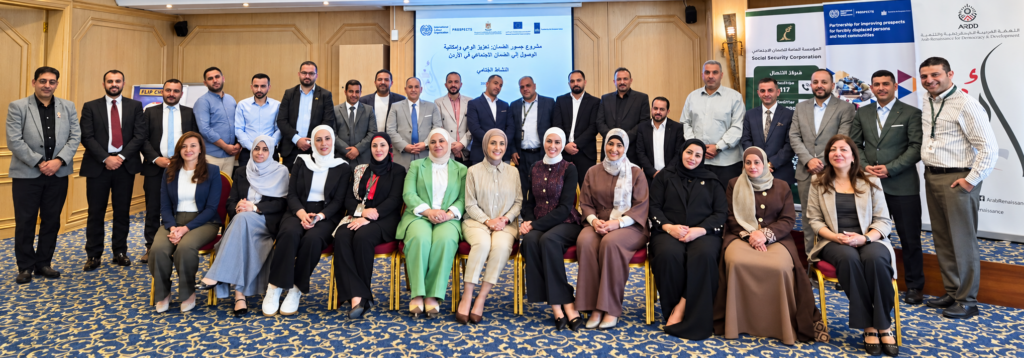
The Social Security Corporation (SSC), in partnership with the International Labour Organization (ILO) and the Arab Renaissance for Democracy and Development (ARDD), concluded the activities of “Social Security Bridges: Enhancing Awareness and Access to Social Security in Jordan,” implemented under the PROSPECTS Programme, funded by the Kingdom of the Netherlands. The initiative aimed to raise awareness of the importance of social security coverage and the insurance benefits available to workers, particularly groups with limited access to social security services and benefits. The project’s closing workshop brought together SSC staff and ARDD lawyers, who shared their experiences in conducting awareness sessions and responding to legal and social security-related inquiries. Their direct engagement with communities highlighted the need for more flexible awareness tools that respond to the diverse needs of target groups. Dalia Ruki, PROSPECTS Programme Manager in Jordan at the ILO, highlighted the growing importance of social security in efforts to ensure decent working conditions for all workers. She stressed that social security is a fundamental pillar of comprehensive social protection, not only by providing insurance coverage, but also by ensuring that individuals—including refugees and workers in the informal economy—have access to the information and services they need to understand and exercise their rights. She added that this phase represented an important milestone in raising awareness of social security and expanding access to its services. She expressed hope that the closing session would provide an opportunity to exchange experiences, draw lessons learned, and identify ways to sustain and build on these activities, particularly given their importance in strengthening social protection and reaching those most in need. Souzan Muhareb, Deputy CED of ARDD, explained that these efforts sought to bring the social security system closer to communities, particularly groups with limited access to its services, by combining capacity building for those delivering social security awareness, legal support, community outreach, and field-based engagement. She noted that more than 900 people of different nationalities benefited from awareness sessions on social security rights and services during the implementation period, including women, youth, refugees, migrants, and workers in particularly vulnerable sectors. Beyond the awareness sessions and field activities, the project developed practical resources to help sustain and strengthen awareness-raising efforts. These included an employee toolkit on best practices for communication and social security awareness raising, designed to support staff in communicating social security information clearly and effectively to diverse groups. The project also produced five public awareness videos featuring important legal and social security information in an accessible format, helping extend knowledge of social security rights and services to a wider audience. Rami Qweider, Legal Department Advisor at ARDD, presented an analysis of the needs assessment findings, emphasizing the importance of concerted efforts to strengthen awareness by moving from training to practical field implementation while responding to identified needs and opportunities to further develop awareness-raising efforts. He explained that field activities were delivered through four Workers’ Support Units, located across Ramtha, Mafraq, Russeifa, and South Amman in partnership with local civil society organizations. This approach helped bring information, consultations, and services closer to target groups in their communities. The event concluded with a discussion on how to build on the experience of “Social Security Bridges” and strengthen integration between capacity building, field engagement, legal support, and local partnerships, with the aim of expanding access to social security and advancing more inclusive and responsive social protection for workers. These activities were implemented under the PROSPECTS Programme, implemented by the ILO with funding from the Kingdom of the Netherlands, as part of broader efforts to promote decent work and social protection and expand access to rights and social security services for vulnerable groups.
ARDD’s Strategic Approach to Sustainable Livelihoods and Economic Well-Being
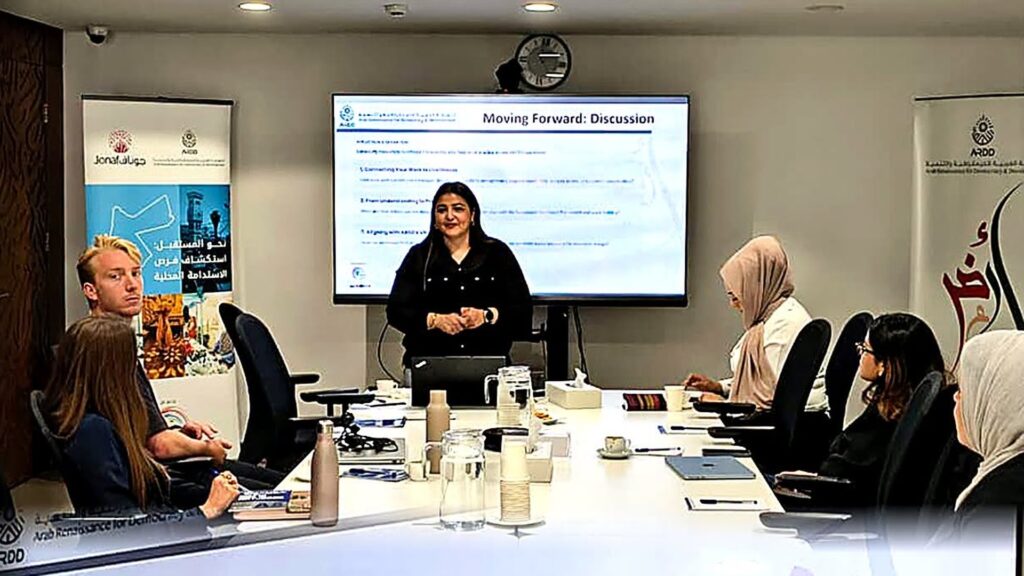
On 28 September 2026, the Arab Renaissance for Democracy and Development (ARDD) convened an internal workshop on “ARDD’s Strategic Approach to Sustainable Livelihoods and Economic Well-being: Understanding Livelihoods in Humanitarian & Development Work.” The workshop brought together ARDD’s programmatic, legal, operational, and research teams, including the Renaissance Strategic Center (RSC), to strengthen an integrated approach linking livelihoods programming, evidence, and policy engagement. Held under the Future Forward: Unlocking Sustainable Local Opportunities project, supported by the Regional Development and Protection Programme (RDPP), the workshop examined livelihoods within Jordan’s evolving socio-economic context, including constrained development financing, persistent unemployment, informality, and unequal access to economic opportunities. Discussions highlighted that sustainable livelihoods require more than short-term income generation. They depend on the wider conditions that shape access to decent work, legal protection, markets, social protection, and economic resilience. Drawing on the Sustainable Livelihoods Framework, participants examined the barriers affecting women, youth, refugees, and economically vulnerable communities, while considering how legal empowerment, market-responsive programming, research and policy analysis, and localization can work together to address them. As Future Forward Project Manager, Lena Halaseh noted: “Sustainable livelihoods are not only about creating opportunities, but about improving the conditions that allow people to access markets, exercise their rights, and participate in the economy on fairer and more sustainable terms.” The workshop will inform ARDD’s ongoing Sustainable Livelihoods and Economic Well-Being portfolio, reinforcing the connection between field realities, program design, and policy dialogue on decent work, economic inclusion, and locally led development in Jordan.
Jordan’s Maritime Moment: The Race to Replace Hormuz
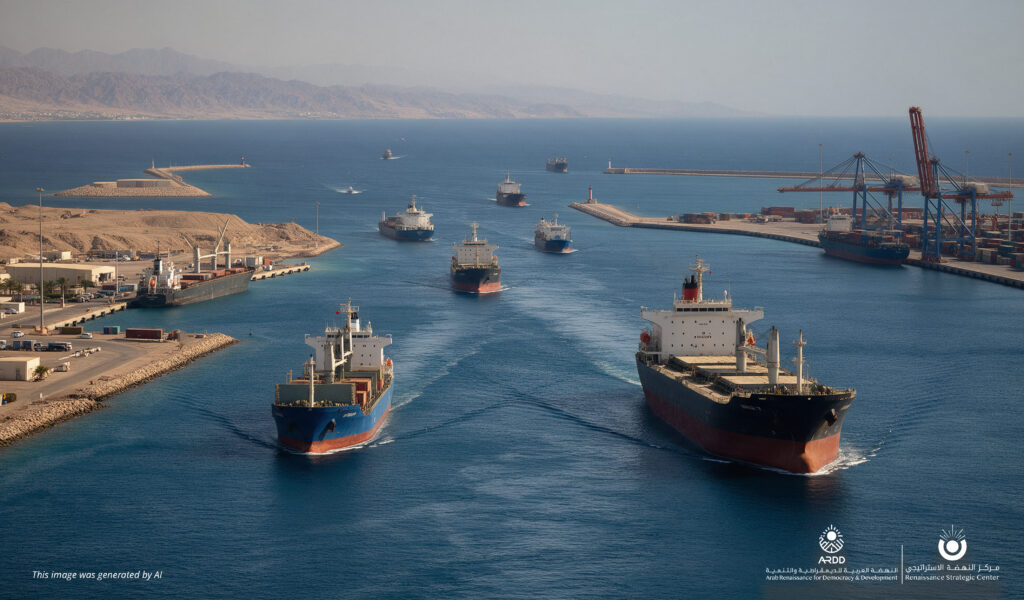
Klaas Jacob Willem Hogerbrugge, RSC Intern Every year, World Maritime Day passes by largely unnoticed outside the shipping industry, a fitting irony, since maritime trade is the invisible infrastructure that moves the vast majority of goods that the world consumes. In 2026, this infrastructure became impossible to ignore. When the US went to war with Iran in February, Iran’s retaliation reached the Strait of Hormuz, one of the world’s most critical energy chokepoints. Daily ship crossings collapsed from roughly 130 to as few as eight, causing oil prices to spike by 65% within weeks. For most of the world, that meant higher prices at the pump. For the Middle East, it meant something closer to an economic disaster, and for one country, an unplanned opportunity. Jordan’s Red Sea port of Aqaba has absorbed a surge of cargo once bound for Hormuz, and the numbers are compelling enough to question whether Jordan is being handed an opportunity to reshape its economy and political position in the region, or has merely received a wartime windfall it cannot hold onto. That is why this moment matters, and should matter to those who care how war reshapes trade, livelihoods and power far from the frontlines. The Collapse of Hormuz In 2025, approximately 25% of the world’s maritime trade in crude oil and petroleum products, including about 19% of LNG, transited through the Strait of Hormuz. Since the US and Israel started military actions against Iran on the 28th of February 2026, Iran has repeatedly threatened and carried out attacks on commercial shipping in the strait. This has caused the collapse of normal maritime traffic patterns. By early August only about 8-15 vessels were crossing the strait a day, compared to roughly 130 vessels before the war. The latest estimates of early September by Kpler have put daily traversals at an average of just 10 ships a day over a duration of 10 days. Brent prices had surged about 65% by the end of March 2026, in what the World Bank called “the largest oil market shock in history”. Prices eased slightly due to the temporary ceasefire in April, but then swung repeatedly with the fighting. As of 7 September the prices of Brent hover near $97 a barrel, and crude oil approaches $103 a barrel as of the 13th of September after Saudi Arabia shut its East-West pipeline following drone attacks. Due to the conflict oil prices have been incredibly volatile, they briefly fell back to pre-conflict levels after a fragile truce in June, before rising again. The conflict does not only affect oil and LNG trade, but also severely hampers the traversal of cargo ships whose destination is past the Strait of Hormuz. Aqaba’s Rise As ships avoid the Strait of Hormuz, cargo bound for Iraq and the wider Levant region is being rerouted through Jordan’s Red Sea port at Aqaba, entering by sea and continuing overland to their final destinations. Container arrivals were up 15.1% in January to February of 2026, transit container traffic was up 137% in the first quarter of 2026, and transit cargo up 155.1% in the first half of 2026. This is a clear accelerating pattern rather than a simple spike. The infrastructure backing this trend suggests that this may be a more durable trend, rather than an emergency detour. Aqaba is already an established trade hub for Jordan, it handles 80% of their exports and 65% of its imports, and hosts the 1200km Arab Gas Pipeline connecting Egypt, Jordan, Syria, Lebanon and Israel. The rerouted cargo route is travelling through a port with existing critical national infrastructure and capacity, with room to grow. In line with this, Jordan and Iraq are reviving an $18 billion pipeline plan linking Basra to Aqaba, which would allow Iraq to export crude oil while bypassing Hormuz entirely. A capital commitment of such magnitude is not a lightly made governmental decision. This is a sign that some in the region believe this to be a durable shift in the trade geography and not a wartime solution. The Case for Caution Although the trend shows Aqaba’s rerouting is growing at a steady pace, obstacles stand in the way of it becoming permanent. Shipping a container from East Asia to Aqaba jumped from $1500 at the start of the war to $6000, costs eased slightly during the April ceasefire but rose back to $6000 near the end of July. Due to unrest in the region Jordan is facing an uncertain future, “The chain of logistics across the region is in turmoil. We are facing a vague, even unknown future.”, one shipper in Aqaba said. Businesses in Aqaba have also argued that Iran’s strikes near the Red Sea appear to double as a message, an attempt to threaten investment and disrupt economic momentum, not just to hit military targets. Furthermore, the increase in shipping traffic has created bottlenecks at the port and land border crossing with Iraq, and shipping lines have layered on emergency conflict fees of roughly $2000 per 20-foot container and $4000 per 40-foot container. These barriers provide a friction that could send shipping back through the Strait of Hormuz once conflict dies down. Nevertheless, the recovery of normal Hormuz traffic is unlikely to occur quickly: elevated insurance costs, lingering mines and ever present attack risks in the strait could prolong a temporary crisis workaround, giving Aqaba time to lock in long-term growth. Jordan’s Underlying Momentum Despite the war, Jordan’s national trade figures were already climbing before this rerouting. Exports were up approximately 10% in 2025, with the momentum carrying into Q1 of 2026, and the export-to-import coverage ratio improving to 57-60%. This shows that the Jordanian economy has become more self-sufficient and has kept its competitive edge even when regional logistics remain under pressure. Jordan is investing massively into its infrastructure, with the Aqaba Port Railway and the planned Amman-Aqaba High-Speed Train designed to lower operational costs and integrate the kingdom into a regional market worth $4 trillion. These are long-term
From Awareness to Prevention: Five Sessions Strengthen Protection Against Drugs and Cybercrime
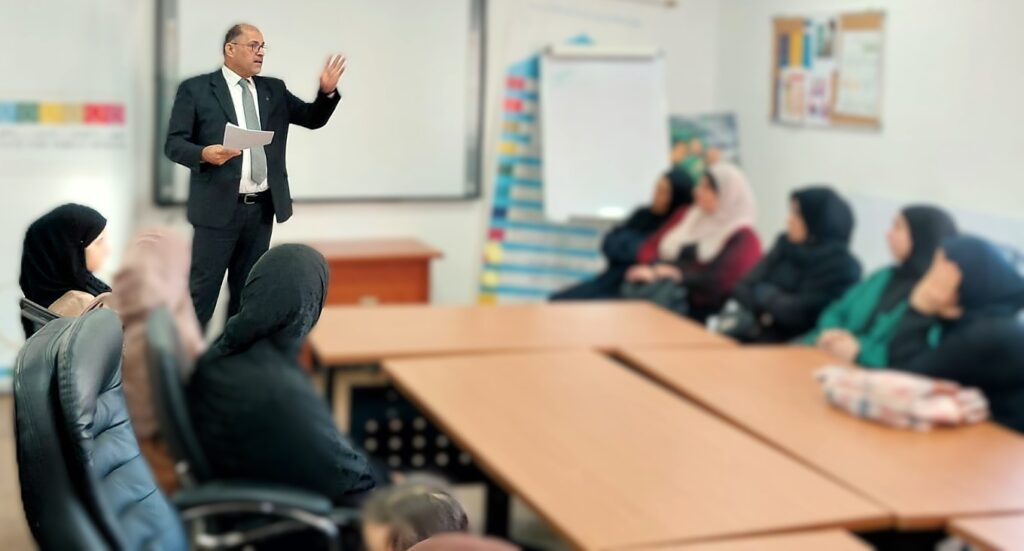
As part of its ongoing efforts to strengthen access to justice and promote legal and community-based prevention, the Arab Renaissance for Democracy and Development (ARDD) participated in five awareness-raising sessions held between July and September 2026 across Zaatari and Azraq refugee camps, Mafraq, Irbid, and Amman. Reaching more than 125 refugees and Jordanians, the sessions focused on raising awareness of the risks associated with drugs and cybercrime and providing practical guidance on prevention, protection, and response. Organized in coordination with UNHCR, the sessions brought together specialists from the Anti-Narcotics Department and the Cybercrime Unit of Jordan’s Public Security Directorate, alongside ARDD lawyers. This combination of specialized expertise, legal guidance, and direct community engagement enabled participants to better understand both the risks they may face and the resources available to address them. Through awareness presentations and open discussions, participants explored the legal and social risks associated with drugs and cybercrime, as well as ways to prevent incidents, report them, and reach the appropriate authorities. ARDD lawyers also provided guidance on relevant rights and legal procedures, responded to participants’ questions, and introduced ARDD’s free legal assistance and protection services, ensuring that those in need can continue to access legal advice and follow-up support. In this way, the sessions went beyond one-time awareness raising by connecting knowledge with practical pathways to protection and services. They strengthened the ability of individuals and families to identify and respond to risks while helping to establish prevention as an integral part of sustainable community protection. These efforts build on the longstanding partnership between ARDD and UNHCR , which dates back to 2010. Through this partnership, ARDD works to strengthen legal protection and access to justice for refugees and host communities, both inside and outside refugee camps, while connecting awareness activities with accessible legal services across Jordan. In the area of drug prevention, these efforts also complement ARDD’s role in the National Alliance for Combating Narcotics in Jordan, established in 2021 within the framework of the National Networks Forum for Supporting the Justice Sector. The Alliance brings together civil society organizations, government institutions, experts, and specialists to strengthen cooperation and support prevention, awareness, and community-based responses to drug-related challenges. Together, these efforts demonstrate the value of sustained cooperation among government institutions, international organizations, civil society, and local communities. By linking awareness with rights, early prevention, legal protection, and access to justice, such partnerships can help communities move beyond responding to risks toward becoming better equipped to prevent and address them.
In the Age of AI: What Should Tawjihi Measure for the Student of the Future?
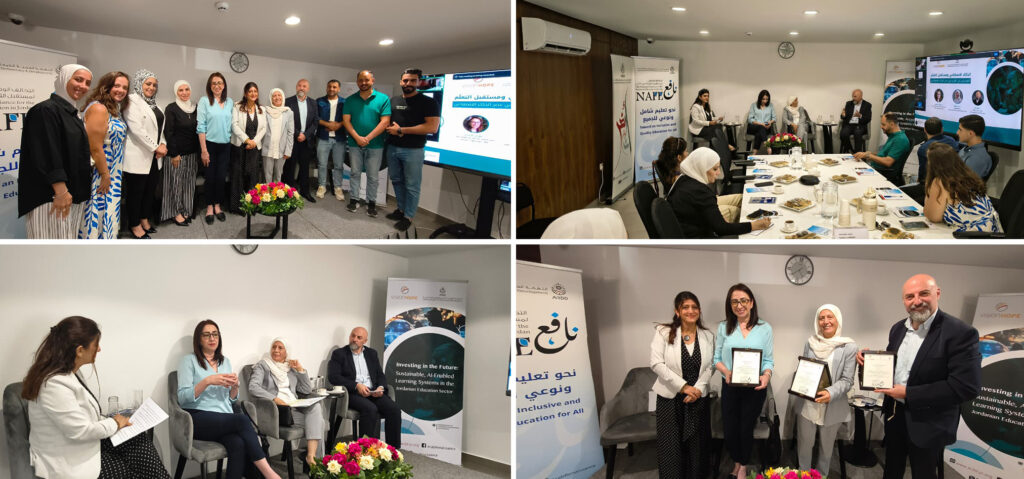
As artificial intelligence tools become an increasingly integral part of students’ everyday lives, the question facing Jordan’s education system is no longer simply whether these tools should be used. Rather, it is about what students need to learn, what knowledge and skills assessment methods should reflect to prepare them for the future, and how the roles of students and teachers can be preserved within a learning process whose tools are rapidly evolving. Against this backdrop, the Arab Renaissance for Democracy and Development (ARDD) convened a dialogue session on Tuesday, 1 September 2026, titled “Artificial Intelligence and the Future of Learning: Tawjihi in Jordan in the Age of AI.” The session was held as part of the AI and Innovation in Education Forum series, in coordination with the National Alliance for the Future of Education in Jordan (NAFE) and its AI Committee. The discussion focused on three interconnected themes: Tawjihi and assessment, students and artificial intelligence, and the role of teachers and the education system. The session was moderated by Eng. Zainab Al-Khalil, ARDD’s Education and Women’s Access to Justice Programs Manager, who posed a central question to participants: If artificial intelligence becomes readily available to every Tawjihi student, how can it support learning without replacing the learning process itself? And what does this mean for the objectives of Tawjihi, its assessment methods, and what the examination actually measures? From a practical perspective, Dr. Moataz Azer, Executive Director of the Digital Skills Association, stressed that the challenge goes beyond introducing technology into education. It is also about developing students’ approach to learning and their ability to understand, analyze, and learn from mistakes. AI can provide explanations, practice opportunities, and feedback, but its value ultimately depends on students’ ability to think critically, analyze information, and avoid automatically accepting its outputs. As he emphasized, “Getting a ready-made answer does not necessarily mean that learning has taken place.” Sahar Matarneh, an education sector expert, emphasized that making meaningful use of AI begins with investing in the foundations of learning, from literacy and numeracy to comprehension, analysis, exploration, and self-directed learning. She stressed that “having access to AI tools does not replace these fundamentals.” She also highlighted the importance of aligning the use of these tools with the realities of the education system and students’ needs, while taking into account the readiness of the learning environment and infrastructure and ensuring fair and equitable access for students across Jordan’s governorates. From the perspective of education and future skills, Suzan Qaddoumi, CEO of Al-Khwarizmi University Technical College, stressed that technological transformation does not diminish the importance of teachers. Rather, it reinforces their role in building students’ foundations, guiding their development, strengthening their skills and character, and preparing them for life and the labour market. She emphasized that “teachers cannot be replaced by artificial intelligence.” She also highlighted the importance of preparing students for the labour market, teaching them to use AI tools responsibly and respect intellectual property rights, and developing tools suited to the cultural and educational context and students’ needs, while enabling teachers to deliver knowledge in more interactive and effective ways. The discussion also highlighted the need to train teachers in the pedagogical use of artificial intelligence and to recognize differences among students in terms of skills, backgrounds, access to technology, and their ability to benefit from it. From Using AI to Rethinking Learning and Assessment The dialogue brought the discussion back to the fundamental purpose of the Tawjihi examination itself: If access to information and answers becomes increasingly easy, what should the examination measure in the future? Participants highlighted the need to develop assessment approaches that place greater emphasis on understanding, analysis, independent thinking, and the application of knowledge. This also requires distinguishing between situations in which AI can appropriately serve as a tool for practice, explanation, and feedback, and those in which students’ independent abilities should be assessed. The discussion further addressed the responsible and ethical use of artificial intelligence, information verification, intellectual property, training for both students and teachers, equitable access to technology, and the need to strengthen reliable Arabic-language content and educational resources. The dialogue concluded that integrating artificial intelligence into education is not simply a matter of providing new tools; it is a question of educational readiness. It requires students equipped with foundational skills and critical thinking, teachers capable of using technology effectively for educational purposes, and institutions able to ensure its responsible and equitable use. At the same time, it calls for rethinking the objectives of learning and what assessment tools should ultimately measure. In this sense, artificial intelligence does not place technology in opposition to traditional education. Rather, it opens the door to a broader question about the kind of education Jordan needs for the future, and how technology can strengthen learning without diminishing it. The session was held as part of the “Investing in the Future: Sustainable, AI-Enabled Learning Systems in the Jordanian Education Sector” project, implemented by the Arab Renaissance for Democracy and Development (ARDD) in partnership with Vision Hope International and in cooperation with Branches of Mercy. It also builds on NAFE’s role as a platform for coordination, knowledge exchange, and sharing expertise on the future of education and digital transformation.
From Assistance to Opportunity: What Do Women Really Need to Participate Meaningfully in Jordan’s Economy?
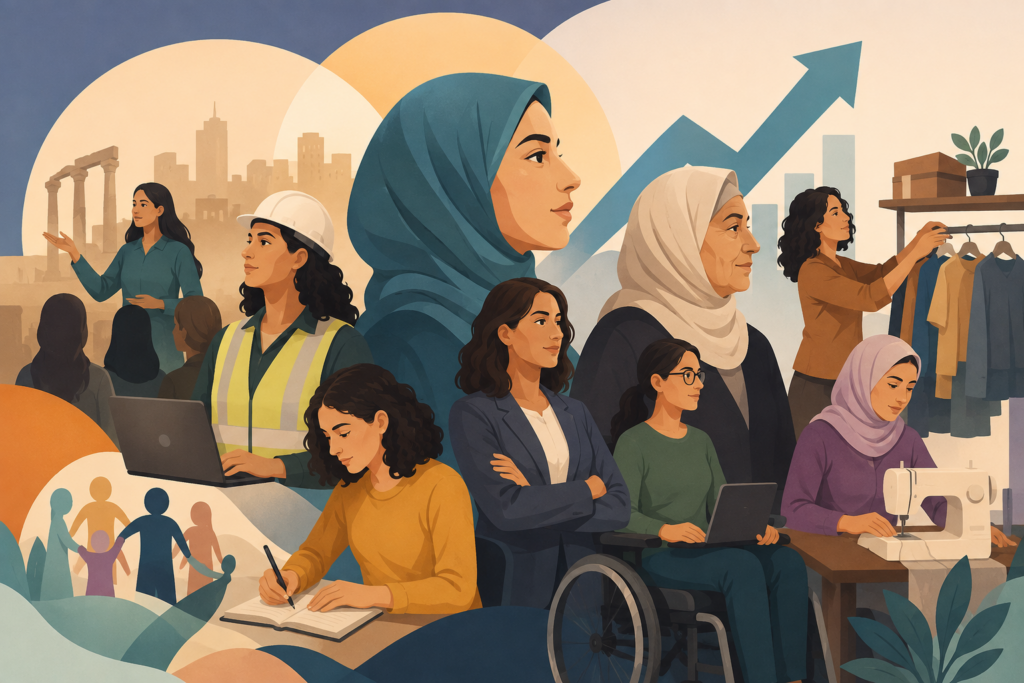
In Jordan, women pursue education, graduate from universities, build skills and ambitions, and seek opportunities in the labor market. Yet the vast majority remain outside it. This is a paradox that deserves closer attention. According to Jordan’s Labor Market Information System, women’s economic participation rate stood at only 14.8% in 2025, while 85.2% of women were economically inactive. Unemployment among Jordanian women reached 34.8% in the final quarter of the same year, compared with 17.2% among Jordanian men. More strikingly, education alone does not appear to explain this gap. Data from Jordan’s Department of Statistics for the third quarter of 2025 show that 50.6% of women in the labor force hold a bachelor’s degree or higher. The question, then, is: What is preventing qualified women from entering the labor market and staying in it? This question was at the heart of the perspectives shared by members of the Al-Nahda Women Network on women’s economic realities in Jordan and what needs to change. Many Efforts, but Are They Making a Real Difference? The message from participants in an opinion survey conducted by the Arab Renaissance for Democracy and Development (ARDD) was clear. Programs, initiatives, and efforts exist, but they remain insufficient in relation to the scale of the challenge. 93.8% of participants considered the current response to women’s economic challenges limited or inadequate. Half believed that efforts were moving in the right direction, but too slowly, while 43.8% said they had seen no tangible change. The challenge is not only the number of programs, but also how well they connect with one another. 68.8% of participants considered coordination among relevant stakeholders insufficient or entirely inadequate. A woman may receive training, but what happens if there is no job at the end of it? She may find employment, but what if her salary does not cover transportation and childcare? She may start a small business, but how can it grow or even survive if she cannot access finance or markets? This is why 87.5% of participants viewed improving women’s economic situation as a shared responsibility, with government leading on policy and civil society, the private sector, and other stakeholders playing an active role. Women Are Not Asking for Temporary Assistance, but for Opportunities That Last One of the clearest messages from participants was that women need more than short-term programs. They need the ability to earn a sustainable income and achieve greater economic independence. Decent and sustainable employment, support for businesses and entrepreneurship, better wages and working conditions, social protection, and affordable childcare therefore emerged as key priorities. Care, for example, is not simply a family matter separate from the economy. When a mother cannot access safe and affordable childcare, her ability to accept a job or remain in employment becomes limited, regardless of her qualifications. Jordan’s planned expansion of childcare services, including the establishment of 700 new facilities and the creation of around 1,000 jobs, therefore represents an important step if it is effectively linked to the needs of working women. The same applies to safe and affordable transportation, fair wages, contracts, insurance, and labor rights. Not All Women Face the Same Reality Women cannot be treated as a single group with identical needs. Participants identified women who are the primary breadwinners for their families as the group most affected by economic challenges, at 93.75%, followed by women with disabilities at 68.8%, and women working in the informal sector at 56.25%. Half of participants also highlighted women seeking employment and those working for low wages or in insecure jobs. This means that a one-size-fits-all approach will not be enough. A woman supporting her family has different needs from a graduate looking for her first job. A woman working in the informal economy faces different barriers from a small business owner or a woman with a disability trying to access the labor market. Meaningful empowerment begins by recognizing these differences and designing solutions around them. The Digital Economy Opens a Door, but Does Not Guarantee Access 62.5% of participants also pointed to an opportunity that should not be overlooked. They saw digital transformation as having contributed, to some extent, to women’s economic empowerment. Yet owning a smartphone or having access to the internet does not automatically mean being able to participate in the digital economy. Women need digital skills connected to real opportunities, as well as access to e-commerce, digital marketing, platforms, markets, and digital finance. When these conditions are in place, technology can help women overcome barriers related to location, mobility, and market access. But when skills, opportunities, and resources are not equally accessible, technology itself risks creating a new divide. No Solutions for Women Without Women This is perhaps one of the most important messages raised by participants. Women do not simply need programs designed for them. They need to be partners in shaping programs and policies from the outset. Women themselves understand the everyday barriers most clearly, from transportation costs and care responsibilities to low wages, limited access to finance, poor working conditions, and training that does not match the jobs actually available. Members of the Al-Nahda Women Network therefore call for a shift from treating women primarily as beneficiaries to recognizing them as partners in identifying problems, designing solutions, monitoring implementation, and evaluating results. This also requires better data on the women facing the greatest barriers, so that resources can reach those areas where they can make the greatest difference. From Fragmented Programs to a Real Ecosystem for Economic Empowerment Jordan does not necessarily need more stand-alone initiatives. What it needs is to connect existing efforts within a coherent approach. Employment is linked to wages. Wages are linked to transportation and care. Small businesses need finance and access to markets. Training should lead to real opportunities. And employment must come with social protection and rights that allow women to remain in the workforce. The perspectives of Al-Nahda Women Network members point to a connected set of priorities: decent and sustainable employment, stronger social protection, support for