The Future of Hai Jabal Amman Committee – CLOSER Jordan Local Proximity Network Advances Community-Led Priorities for Neighborhood Development
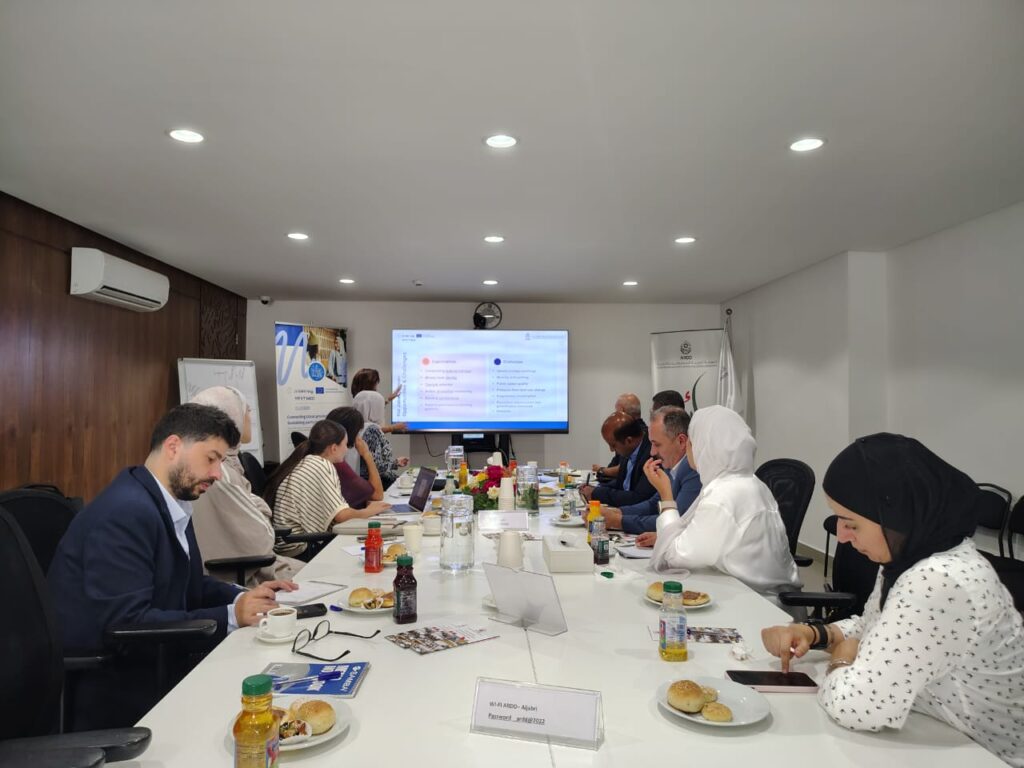
The Future of Hai Jabal Amman – CLOSER Jordan Local Proximity Network has taken a further step toward shaping a community-led approach to neighborhood development, identifying key urban priorities and agreeing on practical next steps to engage residents and translate these priorities into local action. Meeting for the second time on 12 August 2026, network members built on their initial discussions to examine Jabal Amman’s urban needs and explore how local actors can work collectively to address them. The meeting placed particular emphasis on community-driven solutions, stronger coordination among neighborhood stakeholders, and mechanisms through which residents can have a meaningful role in shaping local development. To strengthen its integration within Jordan’s broader civil society ecosystem, members agreed that the The Future of Hai Jabal Amman – CLOSER Jordan Local Proximity Network will serve as a supporting partner of the Jordan National NGO Forum (JONAF). This strategic alliance bridges local grassroots efforts with national platforms, creating vital opportunities for knowledge exchange while significantly accelerating the promotion and national-level replication of inclusive, participatory governance models. The network’s next step will be to take the priorities identified through its discussions directly to the wider Jabal Amman community through a hearing session. The session will provide residents with an opportunity to validate, challenge, and further shape the identified priorities before the network moves toward developing concrete local initiatives. Eng. Malak Suleiman, CLOSER National Coordinator in Jordan at the Arab Renaissance for Democracy and Development (ARDD), highlighted this progression: “Our discussions identified key urban priorities for Jabal Amman, but the network’s role goes beyond identifying needs. The next step is to bring these priorities back to the community through a hearing session, listen directly to residents, and work together to translate them into practical local initiatives.” Bringing together actors with different roles and perspectives in the neighborhood, the network includes representatives of public and municipal institutions, civil society, academia, international organizations, local communities, and the private and cultural sectors. Participants include representatives from the Greater Amman Municipality, the Ministry of Local Administration, the Ministry of Tourism and Antiquities, UN-Habitat, the German Jordanian University, the Jabal Amman Residents Association, Habibi Association, local community representatives, and other institutional and private-sector stakeholders. Through continued dialogue and collective action, the Jabal Amman Local Proximity Network aims to develop practical mechanisms for community participation and shared decision-making, while testing approaches that can contribute to more inclusive and responsive neighborhood development. The network was established within the CLOSER – Connecting LOcal proximity networks, Sustaining participatory govERnance project, with ARDD serving as the project’s national partner in Jordan. Funded by the Interreg NEXT MED Programme and implemented by partners from Jordan, Palestine, Lebanon, Italy, Spain, and Greece, CLOSER works to strengthen participatory governance by fostering collaboration among local authorities, civil society organizations, communities, and other local actors.
Enhancing Refugees’ Access to Justice: ARDD Highlights Its Legal Services in Zaatari Refugee Camp
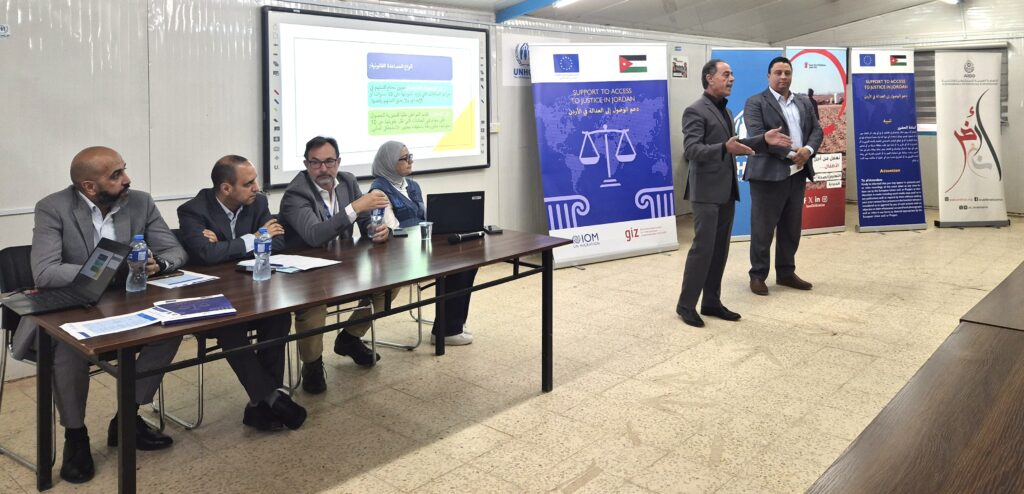
As part of ongoing efforts to strengthen refugees’ access to justice and legal protection in Jordan, the Arab Renaissance for Democracy and Development (ARDD) took part in an awareness session at Zaatari Refugee Camp on 19 August 2026, introducing refugees to available legal aid services and practical ways to access them. Organized by the International Organization for Migration (IOM) under its “Supporting Access to Justice in Jordan” project, the session brought together the Ministry of Justice’s Legal Aid Directorate, the United Nations High Commissioner for Refugees (UNHCR), and ARDD. It aimed to help refugees and other vulnerable groups better understand the legal services available to them, eligibility requirements, and the procedures for accessing assistance. The Ministry of Justice’s Legal Aid Directorate outlined its services, eligibility criteria, required documentation, and the steps for non-Jordanians seeking legal aid. UNHCR presented its role in providing protection and legal assistance to refugees, while ARDD focused on the free legal and protection services it provides inside and outside Zaatari Refugee Camp through its longstanding partnership with UNHCR Jordan. Representing ARDD’s team in Zaatari, lawyers Mohammad Al-Arid and Hamed Yaqoub engaged directly with participants on legal issues affecting their daily lives, answering questions about their rights, relevant procedures, and where to seek support. ARDD’s legal services are tailored to the circumstances of each case and include legal counselling, mediation, representation, and follow-up with official authorities. Support also covers civil documentation, personal status and Sharia court matters, labour and workers’ rights, procedures related to voluntary return, and other protection-related concerns. Alongside individual legal assistance, ARDD regularly conducts legal awareness sessions addressing issues that affect refugees and emerging legal developments. ARDD has maintained a legal presence in Zaatari Refugee Camp since 2012. Its team of lawyers and administrative staff works closely with relevant authorities and partners to follow up on cases and facilitate access to services, including through coordination with the Sharia Court, the Civil Status and Passports Department, the Family and Juvenile Protection Department, security authorities, UNHCR, and other organizations operating in the camp. This work builds on ARDD’s wider experience in legal protection and access to justice. Since 2010, ARDD has served as a legal implementing partner of UNHCR in Jordan in the framework of the Refugees Legal Protection Project, supporting refugees of different nationalities both inside and outside refugee camps and across the Kingdom, while also providing legal services to Jordanians in local communities. The session concluded with an open discussion, allowing participants to raise legal questions directly with the participating institutions and organizations. Beyond providing practical information, the exchange highlighted the value of coordination between public institutions, international organizations, and local civil society in ensuring that legal aid reaches those who need it and translates into meaningful access to rights and justice. ARDD values cooperation with IOM, the Ministry of Justice, and UNHCR in facilitating this exchange and remains committed to strengthening coordination to make legal protection and access to justice more accessible and responsive to refugees and vulnerable communities across Jordan.
Refugee Voices: Perspectives on Work, Protection, and the Future
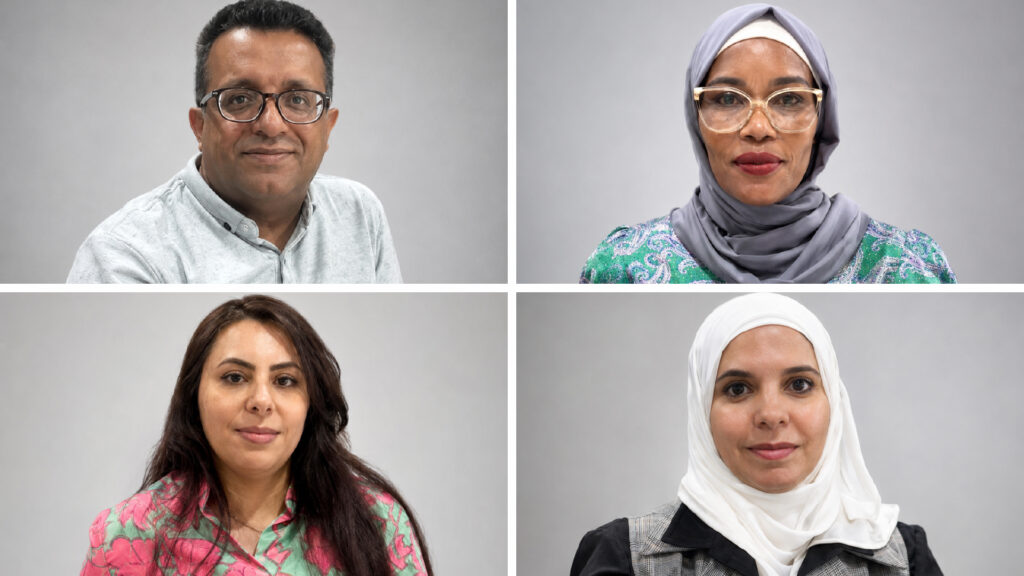
Refugees are frequently spoken about through statistics, policies, humanitarian programs, and institutional assessments. Yet understanding displacement also requires listening to those living through it. First-hand testimony can reveal what policies and humanitarian responses look like from the other side: the uncertainty surrounding a work permit, the difficulty of finding reliable information, the experience of unequal working conditions, or the hope of eventually returning home. Giving space to these voices is not simply about documenting individual stories; it allows refugees to articulate for themselves what matters, what is changing around them, and what they believe needs greater attention. These reflections emerge within Jordan’s long-standing role as a major refugee-hosting country, at a time when refugees, host communities, humanitarian actors, and national institutions are all navigating increasing economic pressures and declining humanitarian resources. The perspectives shared here reflect individual experiences and should not be understood as representative of all refugees or as institutional assessments of specific policies or actors. In conversations with Samia, Mohammed, Hadeer, and Bayan, four people with extensive experience within refugee communities and humanitarian work in Jordan speak about different aspects of displacement. Their testimonies do not present a single refugee experience. Instead, they offer four perspectives shaped by different backgrounds, concerns, and aspirations. Samia: “No one chooses to become a refugee” Samia, a Sudanese medical doctor, has extensive experience in refugee advocacy and humanitarian work. She volunteered with a UN Refugee Agency from 2009 to 2012 and served as a National Ambassador from 2012 to 2017, while also holding the role of Jordan Youth Ambassador. She has collaborated with ARDD since 2010 and worked with several other organizations supporting refugees and asylum seekers. Her message begins with how refugees are perceived. “No one chooses to become a refugee. We are human beings like everyone else, and all we ask is to be treated with dignity and respect.” For Samia, refugees should be recognized as equals rather than looked down upon because of circumstances they did not choose. She also describes insecurity surrounding work permits and protection. According to Samia, non-Syrian refugees who renounce their refugee status to obtain a work permit lose UNHCR protection and, if the permit is subsequently cancelled, may face risks of legal or residency consequences or deportation for working illegally. She says this leaves people fearful of losing both their legal status and the protection on which they depend. Her own motivation comes from helping people who may have few other places to turn. “Many refugees have no one abroad who can support them. When we can help, even in a small way, it reminds me why this work matters.” She explains that many people simply want to feel heard and understood. For those without relatives or friends abroad able to provide financial assistance, even limited community support can make a meaningful difference. Mohammed: The need for answers and a direct voice Mohammed began volunteering in Jordan in 2015 and has supported refugees since 2016 through humanitarian organizations and his own community initiatives. Asked what support refugees are missing, his response is stark: “Everything. Everything has become non-existent.” His answer reflects the severity with which he perceives the contraction of available support and opportunities. He points in particular to concerns around protection, education, psychosocial support, basic needs and access to livelihoods. He also raises concerns about age-related eligibility criteria that, in his experience, can limit access to certain livelihood or employment opportunities for refugees who remain willing and able to work. A substantial part of his testimony, however, concerns information and communication. He describes refugees approaching community volunteers with questions about their UNHCR registration and expecting answers or solutions. Volunteers often cannot provide them because they cannot speak for UNHCR or the government without first verifying the information. Mohammed also speaks candidly about the emotional burden this places on volunteers themselves. During a recent meeting with UNHCR representatives, he says community volunteers sought further clarification on recent developments affecting work permits, eligibility, asylum documentation and the implications these may have for refugees. They also proposed additional opportunities for refugees to engage directly with UNHCR representatives. For Mohammed, this direct contact matters. “We hope our voices reach those who can unify the supporting efforts in general.” He also notes the value donors increasingly place on hearing directly from refugees, alongside information provided through implementing organizations. His final message is similarly direct: “We hope whoever reads this looks at us with a human eye. We hope that the refugee is seen not as a refugee, but as a human being, regardless of ethnicity, leanings, nationality or category.” Hadeer: “To be able to go home” Hadeer is Iraqi and has worked in the humanitarian sector since 2016, including with a Refugee INGO, supporting refugee communities through humanitarian programs. Her testimony focuses on a specific barrier to self-reliance. Building on Mohammed’s concerns about age classifications, Hadeer similarly questions age-related eligibility criteria that she says can exclude some working-age refugees from particular opportunities, despite their willingness and ability to work and support their families. She questions how people who are still capable of working and supporting their families can be excluded from opportunities to do so. In her view, such classifications create unnecessary barriers for refugees trying to become self-reliant and rebuild their lives. When the conversation turns from immediate challenges to what she wants for the future, however, Hadeer needs only a few words: “To be able to go home.” Bayan: When access to work does not mean fair work Bayan arrived in Jordan from Syria in 2014. Her humanitarian experience includes supporting unaccompanied and vulnerable children with another Refugee INGO and delivering life-skills and capacity-building programs for adults. Her testimony turns the conversation toward the conditions refugees can face once they enter the labour market. “There’s a lot of injustice toward refugee workers in general, and wages are pushed down.” Bayan says refugees may not receive sick pay and can earn less than other employees performing the same work. Bayan describes practices she has observed among
RSC Summer Course hosts guest speaker Dr. Oroub El-Abed
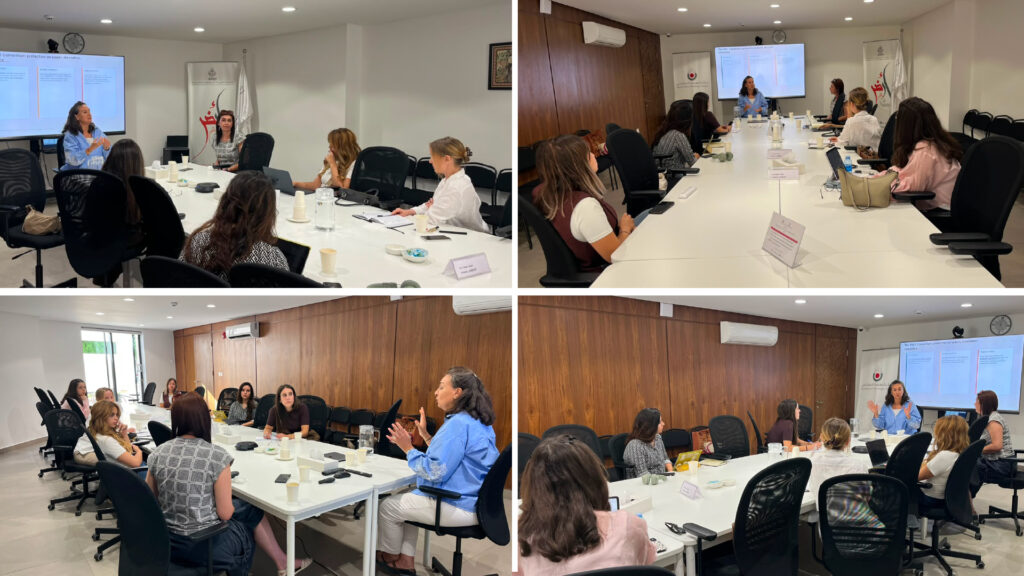
Withing the framework of the RSC Summer Course on International Politics in the SWANA Region: Colonial Legacy, Displacement, and Humanitarian Governance, organized by the Renaissance Strategic Center (RSC) at the Arab Renaissance for Democracy and Development (ARDD) in partnership with Birzeit University, the course was hosted Dr. Oroub El-Abed, as a dedicated and distinguished academic and researcher, in a guest lecture on refugees and displacement in the Arab region. Dr. Oroub El-Abed’s work centers on the deeply human stories behind forced migration and refugee rights in the Middle East, as she represents an influential, authoritative voice in international displacement studies. Today, she shapes the next generation of thinkers as an Adjunct Associate Professor at Birzeit University, while simultaneously driving critical on-the-ground research as the Regional Lead for the Center for Lebanese Studies, bridging the gap between rigorous academic analysis and fierce human advocacy. During the session, Dr. El-Abed examined the intricate economic, political, and social structures that govern refugee movement, focusing on the roles of conflict and regional labor markets. She emphasized that for refugees, essential work often comes with significant restrictions and minimal protection. One of the highlights of the lecture was its commitment to centering the lived realities of individuals navigating displacement, rather than relying solely on statistics. Personal anecdotes and specific narratives raised crucial questions about the conditions under which refugees can work and how they are integrated into economies without full rights or security. A student reflected, “I appreciated how this lecture challenged the simplistic legal categorization of refugee experiences, emphasizing their roles as economic actors rather than just recipients of aid.” This lecture connected closely with many of the wider themes of the course, including displacement, labour, and political economy. “We are incredibly grateful to Oroub El-Abed for her thoughtful session that encouraged us to see refugees not only as recipients of aid, but also as workers, family members, and autonomous individual actors, navigating difficult political and economic systems.”
Trapped Behind the Scam: The Globalizing Nexus of Human Trafficking and Fraud
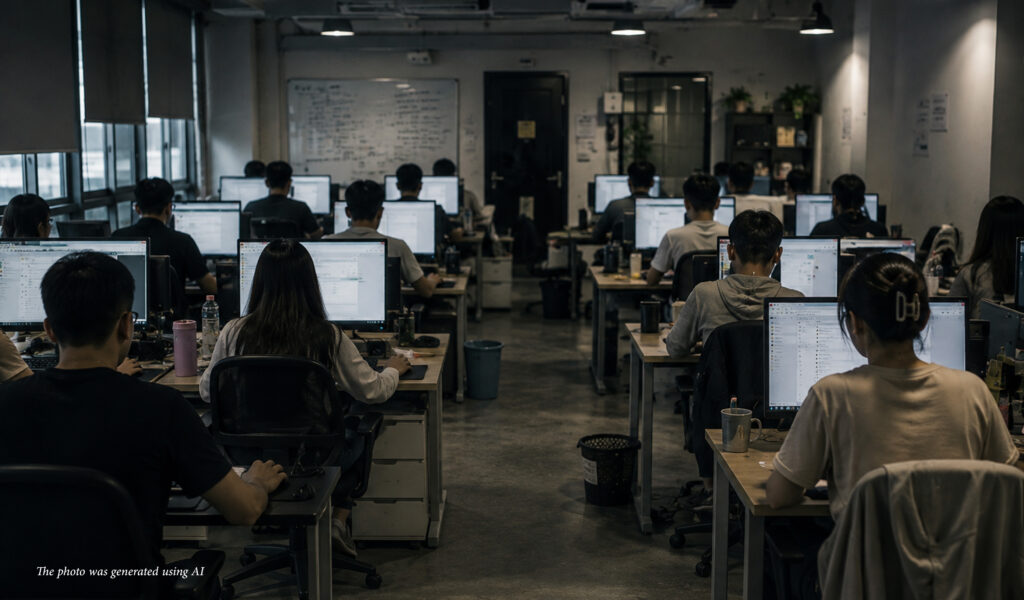
By Sebastian Spadafora, RSC intern In July 2025, the independent Jordanian newspaper Al Ghad reported a raid on a compound in the city of Irbid. Jordanian investigators had opened it as a joint case between the cybercrime unit and the anti-trafficking unit, treating it from the outset as both a suspected financial fraud operation and a possible trafficking case: fake investment applications that promised real returns and vanished the moment funds were deposited. What they found were 15 individuals of Asian nationality running the scams. INTERPOL later confirmed what the investigators had only suspected: the workers had themselves been trafficked, recruited under false job promises, stripped of their passports on arrival, and forced to work under threat. Two suspected organizers were arrested. This raises an uncomfortable question: how many people, right now, are being abused, sold and forced to run these scams, in cases that haven’t yet been found? A Growing Global Crisis This is not an isolated case. Online scam operations have surfaced across nearly every region, though the forced criminality powering these scams has remained heavily concentrated in one place: Southeast Asia, where 74% of identified scam-center trafficking victims worldwide were brought, according to INTERPOL. These scams have caused between US$18 billion and US$37 billion in losses in East and Southeast Asia in 2023 alone, according to the UNODC. By early 2025, INTERPOL’s own data showed victims from 66 countries had been trafficked into online scam centres, with no continent left untouched. Human trafficking and online fraud have merged into an interconnected global criminal economy, no longer confined to its dominant hubs in Southeast Asia, expanding to the Middle East and West Africa. Irbid is a small data point against numbers like these, but this case exactly shows that this industry, which has predominantly been a regional problem, is becoming a global one. On the 30th of July, the UN marks World Day against Trafficking in Persons, and this year’s theme names that same nexus directly: “Trapped Behind the Scam”. The day draws attention to a rapidly expanding form of trafficking, one in which organized groups traffic people into forced criminality, coercing them to run industrial-scale financial fraud on victims around the world. At ARDD, a civil society organization founded in Jordan, we are writing this because this problem no longer belongs only to headlines about Cambodia or Myanmar. It describes something that has already happened inside our own borders, once – that we know of. Not everyone who works in these operations is trafficked. Some choose the work, understanding what it is, and in some cases are paid highly for it. This piece is about the people who did not choose it: those who were deceived, coerced, and trafficked into running these scams. It turns to the original hub of Southeast Asia, where years of documentation and survivor testimony show what these operations look like once fully established: who they recruit, how they’re run, and why, even after crackdowns, they keep spreading. Inside the Scam Centres of Southeast Asia Almost every account begins the same way, with a job offer that looks too good to pass up. Amnesty International interviewed a Thai woman named Lisa. She was 18, looking for work during a school break, and was offered a high salary in administration and shown pictures of a swimming pool. Upon arrival, she was taken across the border to Cambodia, where she spent 11 months working against her will in different online scam compounds under the threat of violence, forbidden to leave, and constantly monitored by security guards. The Associated Press documents a similar case. Safeer Mohammed Koorimannil and his best friend had responded to a job offer encouraging tourism to Thailand. However, upon arrival in Bangkok, a car took them not to a hotel but to the border with Myanmar, where armed men took them across. A testimony by Abdus Salam shows how personal these networks can be: recruitment doesn’t always come from a stranger. While living a self-described ordinary life in Bangladesh, with an Engineering degree, Abdus was looking for a job to support his family when one of his closest school friends reached out and offered him a well-paying job in Cambodia. Upon arrival, his passport was taken under the pretext of extending his visa and providing a work permit, after which the broker was paid a large sum of money by his new employer, and he was driven to a compound far from the capital. Some victims, once trapped, are made to do the same to others: recruiting friends and family into the same deception, sometimes by force, sometimes for pay. These three stories are not exceptions; they are examples of an industry that currently holds an estimated 300,000 people in scam centers across Southeast Asia, most of them lured in the same way, with fraudulent job offers, most often for roles in online casinos, customer service, and financial trading. In these scams there are two victims: those trafficked into running them, and those defrauded by them. Trafficked workers are made to approach strangers online, slowly drawing them into what feels like a real friendship or romance, a process known as “pig butchering”. Once enough trust is built, the conversation turns to money: an investment opportunity, a cryptocurrency platform, a chance to grow their savings together. Abdus Salam recalled the fake trading apps he was forced to use, available only in English, Simplified Chinese, and Traditional Chinese, built entirely around the person being targeted, not the person running them. He was promoted to Team Leader after successfully convincing a target to invest. Being good at this was not a choice, as failing came at a price. Just as friends were made to recruit friends, skilled victims were made to train, lead, and trap others in turn. Some worked at an industrial scale. On a single shift, Koorimannil impersonated fictional women across dozens of profiles at once, chatting with more than a hundred people simultaneously. In one month, he was made to
ARDD Concludes CLOSER Regional Training Camp on Participatory Governance, Advancing Mediterranean Dialogue on Local Governance and Collective Action
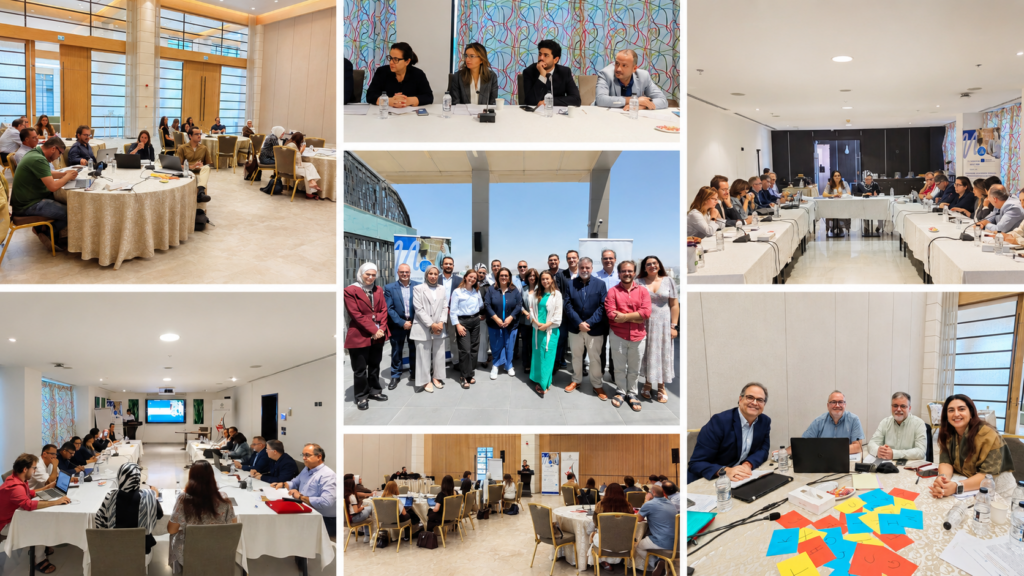
The Arab Renaissance for Democracy and Development (ARDD) concluded the International Training Camp: “From Local Proximity Networks to Collective Action: Strengthening Local and Cross-Border Participatory Governance,” held from 19–23 July 2026 in Amman within the framework of the CLOSER – Connecting Local proximity networks, Sustaining participatory govERnance project under the Interreg NEXT MED Program. Hosted by ARDD, the regional gathering brought together -25 participants- including project partners, local authorities, civil society organizations, and community representatives from Jordan, Palestine, Lebanon, Italy, Greece, and Spain, to exchange experiences and strengthen regional cooperation on participatory governance. The five-day camp provided a platform for comparative learning and policy dialogue on participatory governance, localization, and community-led development. Through interactive workshops facilitated by CLOSER partners, technical exchanges, and collaborative planning sessions, participants examined how locally grounded governance approaches can contribute to more inclusive, responsive, and resilient public institutions while strengthening partnerships between local authorities, civil society, and communities. Hosted under ARDD’s Good Governance Program and in collaboration with Greater Amman Municipality (ARDD’s Associated Partner under CLOSER), the training camp reflected the organization’s longstanding commitment to advancing participatory governance through evidence-based programming, regional cooperation, and policy dialogue. It also drew on the analytical work of the Renaissance Strategic Center (RSC), whose research on governance, civic participation, and localization has sought to bridge policy and practice while contributing to regional conversations on inclusive governance and institutional resilience. Eng. Malak Suleiman, CLOSER National Coordinator at ARDD, said: Embodying the collaborative spirit at the heart of the CLOSER project, designing and hosting this training camp served to translate cross-border cooperation into a practical blueprint for Mediterranean governance. By bringing together practitioners from six nations, we moved beyond passive knowledge-sharing to co-designing actionable tools that bridge local proximity networks with institutional strategy. This camp demonstrated that aligning local authorities, civil society, and communities seamlessly connects local realities to a unified, resilient Mediterranean framework for collective action.” The camp opened with discussions of the foundations of participatory local governance, then examined inclusive governance as a prerequisite for sustainable local development. Dr. Salma Nims, an expert on gender and public policy, explored how governance systems become more effective when they systematically incorporate gender-responsive approaches and create meaningful opportunities for women, young people, and marginalized communities to participate in decision-making. Her contribution emphasized that inclusion is not an additional dimension of governance reform but an essential condition for effective and accountable institutions. “Transforming participatory governance from a series of ad-hoc exercises into a core institutional standard is vital for long-term governance resilience. When local authorities systematically embed inclusive community evidence into policy-making and budget planning, they don’t just consult citizens; they elevate public trust, optimize resource allocation, and build inherently accountable institutions.” Al Nims noted. Building on these discussions, Dr. Mariam Abu Samra, Head of the Renaissance Strategic Center (RSC), examined governance through the lens of localization and multi-level governance frameworks. Drawing on comparative experiences from the Arab region, she highlighted the importance of strengthening the relationship between institutions and communities while enabling locally driven priorities and knowledge to inform governance processes. Her session underscored that localization extends beyond administrative decentralization to encompass participatory approaches that reinforce accountability, social cohesion, and collective ownership of development processes. Dr. Mariam Abu Samra said: “Localizing governance is not merely about transferring administrative tasks; it is about reorganizing power, authority, and resources so local actors actively shape the decisions that impact their communities. The challenge we face today is not choosing between local, national, or regional governance, but building interactive systems in which each level strengthens the others” Partners also engaged in technical sessions on stakeholder mapping, territorial assessments, governance challenges, participatory methodologies, and strategic planning, sharing experiences from the six participating countries and reflecting on the opportunities and constraints facing Local Proximity Networks (LPNs) in diverse political, institutional, and social contexts. These exchanges highlighted the value of comparative learning and peer dialogue in strengthening locally adapted governance approaches. The camp further benefited from the contribution of Sir Charles Petrie, international governance expert and former United Nations Assistant Secretary-General, who joined participants virtually to discuss the transition from civic activism to participatory local governance. Reflecting on international experiences in fragile and transitional settings, he emphasized the importance of building trust between institutions and citizens and of embedding participation within governance systems capable of responding to evolving local needs. “Supporting participatory systems of local governance is no longer an exercise in democratic idealism; it is the most realistic pathway toward rebuilding resilient and legitimate states. International peacebuilding must move beyond the obsolete premise of top-down centralization and recognize that durable peace begins where trust is earned and services are delivered: at the local level.” He added. A central milestone of the week was the Regional Roundtable on Participatory Governance Best Practices, jointly organized by ARDD and the University of Alicante. The roundtable brought together practitioners, ministries, , municipalities, private sector representatives and civil society representatives to reflect on emerging governance practices from across the Mediterranean. Discussions highlighted the importance of adapting governance models to local contexts while fostering regional learning, knowledge exchange, and collaboration across institutional and geographic boundaries. The session also highlighted a number of best practices from Jordan. These included the Diwanieh Public Debate Initiative, presented by Dr. Sami Hourani, as a compelling example of participatory governance and civic dialogue; Himmetna Health, presented by Dr. Fadia Samara, showcasing a participatory implementation and service-delivery partnership model; and the Queen Noor Park – Al Hashmi Al Janoubi initiative, presented by Eng. Aya Hammad from UN-Habitat, as an example of community-led public space development. As the Representative of the University of Alicante, Fulgencio Cerdá, Mayor of Villena commented: “True participatory governance begins in our municipalities, where public policy meets the daily realities of citizens. Collaborating with institutions like ARDD and the University of Alicante allows us in Villena not only to share our local experiences, but to learn from municipal leaders and practitioners across the Mediterranean, ensuring our local governance models are stronger, more inclusive, and resilient.” Where the
IIMP Visits ARDD to Engage with MARFA on Shared Priorities
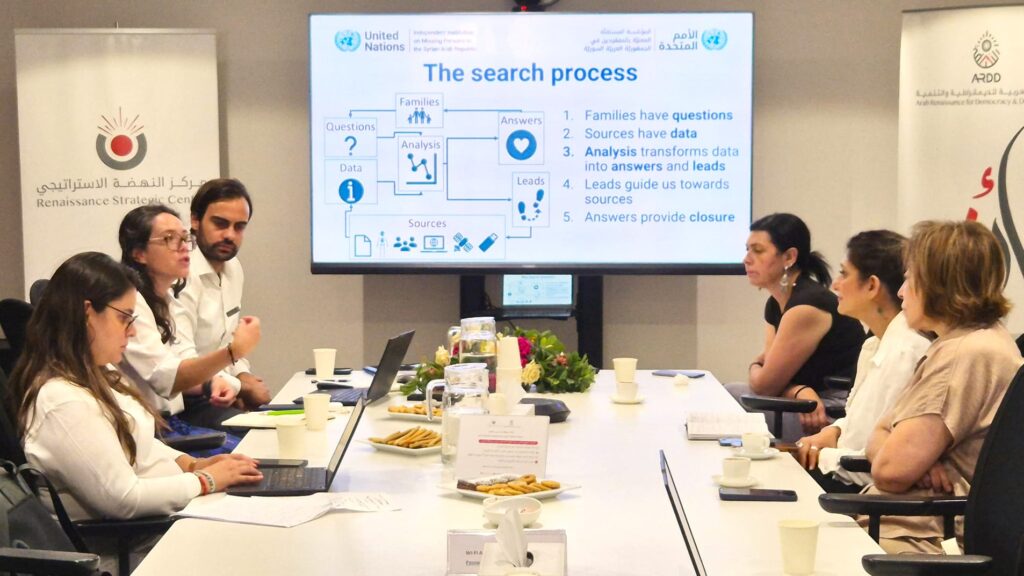
On 15 July, the Arab Renaissance for Democracy and Development (ARDD) welcomed representatives of the Independent Institution on Missing Persons in the Syrian Arab Republic (IIMP) during the Institution’s second mission to Jordan. The meeting brought together members of the Migration and Refugee Forum for the Arab World (MARFA), as a space for dialogue, mutual learning, and exchange on the issue of missing persons in Syria. It provided an opportunity for IIMP to introduce its mandate and ongoing work to regional civil society actors, while drawing on MARFA members’ collective knowledge, experience, and long-standing engagement with displaced communities across the region. Established through a United Nations General Assembly resolution in 2023 following sustained advocacy by victims and families, IIMP is mandated to clarify the fate and whereabouts of missing persons in Syria and to support their families. With an estimated 100,000 people still missing, the Institution works by bringing together information from families, civil society organizations, international actors, and governments in pursuit of truth, dignity, accountability, and the rights of those affected. The discussion highlighted the essential role of regional and local civil society in ensuring that the experiences, priorities, and voices of affected families remain at the centre of international efforts. Participants reflected on the knowledge accumulated by ARDD in Jordan through years of accompanying refugees and displaced Syrians, discussing the legal, social, and protection challenges faced by families of missing persons, existing community outreach efforts, and ways to strengthen awareness of the mechanisms available to them. The dialogue also explored the far-reaching consequences of disappearance, which extend well beyond the loss of a loved one. Families often face complex legal obstacles related to inheritance, guardianship, civil documentation, and access to rights and services, while women frequently bear additional social and economic responsibilities in the prolonged absence of family members. Participants emphasized that disappearance is not only a humanitarian issue but also a profound legal, social, and psychological reality that leaves families suspended in uncertainty. The human dimension of these challenges was illustrated when a Syrian community leader shared the story of his brother, who disappeared during the conflict and has never been located. During the meeting, IIMP explained the process for opening a case, enabling him to begin documenting the disappearance and to better inform others in his community who may wish to engage with the Institution. The exchange underscored the importance of trusted community networks in connecting families with available mechanisms while ensuring that their experiences and agency remain central. The meeting reaffirmed a shared commitment to placing the rights, dignity, and voices of families of missing persons at the heart of ongoing efforts. It also highlighted the importance of sustained dialogue between international mechanisms and regional civil society, recognising that meaningful progress depends on listening to affected communities and building on the knowledge, trust, and experience of those who have long worked alongside them.
A Dollar for the Future: What this World Cup Could Leave Behind for Education

By Jules Dupuy, RSC Intern On 16 June 2026, in the San Francisco stadium, Ali Olwan scored Jordan’s first-ever goal at a FIFA World Cup. For a few seconds, across the entire country, this global mega-event stopped being something watched from a distance and became something lived. His goal was part of a wider and unprecedented moment: for the first time in the tournament’s history, eight Arab nations (Algeria, Egypt, Iraq, Jordan, Morocco, Qatar, Saudi Arabia, and Tunisia) were competing on football’s biggest stage, double the previous record. Never has the World Cup felt so tangibly a popular event for Arab countries. This edition of the tournament carries another novelty that has received less attention than the goals: FIFA has announced that, for every ticket sold across the 104 matches in the United States, Canada, and Mexico, one US dollar will be directed to the FIFA Global Citizen Education Fund. The fund aims to raise 100 million dollars by the final on 19 July, to be channelled into grassroots education and sport programmes for children in underserved communities worldwide, with grants of up to 250,000 dollars available to community-based organisations. The World Cup ends, but the need for education remains The World Cup is coming to an end on 19 July and the Arab teams have already returned home. By allowing 48 teams to participate for the first time, this format has transformed the World Cup into a tangible popular event for many Arab countries. What the tournament has not changed, however, is another reality: according to UNICEF, around 30 million children across the Middle East and North Africa remain out of school, while six in ten cannot read and understand a simple text by the age of ten. Jordan offers a clear illustration. Its public schools have welcomed hundreds of thousands of refugee children, yet more than 112,000 children remain outside basic education, many young refugees never reach secondary school, and half a million Palestine refugee children across the region continue to depend on UNRWA schools despite persistent funding challenges. Rooted in a holistic vision of education, ARDD’s approach links learning opportunities with poverty reduction, protection, and social cohesion. Through Investing in the Future, implemented with Vision Hope International, ARDD combines inclusive education with legal protection for overlooked refugee communities and vulnerable host families in Jordan. Its extension, Investing in the Future with Artificial Intelligence, prepares young people for a changing labour market, while the National Alliance for the Future of Education in Jordan (NAFE), founded in 2017, brings practitioners and public institutions together to advance reform at the national level. Through field presence in Jordan, ARDD’s experience reflects the simple lesson that commitment to education is about creating the conditions for long-term social transformation. And what better example than football itself ? Success on the pitch is the result of sustained investment in the sporting education of young people. Morocco’s historic run to the 2022 World Cup semi-finals owed a lot to the Mohammed VI Football Academy, opened near Rabat in 2009, which trained several of the players, from Youssef En-Nesyri to Azzedine Ounahi, who carried the national team to that milestone. Turning a moment into a model For every ticket sold during the tournament, one US dollar will be directed to the FIFA Global Citizen Education Fund. One dollar is a small amount compared with the price of some match tickets and the revenues generated by the World Cup. And, as with any large-scale fund announced from a large stage, tangible results take time to reach classrooms and the children they are intended to benefit. Yet, this initiative deserves above all to be judged for what it is, for its very design. The principle itself, a solidarity percentage on tickets sold, is not new. What is notable is that this well-established principle has now been brought into the very heart of a mass popular event. And precisely because the mechanism has already proved itself elsewhere, it deserves our region’s attention. A place where educational needs remain pressing, but also where the capacity to mobilise solidarity is immense. Beyond football, the Arab world’s cultural landscape offers similar opportunities. Arab world has its own great gatherings Every summer, among the Roman colonnades of one of the Levant’s most spectacular archaeological sites, the Jerash Festival for Culture and Arts turns the ancient city of Jerash into a living stage, bringing together hundreds of artists and an important audience. Held under royal patronage in the last days of July and the first days of August, its 39th edition alone brought together more than 235 artistic, cultural, and literary events, concerts by leading Jordanian and Arab performers, theatre, poetry evenings, with participants from 37 countries. Each edition draws an audience of around 150,000 people. Further south, Saudi Arabia’s cultural seasons and festivals now attract millions of visitors. Riyadh Season alone drew more than 16 million visitors in its 2024 edition, according to the Saudi General Entertainment Authority, and the Kingdom’s entertainment sector as a whole has recorded over 75 million event attendees in the past five years. From the Arab Cup to the region’s film festivals, from the book fairs of Cairo and Sharjah to the concerts that fill the amphitheatres of Carthage and Baalbek, the Arab cultural calendar is dense, popular, and growing. Each of these events already has something essential by bringing in an audience, gathers people by celebration and a shared sense of belonging, precisely the base for a solidarity mechanism. A small contribution attached to each ticket, one dinar, one riyal, one dirham, and channelled transparently towards education programmes for vulnerable youth in the region, would give concrete meaning to popular events. This type of initiative could even attract the attention of the participants, who would be happy to know that part of the price of their evening serves a purpose larger than the performance itself. Finally, there would be one difference with the World Cup’s initiative, and it speaks in the region’s favour. The dollar attached
ARDD Launches the CLOSER–Jordan Local Proximity Network to Advance Participatory Governance
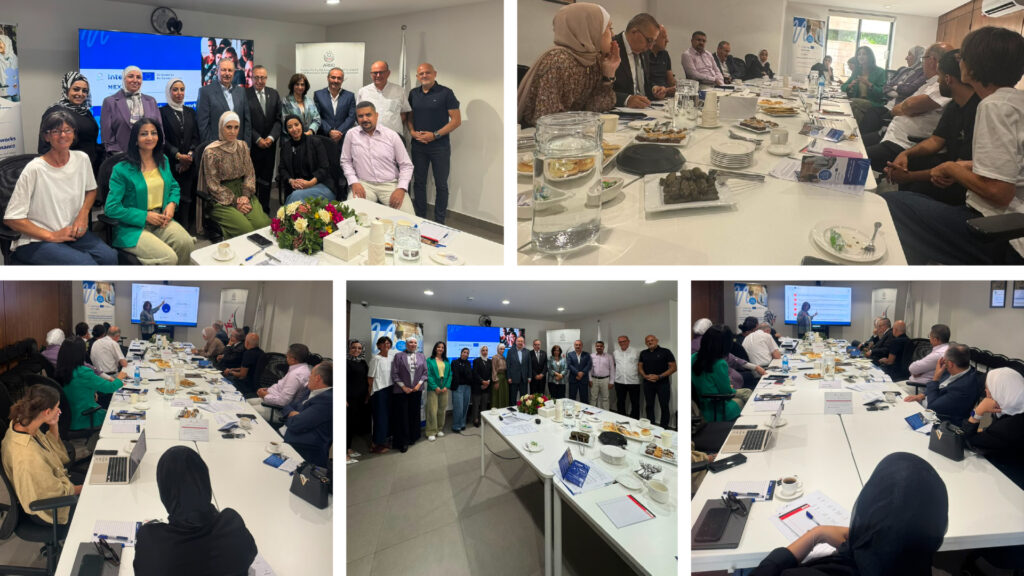
AMMAN, JORDAN – Under the framework of CLOSER – Connecting LOcal proximity networks Sustaining participatory govERnance, the Arab Renaissance for Democracy and Development (ARDD) convened the inaugural meeting of the CLOSER–Jordan Local Proximity Network on 6 July 2026. Building on the experience of the Future of Jabal Amman Committee, the network positions Jabal Amman as a pilot site for exploring participatory governance approaches that strengthen cooperation between local communities, public institutions, civil society, academia, and the private sector. The initiative seeks to establish practical mechanisms for dialogue, collective action, and shared decision-making, while supporting more inclusive and responsive approaches to urban development and local governance. Reflecting its collaborative and multi-sectoral character, the network brings together representatives from public and municipal institutions, civil society organisations, academia, international organisations, local communities, and the private and cultural sectors. Participants include representatives from the Greater Amman Municipality, the Ministry of Local Administration, the Ministry of Tourism and Antiquities, UN-Habitat, the German Jordanian University, the Jabal Amman Residents Association, Habibi Association, and local community representatives. The network also includes H.E. Michael Nazzal, Al-Zoumorodah for Artifacts, Jabal Amman Publishers, and Leaders of Tomorrow through its Souq Fann platform. This diverse composition reflects a shared recognition that sustainable urban development depends on partnerships that connect institutional mandates and technical expertise with community knowledge, local experience, and civic leadership. During the inaugural meeting, members discussed an initial roadmap focused on identifying and exchanging local and regional good practices, strengthening cooperation among participating stakeholders, and exploring how effective community-led governance approaches may be adapted within their respective institutions and local contexts. Commenting on the launch, Eng. Malak Suleiman, CLOSER Project Manager at ARDD, said: “The CLOSER–Jordan Local Proximity Network aims to contribute to the development of locally driven governance models that place communities at the centre of urban planning and public policy, while generating practical lessons that can inform broader efforts toward participatory and decentralized development in Jordan and the wider region.” Through the network, ARDD seeks to support sustainable neighbourhood-level models in Jabal Amman while contributing evidence and practical experience that may inform participatory governance efforts in other areas of Jordan and across the Mediterranean region. About CLOSER CLOSER – Connecting LOcal proximity networks Sustaining participatory govERnance is funded by the Interreg NEXT MED Programme and implemented by partners from Jordan, Palestine, Lebanon, Italy, Spain, and Greece. The project aims to strengthen participatory governance by fostering collaboration between local authorities, civil society organisations, and communities to co-create inclusive public spaces and sustainable, locally led development policies.
Children Under Attack: A Cascade of Vulnerability
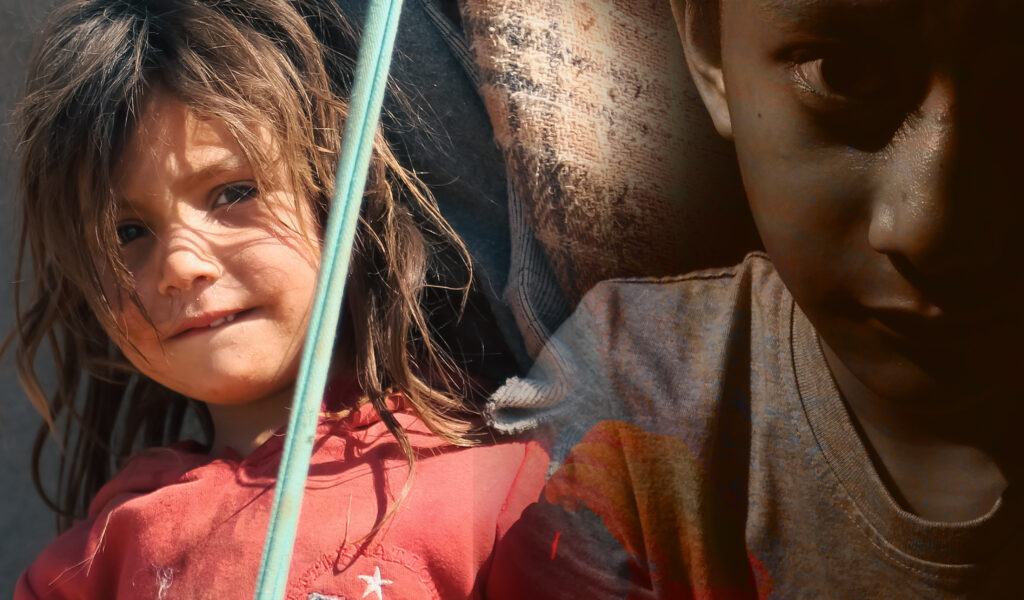
By Giulia Zorzo, RSC Intern June serves as a critical month for reflection and global humanitarian advocacy, bringing together three pivotal United Nations observances: the International Day of Innocent Children Victims of Aggression (June 4), the World Day Against Child Labour (June 12), and World Refugee Day (June 20). Together, these occasions highlight the interconnected forms of violence that affect one of the world’s most vulnerable groups: children. Today, 412 million children live in extreme poverty, many more lack necessities, and more than 1 in 5 children worldwide live in conflict-affected settings, where violence disrupts every aspect of their lives. Between 2010 and 2024, the number of children displaced by conflict and violence nearly tripled, rising from 17 million to 48.8 million. Violence acts as a catalyst for mass displacement, producing a global crisis where millions of children are uprooted from their homes. Families forced to flee enter a state of economic and legal precarity that pushes them towards desperate survival strategies. As a consequence, children become victims of predatory labor markets that currently trap 138 million children globally, also making them exponentially susceptible to abuse and violence. The Legal Framework: Pillars of International Child Protection The international community has constructed, over the years, a multi-layered legal framework designed to safeguard children from the intersectional shocks of conflict, labor exploitation, and displacement. The Foundation: The UN Convention on the Rights of the Child (CRC, 1989), enjoying near-universal ratification, codifies a comprehensive spectrum of civil, political, economic, social, and cultural rights, explicitly underpinned by the principle of the “best interests of the child” (Article 3). Armed Conflict: The UN General Assembly Resolution 51/77 (1997) formally institutionalized the mandate of the Special Representative of the Secretary-General for Children and Armed Conflict, operationalizing monitoring and advocacy mechanisms. Protection is reinforced by the CRC’s Optional Protocols on the Involvement of Children in Armed Conflict and on the Sale of Children, Child Prostitution and Child Pornography. Child Labour: The ILO Convention No. 138 (ILO’s Minimum Age Convention of 1973) establishes strict thresholds for employment, while the ILO Convention No. 182 (Worst Forms of Child Labour Convention of 1999) prohibits the forced recruitment of children for use in armed conflict, trafficking, debt bondage, and commercial sexual exploitation. Displacement: The protection of child refugees is anchored in the 1951 Refugee Convention and its 1967 Protocol. In major refugee-host countries, particularly in the Global South, that are not parties to the Convention, there exist alternative domestic protection tools and other regional instruments setting binding standards for the protection of refugees and children. Structural Challenges and Enforcement Gaps Despite the existence of this robust international legal framework, significant gaps remain between legal commitments and effective protection. Existing instruments often fail to address the specific vulnerabilities experienced by children in conflict and displacement. The 1951 Refugee Convention was drafted through an adult-centered lens. As a result, it fails to explicitly articulate children’s unique needs, age-specific forms of persecution (such as forced gang recruitment or lack of access to education), and child-sensitive asylum procedures. Implementation is further hindered by domestic enforcement that lacks synchronization with international treaty obligations. Many major host states face severe financial constraints, fragile institutions, and underfunded child protection systems. Consequently, treaties are translated into domestic policy that cannot match the reality of displacement crises. In addition, many signatories to CRC maintain reservations or invoke domestic laws or religious and cultural norms to opt out of critical provisions regarding child labor, minimum marriage age, and state accountability. Finally, due to the lack of strong enforcement or sanctions, these instruments end up creating political rhetoric without legal accountability, perpetuating a climate of impunity for State and Non-State actors. The Scale of Violence and Exploitation Currently, 473 million children live in countries affected by conflict, and about 13 million children possess the status of refugee, accounting for 40% of the world’s refugees. As a result, they are routinely exposed to violence and exploitation. The risks are even more acute for those who travel alone or separated from their families. Without the protection of parents or caregivers, they are particularly exposed to human trafficking, forced labor, and other forms of exploitation. Girls and women are disproportionately affected, accounting for 95 per cent of verified cases of gender-based violence in humanitarian and displacement contexts, facing specific vulnerabilities such as sexual abuse, trafficking, and early or forced marriage. Furthermore, according to The UN Secretary-General’s Annual Report on Children and Armed Conflict, violence against children in armed conflict reached unprecedented levels in 2024, with a 25% increase in grave violations compared to the previous year. In addition, a documented connection exists between displacement and child labor, driven by factors like economic insecurity, lack of educational opportunities, and social norms that condone exploitative practices. According to the Global Estimates of Modern Slavery, one in four victims of modern slavery is a child under 18, with an estimated 4.3 million children affected by forced labor. Data on Syrian refugee children in Turkey reveal an alarming trend: refugee children are working more and learning less than they would have in their home country of origin. On the one hand, employment among Syrian refugee children in Turkey is significantly higher than children of the same age in Syria. On the other hand, data on school attendance show the opposite, with a wider share of Syrian children enrolled in school in Syria than in Turkey. Dispalcement significantly affects children’s opportunity to access education, disrupting their childhood and confing them to poverty and lost development opportunities. Moreover, boys and girls experience different but equally disruptive conditions; the former are pushed into informal job markets, while the latter are more exposed to domestic labor, early marriage, and sexual violence. The SWANA Region: Life Along the Fault Lines Nowhere is this cascade of vulnerability more devastating than in the Southwest Asia and North Africa (SWANA) region. In areas of protracted conflict like Palestine and Lebanon, the abstract concepts of international law clash violently