Food Delivery Workers and Health Clearance Certificates in Jordan: Legal and Procedural Requirements

By Adv. Rami Qwaider, Legal Consultant at ARDD In a recent press statement, the Jordan Food and Drug Administration (JFDA) reaffirmed the requirement for food delivery workers to obtain health certificates proving that they are free from communicable diseases. The JFDA also announced that it is conducting inspection campaigns in coordination with the Telecommunications Regulatory Commission (TRC) to monitor compliance and has requested that the requirement be communicated to all entities operating in the food delivery sector. This announcement does not introduce a new obligation; rather, it reinforces and activates an existing legal requirement. Jordanian food safety legislation mandates that anyone who directly handles food—whether through preparation, transportation, or delivery—must hold a valid health certificate. Food delivery drivers are legally classified within this category because they perform the final stage of the food handling chain before the food reaches the consumer. Legal Basis of the Requirement This obligation is based on a combination of the Food Law No. 30 of 2015 and the Public Health Law No. 47 of 2008 and their implementing regulations. The Definition of “Food Handling” Includes Transportation and Delivery Article 2 of the Food Law defines food handling as the stages of producing, manufacturing, preparing, processing, packaging, wrapping, preparing for distribution, transporting, possessing, storing, distributing, displaying for sale, or selling food. Based on this definition, food delivery drivers fall within the legal category of “food handlers” because they specifically undertake the transportation and delivery of food. Consequently, the health requirements applicable to food handlers also apply to them. Authority to Inspect Workers Article 4 of the Food Law grants the JFDA the authority to inspect any premises where food is handled, as well as the workers operating therein. This provision constitutes the direct legal basis for the inspection campaigns carried out by the JFDA to ensure that delivery workers comply with the health certificate requirement. Requirement to Exclude Infected Workers Article 17(a) of the Food Law obliges every food establishment to designate a responsible person whose duties include excluding any employee suffering from an illness or injury that may affect food safety. This provision provides one of the strongest legal justifications for requiring a health certificate, as it serves as a preventive mechanism to verify that workers are free from diseases before they are assigned food delivery duties. Reference to the Public Health Law Article 33(b) of the Food Law stipulates that regulations issued under the Public Health Law concerning food shall remain in force until they are repealed or replaced. Accordingly, the practical details governing the issuance of health certificates—including required medical examinations, validity periods, and renewal procedures—are not regulated in detail by the Food Law itself. Rather, they are governed by regulations and instructions issued pursuant to the Public Health Law No. 47 of 2008, particularly those relating to communicable diseases and their prevention and control. Legal Conclusion The Food Law No. 30 of 2015 establishes the general legal framework by classifying delivery workers as food handlers and granting the JFDA authority to inspect and enforce compliance. Meanwhile, the Public Health Law No. 47 of 2008 and its implementing regulations provide the legal basis for the health certificate mechanism itself and its procedural details. Consequently, requiring food delivery companies and digital platforms to verify that their drivers possess valid health certificates is not merely an administrative recommendation but a regulatory obligation that may give rise to legal accountability. Who Is Covered by the Requirement? The obligation applies to all individuals directly involved in transporting and delivering food to consumers, whether they work for restaurants, food outlets, production kitchens, or through digital delivery platforms and applications, regardless of the nature of their contractual relationship—whether as permanent employees or independent contractors. Requirements for Obtaining a Health Certificate To obtain a health certificate, an applicant must: Submit an application to the health center or health directorate responsible for their place of residence or employment using the prescribed form. Present proof of identity. Undergo medical examinations to ensure the absence of communicable, skin, respiratory, or other diseases that could be transmitted through handling food. These examinations generally include laboratory tests to verify that the applicant is free from communicable diseases and parasites. Once all test results are negative, the competent health authority issues an officially approved and stamped health certificate. In Greater Amman Municipality, the Health and Occupational Control Department issues this certificate under the title “Disease-Free Certificate.” Applications are now submitted entirely online through the municipality’s electronic portal after completing the required information and uploading the necessary documents, including a personal photograph, previous medical examination results (if available), and a work permit for non-Jordanians. The application is then referred to the relevant Ministry of Health center to conduct the required examinations if they have not been completed beforehand. Fees are paid electronically before the certificate is issued, and the application is automatically cancelled if the procedures are not completed within two weeks from the date of submission. Once the test results are issued, the applicant receives a text message and may then obtain the certificate according to the applicable procedures. In other municipalities, procedures vary depending on the municipality and the services available. Many municipalities provide the service electronically through their official portals, while in other cases applicants may need to visit the nearest Ministry of Health directorate to complete the examinations and pay the fees. Validity and Renewal The health certificate is not permanent and is issued for a specified period, which varies depending on the nature of the activity and the professional category. Workers must renew their certificates before expiration to continue working legally. Responsibility for ensuring the certificate’s validity rests with both the worker and the company or platform through which they operate. Continuing to employ a worker with an expired certificate may expose both parties to legal liability. Liability and Violations The JFDA conducts field inspection campaigns in coordination with other competent authorities to ensure compliance with this requirement. Failure to possess a valid health certificate, or working with an expired certificate,
Social Security Closer to Local Communities: Awareness Sessions Reach More Than 800 Beneficiaries
More than 800 beneficiaries of different nationalities participated in a series of social security awareness sessions held during the second half of June and early July. The sessions were delivered through a partnership between the Social Security Corporation (SSC), the Arab Renaissance for Democracy and Development (ARDD), and the International Labour Organization (ILO), in collaboration with several local civil society organizations that are members of the Jordan National NGO Forum (JONAF): Abu Alanda Association for Social Development in Amman, Athar Youth Development Association in Russeifa, Ru’ya Women’s Association in Ramtha, and Qudurat Community Development Association in Mafraq. The initiative sought to strengthen workers’ understanding of their social security rights and entitlements, with a particular focus on youth, women, refugees, migrants, and other vulnerable groups. Participants were introduced to the benefits of social security coverage, enrollment procedures, the different insurance schemes, and the Corporation’s digital services. The sessions explored the role of social security in strengthening social protection for workers and their families, covering key benefits such as old-age, disability, death, and work injury insurance. Participants also received practical guidance on registration procedures, the rights and responsibilities of insured persons, and opportunities for voluntary enrollment. Particular emphasis was placed on expanding social security coverage for workers in the informal economy. To complement these discussions, lawyers from ARDD delivered legal awareness sessions on labour rights and the legal framework governing social security, with a particular focus on the provisions of the Jordanian Labour Law. Their participation enabled attendees to receive practical legal guidance and direct answers to questions related to employment rights and social security protections. Reaching more than 800 beneficiaries through awareness sessions and community outreach demonstrates the value of collaboration between national institutions and local civil society organizations in bringing social security information and services closer to communities. By improving access to reliable information, the initiative contributes to more inclusive and accessible social protection for those who need it most. The initiative will continue in the coming months through regular field visits to the Workers’ Support Units established within the four partner associations. Staff from the Social Security Corporation and ARDD’s legal team will continue providing one-on-one consultations on social security and labour rights, helping ensure that workers can access advice and services within their own communities. These activities are part of the ” Security Bridges: Enhancing Awareness and Access to Social Security in Jordan” project, implemented by ARDD in partnership with the Social Security Corporation (SSC) and the International Labour Organization (ILO). The project forms part of the Afaq Project, funded by the Government of the Netherlands, and the Estidama++ Programme, funded by the governments of the Netherlands, Norway, and the United Kingdom. It aims to empower workers—particularly those in the informal economy and other vulnerable groups—to better understand and exercise their social security rights, ultimately expanding social protection coverage and strengthening economic and social resilience. The initiative underscores the importance of strong partnerships between national institutions and local civil society organizations in promoting social security awareness, expanding access to services, and advancing a more inclusive, equitable, and sustainable system of social protection.
ARDD Hosts Netherland MFA Delegation to Highlight Refugee Voices and Local Leadership
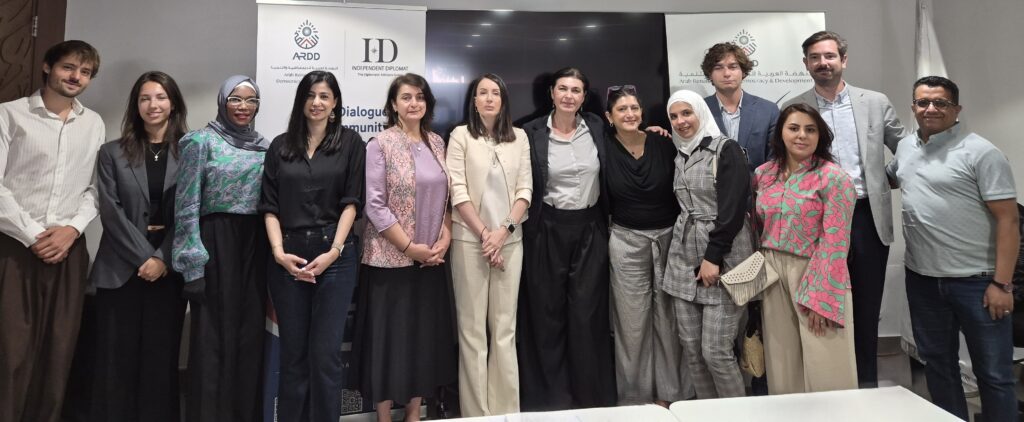
On Monday, 29 July, the Arab Renaissance for Democracy and Development (ARDD) hosted representatives of the Netherland Ministry of Foreign Affairs (MFA), one of ARDD’s key partners in supporting refugees, IDPs, and host communities. Amid funding reductions and geopolitical instability, the visit underscored the value of locally-led work and the significance of strong relations between local organizations and international donors. ARDD emphasized the importance of amplifying the voices of local communities and highlighted how frontline implementation generates knowledge that must reach the institutional level, through research, legal aid work, and advocacy reports that have, as one MFA representative noted, also informed Netherlands policymaking on migration and displacement. Strong networks, including JONAF, allow ARDD to rapidly consolidate input from local partners and translate it into concrete advocacy, most recently contributing to recommendation papers for the Jordan Response Plan 2027-2029. The delegation also explored ARDD’s MFA-funded partnership with Independent Diplomat (ID), which has helped ARDD reach global advocacy platforms like the Global Refugee Forum and access capacity-building and advocacy training, a collaboration made possible by MFA support. To ground the conversation in lived realities, ARDD invited community leaders from Sudan, Yemen, Iraq, and Syria to share their experience directly with the delegation. Each leader spoke to a pressing issue facing their community: the impossible trade-off between protection status and the right to work, collapsing healthcare coverage, a generation unable to access higher education, and a resettlement pipeline too narrow to offer real hope. Behind every issue, the same forces surfaced: devastating funding cuts and the halt of UNHCR registration, leaving hundreds of thousands in a legal and humanitarian crisis. As Samia Adam, a community leader from Sudan, powerfully captured it, saying “refugees in Jordan are like a bouquet trapped in a closed box, full of life and potential, but unable to flourish or see the sun.” Community Leader
Tawasol Network Evaluation and Sustainability Workshop
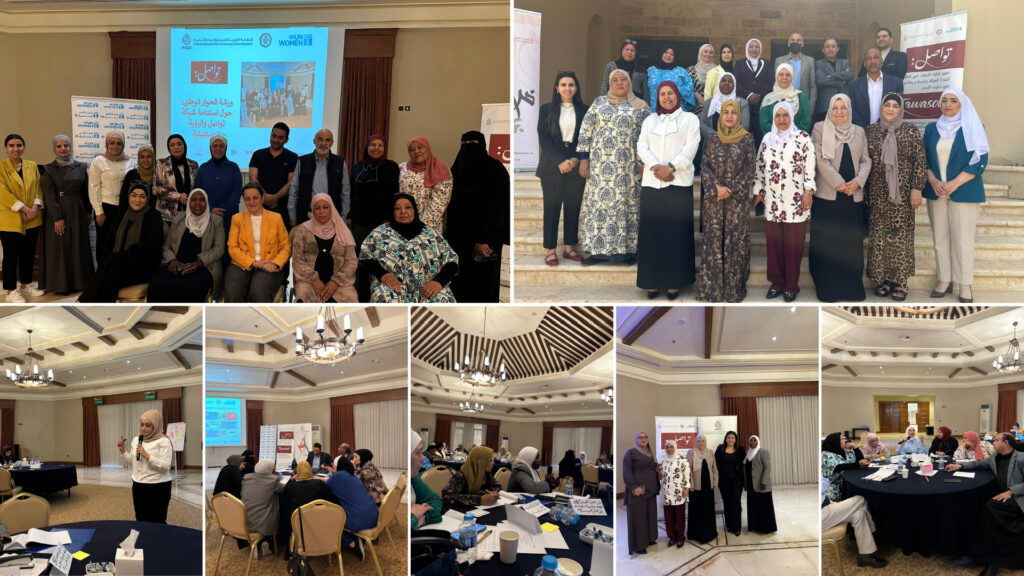
The Tawasol Network National Dialogue Workshop concluded after two days of discussions held on 26–27 April 2026, bringing together a wide range of civil society organizations and government institutions, including representatives from the National Center for Security and Crisis Management and the Gender Unit of the Public Security Directorate. The workshop sought to review the network’s progress, explore pathways for its sustainability and institutionalization, and strengthen its future vision for crisis management within the framework of the Women, Peace and Security (WPS) agenda in southern Jordan. The first day focused on governance mechanisms, networking, and community-led solutions as essential foundations for ensuring the network’s continuity beyond dependence on external funding. Discussions also examined how to move from short-term, project-based approaches toward long-term operational sustainability. In addition, participants reviewed the network’s achievements against the indicators set out in its monitoring and evaluation framework, helping to further align local efforts with national crisis management frameworks. On the second day, the dialogue turned toward developing the implementation framework for the network’s strategic plan. Through a participatory process, participants identified clear priorities to guide the next phase of the network’s work. Consensus emerged around a set of pillars aimed at reimagining crisis response as an integrated institutional system, underpinned by a flexible organizational structure and the ability to respond effectively to local realities. Participants also underscored the importance of strengthening internal governance and expanding the network’s role in leading both humanitarian and development interventions. The workshop further emphasized the need to reinforce the network’s sustainability and institutionalization while advancing its vision for crisis management within the framework of the Women, Peace and Security agenda in southern and central Jordan. These efforts pave the way for the next phase, particularly by strengthening the development dimension of the network’s work and supporting a transition toward more sustainable interventions, with local leadership and the meaningful empowerment of women, youth, and persons with disabilities at their core. The workshop concluded with an agreement on unified coordination mechanisms that connect network members within an integrated, gender-responsive response framework that ensures access to the most vulnerable groups. This direction reflects a collective effort to transform field-based experiences into tools for influence and advocacy, reinforcing Tawasol’s role as a reference platform for locally led humanitarian action and a driver of community resilience in the face of crises. Participants further emphasized the importance of developing flexible and participatory action plans, strengthening collaboration among members, establishing a clear governance framework, and continuously investing in the capacities of local leaders to ensure the sustainability of the Tawasol Network and maximize its societal impact. They also highlighted the importance of advancing the localization of humanitarian action by placing local leadership at the center of planning and implementation to ensure effective and efficient crisis response. The workshop took place within the framework of the project Tawasol: Strengthening Crisis Management under the Women, Peace and Security Agenda in the South, an initiative implemented by ARDD – Arab Renaissance for Democracy and Development in partnership with UN Women Jordan. The project aims to enhance community preparedness, empower women, and strengthen the engagement of civil society organizations in crisis response and local peacebuilding. It focuses on developing the capacities of local institutions in emergency planning, early warning, coordination, and protection, contributing to more resilient and prepared communities capable of addressing various challenges. The Tawasol Network is a multi-level collaborative platform launched by ARDD in cooperation with UN Women under the Amani Project, and later further developed through the Tawasol project. It serves as an umbrella framework bringing together women-led, youth-led, and community-based organizations operating in Southern Jordan. The network works to strengthen linkages, coordination, and knowledge exchange among its members while promoting locally led crisis management through a participatory approach that places community needs at the center of humanitarian and development action. It also contributes to strengthening the meaningful participation of women and youth in decision-making, advancing gender-responsive responses, and reinforcing the principles of transparency, accountability, and collective action.
A Day in the Life of International Humanitarian Civil Society in Jordan
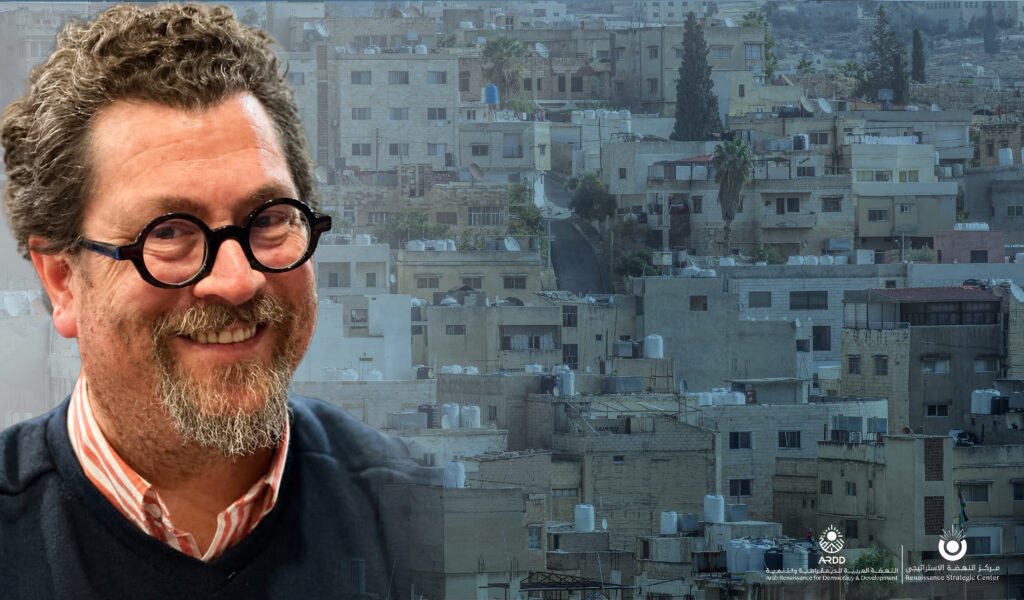
Disclaimer: this text reflects a personal point of view and no opinion other than my own. I arrived in Jordan in 2019 as a representative of the forum of international non-governmental organisations, coming directly from the Central African Republic. I must admit that the contrast was striking. The humanitarian resources then mobilised in Jordan seemed immense compared with those available in some African contexts. But beyond financial and operational resources, what stood out most was the level of competence, experience, and structuring of the sector. At that moment, I even wondered what I was doing there. Did Jordan really need my expertise? In a country that already had experienced humanitarian professionals, seasoned diplomats, and experts who had worked in the largest international institutions, the question was legitimate. My role could not be to bring in external expertise as if it did not already exist. It had to be about listening, understanding power dynamics, identifying blockages within the system, and contributing, modestly, to opening spaces for dialogue between actors who all held part of the response. Indeed, many senior and director-level positions in international organisations are held by Jordanians. Many national non-governmental organisations are rooted in this body of knowledge and experience. Many of their staff have worked within the United Nations, in major international non-governmental organisations, or in cooperation institutions. In this context, one might have expected what is commonly referred to as “localisation” to already be well advanced. By localisation, I mean the principle of recognising, strengthening and integrating national organisations as full actors in the humanitarian response, instead of considering them only as implementing partners. In a country such as Jordan, where national skills are numerous and long-standing, this seemed almost self-evident. Yet when I arrived, this was not the case. National non-governmental organisations were not even present in the refugee response coordination system led by the United Nations High Commissioner for Refugees. They were active, had real expertise, knew the field, but remained largely outside this international humanitarian architecture that organises priorities, funding, technical exchanges and collective representation. The first contacts with these organisations, in the context of my duties, were always cordial. But a certain mistrust could quickly be felt. It was not unfounded. As in many other operational contexts, it stemmed from years of unequal relationships, where national organisations were often asked to implement, but rarely to define strategic directions. It also came from a feeling of insufficient recognition, even though many of these actors knew the communities, institutions and social realities far better than international organisations. After several frank exchanges, common positions began to emerge. Dialogue gradually made it possible to move beyond initial postures. This was also made possible through the role of national non-governmental organisation platforms, including JONAF and HIMAM, which became key partners in this collective journey. With the support of key donors, the United Nations Resident Coordinator, the Jordanian ministry in charge of planning and international cooperation, and the United Nations High Commissioner for Refugees, a concrete step forward became possible: the integration of national non-governmental organisations into the response coordination structure. This moment may seem technical. It was not. It was about recognising that Jordanian civil society was not merely an operational relay, but a political, social and humanitarian actor in its own right. It was also about acknowledging that the quality of a humanitarian response is not measured only by the volume of international funding mobilised, but also by the ability of the system to listen to and integrate the actors who will remain after emergencies, missions and funding cycles have passed. The Covid-19 crisis then highlighted the central role of these organisations. In several sectors, they were no longer only consulted: they took the lead in some official working groups, organised the response, reported needs, adapted approaches and maintained links with communities. This period showed, very concretely, that Jordanian national organisations were not peripheral actors. They were an essential part of the response architecture. This progressive alliance between international and national civil societies also helped, at least partly, to compensate for the slow erosion of financial resources dedicated to the response to the Syrian crisis. It made it possible to use available resources more effectively, avoid certain duplications and maintain a collective capacity for analysis, advocacy and action. It also gave Jordan strong visibility during the Brussels conferences on the Syrian crisis, with mixed delegations coordinated with the Jordanian government. I will particularly remember the 2023 meeting between this delegation and His Excellency Ayman Safadi on the margins of the conference. It symbolised a form of collective maturity: the possibility of dialogue between government, national civil society and international actors around a shared response. These years also allowed a new generation of actors to emerge within Jordanian civil society. Young professionals, often highly qualified, committed and connected to the country’s social realities, gradually gained greater visibility within organisations, coordination networks and discussion spaces. Their presence helped renew practices, bring institutions closer to community concerns and promote approaches more deeply rooted in Jordanian society itself. The role of women in these organisations also deserves to be highlighted. In many national structures, Jordanian women play a decisive role in leadership, programme management, social analysis, protection, education, health, local development and advocacy. Their engagement is not merely a matter of representation. It transforms the way needs are understood, priorities are defined and responses are built. The development of a constructive civil society is intrinsically linked to the participation of young Jordanian women and men, as well as to the effective place of Jordanian women in society. The outbreak of the Gaza crisis, followed by the massive funding cuts since 2024, suddenly struck down much of these efforts. Coordination spaces weakened, resources declined, priorities shifted and partnerships built over time came under pressure. What had been patiently constructed through trust, dialogue and the progressive recognition of national actors was brutally exposed to the contraction of funding and the fragmentation of international attention. Competition around
When the Numbers Fall, Don’t Look Away – A reflection on the 2026 Global Report on Internal Displacement
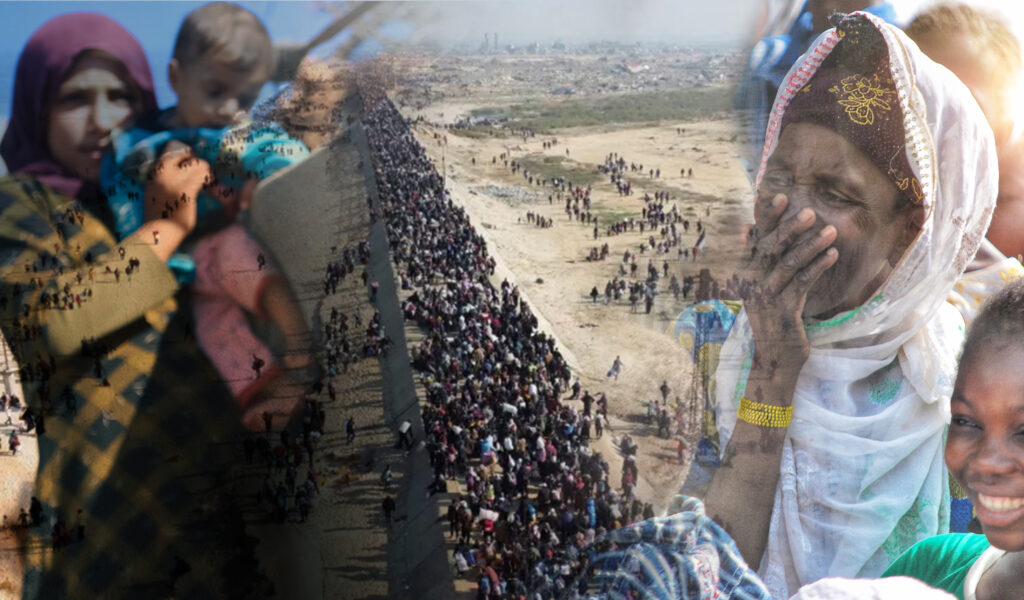
By Jule Harnack Every year on June 20, the World Refugee Day mobilizes global solidarity around refugees, those who are by definition forced to flee their own country and cross an international border. Yet, the current architecture of international law continues to neglect the vast majority of the world’s displaced population who remain trapped inside their countries of origin. Known technically as Internally Displaced Persons (IDPs), these millions endure the exact same horrors of war, famine, and terror as refugees, but without the legal status, international protections, or cross-border escape routes. Despite being the numerical majority, IDPs exist in a legal vacuum. They fall completely outside the scope of the 1951 Refugee Convention. They possess no binding international protection framework, no dedicated UN agency with a specific statutory mandate, and no legal recourse when their rights are violated. They remain subject to the domestic sovereignty of their own state, the very state that may be targeting them. Based on the latest data of the Global Report on Internal Displacement (GRID) 2026 report, for the first time in a decade, the global number of individuals uprooted within their own national borders has registered a decline. At the end of 2025, the Grid 2026 Report counted 82.2 million people internally displaced across 104 countries, driven by protracted conflicts in hotspots like Sudan and the DRC. While a slight decline in the total number of IDPs has been registered, compared to the previous year’s historic peak, this trajectory doesn’t reflect full success. This drop in numbers does not signify an expansion of peace, but rather a contraction of capacity to monitor, coupled with the broadening push for forced returns. Anatomy of the Data: The Surging Toll of Conflict The latest GRID report delivers an important analysis on human mobility. For the first time on record, conflict and violence have overtaken natural disasters as the leading cause of internal flights. Conflict-driven displacement spiked by an unprecedented 60 percent, unleashing 32.3 million new individual movements in 2025 alone. Meanwhile, disaster-induced displacement dropped by 35 percent to 29.9 million. However, this shift points to temporary climate variations rather than a genuine, systemic reduction in environmental vulnerabilities. Beyond the numbers, the anatomy of modern warfare is changing. Internal displacement is becoming deeply entangled with the internationalization of localized wars. In fact, the number of countries experiencing internal flight directly tied to cross-border or international armed conflicts has doubled, proving that internal displacement is no longer just a domestic crisis, but a symptom of interstate aggression. Regional focus IDPs in Lebanon Israeli military operations triggered more than 41,000 displacements in Lebanon in 2025, despite the November 2024 ceasefire. The figure is highly conservative, as funding constraints sharply reduced monitoring and reporting in the country. By early 2026, intensified attacks, including massive evacuation orders covering 14% of the country, led to a surge exceeding 1.1 million self-registered displaced people, approximately one in five of Lebanon’s population. IDPs in Palestinians Persistent attacks triggered nearly 2.8 million displacements across the Palestinian territories in 2025. In the Gaza Strip, return remains impossible for over two million people, trapped behind a newly imposed ‘yellow line’ that effectively cut civilians off from more than half of their own territory. Simultaneously, in the West Bank, including East Jerusalem, displacements surged to 51,000, the highest figure on record since 1967. This unprecedented escalation was driven by intensifying Israeli military operations in refugee camps, widespread home demolitions, and systemic settler violence. IDPs in Syria, Yemen, Sudan In Syria, with the fall of the Assad’s regime in December 2024, the number of IDPs fell from 7.4 million to 6 million as people returned to rebuild their lives. Yet, localized insecurity still triggered new displacement movements during the year, the largest wave in Suweida governorate in July and August 2025. With widespread housing destruction and missing basic services, durable return remains fragile. Yemen closed the year with approximately 4.8 million people living in internal displacement, representing the fourth-highest total globally. Concurrently, climate-driven disasters, particularly severe seasonal floods and storms that directly compounded the implications of the protracted war, triggered additional displacements. Sudan remained the epicenter of global displacement for a third consecutive year, with 9.1 million people still uprooted at the end of 2025, around 62 per cent of them in Darfur. Despite some returns in certain areas, violence against civilians has intensified elsewhere, with more than 713,000 movements in North Darfur alone. Why Fewer Movements Mean Worse Outcomes While global figures show a general decline in the total number of IDPs, the reduction of displaced populations in active war zones rarely signals genuine stabilization. Instead, it is frequently driven by forced, unsustainable returns that compel civilians back into highly insecure territories where their homes are either destroyed or occupied. The UN Refugee Agency (UNHCR) Mid-Year Trends report confirms this dangerous trajectory, warning that returnees across multiple theaters face coercive pushbacks resulting in premature repatriation to areas entirely devoid of physical security, basic administrative services, or minimal humanitarian infrastructure. Additionally, there is a secondary, more subtle reason for the statistical drop: we are rapidly losing the infrastructure required to monitor. The year 2025 witnessed an unprecedented funding crisis for humanitarian operations, which directly crippled field-level data collection. The proportion of countries suffering from severe gaps in data availability tripled over the year. By the end of 2025, nearly three-quarters of countries and territories hosting people displaced by conflict and violence had no up-to-date data. A sharp decline in global humanitarian funding between 2024 and 2025, driven by a massive reduction in U.S. aid, has halted relief operations and created a critical data blackout in conflict zones. This financial collapse, with funding plummeting roughly 40 percent below 2022 benchmarks, has done far more than empty food warehouses. It has systematically dismantled the tracking mechanisms that record human suffering, rendering displaced populations statistically invisible. Consequently, the apparent decline in global displacement figures is a dangerous illusion. The numbers are not dropping because the world has suddenly become
ARDD Highlights Civil Documentation as a Lifeline for Refugees in Jordan on World Refugee Day 2026
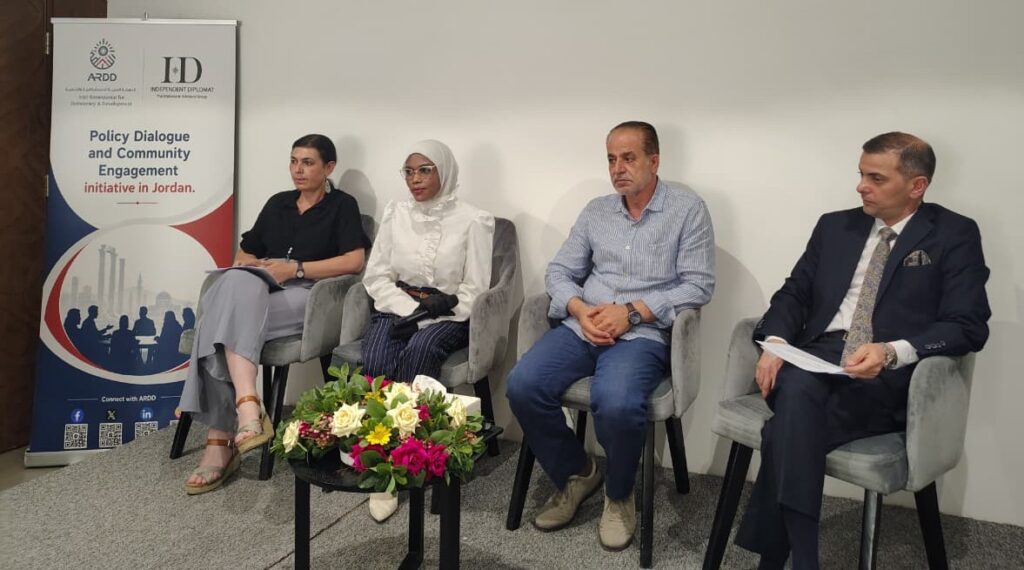
High-level roundtable discusses lessons from Sudanese refugee documentation cases and underscores the importance of legal identity in safeguarding refugee rights and access to services. Marking World Refugee Day 2026, the Arab Renaissance for Democracy and Development (ARDD) hosted a high-level roundtable discussion entitled, “Civil Documentation and Legal Identity as a Lifeline for Refugees in Jordan: Lessons from a Sudanese Refugee Documentation Case.” The event brought together representatives from UNHCR Jordan, Independent Diplomat (ID), members of the Sudanese refugee community, legal experts, and other stakeholders to discuss the critical role of civil documentation in ensuring legal identity, protection, and access to rights and services for refugees in Jordan. The discussion was informed by ARDD’s recently published paper examining the challenges Sudanese refugee children face in obtaining accurate civil documentation and the lessons learned from efforts to address them. Opening the discussion, Dr. Mariam Abu Samra, Head of the Renaissance Strategic Center (RSC) at ARDD, emphasized that legal protection is an essential component of refugee safety, stating: “ARDD is deeply honored to play this important role in supporting refugee communities through legal aid and advocacy. Legal identity is fundamental to ensuring that refugees can access their rights and live with dignity and protection.” Rana G. Ksaifi, Assistant Representative (Protection) at UNHCR Jordan, highlighted the importance of ensuring equitable protection for all refugee communities, noting: “Less visible communities like Sudanese refugees must not be overlooked or left behind in broader humanitarian responses. All refugees deserve equal protection, representation, and support, regardless of their nationality, and as we commemorate the 75th anniversary of the 1951 convention this year, these commitments remain vital”. Highlighting the broader protection implications of documentation challenges, Guillaume Charron, Director of Independent Diplomat’s Geneva Office, stressed: “Documentation is something most people do not think about when it is working well. When it is not, it can render people legally invisible, creating a real risk of statelessness for refugees.” Representing the voices of the affected community, Ms. Samia Adam, a Sudanese refugee community leader, reflected on the impact of documentation discrepancies on refugee families and noted: “ARDD’s advocacy helped us build trust and encouraged more refugees from the Sudanese community to seek the correction of their documents.” The event also highlighted the valuable contributions of Ms. Adam, whose continued voluntary efforts in support of refugees from various nationalities in Jordan have significantly strengthened community solidarity and support. ARDD and participants acknowledged her inspiring example of community leadership and her dedication to serving others and creating positive change within refugee communities. Participants discussed how documentation challenges can undermine legal identity, family unity, access to education, and protection from statelessness. The discussion further underscored the importance of coordinated advocacy and collaboration among refugees, civil society organizations, UNHCR, national authorities, and community leaders in identifying and addressing emerging protection concerns. The roundtable highlighted a significant achievement resulting from joint advocacy and legal assistance efforts, with more than 100 birth certificates belonging to Sudanese refugee children successfully corrected, helping safeguard their access to education and other essential services. The event was organized under the framework of the Policy Dialogue and Community Engagement Initiative on Legal, Economic, and Social Issues and Access to Services in Jordan, jointly implemented by ARDD and Independent Diplomat with support from the Dutch Ministry of Foreign Affairs. Read the full publication here: Civil Documentation and Legal Identity for Refugee Children in Jordan: Lessons from a Sudanese Refugee Documentation Case
Sudan: Between Promise and Reality
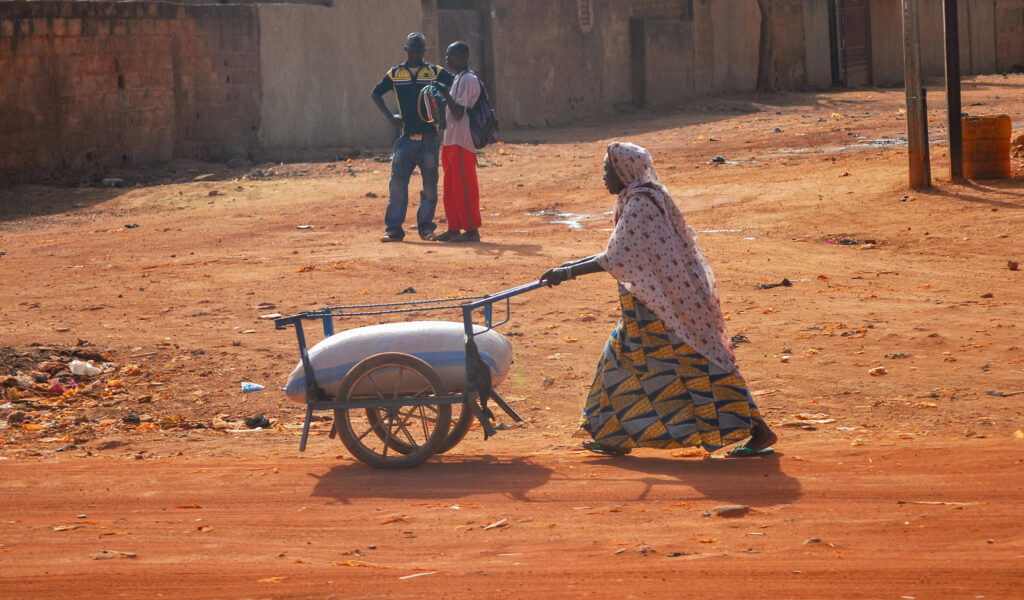
By Jule Harnack, RSC intern Three years into the conflict, Sudan faces a dire humanitarian crisis with widespread famine and failing international aid. Despite high-level conferences, providing substantial pledges but little enforcement, local Sudanese actors and emergency response remain largely excluded from peace processes. While international leaders debate Sudan’s future in European conference halls, the country’s real lifeline is quietly bleeding out. For millions of Sudanese, local solidarity is not a choice, it is the only available tool for survival. When the state collapses and international aid fails to reach the frontlines, communities have no option but to rely on one another to cope with the devastating effects of war, displacement, and extreme poverty. In this landscape of systemic neglect, the communal kitchen has transformed from a cultural tradition into a critical lifeline. Today, they represent the sole barrier standing between life and starvation. In Arabic they are known as takaaya and run by volunteers, often without any external support. As Mohammed Sulaiman Hilal notes: ‘Without those community kitchens, life wouldn’t have been possible.’ He is one of millions of Sudanese people who rely on these local facilities every day. Yet, this vital lifeline is being cut. Since the start of 2026, severe underfunding has forced almost half of these kitchens to close their doors forever. In North Darfur the figure is even higher around 57 per cent. The reason is about a lack of funds, a failure of international aid, and rising food prices. As highlighted in a report by Islamic Relief Worldwide, the skyrocketing costs of food, fuel shortages, active shelling, and global aid neglect have pushed these networks to a breaking point. Because funding is drying up, hundreds of takaaya have closed, forcing the remaining ones to cut down from serving three meals a day to just one, or closing down completely for days at a time. For Sudanese families enduring three years of war, poverty, and famine, the closure of these kitchens means losing more than just a hot meal; it means watching the last shred of human solidarity vanish. These discontinuation of services are indicative of the overall humanitarian situation, which is difficult to quantify: 33.7 million people are dependent on humanitarian aid, and 11.5 million have been forcibly displaced, including 6.7 million internally displaced persons. Famine has been officially confirmed in El Fasher and Kadugli. The UN Office for the Coordination of Humanitarian Affairs estimates that funding requirements have risen to $2.9 billion in 2026. As of early May, only 16 per cent of this funding had been secured. Although statistics can numb us, as we may struggle to comprehend it, the crisis becomes undeniably real when you listen to the people living through it. The civil war began in April 2023, since then, it has developed into one of the world’s most severe humanitarian crises; according to the International Rescue Committee, it may even be the largest ever recorded. Reports of systematic sexual violence and the enslavement of women and girls from El Fasher and other regions are mounting, yet so far no one has been held into account. Local humanitarian actors in Sudan are operating under a system of targeted terror, where saving a life is treated as a criminal act. They are exposed to systematic violence from both warring factions. Many work without pay, without legal protection, and without institutional recognition. Across the country, local humanitarian offices have been systematically looted and destroyed, forcing entire volunteer networks to flee for their lives. Organizations like Human Rights Watch and the UN Fact-Finding Mission have verified a horrific pattern of arbitrary arrests, torture, and extrajudicial executions targeting local humanitarian workers, medical staff, and human rights defenders. These acts are a direct violation of international humanitarian law, executed with complete impunity. In this dramatic landscape, Sudan’s civil society has been forced to step into a vacuum left by the international community. Takaaya and the Emergency Response Rooms (ERRs), which are a decentralized, grassroots network of over 26,000 neighborhood volunteers, serve as the absolute backbone of survival in war-torn Sudan. They stepped directly into the humanitarian vacuum when state institutions collapsed, and international aid agencies evacuated or became paralyzed by bureaucracy. Yet, their struggle for keeping their neighborhoods and communities alive is under threath every day. The Berlin Conference In April 2026, on the third anniversary of the war, 55 states, regional organizations, UN agencies and 38 international and Sudanese NGOs met in Berlin. The meeting was hosted by Germany, France, the UK, the US, the African Union and the EU. The result: around 1.5 billion euros of pledges, including over 812 million from the EU. A few weeks later, the co-hosts adopted the so-called Berlin Principles. This is a document that explicitly rejects a military solution, calls for a humanitarian ceasefire, urges an end to external support for both warring parties, and states that Sudan’s political future should be shaped by the Sudanese people themselves through an inclusive process. On paper, these are strong demands. In reality, however, they lack any means of enforcement: no ceasefire has been declared. Drone strikes on Khartoum and Omdurman continue. And despite the Berlin declarations, external armed support for both sides in the conflict has not been halted. Those who weren’t at the table and those who make the decisions The conference has once again perpetuated a fundamental structural problem: outsiders are negotiating on behalf of Sudan, whilst Sudanese people sit on the sidelines. “Too often, Sudan is discussed as a case study, not a community. We are spoken about, but not spoken to.” From Anab Mohammed, a Sudanese development consultant, Middle East Eye, November 2025 What have the previous Berlin conferences in Paris in 2024 and London in 2025 actually achieved? And if the answer is “little to nothing,” why is the same format being repeated a third time? Behind these unanswered questions lies a structural problem: peace negotiations are often dominated by elite organizations that enjoy international prestige but are disconnected from the realities of the populations living under war. Local
Participatory Journalism: Learning from “The Lebanon Displacement Diaries”
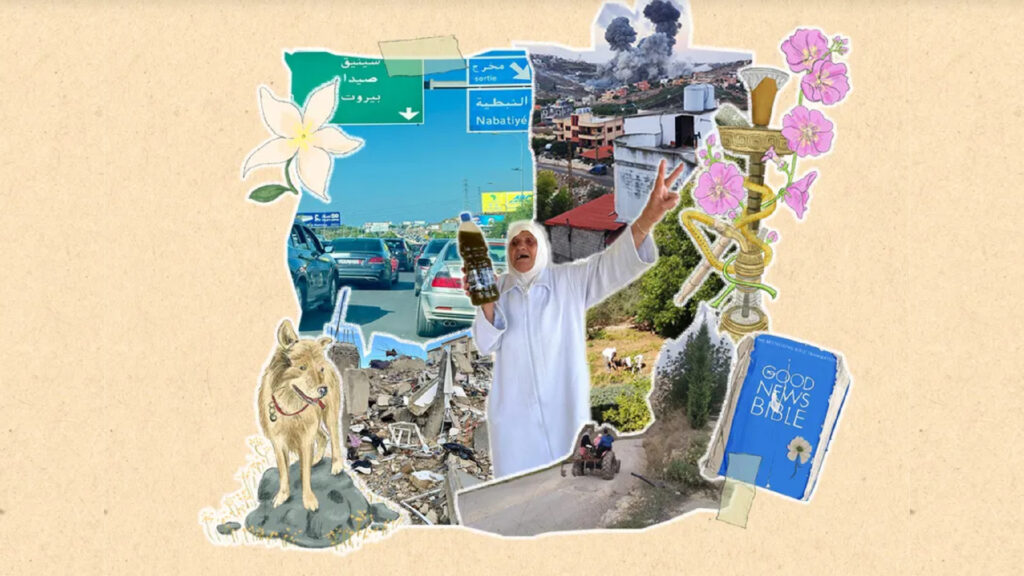
Lebanon continues to face significant pressures arising from displacement and its impact on those living within the country. In light of these challenges, the Renaissance Strategic Center (RSC) at the Arab Renaissance for Democracy and Development (ARDD) hosted a seminar titled “Participatory Journalism: Learning from The Lebanon Displacement Diaries” to explore an alternative type of journalism. In contrast to mainstream media and statistical reporting, participatory journalism gives real voices and freedom of expression to underrepresented communities most affected by displacement. The webinar was moderated by Maria Giovanna Mariani, RSC Research Officer, and was joined by Annie Slemrod and Zainab Chamoun, journalists for The New Humanitarian who collaborated on and helped develop the storytelling project, The Lebanon Displacement Diaries.Annie Slemrod is an award-winning journalist, editor, and innovative storyteller who has worked in the region for over a decade. Zainab Chamoun is a South Lebanese freelance journalist and researcher who has herself experienced, and continues to experience, displacement. Participatory journalism is a model of news production where the people being reported on become active contributors rather than passive subjects. It breaks down the traditional boundary between journalist and source, turning news-making into a genuine dialogue. This webinar is intended to form part of a wider series of events bringing together journalists and humanitarian communities to focus on this approach to journalism. If you were displaced, what would you take from your home? The two journalists opened the session with an interactive task. They asked the audience: if you were displaced, what would you take from your home? This was the question with which the project itself began. It is not the kind of question mainstream media would typically focus on, but it reflects a real and deeply personal struggle faced by people forced to leave their homes. The authors knew that this question would add personal depth to the accounts of those who participated in the Lebanon Displacement Diaries, while also allowing readers to relate more closely to those affected by displacement. Media coverage, they explained, often focuses on numbers and data, while the real experiences of people, with their fears, hopes, and daily lives, are lost. The project intended to do the opposite, highlighting the depths of the conflict and its human toll. Displacement is not a singular event with a clear beginning and end. It is an ongoing, layered experience. Slemrod and Chamoun made it explicit with the quote “the end of war is not the end of the story”. The Diaries: Step by Step The journalists Slemrod and Chamoun explained the methodology they followed during the process that led from the mere idea of the project to its actual implementation. They presented it in six steps. The first step concerned audience and impact mapping, which they underlined had to take place long before the concrete project began. This meant carefully identifying the selected audience and what impact the project would have on that audience. For this project, the authors wanted to target the national Lebanese audience, but also, at a broader level, the international readers. The latter, described as the ‘my mom audience’, refers to those who are globally curious, but who do not necessarily know the details of the Lebanon crisis and might only understand about it through their regular news outlet. The authors then considered the format. Slemrod and Chamoun wanted the diaries to represent a natural and genuine way of communicating individual stories. They allowed each participant to speak freely and tell their own stories. This is why they used the diary format, because it allowed for that sense of genuineness. The people chose to provide photos and videos alongside their diary entry, bringing life to each piece. Within each diary entry, they also retained the different shades of Arabic dialects, something rare in the media, to communicate each person’s identity. Then, Slemrod and Chamoun decided on the methodology of selecting participants and reaching beyond their own network. It was important for them to engage with a range of people from different backgrounds with different perspectives. It was not necessarily easy to do so, because of the living conditions, access to the people, and marginalization. The authors acknowledged that there were so many stories to tell, but that they could only publish ten. So, they decided to make those ten stories as diverse as possible. The journalists followed trauma-informed reporting guidelines. They met with a Lebanese trauma therapist, who instructed them on how to interact with vulnerable people in that specific context. These guidelines included preparing the interview environment with care, giving participants choice and a sense of ownership over their stories, finding meaning in sharing them, creating space to breathe, being mindful of pressure of ongoing trauma, and not to be afraid to ask for psychosocial support if needed. The penultimate step involved deciding who would be on the team, how aware they were of local sensitivities and context, and who held power within the process. This included understanding the individuals involved in the project, and their specific dialects. Being Chamoun a Lebanese herself and sharing her own experience with the people interviewed, that was an added value to the project. Finally, the authors decided how the diaries could be best distributed, including through circulation and replication. The diaries have been published online in The New Humanitarian. They were also co-published with local Lebanese media, Daraj Media. In addition, they launched a campaign to spread the diaries across social media platforms. When Art transforms into Art: From Journalism to Theater The diaries went beyond and inspired a theatre performance at Laban Theatre in Beirut. The performance was actually a powerful echo to the stories shared in the diaries. Moreover, during the performance, the people in the public had the chance to be engaged in the storytelling, sharing their own experience of displacement and how it has affected them. Each participant’s story was represented on the stage through improvisation. Importantly, the performance was realized by Lebanese people, for a Lebanese audience.
Stolen Childhoods: The Structural Realities Driving Child Labor in Jordan
By Giulia Zorzo, RSC Intern Jordan is widely recognized as a beacon of stability, hospitality, and progressive development in a historically volatile region, consistently demonstrating an extraordinary commitment to humanitarian relief and social progress. However, decades of geopolitical shocks, regional refugee crises, and global economic pressures have placed an immense strain on the country’s resources and infrastructure. Under the weight of these external socio-economic forces, child labor continues to occur in urban informal sectors and remote fields, as in downtown Amman, the industrial zones of Zarqa, or the rural fields of the Jordan Valley. Children, some looking no older than ten, can be seen wiping down car windshields or stacking heavy crates in local markets. Child labor in Jordan is not an isolated issue; it reflects a broader crisis, a negative economic coping mechanism for many families pushed to the brink. National estimates indicate approximately over 70,000 Jordanian children are active in the labor market, with over 50% of working in hazardous conditions, particularly in the automotive (29%) and agricultural (28%) sectors. These children are subjected to exploitation that strips them of their rights and perpetuates cycles of poverty. Despite the enactment of national policies establishing a strict minimum working age of 16 and 18 for hazardous work, the gap between legal frameworks and the harsh realities of economic survival continues to widen. The Data Landscape Global efforts have aimed to eradicate child labor, particularly since the establishment of the Sustainable Development Goals (SDGs), which sought to eliminate all forms of child labor by 2025. The deadline has officially passed but the world has failed to achieve this goal. Nevertheless, the most recent national statistics from the 2016 National Child Labour Survey (NCLS) conducted by the Center for Strategic Studies of Jordan estimates that 75,982 out of 4,030,384 children aged 5-17 in Jordan are engaged in child labor, with 44,917 in hazardous work. Alarmingly, reports by Jordan Labor Watch in November 2025, suggest that these numbers are rising. This negative trend contrasts with official national policies aimed at reducing child labour, raising concerns about the effectiveness of interventions and the underlying socioeconomic issues driving children into work. Moreover, quantifying child labor remains a challenge due to the lack of updated data. The fact that the most comprehensive national quantitative data dates back to the 2016 survey is a crisis in itself. It proves that child labor is increasingly slipping into the dark, unregulated corners of the informal economy, leaving thousands of children invisible to official statistics. The ongoing economic hardships and deteriorating living conditions push more children into work, often in informal and unsafe settings. The Legislative Paradox: Robust Protections, Fractured Enforcement Jordan acknowledges the severity of child labor and has developed a robust legal framework and institutional mechanisms to combat it. The Kingdom has ratified all major international conventions safeguarding children against economic exploitation. Jordan is one of the first countries that ratified the international conventions related to the protection of children from economic exploitation, namely the Convention on the Rights of the Child and its two protocols, and the conventions affiliated with the (ILO) International Labour Organization (Minimum Age Convention No. 138, and the Worst Forms of Child Labour Convention No. 182). The domestic laws most relevant to the legal protection of children in Jordan are the following: Jordanian Constitution of 1952. The Constitution contains the right to the protection of childhood from abuse and exploitation. Labour Law (Law No. 8 of 1996):This is the primary legal anchor that prohibits the employment of children under 16 years of age. It allows light work for juveniles aged 16–18 only under strict health, safety, and hour limitations. Child Rights Law of 2022 (Law No. 17 of 2022). This law provides an overall framework for child rights protection although details of specific areas of law, including implementation of rights, are set out in more specific legislation. Juvenile Law (Law No. 32 of 2014). The Juvenile Law and related regulations cover most aspects of juvenile justice. This includes objectives of juvenile justice, child-specific institutions, collaboration among juvenile justice professionals, age of criminal responsibility, aspects of criminal proceedings rights of children at different stages of the juvenile justice process and sentencing, including custodial sentences and non-custodial alternatives. Child Labour Units: Task forces within the Ministry of Labour and the Ministry of Social Development are dedicated to combating child labor. National Framework to Combat Child Labour (NFCCL): Standardizes identification protocols across municipalities. Electronic Child Labour Monitoring System (e-CLMS): A digital database for tracking and protecting working children. To address economic challenges, Jordan has introduced two significant long-term strategy policy roadmaps: 1. National Strategy for the Reduction of Child Labour (2022–2030): Assigns roles to public ministries, civil NGOs, and private stakeholders to combat child labor and prevent school dropouts. 2. National Strategy to Prevent Human Trafficking (2024–2027): Focuses on systemic prevention, victim protection, and the prosecution of forced child begging networks. These instruments define the responsibilities of ministries, NGOs, and stakeholders in preventing child labour and responding to identified cases, encompassing the prevention of child exploitation through prevention, protection, and prosecution measures. Employing children under the age of eighteen in hazardous work is also prohibited in Jordan. The Jordanian Ministry of Labour (MoL) has specified a list of hazardous work that mainly covers all sectors. However, a deeper analysis reveals a stark contrast between rigorous legislative text of Jordan’s labor codes and the daily realities of enforcement. Despite numerous legal instruments and institutional efforts, child labour in Jordan remains a critical issue. The problem is that the root causes are not fully identified and targeted by current actions, raising alarming concerns about the practical effectiveness of local interventions and the underlying socioeconomic issues driving children into work. The persistence of child labour is not solely a failure of implementation of the current laws, it reflects unaddressed economic drivers, legislative gaps in protection for non-citizen children, and the absence of adequate social protection systems. Furthermore, the limited capacity