Field Support Units Launched Under the Security Bridges Project to Strengthen Access to Social Protection in Jordan
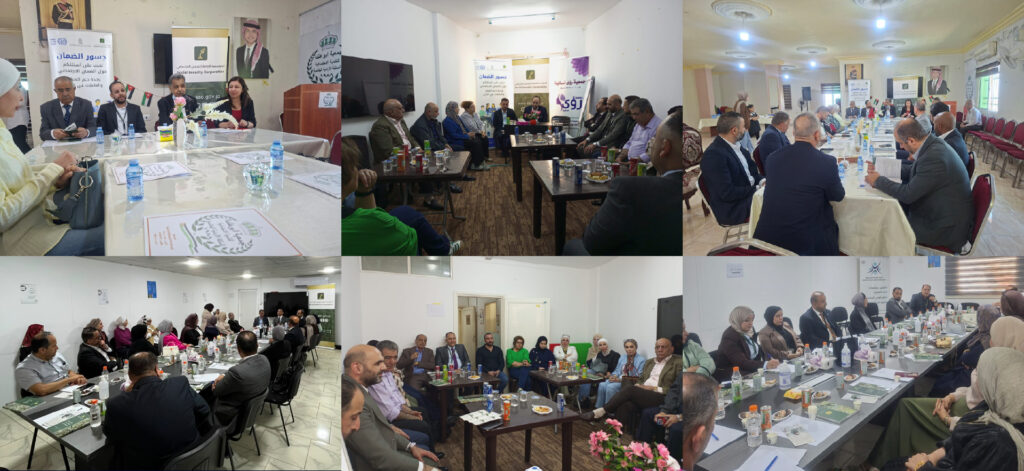
The Social Security Corporation (SSC), in partnership with the International Labour Organization (ILO) and the Arab Renaissance for Democracy and Development (ARDD), has launched Field Support Units under the Security Bridges Project across Ramtha, Mafraq, Zarqa, and South Amman between 8 and 11 June 2026. The initiative forms part of a broader effort to strengthen social protection, expand access to social insurance rights, and promote a stronger culture of social security among workers, employers, and local communities, particularly those engaged in vulnerable and informal forms of employment. Hosted by local partner organizations that are members of the Jordan National NGOs Forum (JONAF), the Field Support Units will serve as community-based access points for information, awareness-raising, and legal and social insurance guidance. The partner organizations include Ru’ya Women’s Association in Ramtha (Irbid Governorate), Qudurat for Community Development Association in Mafraq, Athar for Youth Development Association in Russeifa (Zarqa Governorate), and Abu Alanda Association for Social Development in South Amman. The launch events brought together representatives of the Social Security Corporation, the International Labour Organization, ARDD, governorates, municipalities, chambers of commerce and industry, local and international civil society organizations, employers, workers, and community leaders, reflecting a shared commitment to expanding social protection coverage and ensuring that no one is left behind. Speaking during the launch events, ILO representative Hanadi Ghraibeh highlighted the importance of the project, which is supported by the governments of Norway, the Netherlands, and the United Kingdom, in strengthening workers’ awareness of their social insurance rights and entitlements and supporting inclusive access to social protection. ARDD representative and lawyer Rami Qweider emphasized that the project seeks to bring social protection closer to communities through awareness, legal and social insurance support, and partnerships with local organizations. He noted that the Field Support Units represent a practical mechanism for empowering workers and employers to better understand their rights and access available services and protection pathways. For his part, Anas Al-Bawadi, Director of the Social Insurance Awareness Directorate at the Social Security Corporation, stressed that the launch events mark the beginning of a broader series of outreach and awareness activities that will continue across the targeted governorates. He highlighted the Corporation’s commitment to expanding social security coverage and strengthening social insurance literacy, particularly among women and workers in vulnerable sectors. The Security Bridges Project reflects the combined efforts of SSC, ILO, ARDD, and local civil society partners to build stronger links between communities and social protection institutions, contributing to more inclusive, accessible, and sustainable social protection systems across Jordan.
Summer Course – International Politics in the SWANA Region: Colonial Legacy, Displacement, and Humanitarian Governance
Summer Course 2026 International Politics in the SWANA Region: Colonial Legacy, Displacement, and Humanitarian Governance A Joint Academic Initiative of the Renaissance Strategic Center (RSC), Arab Renaissance for Democracy and Development (ARDD), Jordan, and the Ibrahim Abu-Lughod Institute of International Studies (IALIIS), Birzeit University, Palestine Location: Amman, Jordan Dates: 12–30 July 2026 Duration: 3 Weeks Fee: USD 400 Application Deadline: 30 June 2026 Apply Now Summer Course 2026 Application Form The course is conducted in English About the Course The Renaissance Strategic Center (RSC) at the Arab Renaissance for Democracy and Development (ARDD), in academic partnership with the Ibrahim Abu-Lughod Institute of International Studies (IALIIS) at Birzeit University, invites students, researchers, and practitioners to participate in an intensive summer course exploring the political, social, and historical dynamics shaping the SWANA region. The course responds to the growing need for analytically rigorous and context-sensitive knowledge about the region by situating contemporary political developments within their broader historical, political, economic, and social contexts. Why Join This Course? A unique academic partnership between RSC and Birzeit University. Learn from leading scholars, researchers, and practitioners. Combine academic learning with field-based engagement. Engage with key policy and humanitarian debates shaping the region. Participate in field visits and experiential learning activities. Receive a Certificate of Completion upon successful participation. Key Themes The course explores: Colonial legacies and state formation Political economy and regional transformations Social and ideological movements Gender politics and feminist movements Labor migration Refugee governance and forced displacement Humanitarian governance Localization in humanitarian action Palestine and regional politics For full course details, session descriptions, and learning activities, please download the syllabus. Download Full Syllabus International Politics in the SWANA Region: Colonial Legacy, Displacement, and Humanitarian Governance – Summer Course Syllabus – Renaissance Strategic Center.com Who Should Apply? The course is designed for: Undergraduate and graduate students PhD candidates Early-career researchers Humanitarian and development practitioners Civil society professionals Individuals interested in migration, displacement, governance, Middle East politics, and international affairs Experiential Learning The course includes: Academic seminars Interactive discussions Policy workshops Guest lectures An alternative city tour of Amman Field visits and practitioner engagement Certificate Participants who complete the course and meet attendance requirements will receive a joint Certificate of Completion issued by the Renaissance Strategic Center and the Ibrahim Abu-Lughod Institute of International Studies at Birzeit University. Internship Opportunities Interested participants may also apply for internship opportunities with ARDD and the Renaissance Strategic Center, subject to availability and selection criteria. Application Process Applicants are required to complete the online application form and upload: Curriculum Vitae (CV) Statement of Interest Any additional supporting documents requested in the application form Applications will be reviewed by the organizing team. Successful applicants will receive an acceptance email with payment instructions and further information. Fee USD 400 Payment details will be shared only with accepted applicants. Application Deadline 30 June 2026 Apply Now Summer Course 2026 Application Form Terms and Conditions Submission of an application does not guarantee admission to the course. All applications are subject to review and approval by the organizing committee. Participation is confirmed only after receipt of an official acceptance notice and full payment of the course fee. Course fees are non-refundable once payment has been received, except in cases where the organizers cancel the course. Participants are responsible for their own travel, accommodation, visa, insurance, and personal expenses unless otherwise stated. Participants must attend at least 90% of the course sessions to be eligible for the Certificate of Completion. The organizers reserve the right to modify the course schedule, speakers, content, or activities when necessary. The organizers reserve the right to postpone, reschedule, or cancel the course due to unforeseen circumstances or insufficient enrollment. Participants are expected to maintain professional and respectful conduct throughout the program. Any form of discrimination, harassment, or disruptive behavior may result in removal from the course without refund. Course materials are provided for educational purposes only and may not be reproduced, distributed, or published without prior written permission. Participants consent to photography, audio recording, and video recording during course activities for documentation and promotional purposes unless they notify the organizers in writing before the course begins. Personal information collected through the application process will be used solely for course administration and communication purposes. Internship opportunities, where available, are subject to separate application procedures, eligibility requirements, and selection criteria. By submitting an application, applicants confirm that the information provided is accurate and complete. By applying to the course, applicants acknowledge that they have read, understood, and agreed to these Terms and Conditions.
Tawasol Network Strengthens Local Coordination for Crisis Preparedness through National Dialogue Sessions in Jordan
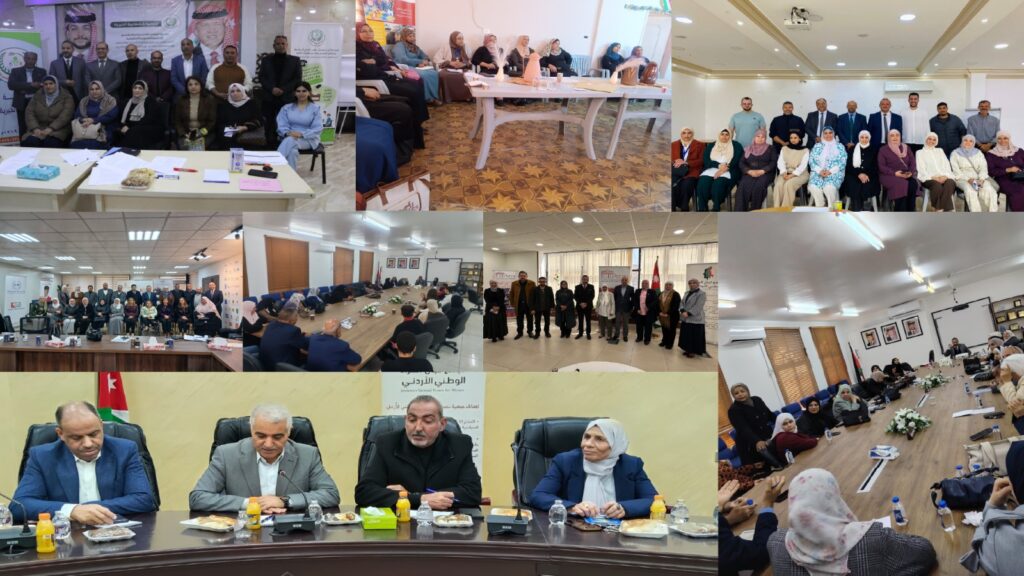
The Arab Renaissance for Democracy and Development (ARDD), in partnership with UN Women Jordan and in collaboration with member organizations of the Tawasol Network including Al- Sumou Association, Al-Shehabiyya Charitable Association, Al-Hessa Charitable Association for Orphans and the Poor, Jordanian National Forum for Women, Ghor AlHadetha Women’s Charity Association, and I am Human Society for Rights of PWD, organized a series of national dialogue sessions during February and March 2026 across Aqaba, Karak, Tafileh, Ma’an, Southern Ghor, and Amman. The sessions brought together members of the Tawasol Network alongside a wide range of national and local stakeholders involved in crisis management, including representatives from governorates, municipalities, relevant ministries, national institutions, and civil society organizations. Conducted under the Tawasol Project, the sessions aimed to strengthen locally driven approaches to crisis prevention, preparedness, and response. They focused on the importance of enhancing coordination between civil society and public institutions, while supporting the complementary role of local organizations, particularly women-led organizations, in contributing to planning processes, community engagement, and awareness raising efforts. Discussions among CBO representatives and official stakeholders emphasized the importance of a localized and coordinated approach to crisis management, including early warning, risk reduction, and effective response. Both groups highlighted the need to clarify roles and responsibilities, strengthen communication channels, and establish more structured coordination mechanisms to ensure timely and efficient responses. Participants also stressed the importance of inclusive participation, emphasizing the meaningful engagement of women, youth, and persons with disabilities as active partners in decision-making processes related to crisis management. Key challenges such as climate change, resource limitations, and economic pressures were highlighted, alongside the importance of strengthening early warning systems and improving preparedness at both local and national levels. Following this, and in line with Tawasol’s commitment to an inclusive and participatory approach, the sessions also included targeted engagements with youth and persons with disabilities (PWDs) to further explore their unique perspectives, challenges, and roles in crisis preparedness and response, and to identify tailored approaches to enhance their inclusion in decision-making processes. in addition, two of the sessions implemented in collaboration with the Jordanian National Forum for Women and Al-Hessa Charitable Association generated recommendations that requires further discussions within the same dialogue process. These discussions helped validated and refine findings and strengthened alignment between local actors and stakeholders on proposed coordination mechanisms and action points. Across the different locations, the sessions generated practical recommendations directed to relevant local stakeholders, including CBOs and public institutions, with the understanding that their further development and adoption would be considered in coordination with the relevant government entities. These recommendations included the potential development of coordination protocols, identification of focal points, creation of shared resource databases, and the design of joint trainings and simulation exercises as part of future roadmap. The sessions resulted in strengthened coordination between CBOs and official stakeholders in targeted areas and reinforced the role of the Tawasol Network as a platform for early warning, knowledge exchange, and community-based response. Participants noted that “strengthening coordination and clearly defining roles are essential to ensuring faster and more effective crisis response,” and emphasized that “local communities, including women and youth, must be at the center of planning and response efforts.” These engagements underscore the role of the Tawasol Network as a collaborative platform that connects communities with decision-makers and contributes to building more resilient, inclusive, and well-coordinated local systems in Jordan. This initiative comes within the framework of ARDD’s “Women’s Access to Justice” program and as part of implementing the Jordanian National Action Plan on UN Security Council Resolution 1325 (JONAP II), with support from the JONAP Pooled Fund, reaffirming the importance of strengthening women’s roles in peacebuilding and enhancing community preparedness in responding to crises.
Beyond Emergency Response: The Humanitarian Dimension of a Regionalized Crisis
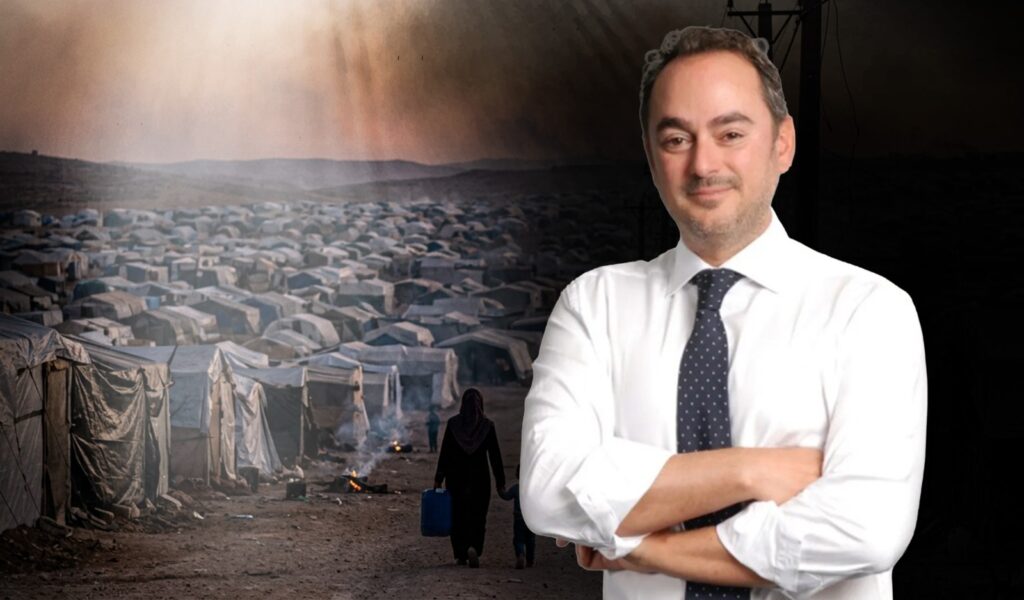
Times of War: Regional Policy Dialogue Series – Session Summary Overview As the humanitarian consequences of the regional crisis continue to deepen, the Renaissance Strategic Center (RSC) convened, on May 3rd, 2026, the fourth webinar of its ongoing Times of War: Regional Policy Dialogue Series. The session, entitled “Beyond Emergency Response: The Humanitarian Dimension of a Regionalized Crisis,” examined the role of humanitarian and development actors in responding to an increasingly protracted and regionalized conflict landscape. The webinar explored the structural limitations of emergency-only responses, the mounting challenges facing the humanitarian sector from funding shortfalls and operational access constraints, stressing that early recovery must happen alongside humanitarian relief, with prevention serving as an always-on priority. The invited speaker, Dr. Giordano Segneri, Team Leader for Governance, Peacebuilding and Crisis Response at the UNDP Regional Hub for Arab States, offered an in-depth analysis drawing on UNDP’s operational experience across Syria, Yemen, Gaza, Iraq, Sudan, and Somalia. He argued that humanitarian and development challenges are increasingly intertwined, and where de-escalation and humanitarian access are urgent and non-negotiable, they must be matched simultaneously by early recovery efforts. This integrated approach is essential to reduce the humanitarian caseload, rebuild local capacities, and progressively transition affected populations away from long-term aid dependency toward sustainable self-reliance. The discussion was moderated by Dr. Mariam Abu Samra, Head of the Renaissance Strategic Center at ARDD. The Evolving Nature of Crisis in the Arab States Dr. Segneri opened the fourth session of the Times of War Series by situating the current humanitarian landscape within a broader structural analysis. Crises in the Arab region, he argued, are no longer disconnected shocks but increasingly protracted, compounded, and interconnected. Conflict dynamics are shaped by overlapping factors: social and political tensions, displacement, environmental pressures, and water scarcity. Fragmentation of governance further complicates humanitarian reach and recovery. The spillover effects are equally significant; instability in one country fuels displacement, economic stress, and insecurity across borders, affecting even relatively stable states. The recent military escalation between Iran, Israel, and the United States illustrated this dynamic starkly: within the first four weeks of the regional escalation, UNDP estimated a GDP contraction of 3.7 to six percent regionally and a rise in unemployment affecting 3.6 million people, with up to four million additional individuals at risk of sliding into poverty. Lebanon alone saw over one million people displaced, alongside 250,000 Syrian refugees moving back and 50,000 Lebanese crossing into Syria. Funding gaps compound the crisis. The Syria Regional Refugee and Resilience Plan (3RP), co-led by UNDP and UNHCR, was funded at only 26 percent in 2025 – the lowest level since the plan’s inception, while major Arab crises remain severely underfunded, with some responses at just 20 percent last year. Trade route disruptions, rising energy prices, and fuel inflation have further eroded the region’s economic situation, where many governments face budgetary constraints in their efforts to maintain services and meet the costs to cope and respond to crisis. The Challenges Facing the Humanitarian Sector Operational Access and the Politicization of Aid Humanitarian access remains severely limited across multiple crisis contexts. In Gaza, the operational environment remains restricted, and in places like Sudan, Syria, and Yemen, insecurity, bureaucratic impediments, and fragmented territorial control continue to undermine the predictability and reach of aid delivery. The politicization of aid adds a further layer of complexity. Parallel governance structures and the influence of non-state armed groups as de facto service providers, increase the risk of aid diversion, compromise staff security, and raise difficult questions about engagement and legitimacy. Funding Architecture and Systemic Gaps The current donor-funding model, Dr. Segneri argued, is not equipped to address protracted crises, where critical investments in early recovery, such as restoration of livelihoods, economic connectivity, restoration or repair of critical infrastructures, maintenance of basic services, and preventing municipal capacities from further erosion or collapse are often de-prioritized. This creates a self-reinforcing cycle: without early recovery, humanitarian caseloads stagnate or expand; without flexible, multi-year financing, agencies cannot plan or invest with the necessary time horizon that enables continuity beyond the emergency phase. In the current funding landscape, it is also paramount to diversify financing mechanisms, including through blended finance instruments, concessional loans, engagement with philanthropic actors, and explore insurance instruments increasingly used in disaster-prone settings. He noted the importance of developing internal institutional capacity to engage with such innovative financing approaches. As a practical way to accelerate recovery, he pointed to the need to engage more with the private sector, as even in a crisis, communities reconnect with markets. He advocated for a three-track approach (short, medium, longer term) to accompany the transition from emergency employment to sustainable livelihoods, requiring routine assessments to value chains, promotion of financial inclusion, and private sector strengthening. He also stressed the importance of engaging non-traditional partners, including Chambers of Commerce, Manufacturing and Industrial Bodies, as actors capable of contributing meaningfully to crisis recovery. The Case for Early Recovery The central argument of Dr. Segneri’s presentation was a strong call to consider early recovery as an integral component of humanitarian response – not a sequel to it. He invoked UNDP Administrator Alexander De Croo, framing: “We cannot afford to wait for the dust to settle. We must bridge the gap between emergency relief and sustainable recovery from day one.” Early recovery investments, he argued, yield immediate and compounding benefits. They restore livelihoods and agricultural systems by repairing irrigation infrastructure. They enable municipalities to resume essential functions such as solid waste management, provision of documentation services; and fixing electricity, sewage or water systems. They provide communities with a sense of purpose and agency, reducing dependency on aid over time. Dr. Segneri drew on UNDP’s work in Gaza as a concrete example: 600,000 tons of solid waste collected by 16 trucks and a 50 fleet vehicle; over 280,000 tons of debris cleared; a third of that rubble crushed and reused; and support to small businesses at the base of productive value chains. In Syria, it has become clear that context-sensitive area-based programming, carried out
SSC Enhances the Capacities of Insurance Awareness Committees Toward More Inclusive Social Protection
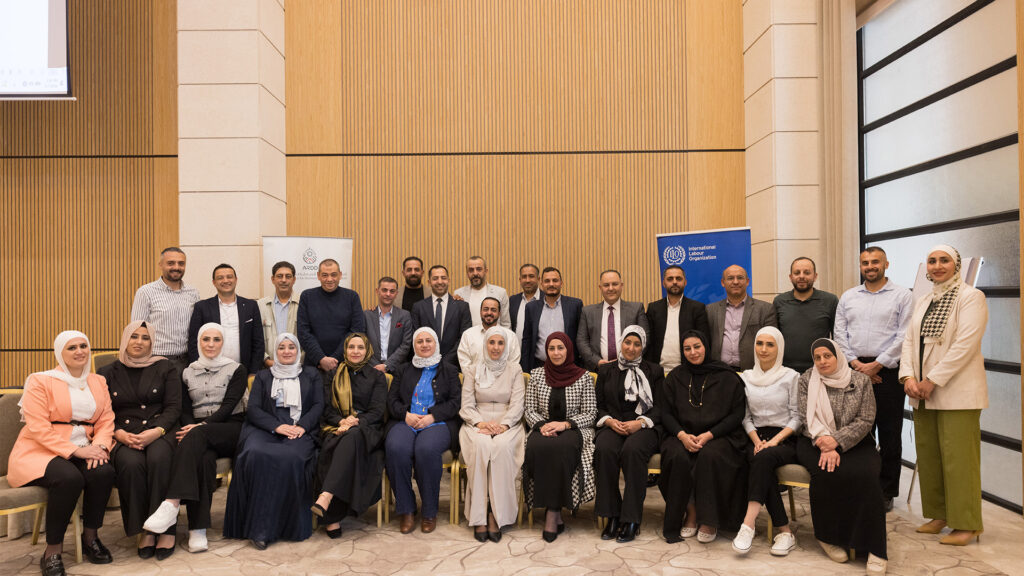
The Arab Renaissance for Democracy and Development (ARDD), in partnership with the International Labour Organization (ILO) and the Social Security Corporation (SSC), implemented a specialized training program entitled “Facilitation Skills and Effective Community Communication and Outreach,” with the participation of 50 employees from the SSC’s Insurance Awareness Committees teams. The training was held in Amman, Jordan, across two training sessions. This training comes as part of the SSC’s ongoing efforts to strengthen the capacities of its staff and enhance their readiness to engage with different segments of society through investing in specialized capacity-building programs in awareness-raising and community outreach. The initiative aims to improve the effectiveness of awareness services and respond to the evolving challenges and changes related to the labor market and social protection in Jordan, particularly by enhancing outreach to workers most in need within the informal economy. The training program seeks to improve access for workers in the informal economy and other vulnerable groups to the insurance-related information and services provided by the SSC in a clearer and more effective manner. It also focuses on delivering simplified, rights-based messages that contribute to expanding social protection coverage and strengthening public trust in institutions and the services they provide. The training covered several key themes, including skills for building trust and engaging effectively with workers, mechanisms for handling difficult situations during awareness sessions, as well as planning and organizational skills, awareness content development, and designing tailored sessions for different target groups. These efforts contribute to enhancing the impact of awareness activities and increasing workers’ benefit from them. This training is part of broader joint efforts to raise awareness of social and insurance rights under the “Afaq” project funded by the Netherlands, and the “Estidama++” program funded by the Netherlands, Norway, and the United Kingdom. These initiatives support access to more inclusive and sustainable social protection systems in Jordan. The project aims to enhance access to social protection systems and reduce informal labor through strengthening the capacities of professionals working in awareness and outreach with workers across Jordan, with a particular focus on reaching the most vulnerable groups, including women workers and refugees.
Palestine at the Center of Regional War: Expanding Colonial Annexation and Political Violence
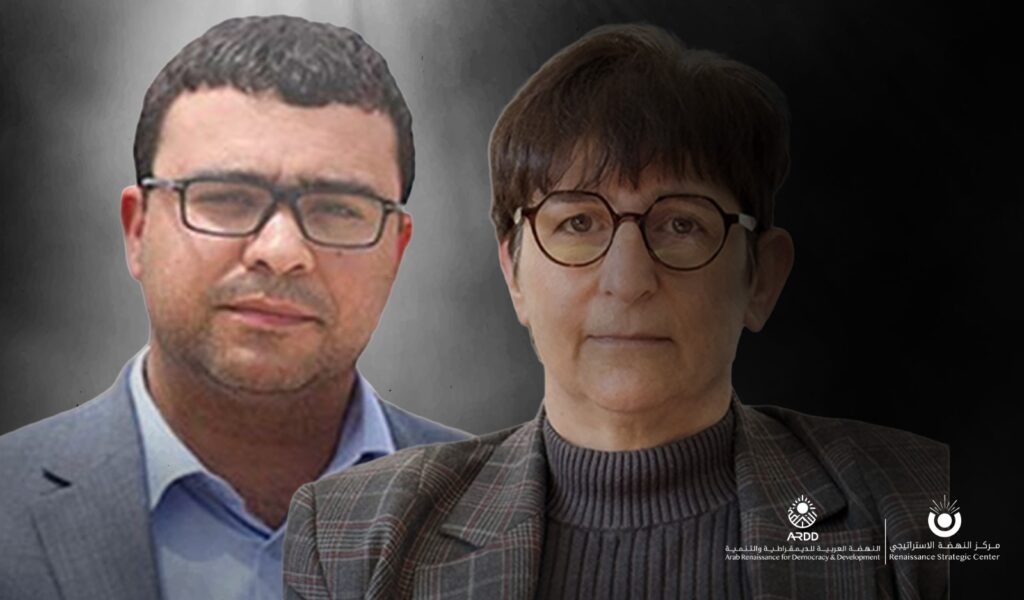
Times of War: Regional Policy Dialogue Series Featuring Sahar Francis, Palestinian Human Rights Lawyer and defender of Palestinian political prisoners for over 25 years, and Dr. Munir Nusaibah, Assistant Professor at Al-Quds University’s Faculty of Law and Director and Co-founder of the Al-Quds Human Rights Clinic Overview The Middle East faces a dangerous escalation of conflict rooted in long-standing, unresolved structural issues like colonial legacies and the unresolved question of Palestine. In response, the Renaissance Strategic Center (RSC) convened an online policy dialogue on April 27, 2026, as part of the Times of War: Regional Policy Dialogue Series. This session focused on “Palestine at the Center of Regional War: Expanding Colonial Annexation and Political Violence.” The webinar examined how current forms of colonial violence in Palestine, including accelerating land annexation in the West Bank, the formalized death penalty of prisoners, and broader forms of political repression, are shaping and being shaped by the wider regional war. It explored how Palestine remains central to understanding the current regional crisis and its future trajectories. Invited panellists, Sahar Francis, Palestinian Human Rights Lawyer and defender of Palestinian political prisoners for over 25 years, and Dr. Munir Nusaibah, Assistant Professor at Al-Quds University’s Faculty of Law and Director and Co-founder of the Al-Quds Human Rights Clinic, provided an in-depth analysis on how the death penalty law, the tratement and abuse toward Palestianian prisoners, the acceleration of land annexation and political repression in the West Bank, all constitute a central element to understand the actual dinamycs behind the current regional war. The discussion was moderated by Dr. Mariam Abu Samra, Head of the Renaissance Strategic Center at ARDD. Palestine at the Center of Regional War Dr. Mariam Abu Samra began the session by emphasizing that Palestine is part of a colonial logic and project, which extends beyond its immediate geography. Structures of displacement, territorial expansion, and violence define not only Palestine, but the broader region as well. Palestine is both central to and affected by the current regional war. The Treatment of Palestinian Prisoners Sahar Francis explained that the escalation in the abuse of Palestinian prisoners is a structural component of an illegal settler-colonial project, sustained by a normalized, discriminatory dual legal system and by international inaction. The weaponization by Israel of legal instruments is integral to the context of the normalization of violence historically implemented by Israel, including the legalization of the death penalty by its judicial system. This system relies on British Emergency Regulations and the 2016 “Anti-Terror Law,” culminating in the March 30, 2026, passage of a death penalty law that removes key judicial safeguards, resulting in a system described by experts as fundamentally unreformable and in need of dismantling. The Israeli military legal system in the occupied territories systematically bypasses international humanitarian law by applying draconian 1945 British emergency regulations that prioritize secrecy over fair trial standards. Although the death penalty was already part of the Israeli military legal system, the decision had to be taken by consensus, and the military authority had the capacity to grant amnesty and to commute the sentence. The March 30, 2026, amendment to the Death Penalty for Terrorists Law further removes key judicial safeguards, establishing a discriminatory legal framework that targets just Palestinians as such. It is a discriminatory law that reflects the legal apartheid system; military laws in occupied territories are just against the Palestinian people, and not against settlers. According to international humanitarian law, new legislation by an occupier must take into consideration the protection of the interests of the people under occupation; the death penalty does not respect this. International human rights organizations and several special rapporteurs have written about these critical aspects in the Israeli military court system, and the latest report by Francesca Albanese, the UN Special Rapporteur on the situation of human rights in the Palestinian territories, emphasized with even greater clarity that there is no way to amend this system; it must be dismantled, as it is a grave violation of international law. The Abuse of Palestinian Prisoners Conditions in Israeli detention centers have deteriorated sharply since October 7, 2023, with reports of widespread, systematic torture and brutality against over 30,000 Palestinian detainees arrested since October 7. Documentation suggests these actions, which have resulted in numerous inmate deaths, constitute a systematic policy rather than isolated incidents, resulting in the death of many prisoners. The rights of prisoners are being abused to an unprecedented level by deliberate medical neglect, intentional starvation, and the cutting of essential resources like water and electricity. Prisoner rooms are raided daily, and families and the Red Cross have been prohibited from visits. Reports indicate that over 89 detainees, including a child, have died amidst a widespread, untreated scabies outbreak caused by severe hygiene deficiencies and total isolation from the outside world. There have been reports of extended periods of interrogation and detainment without charge or trial, with some detainees enduring more than two years in administrative detention, including children. The total number of detained children is currently 350, with a total of 10,000 Palestinians currently in detention. More than 700 bodies of those who died in detention have been held by Israeli authorities, some from decades ago. This amounts to collective punishment against the families of the deceased. The Broader Context It is important to consider the abuses of Palestinian prisoners in the broader context of the Israeli regime, which systematically applies apartheid, genocide, and abuse of the Palestinian people. All these violent actions have worsened since October 7. Furthermore, the parliament’s approval of the Death Penalty Law, following years of political opposition in Israel, highlights a prevailing sense of impunity. Consequently, it’s not surprising to witness a simultaneous rise in the torture and mistreatment of Palestinian prisoners. Efforts to normalize the violent suppression of Palestinians are part of a larger agenda. This situation serves in fact as a critical test: if the international community permits these new standards to take root, it could signify the termination of international law. A structural analysis
Accountability on Stage: A Talk with UN Special Rapporteur oPt
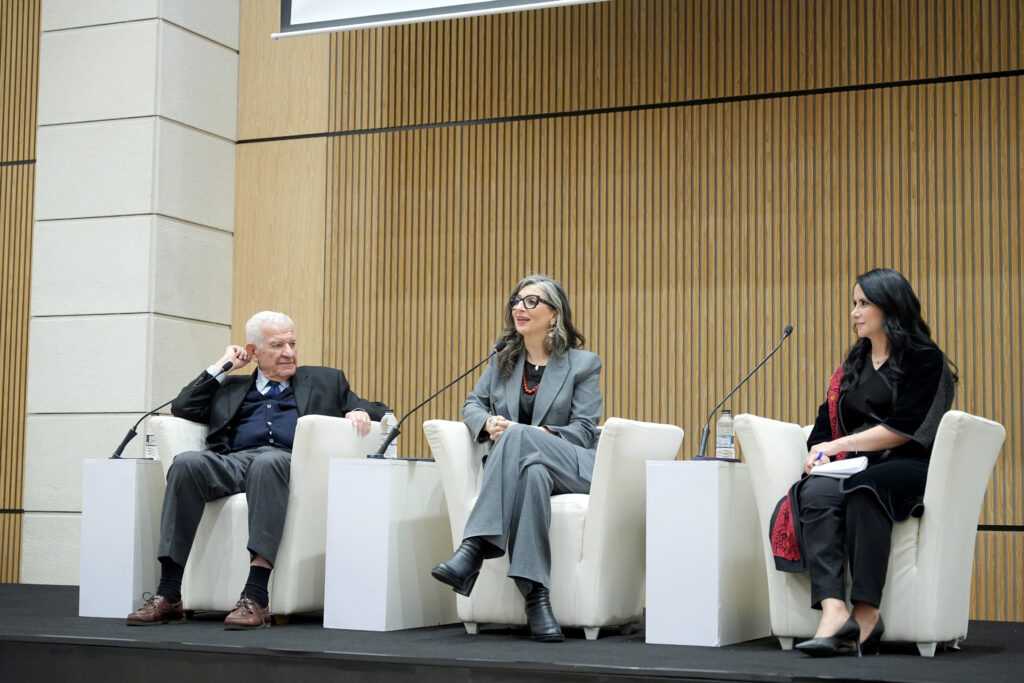
Nearly 1,000 Voices Gather in Amman for a Public Dialogue on International Law, Corporate Responsibility, and Palestine Anchoring Justice, Legal Evidence, Civic Mobilization, and the Future of Accountability Discussing the Stories Behind the Reports and the Book When the World Sleeps: Lived Experience and Collective Memory The Renaissance Strategic Center (RSC) at the Arab Renaissance for Democracy and Development (ARDD), convened “A Talk with Francesca Albanese,” United Nations Special Rapporteur on the situation of human rights in the Palestinian Territory occupied since 1967. Held as part of RSC’s Question of Palestine Program, the event brought together nearly 1,000 participants, including Their Royal Highnesses Princess Basma bint Talal, Princess Ghaida, and Princess Dina Mired, alongside parliamentarians, senators, former ministers, diplomats, academics, civil society leaders, youth representatives, and members of the international community. The dialogue featured international lawyer and Chief Editor of the Palestine Yearbook of International Law, Dr. Anis Kassim, and was moderated by Adv. Samar Muhareb, Executive Director of ARDD, presented by Adv. Mary Nazzal Batayneh, justice activist, barrister, and impact-driven entrepreneur. Opening the evening, Adv. Mary Nazzal Batayneh emphasized the importance of translating legal analysis into collective action and public engagement: “This evening is about understanding the moment we are living in, and how principled legal work can be transformed into meaningful action toward accountability.” Honoring Principled Leadership Moderating the dialogue, Adv. Samar Muhareb underscored that the gathering was also intended as recognition of principled leadership within international human rights work: “Tonight, we gather not only to listen, but to honor Francesca Albanese — a voice of courage and integrity whose work reminds us that international law must remain anchored in justice and human dignity.” Muhareb reaffirmed ARDD’s commitment to sustaining inclusive spaces where legal scholarship, policy dialogue, and civic engagement intersect. Shedding light on economic responsibility and contemporary conflict, Dr. Anis Kassim introduced Albanese’s latest report and reflected on the significance of her contribution to contemporary international legal discourse: “Francesca Albanese stands among the strongest contemporary defenders of dignity, peace, and justice. Her reports present rigorous legal analysis and documented facts that will remain essential to international accountability efforts.” He emphasized the critical role of independent legal documentation in informing judicial processes and preserving the historical record. Albanese’s report From Economy of Occupation to Economy of Genocide, examines the intersection between economic systems and situations of occupation and conflict, raising important discussions regarding corporate responsibility and international legal obligations. Albanese noted that modern conflicts increasingly operate through interconnected global economic and technological structures, shaping realities far beyond traditional political arenas. During her talk, Francesca Albanese reaffirmed the legal foundation of her UN mandate: “My role is to document and monitor violations of international law — no more and no less.” Addressing regional concerns surrounding Israeli expansionist political narratives, she cautioned against interpreting developments solely through territorial frameworks: “If we see this only as territorial expansion, we misunderstand it. It is a project of domination that does not necessarily require boots on the ground.” Her remarks situated the Palestinian question within broader transformations affecting governance, technology, and power relations within the contemporary international system. The evening also marked the Jordan presentation of Albanese’s book When the World Sleeps, written alongside her UN reporting work. Moving beyond technical legal discourse, the book presents Palestine through encounters with individuals whose lived experiences illuminate the human realities behind legal terminology. Reflecting on the book’s purpose, Albanese explained: “I wanted to tell how I came to understand Palestine, not only through law, but through people and their stories.” Now translated into eighteen languages, the publication reflects growing international engagement with accessible approaches linking international law, lived experience, and collective memory. The event concluded with a public book signing attended by participants from diplomatic, academic, and civil society communities. At the conclusion of the discussion, H.R.H. Princess Basma bint Talal expressed appreciation to Ms. Albanese for her steadfast dedication to advancing international legal accountability and for amplifying principled voices working toward justice and human dignity. ARDD also extends its sincere appreciation to the Government of Jordan for its continued support in enabling constructive dialogue and facilitating spaces that bring together international expertise, civil society, and public engagement around issues of regional and global importance. ARDD further extends its gratitude to the Landmark Hotel Amman, partners, and participants whose contributions enabled a meaningful and widely attended exchange.
Localizing Social Security Reform in the Arab World:Protecting the Social Contract Before Protecting the Balance Sheet
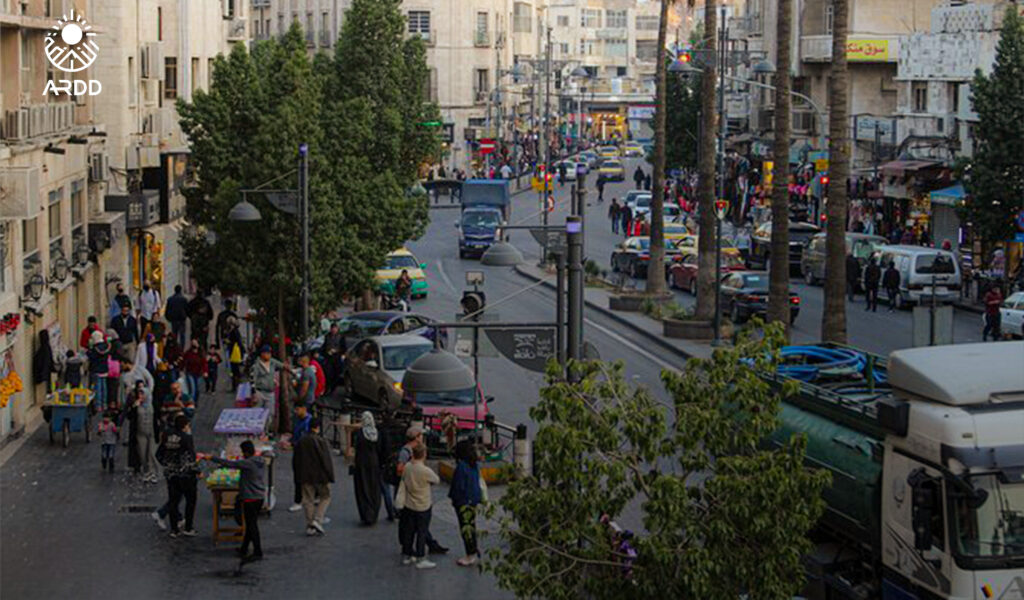
Across the Arab world, social security reform is increasingly framed as a technical inevitability. Demographic shifts, fiscal pressures, debt sustainability concerns, and labor market volatility are presented as universal challenges requiring standardized solutions. Retirement ages are raised, contribution periods are extended, replacement rates are recalibrated, investment strategies are expanded. Therefore, the language became actuarial, but the tone is managerial. But social security is not merely an actuarial formula, it is the institutional expression of a social contract. It determines how societies distribute risk across generations, how they protect deferred wages, and how they guarantee dignity in old age. When reform becomes primarily a fiscal exercise, especially in economies shaped by informality, displacement, and fragile labor markets, the result can be structural misalignment rather than sustainability. Accordingly, the Arab region must reform its social security systems, but it must localize that reform. The Global Reform Template and Its Assumptions Since the 1990s, pension reform worldwide has been shaped by frameworks promoted by international financial institutions, particularly the World Bank and the IMF. The World Bank’s 1994 report “Averting the Old Age Crisis” introduced the multi-pillar pension model, combining public mandatory systems with funded private components. Over time, reform vocabulary consolidated around parametric adjustments, fiscal consolidation, funded investment strategies, and diversification through capital markets. These approaches were presented as “best practice”, technically sound, globally tested, economically rational. Yet subsequent experience revealed complexity. Several countries that adopted partial or full privatization, including Argentina, Hungary, and Poland, later reversed or modified reforms due to high transition costs, administrative burdens, and coverage gaps. In some cases, transition financing costs exceeded 1–2% of GDP annually, funded pillars did not automatically expand coverage among informal workers, and administrative fees reduced expected returns. Hence, the lesson is not that reform is unnecessary, but it is that models embed assumptions. They assume high formal employment, continuous 30–35 year contribution histories, stable wage reporting, deep capital markets, and strong regulatory institutions. In many Arab economies, these assumptions do not hold. Informality and Structural Exclusion Globally, the International Labour Organization estimates that nearly 60% of the world’s workforce operates in informal employment. In parts of the Arab region, informality ranges from 30% to over 70% depending on sector and country. Female labor force participation in several Arab states remains among the lowest globally, often below 25%, with employment patterns shaped by unpaid care responsibilities and intermittent engagement. Youth unemployment frequently exceeds 20–30%. Refugees and displaced populations form a significant share of labor ecosystems in several countries. A pension architecture built on uninterrupted formal employment implicitly excludes: Seasonal and casual workers Informal micro-enterprises Migrant and refugee labor participants Women with interrupted contribution histories When retirement ages are raised in systems where contribution density is already low, actuarial sustainability may improve on paper while effective coverage declines in practice. Therefore, reform without structural adaptation risks codifying exclusion, and localization requires recognizing hybrid labor realities rather than designing systems around idealized formal labor markets. Fiscal Consolidation and Social Protection Space Across developing economies, pension reform often unfolds within broader macroeconomic stabilization programs. Studies reviewing IMF-supported programs in recent years have shown that in a majority of cases, fiscal space contracted despite the presence of “social spending floors.” While these floors signal recognition of social needs, they often function as minimum thresholds rather than expansion frameworks. Parametric reforms, raising retirement ages, extending contribution periods, tightening eligibility, are commonly recommended under fiscal consolidation logic. Such measures may strengthen actuarial ratios. But when applied in contexts characterized by informality, displacement, and fragile job creation, they can reduce effective accessibility. Social security sustainability is necessary, yet sustainability strategies cannot be detached from labor structure, and localization is not resistance to fiscal responsibility, however it urges the recognition that fiscal metrics and social cohesion are interconnected. Pension Funds as Development Instruments: Opportunity and Risk In many Arab countries, pension funds represent some of the largest domestic institutional investors. They hold significant shares of sovereign bonds and participate in strategic sectors such as infrastructure, real estate, banking, and energy. Globally, pension funds in several middle-income countries hold more than 40–50% of assets in government debt instruments. In fragile or debt-constrained contexts, pension reserves can quietly become substitutes for missing revenue or vehicles for national development financing. Investment is necessary for sustainability, in one condition, hierarchy to be a must: Protection must come first, sustainability second, then investment third. But When pension reserves are used to cover fiscal deficits, or finance politically directed projects, and compensate for declining aid flows, the institutional identity of the system shifts. These assets represent accumulated worker contributions, and deferred wages, not state liquidity, or sovereign wealth fund, or development bank, and for sure it is not a short-term fiscal stabilizer. Localization requires structural safeguards: legal insulation of reserves, transparent investment mandates centered on prudence, limits on government borrowing from pension assets, and independent actuarial oversight. As without governance clarity, even technically sound systems become vulnerable to politicization. The Targeting Dilemma Over the past two decades, global discourse has shifted from universal welfare expansion toward targeted safety nets. Means-tested assistance and digital registries have expanded in many developing countries. Targeted systems can reduce immediate fiscal costs. However, international evaluations have documented significant exclusion errors in means-tested approaches. Administrative burdens often fall disproportionately on informal workers. Systems designed to minimize leakage sometimes inadvertently minimize access. Universal or quasi-universal models, while more costly upfront, tend to generate stronger compliance cultures and social legitimacy over time. For Arab societies grappling with trust deficits and fragile labor markets, legitimacy becomes secondary variable, not central to sustainability. Displacement, Mobility, and Hybrid Labor Ecosystems Several Arab countries host substantial refugee populations. Workers frequently move between formal and informal sectors, between legality and precariousness, and across borders. Designing social security systems as if labor markets resemble stable OECD formalization patterns ignores this reality. Localization requires flexible contribution recognition, portability mechanisms, and institutional arrangements that reflect labor mobility. Without such mechanisms, reform reinforces segmentation rather than protection. Gender and Structural Neutrality Uniform retirement
Why an Option to Retire at 55 May Be Reasonable for Some Women Toward a Fair Approach Based on the Life Cycle and Economic Dignity
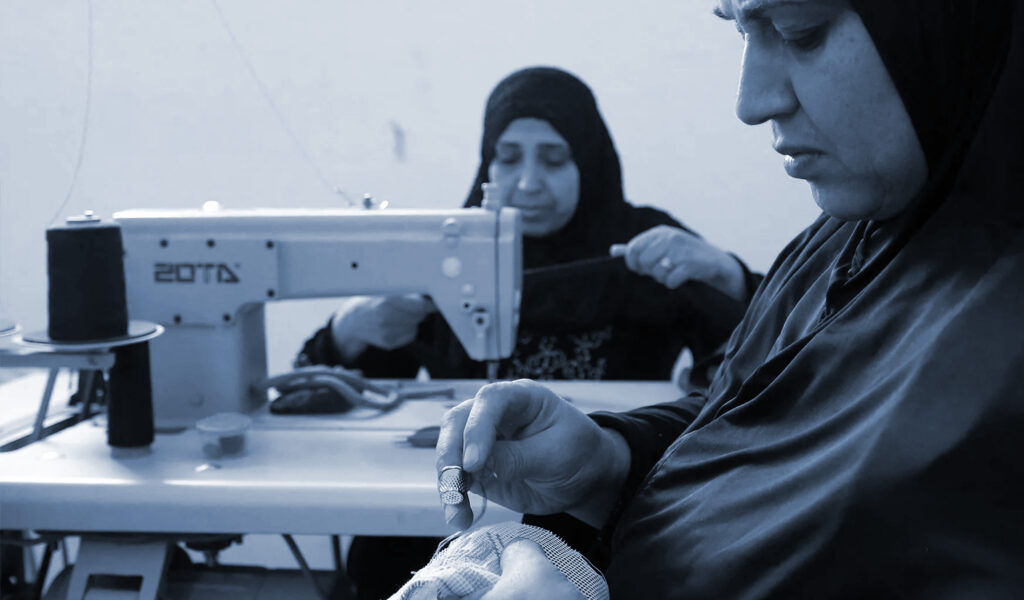
In public debates on pension systems in the Arab region, the issue is often framed primarily in terms of financial sustainability: fund deficits, rising life expectancy, and growing pressure on public expenditure. Yet, important as this perspective may be, it often overlooks a deeper question linked to social justice between women and men: do current pension designs truly reflect the realities of women’s lives, and their professional and social trajectories? Proposing the option for women to retire at age 55 should not be understood as a call for women to withdraw from the labour market. Rather, it is an approach that recognises the structural differences between men’s and women’s life paths, and the accumulated, often invisible burdens women carry over decades. Research literature in occupational health, economic sociology, and social protection policy suggests that making retirement at age 55, or flexible retirement starting from that age, an available option for women rather than a mandatory rule, can be part of a fairer and more life-course-sensitive design. This argument is grounded in a set of interconnected considerations: A health and psychological consideration: reducing chronic stress and cumulative exhaustion after decades of combining paid work with unpaid care responsibilities, which can improve quality of life and support preventive health in midlife. An economic and professional consideration: enabling a gradual transition from full-time employment to more flexible and productive forms of work suited to this stage (consulting, community work, small entrepreneurship), rather than an abrupt exit from the public sphere. A family and care consideration: supporting women’s ability to provide care for ageing parents or family members whose needs often increase at this stage, without care becoming a politically or economically unrecognised burden. A labour market consideration: contributing to the redistribution of opportunities in labour markets facing high youth unemployment, through gradual solutions such as partial retirement or reduced working hours, rather than a zero-sum trade-off between generations. To understand these considerations within a coherent explanatory framework, the literature draws on several theoretical approaches that help interpret “early retirement” as a life-course transition rather than a withdrawal from productivity. Among the most prominent are the following. First: The Life Course Perspective, Reading Invisible Accumulation Life Course Theory emphasises that major decisions in midlife are not isolated from the historical and social context that preceded them. In the Arab region, women often begin their professional lives under strong family expectations, then enter motherhood and caregiving stages without a fair redistribution of roles within the household. International Labour Organization data show that women perform three times as much unpaid work as men, including childcare, care for elderly parents, and household management. This invisible labour is not counted in GDP calculations, nor is it recognised in pensionable years of service. Yet it steadily depletes women’s physical and psychological capital. By the time women reach their mid-fifties, they have not only completed “30 years of work,” but 30 years of double work. Second: Midlife Health, a Neglected Dimension in Public Policy Age 55 roughly coincides with a significant biological transition in women’s lives: the period before and after menopause. World Health Organization reports indicate that this phase may be associated with higher rates of anxiety and sleep disorders, as well as increased risks of heart disease under chronic stress. Occupational health studies also show that long-term exposure to work-related stress increases the likelihood of burnout and depression, particularly among women who carry additional caregiving responsibilities. In this context, reducing work-related pressure at this stage should not be treated as a luxury, but as an investment in public health and a way to reduce the costs of treatment and healthcare later in life. Third: Redefining Productivity, From Employment to Purpose Socioemotional Selectivity Theory (Laura Carstensen) explains that as individuals age, they tend to reorder priorities, shifting from long-term institutional achievement toward meaning, relationships, and quality of life. This shift does not mean lower productivity; rather, it reflects a change in its form. Many women at this stage move into advisory roles, volunteering, community engagement, or establish small initiatives grounded in accumulated experience. Accordingly, retirement at 55 should not be understood as an exit from the public sphere, but as a transformation in the nature of participation. Fourth: Social Justice Between Women and Men and Social Security Systems Pension systems in most Arab countries were historically designed around the “male breadwinner” model, assuming continuous and uninterrupted career paths. Women’s trajectories, however, often include periods of interruption due to motherhood or caregiving. As a result, many women receive lower pensions despite their greater overall social contribution. From the perspective of social justice between women and men, it becomes legitimate to consider policies that recognise this structural gap, such as: Counting care periods within years of service. • Allowing flexible retirement without harsh penalties. • Providing professional transition programmes after age 55. Fifth: The Macroeconomic Dimension, Between Sustainability and Flexibility The financial dimension cannot be ignored. Social security funds in a number of Arab countries face real sustainability challenges. However, the solution does not lie in raising retirement ages uniformly without accounting for differences between women and men. A more balanced approach includes: Adopting partial retirement models. • Allowing reduced working hours before full retirement. • Providing incentives for voluntary retirement savings for women from an early age. In this way, financial sustainability can be protected while respecting the specificity of women’s labour market trajectories. Sixth: From Protection to Empowerment At its core, this debate is not about exempting women from work, but about empowering them to choose the timing and form of their transition from formal employment to a more flexible stage of life. Policies that are attentive to differences between women and men are not an emotionally driven form of positive discrimination. They are, rather, a correction to historical imbalances in the design of economic systems. When the state grants women the option to retire at 55 within a safe and sustainable framework, it does not diminish women’s productive value. It recognises that economic dignity includes the right
A Talk with Francesca Albanese
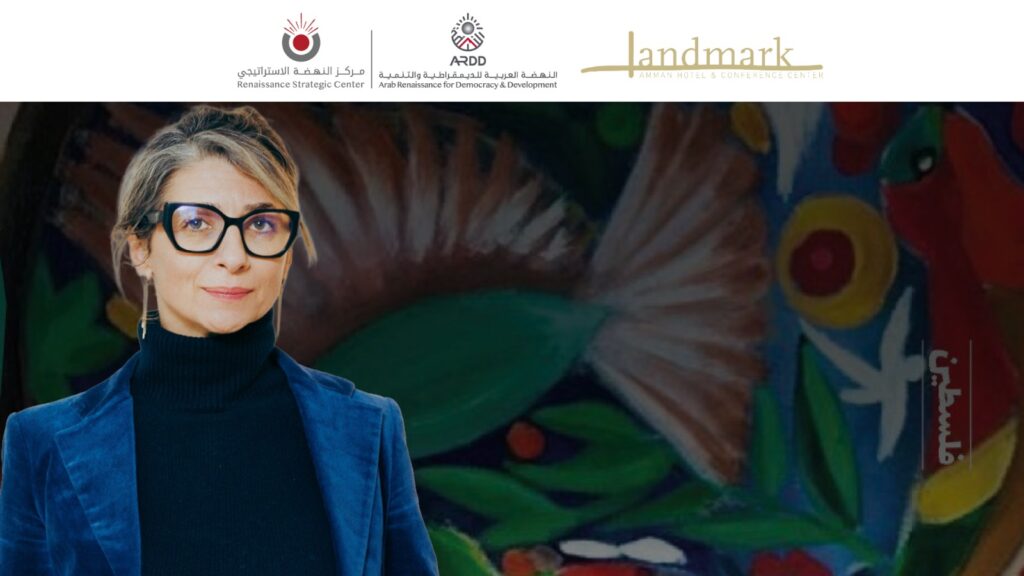
The Renaissance Strategic Center at the Arab Renaissance for Democracy and Development (ARDD), in cooperation with Landmark Hotel, cordially invites you to attend A Talk with Francesca Albanese, United Nations Special Rapporteur on the situation of human rights in the Palestinian Territory occupied since 1967. The discussion will feature Dr. Anis Kassim, international lawyer, Chief Editor of the Palestine Yearbook of International Law, and member of the Global Network on the Question of Palestine It will be moderated by Adv. Samar Muhareb, Executive Director of the Arab Renaissance for Democracy and Development (ARDD). The event will be presented by Adv. Mary Nazzal Batayneh, Justice activist, barrister, and impact-driven entrepreneur. To register for the event, please follow the Link (press here), bring the confirmation letter, and attend half an hour ahead of the event