Maria Giovanna Mariani
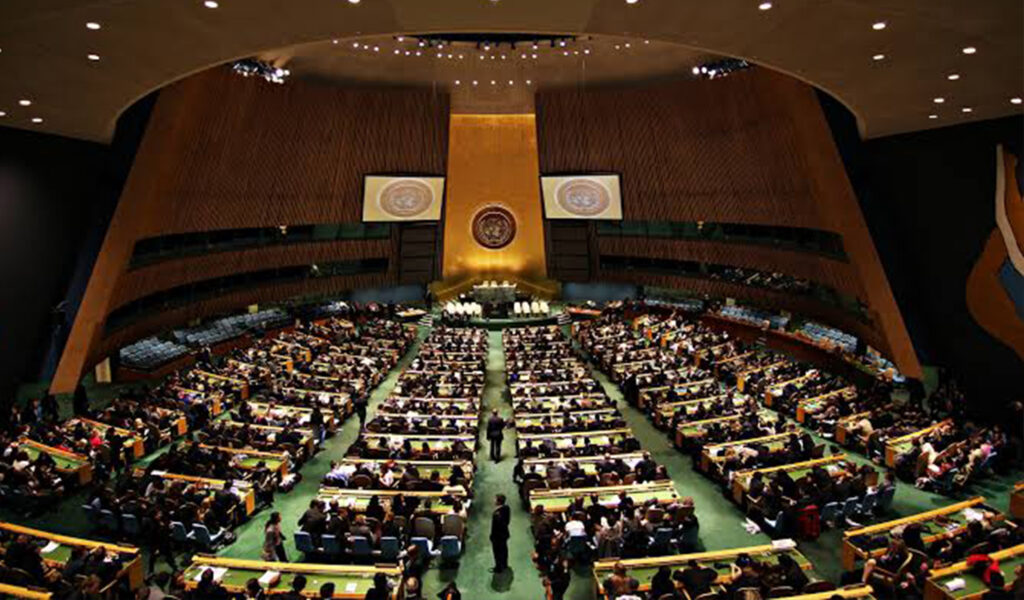
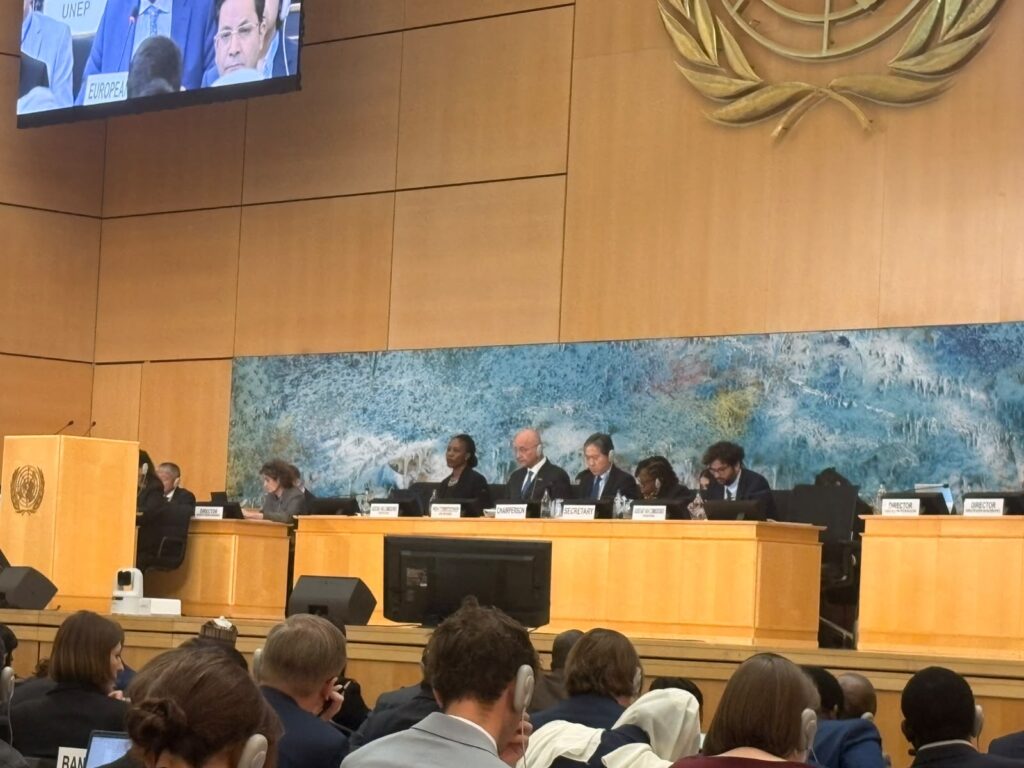
The 77th session of the Executive Committee of the United Nations High Commissioner for Refugees (UNHCR), held in Geneva from 12 to 16 October 2026, provided an important opportunity to reflect on the future of international protection. It was the first Executive Committee session addressed by the new High Commissioner for Refugees, Barham Salih.
Through its collaboration with Independent Diplomat, the Arab Renaissance for Democracy and Development (ARDD) participated in these discussions, bringing Jordanian and regional civil society perspectives on durable solutions, localization, responsibility-sharing, and UNHCR’s evolving role.
A central focus was the “50 by 35” initiative, which aims to halve the number of refugees living in protracted displacement and dependent on humanitarian assistance by 2035. As the High Commissioner emphasized, the objective is not to reduce humanitarian assistance, but to reduce the need for it.
This distinction is fundamental. Success should not be measured solely by the number of refugees returning home, but by whether people can access rights, safety, and dignity. Solutions must include voluntary return when conditions permit, alongside self-reliance, resettlement, and complementary pathways for those unable or unwilling to return.
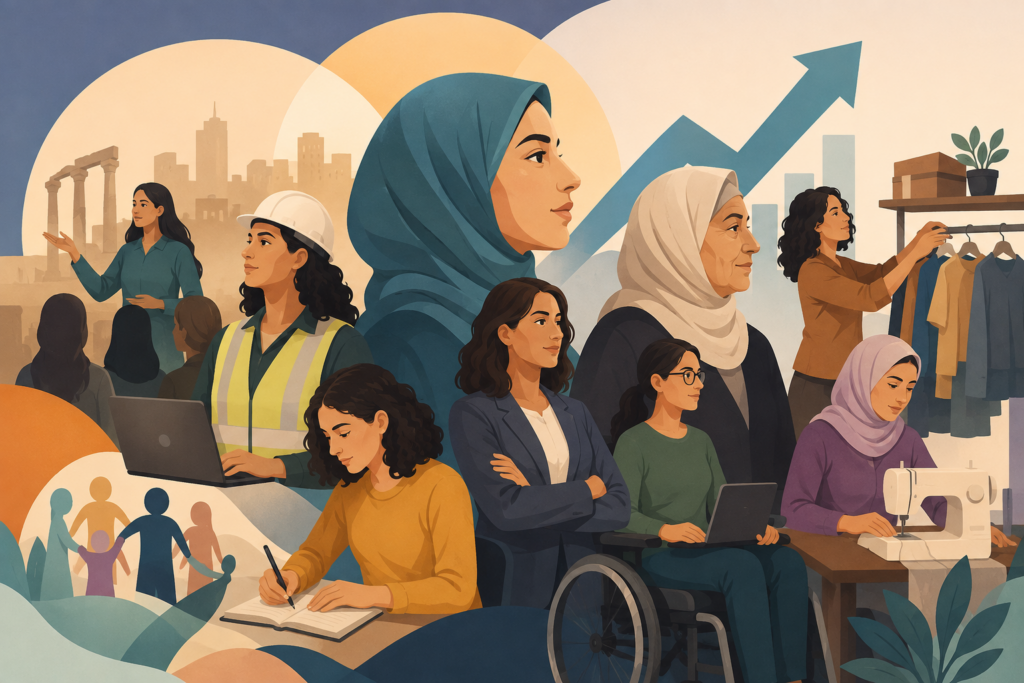
For ARDD, this requires a rights-based approach that ensures all refugees in Jordan, including non-Syrian refugees and those not registered with UNHCR, can access civil documentation, essential services, employment, and sustainable livelihoods. These are fundamental conditions for protection, dignity, and self-reliance.
The discussions also raised important questions about UNHCR’s future amid declining funding and institutional restructuring. While a smaller UNHCR may be necessary, a smaller institution must not mean a weaker protection system, nor should responsibilities be transferred to local organizations without adequate resources and support.
Localization must go beyond shifting implementation responsibilities. It requires equitable partnerships in which local organizations participate in decision-making, setting priorities, and allocating resources. This calls for predictable financing, long-term institutional support, and a clear division of complementary roles: UNHCR safeguarding international protection standards and coordination, while local actors contribute contextual knowledge, community trust, and direct engagement with affected populations.
Against this backdrop, ARDD organized a side event titled “Bridging Increasing Gaps: Advancing Locally Led Responses in an Era of UNHCR Transitioning,” bringing together partners from Asia, Africa, and the Middle East and North Africa, alongside Independent Diplomat, UNHCR, the International Federation of Red Cross and Red Crescent Societies (IFRC), the International Council of Voluntary Agencies (ICVA), donors, and other organizations.
The discussion focused on translating localization commitments into equitable partnerships, ensuring local actors help shape solutions and decisions about resources. ARDD’s participation also provided an opportunity to strengthen dialogue with donors and partners, contribute to discussions ahead of the next Global Refugee Forum, and reaffirm that responsibility-sharing must include sustained support for host countries and local protection systems.
These discussions carry additional significance following Jordan’s election to the United Nations Human Rights Council for the 2027–2029 term, with 171 votes and a mandate beginning on 1 January 2027. This membership presents an opportunity to strengthen Jordan’s commitment to human rights, peace, dignity, and non-discrimination, building on its longstanding role in hosting refugees and supporting multilateral cooperation despite mounting regional pressures.
Ultimately, the 77th Executive Committee reaffirmed that the future of refugee protection depends on genuine solidarity, equitable partnerships, sustainable resources, and rights-based solutions. Any transition in UNHCR’s role must place refugees and their needs at the centre, rather than allowing financial constraints to determine the scope of protection.
Protection must not diminish as funding declines, nor should it depend on institutional budgets or international attention. Protection must follow people, not funding.