Youth Participation Policy Lab Concludes 2025 Sessions… Youth Call for Transformative and Comprehensive Reforms
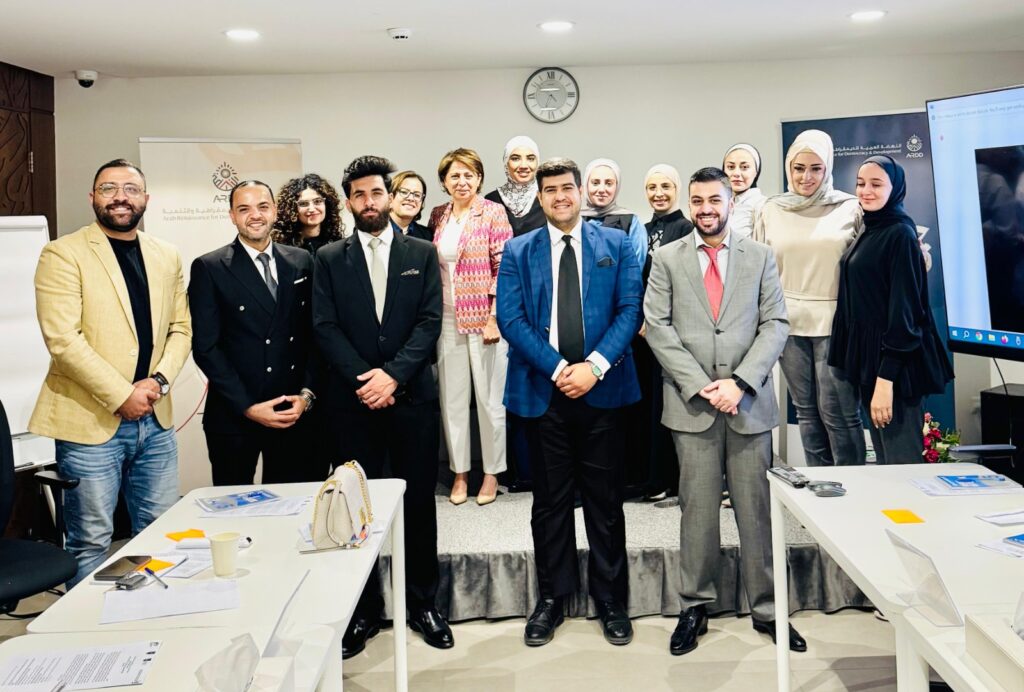
Social systems shape the framework of relationships and roles within societies, playing a decisive role in determining young people’s opportunities for engagement in public affairs. Their importance becomes even more pronounced during times of political and economic transformation, where they can either empower or marginalize youth. This highlights the “need to reconsider how these systems are built and activated in ways that reflect societal changes and give young people the space to take initiative and lead change.” In response to this pressing need, the final session of the 2025 Youth Civic and Political Participation Policy Lab was held under the title: “Social Systems in Transition: Movement, Change, and Structure,” on Tuesday, July 22, 2025. The session brought together a select group of Jordanian youth, featuring HE Senator Badriya Al-Balbisi and was moderated by Dr. Amani Al-Sarhan, Associate Professor of Women’s Studies at the University of Jordan. The Policy Lab is part of the “New Generation – GenG” project, through which ARDD seeks to promote concepts of civic and political engagement among youth, equipping them with knowledge and practical experience to support their professional and community paths, and to build communication channels with decision-makers and influential institutions. Senator Al-Balbisi emphasized that “every young person should have the personal and leadership competencies necessary to engage in public affairs and master the art of dialogue management.” She stressed the importance of developing well-rounded personalities—intellectually, behaviorally, and socially—and fostering a culture of volunteerism, initiative, and community responsibility. She noted that “what youth need today is a renewed education system aligned with labor market demands, in addition to fair and high-quality health and education policies, and real opportunities for meaningful participation in public life, free from marginalization and tokenism.” She also spoke of the vast potential of Jordanian youth, calling for their empowerment as true partners in development and decision-making. “Youth have the will and ambition,” she said, “but rapid institutional and societal changes have led to a state of frustration.” She called for policies that balance the challenges of reality with genuine opportunities for empowerment. In conclusion, Al-Balbisi underscored that openness, flexibility, and adaptability in a rapidly changing world are key elements of youth leadership, along with creativity, innovation, and the ability to transform challenges into opportunities. She affirmed that “building youth capacities is not a favor granted by anyone, but a long-term national investment. If we want a strong and cohesive society, we must place our trust in the new generation, listen attentively to their aspirations, and give them the space to build the future they envision.” For her part, Dr. Sarhan explained that amid the fast-paced social, political, and economic transformations, every young man and woman must possess advanced life and knowledge-based skills that enable them to participate effectively, engage in constructive dialogue, make informed decisions, and respond positively to real-world challenges. Participating youth expressed concern over the growing gap between public policies and their lived realities, highlighting significant challenges in political, economic, and social reform. They emphasized a “lack of recognition of the depth of the problems facing Jordan and the wider region.” They called for a renewal of political and social elites and the inclusion of young people who possess fresh visions and the ability to create an impact. In their concluding recommendations, the youth emphasized the need to reform education to better align it with labor market needs, link learning outcomes to essential skills, and enhance the quality of health and education services to strengthen citizens’ role in policymaking. They also called for developing youth leadership and communication skills, and enhancing their participation in decision-making processes at all levels—ultimately working toward rebuilding trust between institutions and youth by involving them in setting national priorities.
ARDD and JARA Association Sign Partnership Agreement to Promote Livelihood and Advocacy Opportunities and at JARA Market 2025
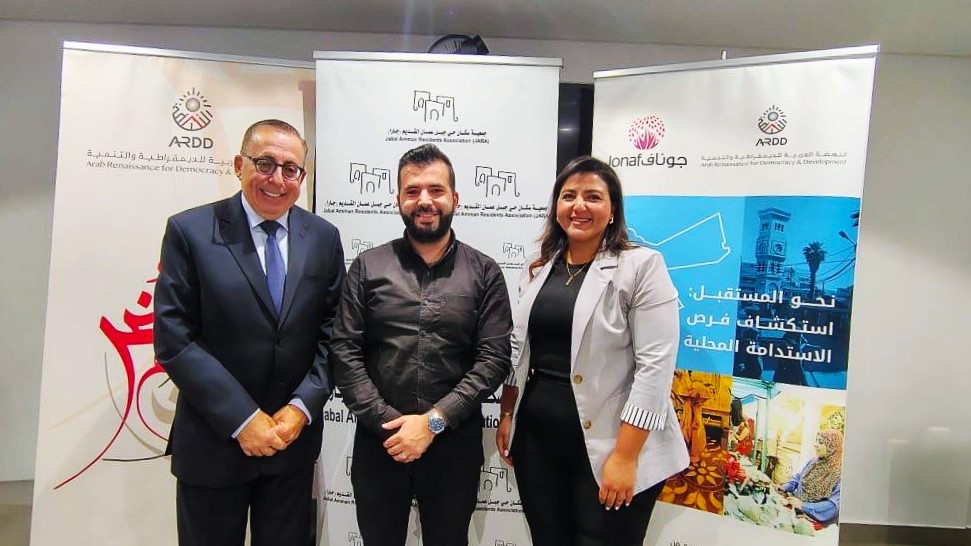
As part of ongoing efforts to support both Jordanians and refugees in Jordan through the creation of economic and social platforms for artisans and small business owners to showcase their products and generate sustainable income, the Arab Renaissance for Democracy and Development (ARDD) and the Jabal Amman Residents Association (JARA) signed a partnership agreement on Monday, July 21, 2025. The agreement aims to enhance cooperation in organizing a bazaar during the 2025 summer season of the renowned “JARA Market.” This strategic partnership falls under the framework of the project “Future Forward: Unlocking Sustainable Opportunities,” funded by the European Regional Development and Protection Program for Jordan and Lebanon (RDPP III). The project seeks to open meaningful dialogue with decision-makers and relevant institutions to strengthen policies and legislation that support the localization of humanitarian and development efforts. Under the agreement, JARA will provide a dedicated space for participants in the Season Market initiative in its Summer edition to showcase their products and support activities at the bazaar, which will run over four Fridays—from August 1 to September 12, 2025. Partners from both the public and private sectors, along with key stakeholders, will be invited to support the event, explore opportunities for expanding access to new and sustainable markets, and engage in dialogue sessions addressing the challenges related to livelihoods in Jordan. Speaking on the strategic goals of the partnership, Lina Halsa, Director of the Towards the Future project, stated: “This collaboration aims to increase visibility and market access for local entrepreneurs and refugees, enabling them to present and sell their products. The bazaars will also highlight community-driven initiatives, telling stories of resilience, creativity, and positive impact throughout Jordanian society. Furthermore, they will promote inclusive economic dialogue by linking real-life experiences with structural challenges, ultimately contributing to advocacy efforts aimed at improving livelihood policies and fostering inclusive growth.” Halsa added, “This partnership will enable wider participation and provide fair showcasing opportunities for no fewer than 20 entrepreneurs—both women and men—across the four-day bazaar. It will also help strengthen ties between civil society and the private sector.” Khader Qawas, Vice President of the JARA Association, emphasized that this continued collaboration between JARA and ARDD reflects the spirit of community partnership that has long distinguished JARA Market’s role in supporting local creativity and social entrepreneurship. He stressed the importance of uniting efforts to create inclusive, secure economic spaces that ensure all individuals have access to sustainable sources of income.
Dialogue Session in Irbid Discusses Sustainability of Community Projects and Facilitating Their Licensing Procedures
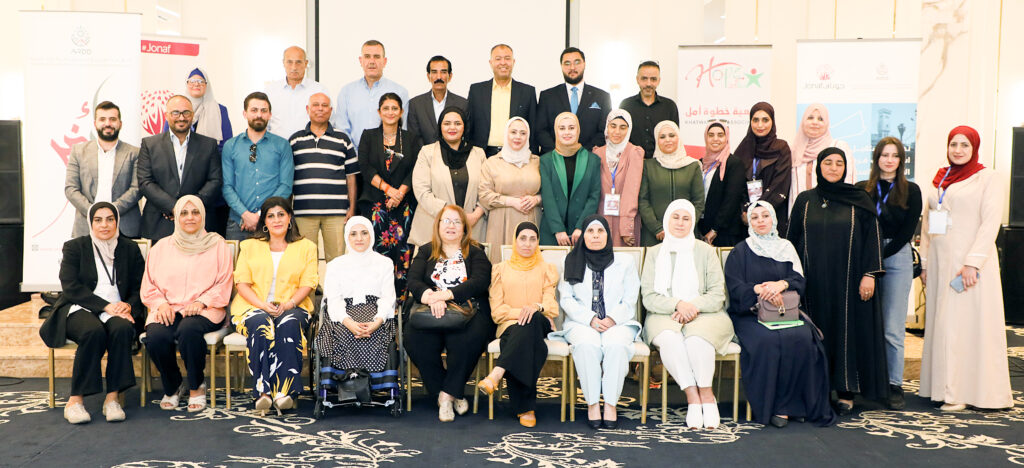
As part of advocacy efforts aimed at promoting the localization of humanitarian and development work related to livelihoods, a group of local associations from the Jordan National NGO Forum (JONAF), in cooperation with the Arab Renaissance for Democracy and Development (ARDD), recently held a dialogue session titled “Enhancing the Sustainability of Community Projects to Facilitate Licensing Procedures” in Irbid Governorate. The session was attended by Member of Parliament Hala Al-Jarrah, several government entities, and local associations from the northern region. Participating in the session were several local associations from JONAF, represented by Step of Hope Charitable Association, Child Care Charitable Association, and Al-Rafeed Women Agricultural Association, which took part in organizing and managing the event. The session falls within the advocacy plan developed under the project “Future Forward: Unlocking Sustainable Local Opportunities,” implemented by ARDD in collaboration with JONAF and funded by the European Union Regional Trust Fund in response to the Syrian crisis (MADAD Fund). MP Al-Jarrah emphasized the importance of small economic projects and their pivotal role in Jordan’s economic life due to their direct impact on various aspects of economic and social development. She noted that supporting small projects and providing a conducive environment for their growth and sustainability is a “national priority” that requires streamlining procedures, facilitating access to finance, and offering training and capacity building for initiative and project owners. For his part, Rami Qwaider, Legal Advisor at ARDD, stressed the need to establish community enterprises within the livelihoods sector as a powerful force in the economic and social landscape. These enterprises contribute to creating flexible job opportunities and provide solutions to numerous societal problems, in addition to their active role in building economic and social solidarity networks that benefit communities. In the same context, during the session titled “The Reality of Licensing Community and Small Projects in Northern Jordan: Challenges and Opportunities,” Eng. Mai Abu Adad, President of Step of Hope Association and moderator of the session, highlighted the need to simplify licensing procedures, as they are a key tool for community empowerment—especially in underserved areas. Regarding the role of the Business Licensing Unit in receiving licensing applications for community projects, Ashraf Al-Saadi, Head of the Licensing Department at Greater Irbid Municipality, pointed out that the municipality does not currently have a specific model for such projects. However, it strives to balance regulation with the needs of marginalized groups and seeks to ease procedures in cooperation with associations. Abeer Brahemeh, Assistant Director of the Directorate of Industry and Trade in Irbid for Commercial Registry Affairs, spoke about the official classifications of community projects, calling for the development of flexible registration models to support informal projects and integrate them into the local economy. As for the National Invoicing System and the impact of tax procedures on the sustainability of small and service-based projects, Omar Al-Omari, representing the Income and Sales Tax Department in Irbid, noted that community projects face challenges in complying with the tax system. He emphasized the importance of adopting simplified tax models to facilitate the integration of these projects without imposing heavy financial burdens. Meanwhile, Kholoud Yaseen, Head of the Productivity Enhancement Department at the Irbid Directorate of Social Development, emphasized the importance of linking the facilitation of formal licensing procedures for institutions, associations, and community projects with an understanding of current opportunities and challenges in order to develop appropriate solutions in this field. In conclusion, the session’s recommendations will be followed up on and formulated into practical and actionable steps, with an emphasis on the importance of activating the role of local associations as key partners in policy development and decision-making—ultimately aiming to unify efforts toward building a strong economy based on local capacities and Jordanian creativity.
Feminist Perspectives on Decolonizing the Aid Sector: A Call to Rethink Humanitarian Models
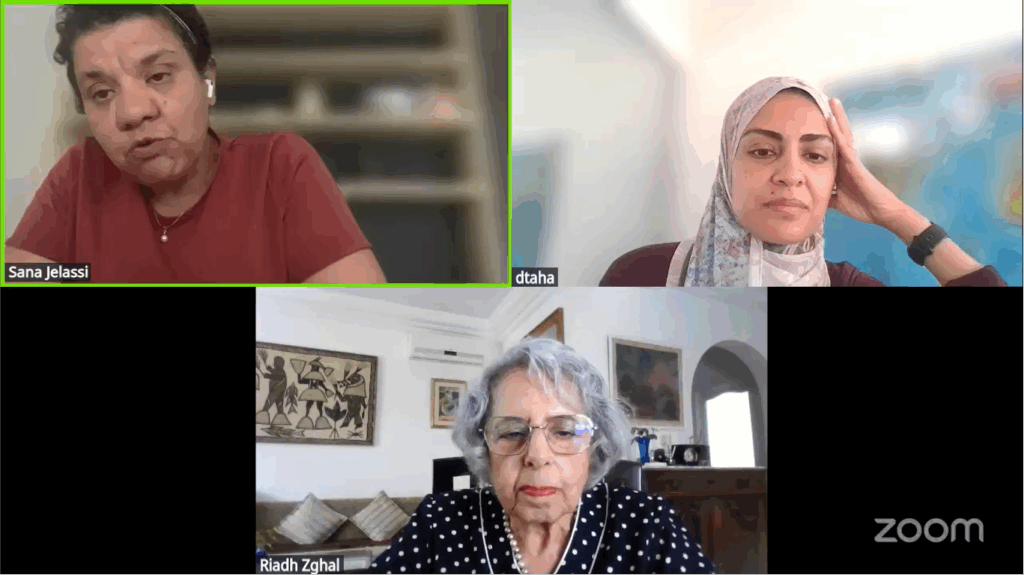
As part of its ongoing efforts to understand the shifting landscape of international aid and to challenge the unequal power dynamics that shape this sector, the Women’s Studies Unit at ARDD´s Renaissance Strategic Center—organized a webinar titled “Feminist Perspectives on Decolonizing the Aid Sector”. The event brought together a group of distinguished academics and experts in development and social issues from across the Arab region. Held on July 15, 2025, and moderated by Dr. Sana Jalassi, Women and Youth Programs Advisor at the Renaissance Strategic Center, the webinar featured contributions from Prof. Riyadh Al-Zaghl (Tunisia), an expert in administrative sciences and sociology, and Dr. Dina Taha (Egypt), Prof. of Sociology and Anthropology at the Doha Institute for Graduate Studies. In her opening remarks, Dr. Jalassi noted that the webinar is part of a broader series of political dialogues following ARDD’s roundtable titled “Assessing the Impact of the U.S. Aid Freeze on Civil society organizations and the women’s movement in Jordan”. That discussion highlighted the deep impact of abrupt funding cuts in worsening inequalities and reinforced the need for locally-led feminist approaches that center the priorities of communities in the Global South. Dr. Jlassi added that these dialogues are part of a strategic trajectory at the RSC aimed at advancing social and economic justice through critical feminist analysis. She called for strengthening regional conversations and aligning feminist struggles with independent and equitable development agendas. Speaking at the webinar, Riadh Al-Zaghl offered a critical reflection on the concept of aid, arguing that “aid is not always a form of humanitarian generosity—it is often tied to political and economic conditions that burden recipient countries and deepen their debt.” She shared examples from Kenya, Niger, and Tunisia illustrating how women, through grassroots initiatives, can reimagine economic and development frameworks. She emphasized the importance of women’s economic empowerment as a strategy to combat economic violence and promote autonomy and sustainable development. Dr. Dina Taha linked feminist analysis to anti-colonial resistance, asserting that any feminist discourse that fails to engage with the legacies of colonialism in the aid sector remains incomplete. She pointed out that current aid models are often imposed without meaningful participation from women in their design or implementation—making them, in many cases, part of exploitative systems cloaked in humanitarian language. She remarked, “Violence isn’t only carried out through bombs—it also manifests through the systematic exploitation entrenched in aid systems.” The webinar also saw vibrant engagement from participants, many of whom emphasized that current aid systems do not reflect the realities or needs of women. They stressed the importance of granting women full decision-making power and leadership roles in local development processes. Participants called for a rethinking of humanitarian models rooted in dominance and dependency, advocating instead for stronger, trust-based partnerships with local actors, and investment in feminist research and knowledge production. They also stressed the need to hold donors accountable when programs fail to align with community priorities. In conclusion, this webinar opened the door for a broader conversation on the imperative to decolonize the aid sector—shifting away from charity-based models toward frameworks grounded in solidarity and mutual accountability. It also underscored the importance of interpreting geopolitical shifts through a Global South lens, particularly amid recurring crises and the growing political leverage linked to aid.
ARDD Holds a Dialogue Session on Facing Displacement through Collective Actions
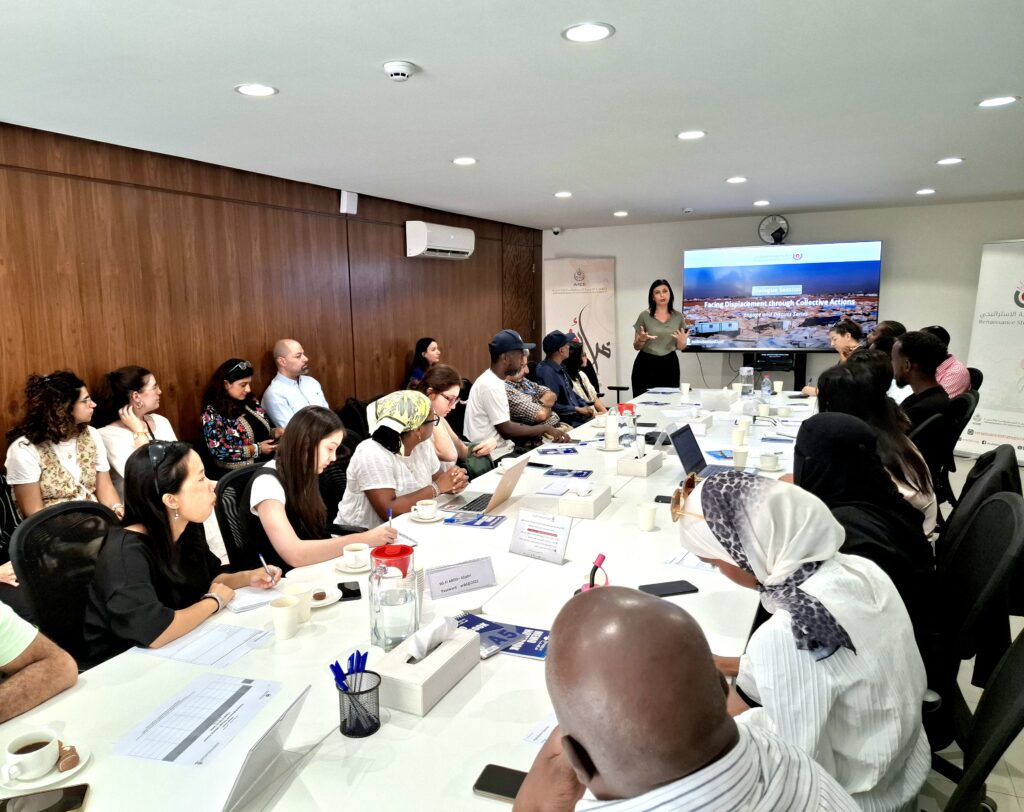
8 July 2025 – As part of our series “Engage & Discuss,” The Renaissance Strategic Center (RSC) hosted a new engaging in-person event on Facing Displacement through Collective Actions. Inspired by this year’s World Refugee Day theme – Community as a Superpower – this event brought together partner organizations in a dynamic discussion on the crucial role that communities play in supporting vulnerable populations, including refugees and internally displaced persons, in their pursuit of their rights and dignity. Acting collectively as a community lead to meaningful change at a local, national and regional level. The session, introduced by the RSC Coordinator Mariam Abu Samra, featured guest speakers such as: Diana Rabie, Country Director at the Jesuit Refugee Service (JRS); Qaasim Ali, Community Programs Officer Refugee Advocate and Youth Empowerment Leader at Collateral Repair Project (CRP); Ruba Hattar, and Partnerships Manager at Collateral Repair Project (CRP); Mubarak “Ricky” Adam, Educational Initiative Liaison at Sawiyen; Hassan Mohamud, English Program Co-Director at Sawiyen. In a time marked by major political instability, Mariam Abu Samra opened the discussion with a compelling argument on the vital role of local organizations in supporting refugees in Jordan. She emphasized that this moment in history calls for urgent attention to the needs of those displaced, particularly within the context of marginalized refugee communities. Diana Rabie from JRS elaborated on the importance of prioritizing community needs, especially in Amman, where marginalized refugee groups often struggle for recognition and support. She insisted that understanding these needs is essential, and it must begin by giving voice to the community itself. CBOs and RLOs must have access to adequate support, funding, and trust to make a meaningful impact within their communities and provide integrated, grassroots-driven responses. Ruba Hattar from CRP highlighted a sobering reality: displaced people are frequently perceived as collateral damage. She pointed out that laws hinder community-based (CBOs) and refugee-led organizations (RLOs) from functioning, limiting their ability to engage with marginalized members effectively on a broader scale. Qaasim Ali (CRP) contributed to the discussion by asserting that listening to the community is crucial to understanding their needs and empowering them with agency. He remarked on the importance of achieving social cohesion as a prerequisite for genuine reconciliation. Hassan Mohamud (Sawiyen)’s testimony highlighted the pressing need to understand the true needs of the local communities and emphasized the importance of creating supportive spaces for marginalized refugees. The most marginalized groups frequently come from Sudan, Somalia, and other African countries; they are often underreported. Sawiyen’s initiative to enhance educational opportunities for Sudanese refugee children has been particularly acknowledged as a big effort to give chance of normalcy and future opportunities to a neglected generation. Mubarak ‘Ricky’ Adam further emphasized that acting collectively, in a unified effort among local organizations, is the most effective strategy for tackling these challenges. Hassan Mahmoud provocatively questioned the concept of “decolonizing our minds,” asking what it truly means and how it can be implemented in practice. However, CBOs and RLOs face significant hurdles. Restrictive policies, combined with limited funds and attention from international community, have long shaped the narrative of aid, by reinforcing contradictions surrounding refugees. The discussion concluded with a renewed commitment to transforming the prevailing narrative that often depicts refugees as passive recipients of aid, rather than as active agents of change. This transformation can be realized through a vision of solidarity framed in a decolonial approach to humanitarian operations. This locally-driven approach advocates for solutions that are deeply rooted in Arab history and culture, while also acknowledging the diversity and intersectionality of refugees’ experiences. This is also the time to foster ongoing dialogue among local organizations, which are increasingly called to collaborate as a collective rather than compete individually. Upcoming sessions will continue to explore the multifaceted reality of migrants and refugees, their challenges and opportunities in the local context, and the future of the humanitarian sector across the Arab region.
Youth Participation Policy Lab: Youth Affirm the Importance of Collective Action for Societal Change
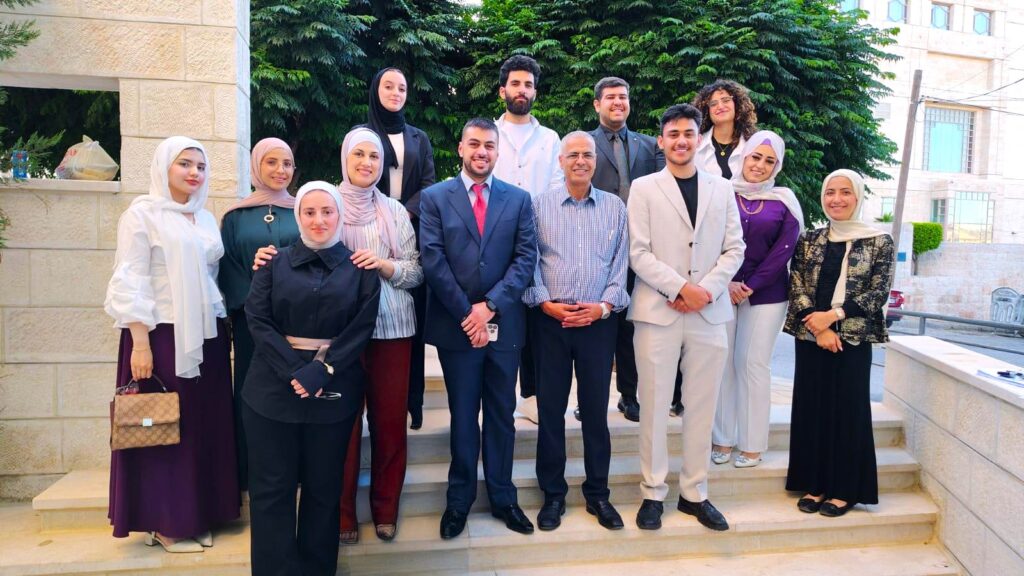
Despite representing a significant portion of the population and a promising demographic force, it has recently become clear that young people are experiencing a “noticeable isolation” from collective action and decision-making processes. Their participation in civil and social initiatives tends to be individualistic, rather than organized and unified to create sustainable and lasting change. Building on this observation, and to explore mechanisms for civic and political engagement that empower youth to become effective agents of change, the second session of the 2025 Civic and Political Participation Policy Lab was held under the title: “Empowering Jordanian Youth to Create Meaningful Change.” The session, organized by the Arab Renaissance for Democracy and Development (ARDD), took place on Tuesday, June 24, 2025, and featured Dr. Mohammad Jreibi’, Director of the Thuraya Center for Studies. The Policy Lab, implemented by ARDD as part of the “GenG – New Generation” project, aims to promote civic and political participation among young women and men, equip them with practical experience to expand their future opportunities, introduce them to experts and specialized institutions, and help them amplify their voices to influence policy and engage effectively with decision-makers. During his remarks, Dr. Jreibi’ emphasized that Jordanian society in particular, and Arab societies more broadly, are witnessing a notable shift toward prioritizing education, especially girls’ education. He noted that civil society organizations have opened new educational and professional horizons for young people. However, he highlighted that one of the most significant challenges remains the “individualistic mindset,” which limits the effectiveness of collective work and impedes organized social and political engagement by youth. Dr. Jreibi’ also addressed key challenges facing young people in Jordan and the region, including high unemployment rates, poor quality of education, rising living costs, the growing feeling that their voices are not heard in public policies, and their weak representation in political parties. The session also saw active engagement from young participants, who shared their perspectives on the need to enhance civic awareness among youth and connect it with opportunities for political participation. They emphasized the importance of establishing independent, effective youth organizations capable of driving change and developing the educational system to keep pace with societal transformations and labor market demands. In conclusion, the youth presented numerous ideas and visions during the Policy Lab, stressing that change cannot be achieved without integrating individual and institutional efforts and adopting a participatory approach based on transparency, accountability, and innovation. They underscored that young people must not remain passive recipients of challenges but should become true partners in creating solutions and shaping a more stable and just future. They also highlighted the need to reconsider the role of political parties, activate mechanisms for greater youth involvement, harness modern media and technology to serve youth issues, encourage organized collective action, and ensure clear distribution of roles within youth initiatives.
She Leads Participants Drive Change: Development and Health Initiatives Powered by Youth Creativity
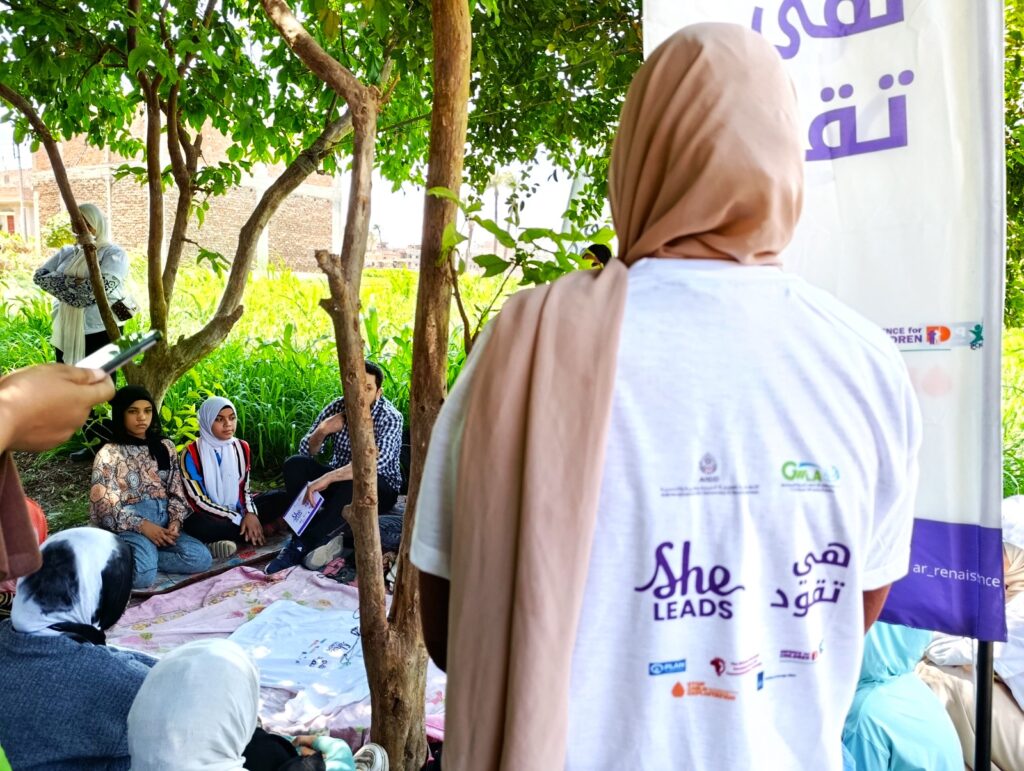
In June 2025, Egypt’s Assiut Governorate witnessed dynamic youth-led mobilization, spearheaded by a group of women and young girls participating in the “She Leads” program, implemented by the Arab Renaissance for Democracy and Development (ARDD). The participants organized and carried out a series of interactive community-based development and awareness activities focused on strengthening the role of girls in health and education. As a result of the active engagement of these women and girls, four integrated initiatives were launched in collaboration with the Giving Without Limits Association (GWLA). The events included an interactive awareness session titled “Five Stories,” which aimed to raise awareness among girls about their health rights by presenting real-life stories and using innovative communication methods, making the discussion more relatable and impactful. This was followed by a community theater performance highlighting the challenges of education and early marriage, sparking open dialogue with parents and local stakeholders on how to address these issues. In a creative attempt to use art as a tool for change, a joint art workshop brought together local activists and youth. The girls themselves transformed key awareness messages into powerful visual expressions. The workshop concluded with a mural painting session, where the outcomes of the initiatives were immortalized on the walls of a community center in Ibnub. These murals expressed the visions and dreams of the girls in vivid imagery. Simultaneously, a community sports activity was also held, using physical activity as a means to boost self-confidence, promote positive communication, foster leadership skills among girls, and enhance their social integration. Reflecting on the significance of their participation, the girls involved in the “She Leads” program emphasized that these initiatives embody the program’s core mission: empowering girls from diverse backgrounds with the tools and knowledge they need to become initiators and changemakers in their communities. The “She Leads” program aims to support fair representation between men and women to participate more in decision-making processes, through capacity building activities that focus on increasing girls’ and women’s access to education and skills development, promoting women’s economic empowerment, and engaging them in the political process, in addition to building advocacy skills, meaningful interaction, and raising awareness, through a collaborative and inclusive approach at the regional and international levels.
ARDD’s GNQP and L4P host presentation of new UN Special Rapporteur report: From Economy of Occupation to Economy of Genocide
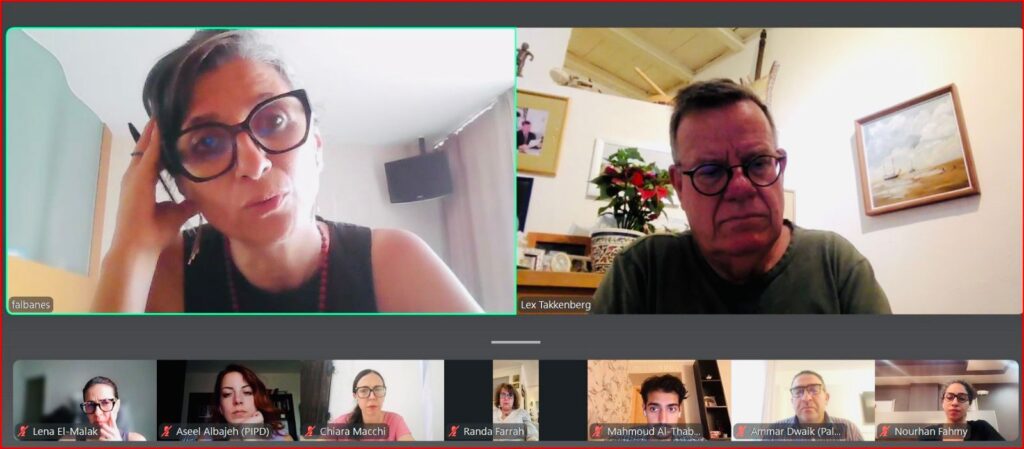
On 1 July 2025, Francesca Albanese, the UN Special Rapporteur on the situation of human rights in the Palestinian territories occupied since 1967, presented her latest report during an online meeting hosted by ARDD and Law for Palestine (L4P). The event brought together members of ARDD’s Global Network on the Question of Palestine (GNQP) and members of L4P’s board and team. Entitled From Economy of Occupation to Economy of Genocide, the report investigates the corporate machinery sustaining Israel’s settler-colonial project of displacement and replacement of Palestinians in the occupied territory. While political leaders and governments shirk their obligations, numerous corporate entities have profited from Israel’s economy of illegal occupation, apartheid, and now, genocide. The complicity exposed in the report is only the tip of the iceberg; ending it requires holding the private sector and its executives accountable. International law recognises varying degrees of responsibility—each demanding scrutiny and accountability—especially in this case, where an entire people’s self-determination and very existence are at stake. This is a necessary step towards ending the genocide and dismantling the global systems that have enabled it. In her introductory remarks, the Special Rapporteur highlighted that the report examines corporate entities across multiple sectors: arms manufacturers, tech firms, construction companies, extractive and service industries, banks, pension funds, insurers, universities, and charities. These entities enable the denial of self-determination and perpetuate structural violations in the occupied Palestinian territory, including occupation, annexation, and crimes of apartheid and genocide. The report also details a wide range of related crimes and human rights violations, from discrimination, wanton destruction, forced displacement, and pillage to extrajudicial killings and starvation. Following Albanese’s presentation, a lively Q&A session took place, with participants commending the report, requesting clarifications, and initiating discussions on how it could serve as a framework and platform for collective action to end the ongoing genocide, apartheid, occupation, and related crimes. Participants emphasised the importance of building on the existing momentum of global transformative solidarity with Palestine and the Palestinian people. The full report is available at: https://www.ohchr.org/en/documents/country-reports/ahrc5923-economy-occupation-economy-genocide-report-special-rapporteur
ARDD Joins Global Panel in Geneva to Demand Safer Online Spaces for Women Leaders
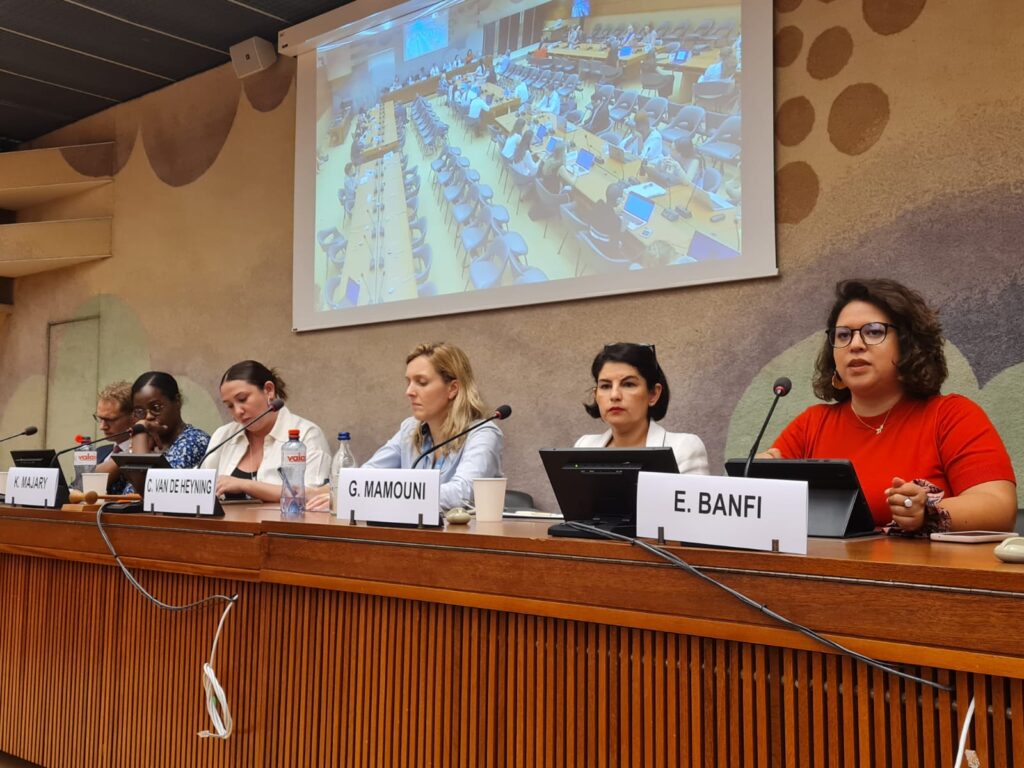
On June 17, during the 59th Session of the UN Human Rights Council in Geneva, Eleonora Banfi represented the Arab Renaissance for Democracy and Development (ARDD) at a high-level side event organized by Rutgers. The event brought together leading voices from around the world to address the growing threat of online hate speech and disinformation targeting women in politics and human rights advocacy. Speaking on an international panel, Banfi presented ARDD’s research findings from Jordan, revealing that 43% of tech-facilitated gender-based violence (TFGBV) cases occur on Facebook — a platform where Arabic content moderation remains alarmingly inadequate. She highlighted chilling examples of women in Jordan who were forced to withdraw from political life after facing coordinated meme attacks and smear campaigns, especially during election periods. Banfi described these patterns as part of “structural silencing” — systemic efforts to push women out of public and political spaces. Other distinguished speakers included Catherine Van de Heyning from the UNHRC Advisory Committee, Asha Allen of the Center for Democracy & Technology Europe, and Ghizlane Mamouni, President of Kif Mama Kif Baba in Morocco. The event opened with remarks by H.E. Mr. Christophe Payot, Belgium’s Permanent Representative to the UN in Geneva, and was moderated by Kinda Majary of Abaad MENA. Throughout the discussion, panelists emphasized the urgent need for legal reforms to criminalize online violence against women, stronger accountability from social media platforms, and the inclusion of Arabic-speaking women in global efforts to improve content moderation and online safety. Banfi closed her intervention with: “If women can’t speak safely, they can’t lead — and if they can’t lead, democracy is incomplete.” ARDD’s participation in this event underscores its ongoing commitment to defending women’s rights and ensuring safe, equitable online spaces for women leaders in the Arab region and beyond.
Strategic Partnership between ARDD and the Arab Thought Forum to Strengthen Knowledge Impact in Jordan and the Region
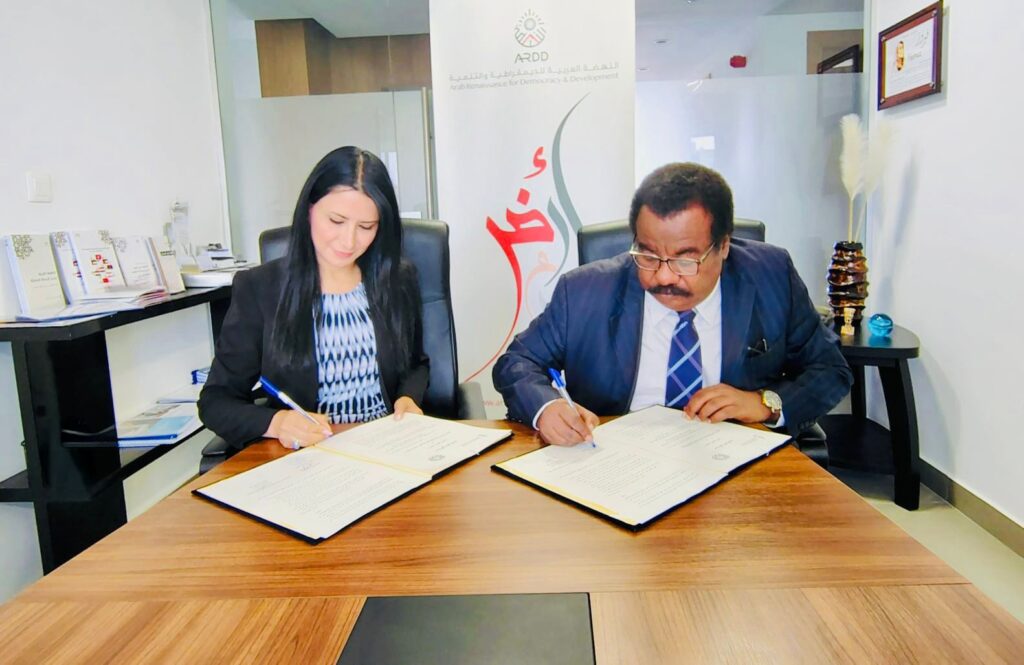
The Arab Renaissance for Democracy and Development (ARDD) and the Arab Thought Forum have signed a Memorandum of Understanding (MoU) to unify efforts and strengthen institutional cooperation in knowledge production, research, and development at both the national and regional levels. The agreement also aims to promote the exchange of expertise and consultations to advance cultural and intellectual issues. The MoU was signed by the Secretary-General of the Arab Thought Forum, Dr. Sadeq Al-Faqih, and ARDD’s Executive Director, Samar Muhareb. This signing reflects a shared belief in the importance of creating collaborative spaces between intellectual and civil society institutions and in building knowledge infrastructures capable of influencing public policies and shaping strategic visions to address the fast-evolving challenges facing Arab societies. Both parties affirmed their commitment to supporting initiatives that restore the role of intellectual thought in shaping societies’ futures by developing knowledge systems that support decision-makers, encourage critical thinking, and contribute to a more sustainable and just future in the Arab world. The MoU outlines plans to launch a series of joint initiatives and activities, organize seminars and workshops, and design interactive knowledge programs that enhance Arab engagement in the fields of thought and development. It also seeks to develop high-quality research projects that enrich public discourse and contribute to the creation of knowledge-based policies. Samar Muhareb emphasized that this partnership represents an intellectual and civic catalyst that will strengthen collective efforts to link development work with deep intellectual approaches. She noted that cooperation with the Arab Thought Forum opens new horizons for producing independent Arab knowledge capable of responding intelligently and flexibly to the complexities of today’s world. For his part, Dr. Al-Faqih stated that this agreement provides a valuable opportunity to expand dialogue platforms on Arab intellectual issues and to enhance the role of thought as a driver of social change. He highlighted the importance of leveraging research and analysis tools to develop alternative development strategies, especially in light of the geopolitical transformations currently reshaping the region. The MoU was signed at ARDD’s headquarters in the presence of several staff members from both organizations.