“Hope is a Picture that’s Worth a Thousand Words” Project Concludes and the results of the “Jabal Amman” competition are announced
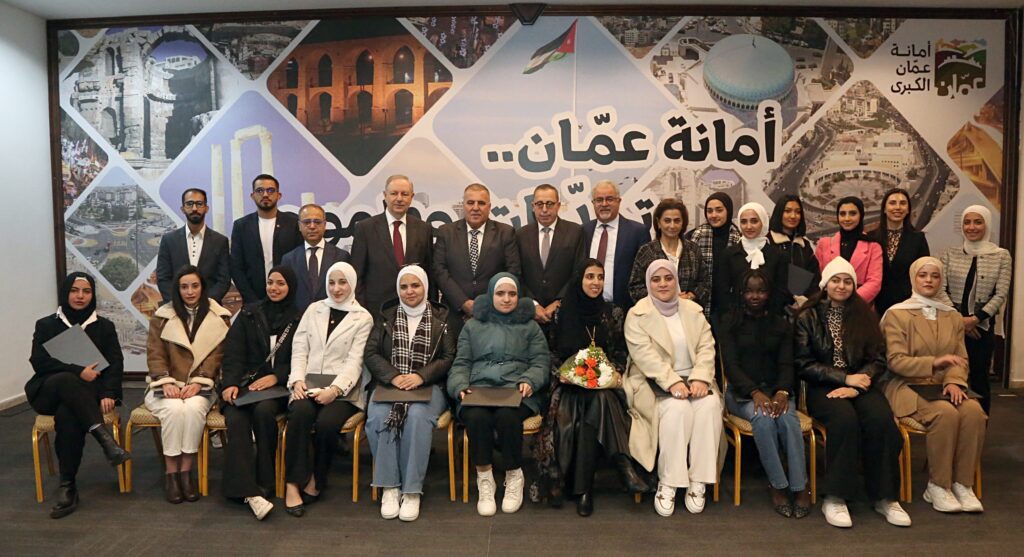
Under the patronage of the City Manager at the Amman Municipality, Eng. Ahmed Malkawi, on behalf of the Mayor of Amman, the results of the “Jabal Amman: Past, Present, and Future” competition within the “Hope is a Picture that’s Worth a Thousand Words” project were announced by the Arab Renaissance for Democracy and Development (ARDD), in cooperation with the Jabal Amman Future Committee, on Monday, December 23, 2024, in which the winner was the group that worked on the urban planning dimension. During the period of the project, 19 young men and women were selected, based on technical and scientific criteria, to participate in dialogue sessions that sought to inspire them in the photography competition, which included the following themes: urban planning, social and cultural fabric, environment, tourism, and economy, while they were divided into five work groups, each focusing on one of these themes, documenting the past and present of Jabal Amman and envisioning its future with the help of artificial intelligence through their lenses and presentations. A Jabal Amman Development Policy Brief will also be produced in accordance with the vision of the youth, and subsequently shared with decision-makers and stakeholders. The Chairman of ARDD’s Board of Trustees and Professor of Political Science at the University of Jordan, Prof. Dr. Zaid Al-Ayadat, spoke about the interconnectedness of the trilogy of art, urban planning, and community participation, considering that art is an expression of the cultural vessel from which we all exude, a civilized message, and a cultural expression. Hence, hope becomes the title of this initiative, while urbanization, as Ibn Khaldun put it, is a construction of the place so that the place becomes an incubation environment for the interactions, ideas, and aspirations of its residents. Ayadat pointed out that the Municipality of Amman is a pioneer in the field of Urbanism and urban planning, stressing in the same context that the issue of city planning, management, and restructuring of its neighborhoods is a cultural expression of local community participation. Nadine Al-Khoury, Project Manager at ARDD, explained that this initiative comes with the support of the Swiss Embassy in Jordan, and aims to highlight the role of art as an effective tool in promoting civic engagement, especially among youth. Through various tools of artistic expression –such as photography, murals, and public performances– young people can forge deeper connections with their communities, encourage dialogue within them, and promote social change. Al-Khouri praised the partnership with the Municipality of Amman and its support for these efforts at the administrative and technical levels, pointing out that ARDD aims through this cooperation “to make our participatory development initiative a pioneering model for participatory planning in the city of Amman.” The closing session of the initiative included a presentation of the main outcomes of the policy brief, under the title: “A Shared Vision: Activating Arts and Culture to Enhance Community Participation and Ownership of Civic Spaces”, presenting the vision of the youth and participating experts for the future of Jabal Amman, as they stressed in their recommendations the need to enhance youth capabilities and raise awareness about the concepts of civic participation, leadership, urban planning, and sustainability, in addition to integrating cultural heritage into urban development plans in a participatory manner with the community, supporting youth initiatives and facilitating their implementation, public-private cooperation to support sustainability and community and cultural tourism, financing and supporting projects, and building on initiatives like the Jabal Amman initiative to expand their scope. Finally, certificates of honor were handed over to the participants in the initiative, where the participation of young men and women was subject to evaluation criteria by a specialized committee, while these criteria included the relevance of the images to the subject of the competition, clarity of vision, artistic and technical quality, originality and creativity, and others.
النهضة العربية (أرض) تعقد ورش توعية قانونية خاصة بـ حملة 16 يوم لمناهضة العنف ضد المرأة

تزامناً مع حملة 16 يوم لمناهضة العنف ضد المرأة، عقدت دائرة المساعدة القانونية في منظمة النهضة العربية للديمقراطية والتنمية (أرض)، جلسات توعية قانونية لرفع الوعي القانوني لدى المشاركين من مختلف الجنسيات (لاجئين وأردنيين)، وذلك في محافظات عدة بالمملكة. وسلطت الجلسات القانونية الضوء على تعريف المشاركين وخاصة النساء والفتيات، بهذه الحملة العالمية التي تبدأ سنوياً في 25 تشرين الثاني/ نوفمبر، وهو اليوم الدولي للقضاء على العنف ضد المرأة، وتستمر حتى يوم حقوق الإنسان في 10 كانون الأول / ديسمبر، إذ كان الموضوع الرئيسي الذي ركزت عليه الحملة هذه السنة هو العنف الاقتصادي للمرأة. وأقامت النهضة العربية (أرض) جلساتها التوعوية حول الحملة من خلال التعاون مع عدد من الجهات الرسمية والمنظمات المحلية والدولية، على النحو التالي: في عمّان تم التعاون مع وزارة التنمية الاجتماعية لعقد سلسلة من الجلسات في دور رعاية المرأة والفتاة التابعة للوزارة: دار الوفاق الأسري، ودار استضافة وتأهيل النساء / آمنة، ودار كرامة لحماية ضحايا الاتجار بالبشر. وفي الزرقاء: الهيئة الطبية الدولية الأردن، ودار تربية ورعاية الفتيات في الرصيفة. أما في إربد: الاتحاد النسائي/ جرش، وهيئة شباب كلنا الأردن، ومركز الأميرة بسمة. ومشاركة في مؤتمر بتنظيم من جمعية خطوة أمل بالتعاون مع لجنة المرأة في مجلس محافظة إربد. وفي المفرق: الصندوق الأردني الهاشمي للتنمية البشرية (جهد). وفي مخيم الزعتري بالتعاون مع مؤسسة نور الحسين. وأخيراً في محافظة الأزرق: جمعية سيدات الأزرق الجنوبي، وجمعية خطوات النجاح، ومخيم مريجيب الفهود ( الإماراتي)، بالتعاون مع منظمة أرض البشر. وركزت الجلسات على مواضيع عديدة، مثل العنف والاحتيال الإلكتروني ضد النساء، والعنف الاقتصادي، وزواج القاصرات، وقانون العمل، وقانون الضمان الاجتماعي، والفصل التعسفي، وكيفية المطالبة بالحقوق العمالية، وإجازة الأمومة والطفولة، وإصدار شهادات الميلاد وإثبات النسب والزواج والطلاق، فضلاً عن التعريف بالمصطلحات الخاصة بحماية الطفل من العنف، وكيفية تحقيق مصلحته الفضلى، ومواضيع أخرى متعلقة بالأطفال مثل الوصاية والولاية والحضانة. فيما قدم محامو المنظمة خلال الجلسات مادة توعية قانونية خاصة بهذه القضايا، وفتح باب النقاش والرد على استفسارات المشاركين، فضلاً عن تقديم مجموعة من النصائح للتعامل مع أي مؤشرات تواجه المشاركات والمشاركين، وكيف و/ لمن يتم التبليغ، وطرق الحماية. ومن أبرز أشكال العنف التي جذبت انتباه المشاركات إضافة للعنف الاقتصادي، كان العنف الإلكتروني، حيث أكد المحامون في هذا السياق على أهمية متابعة النصائح التي تصدر عن وحدة مكافحة الجرائم الإلكترونية وتوضيح خدماتهم المقدمة، وتقديم عدد من النصائح للمشاركات من ضمنها: “عليكن أن تدركن أن العنف على الإنترنت مُجرَّم في الأردن ويحاسب أمام القضاء من يمارسه. يحب الإبلاغ عن أي عمل من أعمال العنف الإلكتروني. أعرفِ حقوقك القانونية. تحدثِ إلى شخص موثوق فيه (أحد أفراد الأسرة مثلاً) وأطلبِ المساعدة. وأشاد المشاركون بأهمية التوعية القانونية المتعلقة بالعنف المبني على النوع الاجتماعي، والقوانين ذات الصلة، والاستجابة القانونية للبالغين والأطفال، فضلاً عن توفير المعلومات حول إجراءات المحاكم النظامية والشرعية، أو المحاكم الكنائسية، بالإضافة إلى أدوار إدارة حماية الاسرة والحاكم الإداري والأمن العام. وأوضح المشاركون أنه يجب إعادة النظر حول حالات تسليم المنتفعة حال خروجها من دار الرعاية، فمن يقوم باستلامها هو المسيء إليها نفسه، لكن هناك حالات كثيرة، يتكرر فيها التعرض لهن، لذلك من المهم إيجاد الطرق المناسبة لحمايتهن، معتبرين أن العنف ضد النساء لا يقتصر على امرأة متعلمة أو عاملة وإنما يقع على أي سيدة بغض النظر عن مستواها الثقافي والتعليمي والاجتماعي. وأكدوا على ضرورة توعية المجتمع بقضايا عديدة تهم النساء؛ كالميراث، وزواج القاصرات دون الـ16 سنة، وكذلك الاستيلاء على بطاقة الصراف الآلي للعاملات من قبل بعض أرباب العمل أو أفراد الأسرة وأهمية محاسبتهم ومراقبتهم، ودعم وجود المرأة في المواقع القيادية، ونشر الوعي بحقوق النساء في وسائل الإعلام المختلفة، وتحقيق الاستقلال الاقتصادي إليهن. لافتين في هذا السياق إلى أن “تكرار العنف الممارس على المرأة يجب أن يحفزها على كسر حاجز الصمت والتبليغ والتحدث حول ما يجري معها”. ختاماً؛ قدم محامو النهضة العربية (أرض)، نصائح للنساء المشاركات لحمايتهن من كافة أشكال العنف، والتأكيد على القوانين المحلية التي تحمي منه، والجهات التي تقدم خدمات الحماية من أشكال العنف سواء كانت رسمية أم منظمات محلية ودولية، ومن ضمنها منظمة النهضة العربية التي تقدم خدمات حماية قانونية مجانية للجميع.
Within the Tawazon program Memorandum of understanding between ARDD and the Arab Trainers Union to Accredit the Arab Women Leadership Academy Regional Programs
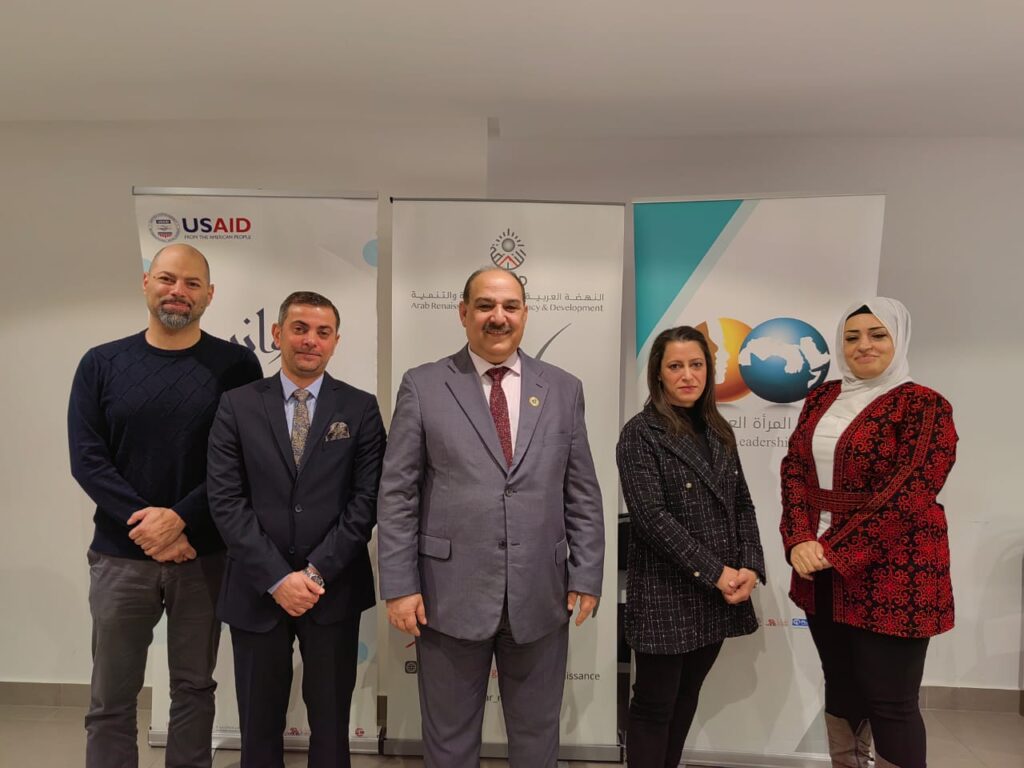
With the aim of developing the work at the Arab Women Leadership Academy, one of the activities of the Tawazon Program – Promoting the Voice and Leadership of Women Activity, funded by the United States Agency for International Development, a memorandum of understanding was signed with the Arab Trainers Union for the purposes of accrediting the Arab Women’s Leadership Academy program, and starting to issue accredited certificates to the Academy’s graduates. On December 5, 2024, Tawazon sponsored the signing of a memorandum of understanding between the Arab Trainers Union and the Arab Renaissance for Democracy and Development (ARDD), who implements the Arab Women’s Leadership Academy, as part of the Tawazon program’s efforts to support the development of women’s leadership competencies in Jordan and the career advancement of female graduates, enhance their opportunities to assume leadership positions, and increase their participation in public life by enhancing the eligibility of the Arab Women’s Leadership Academy programs and striving to implement monitoring and evaluation systems that are in line with best practices. The Arab Trainers Union is a specialized Arab federation operating within the scope of the Council of Arab Economic Unity of the League of Arab States, dedicated to rooting the training profession in the Arab world, in addition to developing integrated Arab systems in the field of excellence and quality of professional performance, based on the highest international standards in effect, which enhance the current development movement in Arab societies. The Director of the Arab Women Leadership Academy, Malak Suleiman, highlighted the importance of accrediting the Academy regionally to achieve its sustainability and the sustainability of its impact on its graduates while maintaining the essence of the Academy’s program, which is in line with local contexts and in line with international best practices, and represents a multi-level training program aimed at developing women’s leadership competencies to support their contribution to civic and political participation and governance in the public and private sectors and civil society, in addition to promoting Its ability to exercise its leadership role in its public and private spaces. It also works to develop women’s leadership and communication capabilities, enabling them to build support within their families and community, which leads to creating an enabling environment that enhances their opportunities to express, participate, and make their voices heard. She also added that the Academy is seeking another accreditation from a prestigious international body during 2025. The Tawazon Program is a USAID program that aims to bring about tangible change to strengthen women’s voices and increase their impact through enforcing supportive legislative frameworks, promoting social patterns that support women’s participation, developing institutional capacities, and building leadership competencies for women and girls.
في لقاء للنهضة العربية (أرض) وجوناف.. خبراء يدعون لفهم السوق المحلية والاستثمار بأفكار الشباب
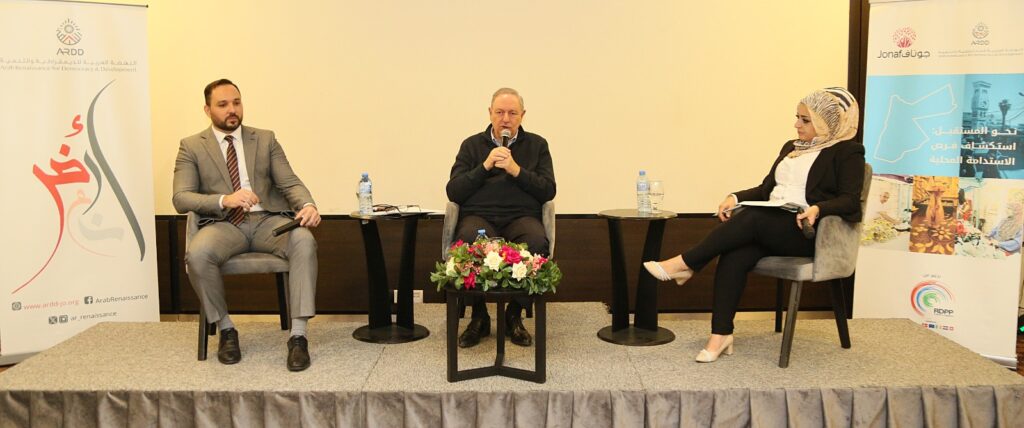
“في ظل الظروف الاقتصادية الصعبة في الأردن والمنطقة، لا بد من التركيز على قطاع سبل العيش لتعزيز القدرة الاقتصادية للاجئين والمجتمعات المضيفة وتحفيز التنمية على نطاق أوسع من خلال دعم الأعمال الصغيرة والمتوسطة واستقطاب استثمارات جديدة للمنطقة”، بهذه الكلمات أجمع خبراء في الشأن الاقتصادي على ضرورة فهم السوق الأردنية المحلية، وتخريج مشاريع ريادية لتلبية احتياجات الأسواق المحلية. جاء ذلك، خلال لقاء حواري عقدته منظمة النهضة العربية للديمقراطية والتنمية (أرض) والتحالف الوطني الأردني للمنظمات غير الحكومية (جوناف)، السبت 14 كانون الأول /ديسمبر 2024، بعنوان: “تعزيز وصول الأسواق المحلية للتميز: التحديات والأساليب”، وتحدث فيه كل من: رئيس مجلس إدارة شركة فنادق البحر الميت، العين ميشيل نزال، ومدير التدريب والاستشارات في مركز الملك عبدالله الثاني للتميز، د. فراس الهيجاوي، بينما أدارته م. ملاك سليمان مديرة مشروع أكاديمية المرأة العربية للقيادة في منظمة النهضة (أرض). ويأتي اللقاء على هامش فعاليات سوق الموسم: البازار الشتوي، الذي تنظمه النهضة العربية (أرض) في إطار مشروع “نحو المستقبل: استكشاف فرص الاستدامة المحلية” بدعم من البرنامج الأوروبي الإقليمي للتنمية والحماية لدعم الأردن ولبنان، حيث جمع العديد من أصحاب الأعمال الصغيرة والحرفيين من اللاجئين والمجتمع المضيف لعرض منتجاتهم وبيعها، بالإضافة لإبراز المبادرات المحلية لسبل الإعاشة و تسليط الضوء على قضاياها و التحديات التي تواجهها و طرق المضي قدماً. وقبيل إعداد فعاليات سوق الموسم، جرى تدريب أصحاب المشاريع والحرفيين المشاركين في البازار، وذلك ضمن سلسلة ورشات تدريبية تهدف لتزويدهم بالمهارات اللازمة لإطلاق منتجاتهم وتسويقها وإدارة الأعمال، حيث تم تحديد المواضيع، بناءً على احتياجات المشاركين. وبشكل خاص، تم تدريب المشاركين بالبازار، بالتعاون مع سوق فن، على الأدوات والمهارات العملية اللازمة لإطلاق منتجات تنافسية وتسويقها بما في ذلك: تحديد احتياجات السوق، والتفكير الابتكاري والعصف الذهني، والنماذج الأولية والتحسين، بالإضافة إلى تغليف المنتجات للأسواق، حيث يدعم هذا البازار الهدف العام للقاء الحواري، ويوفر مساحة للناس لعرض إبداعاتهم ومنتجاتهم، وتسهيل وصولهم إلى الأسواق. وبشأن الاستثمار بأفكار الشباب ومبادراتهم، أكد العين نزال على أهمية التوعية والتثقيف ونشر مفاهيم وثقافة ريادة الأعمال، ودعم البرامج التي من شأنها تطوير وتأهيل الشباب الرياديين، مبيناً في هذا السياق أن الشراكة مع القطاع العام تبدأ من فهم أن القطاع الخاص هو شريك ورديف له، حيث يجب على الحكومة إدراك أن تحقيق إيراداتها يتحقق بنجاح القطاع الخاص وليس منافسته. ودعا نزال إلى ضرورة تشجيع الشباب ببدء مبادراتهم ومشاريعهم الخاصة ودعمها، مع أهمية توفير منصات تواصل دائمة بين الجهات الممولة والحكومية والشباب، فضلاً عن التركيز على التكنولوجيا والابتكار، واستقطاب الشركات العالمية الكبرى لافتتاح مكاتب لها في الأردن. بدوره؛ دعا الهيجاوي، الرياديين الشباب أن يتمسكوا بالصبر والإصرار، وعدم الخوف من الفشل، “لأن الريادي الحقيقي هو من يتعلم من تجاربه الفاشلة لكي يبني قصة نجاح”، مؤكداً على أهمية التعليم في تطوير قدرات الشباب، مما ينعكس على تنمية السوق المحلي، وتطوير التشريعات الناظمة للعملية التعليمية، إضافة إلى إدراج التفكير الإبداعي والابتكار في المناهج التعليمية. كما حث الجامعات على استعمال الطرق الحديثة وإدماج التكنولوجيا في التعليم. وشدد أيضاً على ضرورة الريادة وحاضنات الأعمال للمساهمة في تحقيق أهداف التنمية المستدامة، ومحاربة قضايا البطالة والفقر، وتطوير القطاعات الاقتصادية كافة، مع الحفاظ على الموارد، وتحقيق المساواة بين الرجل والمرأة وغيرها من الأهداف. وفي توصياتهم للتغلب على التحديات والمضي قدماً نحو تعزيز نمو وتطوير المبادرات والمشاريع الناشئة في الأردن، أكد المشاركون في اللقاء على أهمية العناية ببناء “شخصية الشاب الريادي” من حيث تزويده بالمهارات الحياتية ومهارات التواصل الى جانب معارفه التقنية لتعزيز فرصه في إيجاد فرص العمل أو في بناء شركته الناشئة. وأوصوا كذلك بتهيئة بيئة محفزة للريادة في الأردن، وتوفير المساعدة للشركات الريادية الأردنية للوصول للأسواق المحلية والإقليمية والدولية وفتح أسواق جديدة لها. كما أكدوا على أهمية إجراء دراسة شاملة لمراجعة القوانين والأنظمة والتعليمات التنظيمية والإجراءات المتعلقة بالجمارك والضرائب والشركات والعمل والإدارة المحلية والتنمية الاجتماعية، وأي تشريعات أو تعليمات تنظيمية أو إجراءات أو رسوم أخرى ضرورية لتمكين منظومة ريادة الأعمال الأردنية. محملين الشباب ضرورة دراسة وفهم القوانين والإجراءات المرتبطة بأعمالهم حتى لا يواجهون صعوبات كبيرة في التأسيس أو في مراحل لاحقة من المشروع.
ARDD and UNICEF hold a workshop on gender issues and common understanding around them
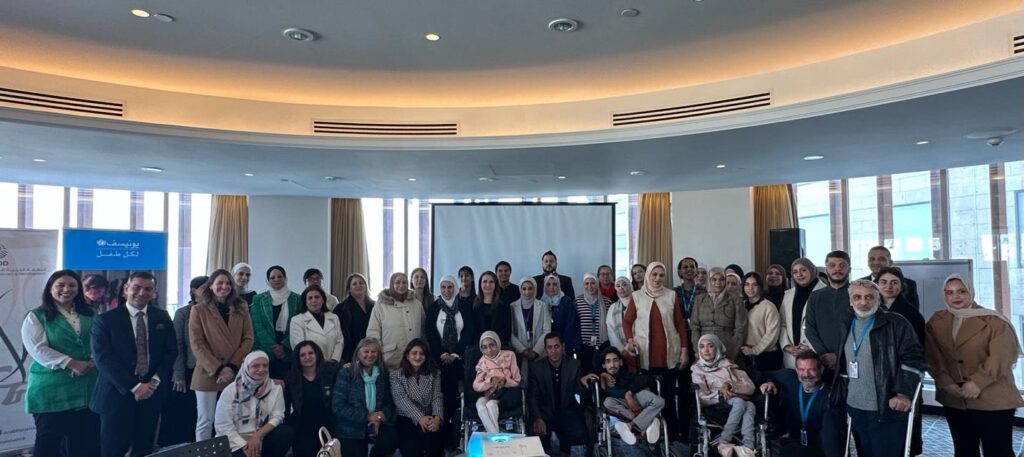
On 27 and 28 November 2024, the Arab Renaissance for Democracy and Development (ARDD) and UNICEF held a workshop to highlight gender issues and the common understanding about them, as well as their direct link to youth, women, persons with disabilities and vulnerable groups, which included representatives of governmental and non-governmental organizations, civil society, and organizations related to persons with disabilities. The workshop focused on the importance of equality between men and women, as well as women-led organizations working on gender and inclusion issues, and providing these organizations with data and formulating concepts and strategies in this context, in addition to strengthening partnership and advocacy towards these issues (including the needs of adolescents and youth, protection, and health), and explaining UNICEF’s approach on how to integrate the concepts of gender, inclusion, and empowerment through evidence-based advocacy. The workshop provided an opportunity to provide updates on strategies and plans related to child protection, gender-based violence, and domestic violence issues in Jordan. It also provided updates on Jordan’s National Social Protection Strategy (2019-2025), women’s workforce connections and the welfare agenda, as well as multiple strategies to increase women’s participation in the female workforce through the lens of the Jordanian economy. Workshop participants, including the Gender Directorate at the Ministry of Social Development, NGOs, and community-based organizations, provided their updates in this context. In the Ministry of Social Development, there are 42 manuals that include a special unit on women’s empowerment and their integration in all sectors, horizontally and vertically, in the areas of protection, care, economic empowerment, and development. The participants also presented current perceptions of the “Gender Equality Seal” initiative in the private and public sectors, which was launched by the United Nations Development Programme (UNDP) to contribute to the development of partnerships and unite efforts between the public and private sectors to promote gender-responsive business policies. They also discussed the expected amendment to the labor law that may raise Jordan’s ranking in the field of women, business activities, wage index, and entrepreneurship, as these legal and policy reforms related to women’s employment contribute to creating a stimulating environment. Among the key achievements of the partners are women’s business incubators in Karak, Azraq, Ajloun, Jerash, Zarqa, Ramtha, Irbid, and Ain al-Basha. Participants also addressed challenges related to adolescent health and well-being, stressing the need for better policies, programs, and monitoring to close the gaps in promoting female menstrual health, as the Ministry of Health, the School Health Department, and the Jordanian government must implement a school health promotion strategy between 2025 and 2030 to ensure adolescent health and safety. A community-based organization in Tafila shared its successful experience in building women’s capacity and protection policies through self-learning through desk research. Regarding the role of youth in societal change, activist Sundus Saleh, a person with disability representing youth, shared her ideas on how to make the voices of young people heard, as well as using best practices regarding skills development and job opportunities for young women. In conclusion, the participants expressed their shared enthusiasm to keep up efforts and move forward to ensure the integration of gender issues, youth inclusion, and child protection in their programs, as they stressed the need to actively participate in the implementation of current national plans, as well as those that will be published soon, as various actors play a supporting role in the implementation of specific plans on gender-based violence and the national strategy for social protection, underscoring in this regard the importance of monitoring the implementation of these plans to bridge the gap between theoretical frameworks and practical impact on the ground, while emphasizing the importance of research and studies on these issues.
مذكرة تفاهم بين النهضة العربية (أرض) وموقع “فرصة” لتعزيز نطاق عمل المنظمة
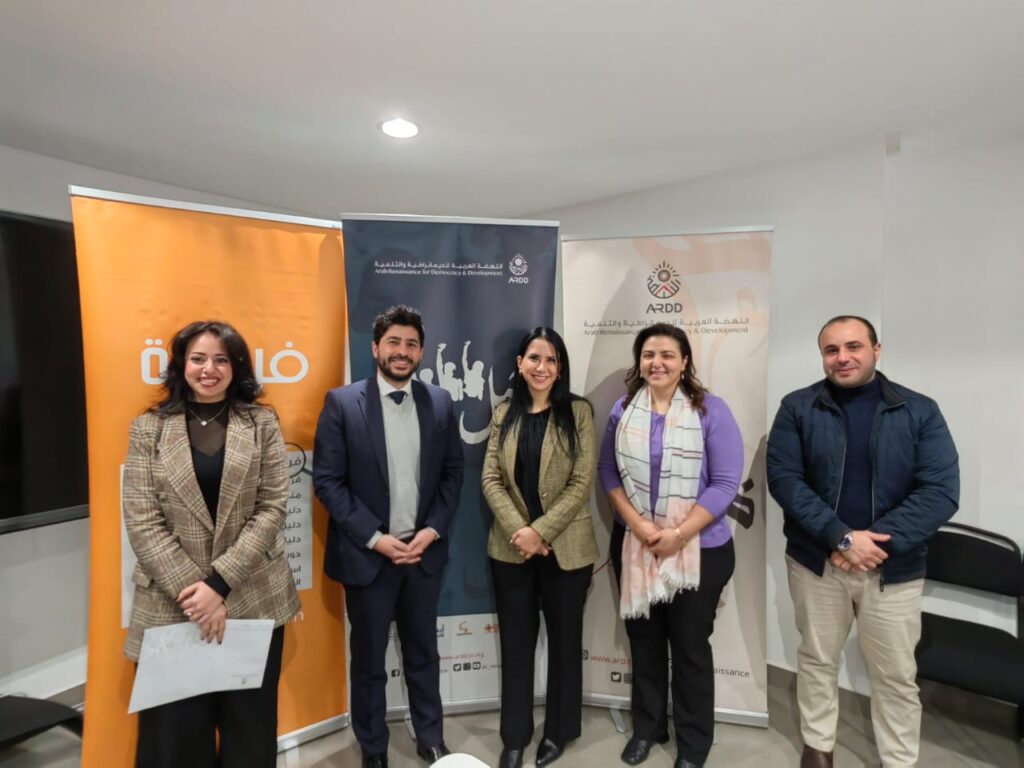
وقعت منظمة النهضة العربية للديمقراطية والتنمية (أرض)، مع موقع فرصة دوت كوم، الأربعاء 4 كانون الأول/ ديسمبر 2024، مذكرة تفاهم لتعزيز نطاق عمل المنظمة والترويج لبرامجها، وتوسيع مشاركة الشباب المدنية والسياسية وبناء قدراتهم، وذلك ضمن إطار مشروع “جيل جديد” الذي يسعى لتفعيل مشاركة الشباب المدنية والسياسية في المجال العام، ودعم المفاهيم والممارسات التي تسهم بمعالجة القضايا المهمة والملحة، وتحاول إحداث فرق فيها. ويهدف هذا التعاون بين منظمة النهضة العربية (أرض)، و”فرصة”، إلى نشر مضامين عمل المنظمة عبر موقع فرصة، فضلاً عن تفعيل مشاركة الشباب والشابات المدنية والسياسية في الشأن العام؛ إضافة إلى إطلاق حملات لزيادة الوعي بالقضايا التي تواجهها النساء والشباب فيما يتعلق بالمشاركة السياسية في الأردن، وإيصال تصوراتهم وحلولهم حولها. بدورها؛ رحبت مديرة النهضة العربية (أرض)، سمر محارب، بهذا التعاون المشترك، من خلال العمل على تحقيق الأهداف المشتركة، وتبادل الخبرات، وإيصال أصوات الشباب، والتي من شأنها تطوير وتوثيق أواصر الترابط الفكري والعلمي والبحثي لمواجهة التحديات الماثلة أمامنا. وشددت على أهمية توفير الفرص أمام الشباب والشابات، وتحسين قدراتهم للحصول على فرص أفضل في مجتمعاتهم، من خلال تزويدهم بالمهارات، وتغطية الفجوات المهاراتية والأكاديمية واللغات والمهارات التعليمية لديهم، وتشبيكهم بفرص التطوع والتدريب. من جهته، أكد مدير “فرصة”، د. سامي الحوراني، على ضرورة التعاون بين مؤسسات المجتمع المدني وتعزيز المبادرات الشابة، والتحفيز المجتمعي، مبيناً أن الشراكة مع منظمة (أرض) ستكون إطارًا للتعاون المستقبلي وتحقيق الفائدة لكلا الطرفين من خلال تنفيذ المبادرات المشتركة التي سيتم العمل عليها لاحقاً. وأوضح أن فرصة تساعد أيضاً الشركات والمؤسسات الأخرى في الوصول إلى جمهورها المستهدف من خلال شبكتها الواسعة من المستخدمين. يشار إلى أن منصة فرصة تعد واحدة من أبرز المنصات العربية التي تهدف إلى تمكين الشباب وتطوير مهاراتهم من خلال توفير فرص تعليمية ومهنية مميزة، حيث تقدم المنصة مجموعة متنوعة من الخدمات التي تشمل توفير منح دراسية ممولة بالكامل أو جزئياً، وفرص تدريب داخلي وخارجي، ومسابقات وجوائز، بالإضافة إلى وظائف بدوام كامل أو جزئي في مختلف القطاعات. كما تعمل “فرصة” أيضاً على دعم الشباب من خلال تقديم دورات عبر الإنترنت في شتى المجالات، وتوفير أدلة مهنية شاملة تساعدهم في تحسين سيرهم الذاتية وزيادة فرصهم في سوق العمل. بفضل تصميمها البسيط وسهولة الاستخدام، إذ تُعد “فرصة” مرجعاً شاملاً لكل من يسعى لتطوير نفسه وتحقيق طموحاته المهنية. بالإضافة إلى ذلك، توفر المنصة مدونة غنية بالمقالات المتنوعة التي تغطي موضوعات تعليمية، مهنية، وتنموية، تهدف إلى مساعدة المستخدمين على التعلم والتطور الشخصي والمهني. حيث تتناول المدونة موضوعات مثل: كتابة السيرة الذاتية، التحضير للمقابلات، تطوير المهارات الشخصية، تطوير الذات، والتعرف على مجالات عمل جديدة، وكيفية الدراسة والسفر إلى الخارج وغيرها الكثير، مما يجعلها مصدراً قيماً لكل من يسعى إلى تحسين نفسه.
ARDD and JONAF honor AECID–Jordan with the Al Nahda Localization Award 2024
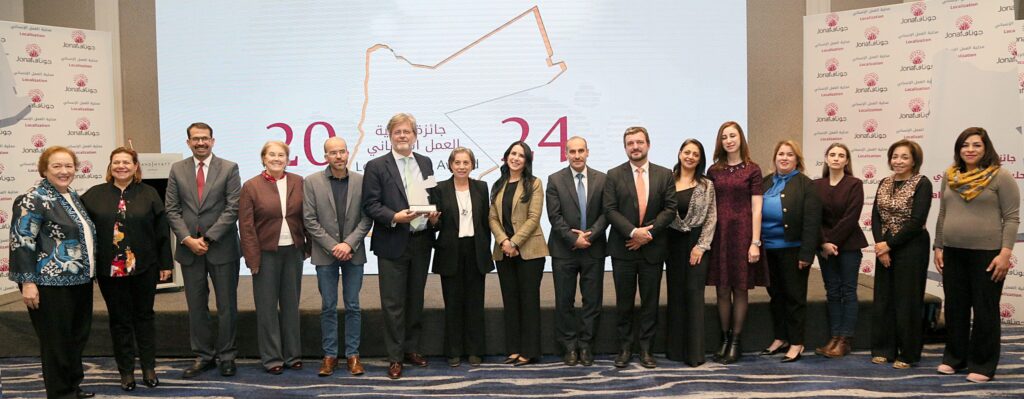
To emphasize the importance of localization of humanitarian and development work in Jordan and effective partnership between civil society and international institutions in strengthening it, especially in times of peace and crises, conflicts, and unrest in the region, the Arab Renaissance for Democracy and Development (ARDD) and the Jordan National NGO Forum (JONAF) honored the Spanish Agency for International Development Cooperation (AECID) – Jordan with the Al Nahda Award for the localization of humanitarian action for the year 2024. The award was presented during a ceremony on Tuesday, December 10, 2024, on Human Rights Day, titled “Bridges of Light: Prioritizing Local Actors in War and Peace. ” It was received by the Spanish Ambassador to Jordan, Miguel de Lucas González, who emphasized that activating the localization of humanitarian work in Jordan requires genuine collaboration and engagement with local civil society. He expressed his appreciation and pride in receiving the award, highlighting the depth of the partnership between Spain and Jordan. Ambassador González pointed out that the AEICD – Jordan has for many years supported the independence of decision-making of local actors, showing understanding of the local context in all areas of work, in addition to its continuous support for building the capacity of local organizations and giving them priority in all its decisions. In line with this year’s theme, the award seeks to recognize leaders who have supported their local partners during times of turbulence and uncertainty at the regional level. These leaders have strived to maintain the independence of their partners, respected their sense of justice, amplified their voices, brought attention to their issues, and adapted their programs to align with the local context. Dr. Sawsan Al-Majali, a member of the JONAF Steering Committee, said: “This year, we come together amid enormous regional and global challenges. The dire situation in Palestine and our region, with its devastating impact on civilians and humanitarian workers, underscores the importance of the localization of humanitarian action as the cornerstone of building resilience and promoting justice and sustainable development.” She also pointed out that AEICD – Jordan was selected by the JONAF Steering Committee from a pool of 11 nominations, with 3 candidates making the final shortlist. On behalf of Jordanian organizations, the Secretary-General of the Jordanian National Forum for Women, Dr. Ruba Matarneh, saw that supporting the prioritization of local actors consolidates the paths of resilience and development, and contributes to raising and amplifying the voices of women, youth, and marginalized communities, giving them the ability to actively contribute to social cohesion and local leadership commending AEICD- Jordan in this regard. For his part, UN Women Jordan country representative, Nicholas Burniat, expressed his pride in Jordan’s great progress in the field of localization of humanitarian work, stressing the need to find proper ways to activate partnerships between all local actors to achieve a comprehensive renaissance and better responses to the needs of communities targeted by humanitarian and development agenda services. The Executive Director of ARDD, Samar Muhareb, emphasized that the Award´s fourth the importance of activating the localization of Human Rights and ensuring the localization of this agenda, particularly in communities that need them most, indicating that the localization of humanitarian work is not about slogans and speeches, but rather a basic requirement for humanitarian and development work and the development of societies. The Al Nahda Localization Award was launched by ARDD and JONAF in 2021 to recognize and appreciate individuals and organizations that champion localization and play a critical role in advancing and strengthening local civil society organizations at both local and international levels. As part of the Ceremony, Petr Kostohryz Special Advisor / Partnership Manager at The European Regional Development and Protection Program (RDPP), was also honored with a certificate of appreciation in recognition of his efforts over the years to support the local agenda of humanitarian action.
Organized by ARDD: A Delegation from the Jordanian Parliament, Civil Society, Security, and International Agencies Visits Zaatari Camp
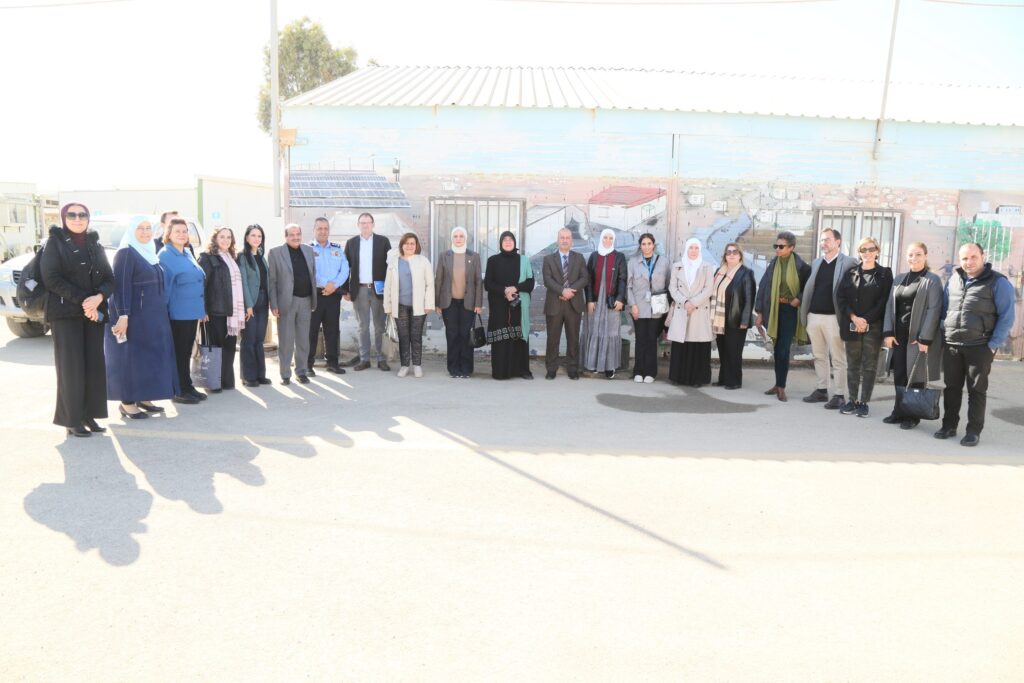
In light of the recent military developments in Syria, which reflect profound regional transformations, Jordan has for many years gone through exceptional circumstances and numerous changes related to the protection of Syrian refugees, as well as the effects thereof on the host community, among other circumstances. In this context, and to review the UN, Jordanian, and international efforts, and to open discussions on the priorities of the Jordanian government as of now in this file, the Arab Renaissance for Democracy and Development (ARDD), under coordination by the United Nations High Commissioner for Refugees in Jordan (UNHCR), organized a visit to Zaatari camp (east of Mafraq), with the participation of members of the newly elected parliament, the Ministry of Justice, the United Nations Justice Program, security agencies, and a number of civil society representatives. The visit came as a result of previous dialogues with women and activists, held by ARDD as part of the New Generation project. The visit included learning about the efforts and legal protection services provided by the Jordanian government, UNHCR, and ARDD’s office for Syrian refugees, followed by a visit to the only Sharia court in the camp, through which Jordan has provided great services to refugees, and concluded with a visit to the city of Um Al-Jimal to learn about the effects of the refugee crisis that may have a positive or negative impact on the host community in Mafraq Governorate. Samar Muhareb, Executive Director of ARDD, praised Jordan’s efforts through ministries and institutions and the partnership with the UNHCR and donors over many years, stressing the need to recognize, build on, and learn from these efforts. On the challenges facing refugees in the camp, the Director of Administrative Affairs for Syrian Refugees in the camp, Lieutenant Colonel Amer Al-Mashaqbeh, indicated that there are one million and 300 thousand Syrian refugees in Jordan, and that they face several obstacles starting from the lack of funding, poor infrastructure, the rundown caravans in which they live, the lack of services, and unemployment, stressing the importance of providing more care and support by the United Nations and the international community, in order to help the Kingdom in this context. In turn, a group of women elected to the current House of Representatives expressed their gratitude and appreciation for learning about the refugee file in Jordan and the roles of civil society and the host society in this aspect, stressing the parliament’s legislative and oversight role in supporting strategic issues in the Kingdom. Going to Um Al-Jimal area, which has been recently listed by the UNESCO as a World Heritage Site, participants in the visit learned about the most important landmarks of the city, where they called for the need for local and international investors to invest in the site through a comprehensive promotion campaign and presenting Um Al-Jimal as an attractive tourist destination. According to these data on the situation of the camp and its developments, the participants in the visit underlined the importance of continuing international and local efforts to alleviate refugee crises in the region, and drew attention to Jordan’s important role in this field for many years, due to the Kingdom’s achievements in this aspect in partnership with the UNHCR, and in coordination between various government and private agencies and civil society institutions, to ensure the protection of refugees and host communities and provide them with decent means of subsistence in these difficult circumstances, leading to the need for Syrian families to access comprehensive healthcare and education services, as well as ensuring that they receive the necessary support to improve their quality of life, both inside and outside the camp.
جبل عمّان: التحفيز المجتمعي كأداة للنهوض الاقتصادي وريادة الأعمال

على مر التاريخ، تحول جبل عمّان من كونه منطقة سكنية إلى حي يشهد استثمارات تجارية متنامية. فأصيح شارع الرينبو، تحديداً، نقطة جذب للشركات والمطاعم والمقاهي، الأمر الذي رفع من جاذبية الحي التجارية. ومع ذلك، فقد أثر ارتفاع التكاليف وعمليات التحسين الحضري على السكان، مما دفع بعضهم إلى الرحيل. ويشير البعد الاقتصادي إلى الأنظمة والأنشطة التي تنطوي على إنتاج السلع والخدمات داخل المجتمع وتوزيعها واستهلاكها. وقد شهد اقتصاد جبل عمّان تغيرات كبيرة في هذا المجال، حيث تحول من منطقة سكنية راقية إلى مركز تجاري وثقافي نشط. ومع ذلك، فقد أدت عملية التجديد وارتفاع تكاليف التشغيل إلى عدة تحديات أيضاً، بالنسبة للسكان ذوي الدخل المنخفض والفئات المهمشة خاصة. وهنا؛ تلعب المشاركة المدنية في التخطيط الاقتصادي دوراً حاسماً في تعزيز النمو المتوازن والشامل الذي يعكس احتياجات جميع السكان وتطلعاتهم. في هذا الإطار، عقدت منظمة النهضة العربية للديمقراطية والتنمية (أرض)، الجلسة الحوارية الخامسة، لمبادرة “جبل عمّان: الماضي والحاضر والمستقبل”، والتي حملت عنوان: “البعد الاقتصادي”، الإثنين 25 تشرين الثاني/ نوفمبر 2024، وأدارتها المستشارة في منظمة النهضة (أرض)، المهندسة مرح خياط. وبشأن بناء الاقتصادات المحلية وريادة الأعمال، أكد مدير ومؤسسة منظمة قادة الغد والعضو في لجنة جبل عمّان، د. سامي الحوراني، على ضرورة التحفيز المجتمعي كأداة للنهوض الاقتصادي وتأثيره على ريادة الأعمال، كما يجب تحفيز الشباب في العمل الاجتماعي كونه علم بحد ذاته، ويحتاج إلى جهد كبير، والذي يبدأ بإدراك غاياتهم. ولفت إلى أن ثقافة الإنتاج هي أساس نهضة المجتمعات، فغياب هذه الثقافة عن مجتمعاتنا تجعلنا قاصرين عن مواكبة أهم التطورات على الساحتين المحلية، والإقليمية، والعالمية، مستشهداً بدول مثل سنغافورة وماليزيا اتبعت هذه الثقافة لتحقيق نهضتها. ونبه إلى أهمية العمل الجماعي وتعزيز الشراكات بين كافة الجهات عند إنشاء المبادرات المجتمعية، والمشاريع الريادية، والاستثمارات المختلفة، بعيداً عن “الفردية” لتحقيق المنفعة الاقتصادية الشاملة للمجتمعات، فضلاً عن أهمية تسليط الضوء على قدرات الشباب بالمنافسة عالمياً، مشيراً إلى أن الاقتصاد الأردني لن يحل مشكلة البطالة بين الشباب على مدى السنوات العشر القادمة، لكن مطلوب في هذا السياق تحسين قدراتهم، والقدرة على التنافس عالمياً. وفيما يتعلق بأهمية الاستثمار السياحي في جبل عمّان، شدد هيثم القسوس من مجموعة روميرو، على أهمية التخطيط الاستراتيجي عند إقامة المشاريع أو المبادرات في المنطقة، بحيث توفر فرص عمل للمجتمع المحلي نفسه، مع التركيز على دور المؤسسات في دعم أفكار الشباب ومبادراتهم. وسلط القسوس الضوء على كيفية تحقيق نتائج مبهرة عبر الرؤى الاستراتيجية التي يتمتع بها بعض الأفراد المتميزين وإصرارهم لتحقيق الأهداف مما يفتح المجال لإلهام الآخرين وخلق أثر إيجابي مستدام، مستعرضاً على المستوى الشخصي والعائلي تجربة مجموعة روميرو كمثال حي، حيث تمكنت هذه المجموعة من بناء قصة نجاح ملهمة تجمع بين الابتكار والإدارة الفعالة، أدت لتحقيق إنجازات مستدامة سواء على مستوى تطوير الأعمال أو التشغيل المجتمعي، ومثال نجاح آخر على المستوى المجتمع: من خلال تقديم تجربة جمعية وسوق جارا، حيث نجحت الجمعية في تعزيز الهوية الثقافية والاجتماعية للمنطقة، واستثمار الموارد المحلية من خلال تنظيم سوق جارا الذي أصبح منصة لتمكين المجتمعات ودعم الاقتصاد المحلي. ختاماً؛ أكد المشاركون على أهمية دعم الشباب ومبادراتهم الإنتاجية والاجتماعية في جبل عمّان خاصة والمملكة ككل، وكذلك من الضروري إطلاق حوارات بين القطاعين العام والخاص والمجتمع المدني، والمجتمعات كافة، مع التأكيد على أن رغبة الشباب في المشاركة على مستويات مختلفة لا بد أن تحاط ببيئة اجتماعية ومؤسسية داعمة.
ARDD Participates in Palestinian Solidarity Event in UK Parliament

ARDD’s Senior Advisor on the Question of Palestine, Dr. Lex Takkenberg, was one of the speakers at an event, “Defending Palestinian Rights: Humanitarian and Legal Perspectives,” on Tuesday at the House of Commons of the UK Parliament. The event was organised by the Palestinian Return Centre to mark the International Day of Solidarity with the Palestinian People and hosted by Shockat Adam, Member of Parliament for Leicester South in the House of Commons. In addition to Lex Takkenberg, the speakers included Avi Shlaim, Emeritus Professor of International Relations at the University of Oxford, Penny Green, Professor of Law and Globalisation at Queen Mary University of London, Ruba Salih, Professor of Anthropology at the University of Bologna and Dr. Shahd Hammouri, Lecturer in International Law at the University of Kent. Ruba Salih and Shahd Hammouri are also members of ARDD’s Global Network on the Question of Palestine. The panel addressed the event theme from different angles. Professor Shlaim provided the context of the Question of Palestine highlighting that it was “made in Britain” and that successive British Governments have never acknowledged responsibility for the injustices inflicted to the Palestinian People. Professor Green focused on the limitations of international law in addressing the Palestinian struggle for justice with an emphasis on the significant role of civil society in driving accountability. Dr. Takkenberg focused on protection of Palestinian refugees in light of Israel’s ban on UNRWA, highlighting that it constitutes a fundamental rupture with respect to the international community’s response to the Palestinian refugee issue since the agency’s establishment in 1950, with wide-ranging legal, political, institutional, humanitarian, financial and other implications. Professor Salih gave voice to Palestinian perspectives with respect to the ongoing genocide in Gaza, including those of survivors as well as Palestinians in the diaspora bearing daily witness to the atrocities. Based on this she examined policy, accountability and broader implications for the Question of Palestine. Last but not least, Dr. Hammouri spoke passionately about the implications of the recent judgments of the International Court of Justice in both the Genocide case launched by South Africa and the Advisory Opinion on the illegality of the occupation, including the duty to implement an arms embargo, the right of return, and the prevention of genocide, as well as the role of third states in addressing complicity and accountability. On the occasion of the International Day of Solidarity with the Palestinian People, ARDD extends its greetings and solidarity to the steadfast Palestinian People in occupied Palestine and elsewhere in the world and renews its pledge to work relentlessly towards justice, accountability and decolonisation.