ARDD Concludes CLOSER Regional Training Camp on Participatory Governance, Advancing Mediterranean Dialogue on Local Governance and Collective Action
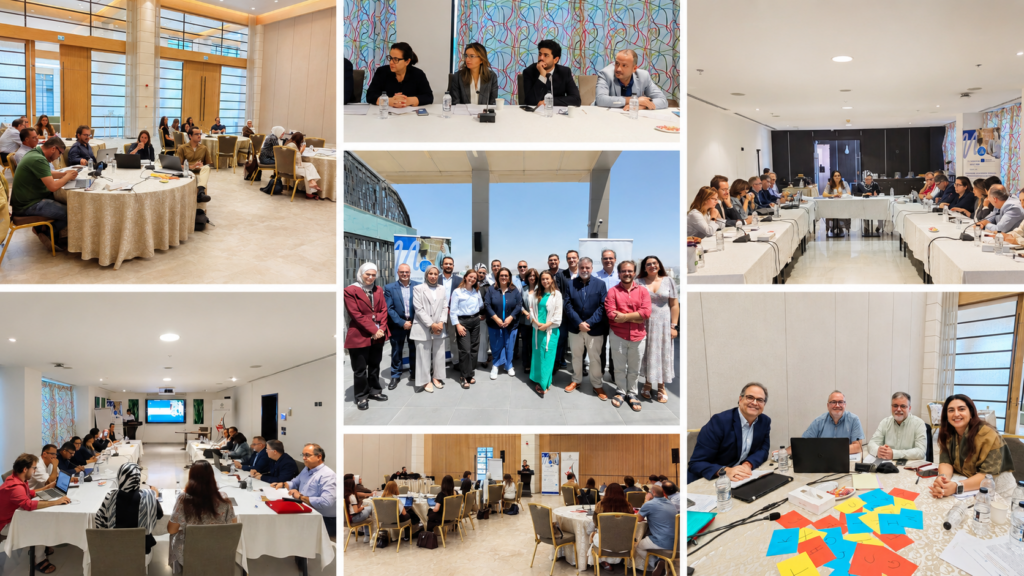
The Arab Renaissance for Democracy and Development (ARDD) concluded the International Training Camp: “From Local Proximity Networks to Collective Action: Strengthening Local and Cross-Border Participatory Governance,” held from 19–23 July 2026 in Amman within the framework of the CLOSER – Connecting Local proximity networks, Sustaining participatory govERnance project under the Interreg NEXT MED Program. Hosted by ARDD, the regional gathering brought together -25 participants- including project partners, local authorities, civil society organizations, and community representatives from Jordan, Palestine, Lebanon, Italy, Greece, and Spain, to exchange experiences and strengthen regional cooperation on participatory governance. The five-day camp provided a platform for comparative learning and policy dialogue on participatory governance, localization, and community-led development. Through interactive workshops facilitated by CLOSER partners, technical exchanges, and collaborative planning sessions, participants examined how locally grounded governance approaches can contribute to more inclusive, responsive, and resilient public institutions while strengthening partnerships between local authorities, civil society, and communities. Hosted under ARDD’s Good Governance Program and in collaboration with Greater Amman Municipality (ARDD’s Associated Partner under CLOSER), the training camp reflected the organization’s longstanding commitment to advancing participatory governance through evidence-based programming, regional cooperation, and policy dialogue. It also drew on the analytical work of the Renaissance Strategic Center (RSC), whose research on governance, civic participation, and localization has sought to bridge policy and practice while contributing to regional conversations on inclusive governance and institutional resilience. Eng. Malak Suleiman, CLOSER National Coordinator at ARDD, said: Embodying the collaborative spirit at the heart of the CLOSER project, designing and hosting this training camp served to translate cross-border cooperation into a practical blueprint for Mediterranean governance. By bringing together practitioners from six nations, we moved beyond passive knowledge-sharing to co-designing actionable tools that bridge local proximity networks with institutional strategy. This camp demonstrated that aligning local authorities, civil society, and communities seamlessly connects local realities to a unified, resilient Mediterranean framework for collective action.” The camp opened with discussions of the foundations of participatory local governance, then examined inclusive governance as a prerequisite for sustainable local development. Dr. Salma Nims, an expert on gender and public policy, explored how governance systems become more effective when they systematically incorporate gender-responsive approaches and create meaningful opportunities for women, young people, and marginalized communities to participate in decision-making. Her contribution emphasized that inclusion is not an additional dimension of governance reform but an essential condition for effective and accountable institutions. “Transforming participatory governance from a series of ad-hoc exercises into a core institutional standard is vital for long-term governance resilience. When local authorities systematically embed inclusive community evidence into policy-making and budget planning, they don’t just consult citizens; they elevate public trust, optimize resource allocation, and build inherently accountable institutions.” Al Nims noted. Building on these discussions, Dr. Mariam Abu Samra, Head of the Renaissance Strategic Center (RSC), examined governance through the lens of localization and multi-level governance frameworks. Drawing on comparative experiences from the Arab region, she highlighted the importance of strengthening the relationship between institutions and communities while enabling locally driven priorities and knowledge to inform governance processes. Her session underscored that localization extends beyond administrative decentralization to encompass participatory approaches that reinforce accountability, social cohesion, and collective ownership of development processes. Dr. Mariam Abu Samra said: “Localizing governance is not merely about transferring administrative tasks; it is about reorganizing power, authority, and resources so local actors actively shape the decisions that impact their communities. The challenge we face today is not choosing between local, national, or regional governance, but building interactive systems in which each level strengthens the others” Partners also engaged in technical sessions on stakeholder mapping, territorial assessments, governance challenges, participatory methodologies, and strategic planning, sharing experiences from the six participating countries and reflecting on the opportunities and constraints facing Local Proximity Networks (LPNs) in diverse political, institutional, and social contexts. These exchanges highlighted the value of comparative learning and peer dialogue in strengthening locally adapted governance approaches. The camp further benefited from the contribution of Sir Charles Petrie, international governance expert and former United Nations Assistant Secretary-General, who joined participants virtually to discuss the transition from civic activism to participatory local governance. Reflecting on international experiences in fragile and transitional settings, he emphasized the importance of building trust between institutions and citizens and of embedding participation within governance systems capable of responding to evolving local needs. “Supporting participatory systems of local governance is no longer an exercise in democratic idealism; it is the most realistic pathway toward rebuilding resilient and legitimate states. International peacebuilding must move beyond the obsolete premise of top-down centralization and recognize that durable peace begins where trust is earned and services are delivered: at the local level.” He added. A central milestone of the week was the Regional Roundtable on Participatory Governance Best Practices, jointly organized by ARDD and the University of Alicante. The roundtable brought together practitioners, ministries, , municipalities, private sector representatives and civil society representatives to reflect on emerging governance practices from across the Mediterranean. Discussions highlighted the importance of adapting governance models to local contexts while fostering regional learning, knowledge exchange, and collaboration across institutional and geographic boundaries. The session also highlighted a number of best practices from Jordan. These included the Diwanieh Public Debate Initiative, presented by Dr. Sami Hourani, as a compelling example of participatory governance and civic dialogue; Himmetna Health, presented by Dr. Fadia Samara, showcasing a participatory implementation and service-delivery partnership model; and the Queen Noor Park – Al Hashmi Al Janoubi initiative, presented by Eng. Aya Hammad from UN-Habitat, as an example of community-led public space development. As the Representative of the University of Alicante, Fulgencio Cerdá, Mayor of Villena commented: “True participatory governance begins in our municipalities, where public policy meets the daily realities of citizens. Collaborating with institutions like ARDD and the University of Alicante allows us in Villena not only to share our local experiences, but to learn from municipal leaders and practitioners across the Mediterranean, ensuring our local governance models are stronger, more inclusive, and resilient.” Where the
IIMP Visits ARDD to Engage with MARFA on Shared Priorities
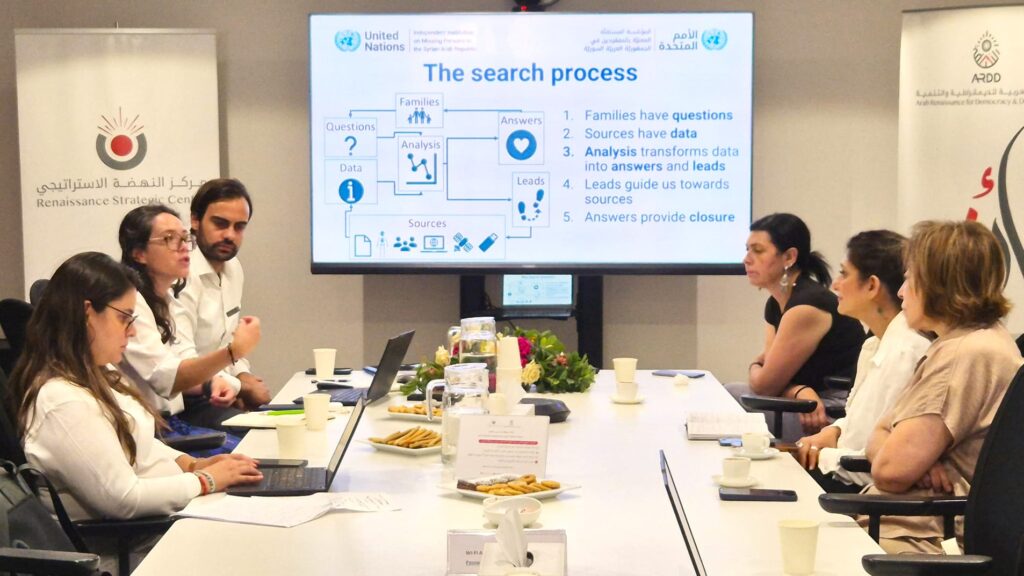
On 15 July, the Arab Renaissance for Democracy and Development (ARDD) welcomed representatives of the Independent Institution on Missing Persons in the Syrian Arab Republic (IIMP) during the Institution’s second mission to Jordan. The meeting brought together members of the Migration and Refugee Forum for the Arab World (MARFA), as a space for dialogue, mutual learning, and exchange on the issue of missing persons in Syria. It provided an opportunity for IIMP to introduce its mandate and ongoing work to regional civil society actors, while drawing on MARFA members’ collective knowledge, experience, and long-standing engagement with displaced communities across the region. Established through a United Nations General Assembly resolution in 2023 following sustained advocacy by victims and families, IIMP is mandated to clarify the fate and whereabouts of missing persons in Syria and to support their families. With an estimated 100,000 people still missing, the Institution works by bringing together information from families, civil society organizations, international actors, and governments in pursuit of truth, dignity, accountability, and the rights of those affected. The discussion highlighted the essential role of regional and local civil society in ensuring that the experiences, priorities, and voices of affected families remain at the centre of international efforts. Participants reflected on the knowledge accumulated by ARDD in Jordan through years of accompanying refugees and displaced Syrians, discussing the legal, social, and protection challenges faced by families of missing persons, existing community outreach efforts, and ways to strengthen awareness of the mechanisms available to them. The dialogue also explored the far-reaching consequences of disappearance, which extend well beyond the loss of a loved one. Families often face complex legal obstacles related to inheritance, guardianship, civil documentation, and access to rights and services, while women frequently bear additional social and economic responsibilities in the prolonged absence of family members. Participants emphasized that disappearance is not only a humanitarian issue but also a profound legal, social, and psychological reality that leaves families suspended in uncertainty. The human dimension of these challenges was illustrated when a Syrian community leader shared the story of his brother, who disappeared during the conflict and has never been located. During the meeting, IIMP explained the process for opening a case, enabling him to begin documenting the disappearance and to better inform others in his community who may wish to engage with the Institution. The exchange underscored the importance of trusted community networks in connecting families with available mechanisms while ensuring that their experiences and agency remain central. The meeting reaffirmed a shared commitment to placing the rights, dignity, and voices of families of missing persons at the heart of ongoing efforts. It also highlighted the importance of sustained dialogue between international mechanisms and regional civil society, recognising that meaningful progress depends on listening to affected communities and building on the knowledge, trust, and experience of those who have long worked alongside them.
ARDD Launches the CLOSER–Jordan Local Proximity Network to Advance Participatory Governance
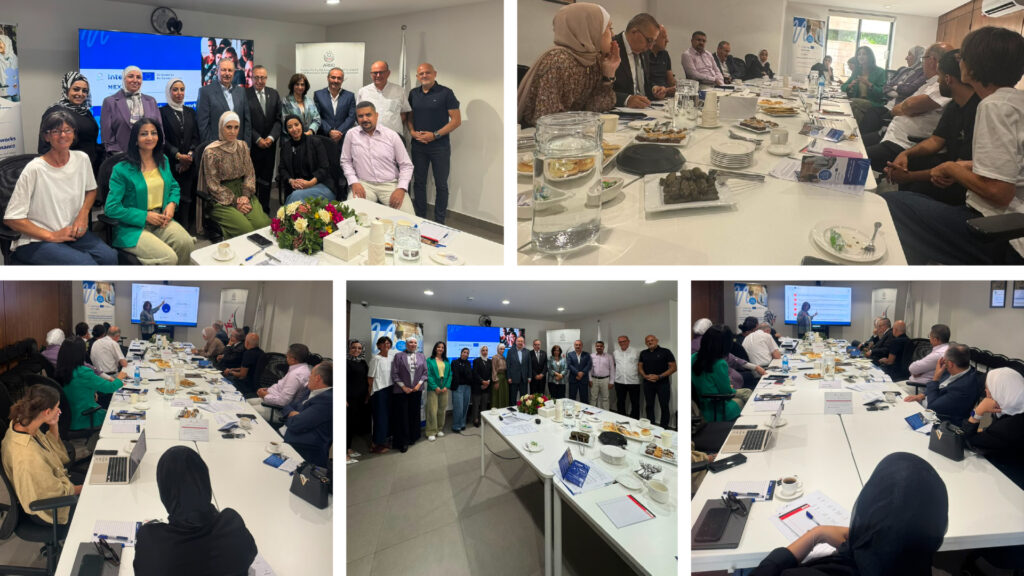
AMMAN, JORDAN – Under the framework of CLOSER – Connecting LOcal proximity networks Sustaining participatory govERnance, the Arab Renaissance for Democracy and Development (ARDD) convened the inaugural meeting of the CLOSER–Jordan Local Proximity Network on 6 July 2026. Building on the experience of the Future of Jabal Amman Committee, the network positions Jabal Amman as a pilot site for exploring participatory governance approaches that strengthen cooperation between local communities, public institutions, civil society, academia, and the private sector. The initiative seeks to establish practical mechanisms for dialogue, collective action, and shared decision-making, while supporting more inclusive and responsive approaches to urban development and local governance. Reflecting its collaborative and multi-sectoral character, the network brings together representatives from public and municipal institutions, civil society organisations, academia, international organisations, local communities, and the private and cultural sectors. Participants include representatives from the Greater Amman Municipality, the Ministry of Local Administration, the Ministry of Tourism and Antiquities, UN-Habitat, the German Jordanian University, the Jabal Amman Residents Association, Habibi Association, and local community representatives. The network also includes H.E. Michael Nazzal, Al-Zoumorodah for Artifacts, Jabal Amman Publishers, and Leaders of Tomorrow through its Souq Fann platform. This diverse composition reflects a shared recognition that sustainable urban development depends on partnerships that connect institutional mandates and technical expertise with community knowledge, local experience, and civic leadership. During the inaugural meeting, members discussed an initial roadmap focused on identifying and exchanging local and regional good practices, strengthening cooperation among participating stakeholders, and exploring how effective community-led governance approaches may be adapted within their respective institutions and local contexts. Commenting on the launch, Eng. Malak Suleiman, CLOSER Project Manager at ARDD, said: “The CLOSER–Jordan Local Proximity Network aims to contribute to the development of locally driven governance models that place communities at the centre of urban planning and public policy, while generating practical lessons that can inform broader efforts toward participatory and decentralized development in Jordan and the wider region.” Through the network, ARDD seeks to support sustainable neighbourhood-level models in Jabal Amman while contributing evidence and practical experience that may inform participatory governance efforts in other areas of Jordan and across the Mediterranean region. About CLOSER CLOSER – Connecting LOcal proximity networks Sustaining participatory govERnance is funded by the Interreg NEXT MED Programme and implemented by partners from Jordan, Palestine, Lebanon, Italy, Spain, and Greece. The project aims to strengthen participatory governance by fostering collaboration between local authorities, civil society organisations, and communities to co-create inclusive public spaces and sustainable, locally led development policies.
Social Security Closer to Local Communities: Awareness Sessions Reach More Than 800 Beneficiaries
More than 800 beneficiaries of different nationalities participated in a series of social security awareness sessions held during the second half of June and early July. The sessions were delivered through a partnership between the Social Security Corporation (SSC), the Arab Renaissance for Democracy and Development (ARDD), and the International Labour Organization (ILO), in collaboration with several local civil society organizations that are members of the Jordan National NGO Forum (JONAF): Abu Alanda Association for Social Development in Amman, Athar Youth Development Association in Russeifa, Ru’ya Women’s Association in Ramtha, and Qudurat Community Development Association in Mafraq. The initiative sought to strengthen workers’ understanding of their social security rights and entitlements, with a particular focus on youth, women, refugees, migrants, and other vulnerable groups. Participants were introduced to the benefits of social security coverage, enrollment procedures, the different insurance schemes, and the Corporation’s digital services. The sessions explored the role of social security in strengthening social protection for workers and their families, covering key benefits such as old-age, disability, death, and work injury insurance. Participants also received practical guidance on registration procedures, the rights and responsibilities of insured persons, and opportunities for voluntary enrollment. Particular emphasis was placed on expanding social security coverage for workers in the informal economy. To complement these discussions, lawyers from ARDD delivered legal awareness sessions on labour rights and the legal framework governing social security, with a particular focus on the provisions of the Jordanian Labour Law. Their participation enabled attendees to receive practical legal guidance and direct answers to questions related to employment rights and social security protections. Reaching more than 800 beneficiaries through awareness sessions and community outreach demonstrates the value of collaboration between national institutions and local civil society organizations in bringing social security information and services closer to communities. By improving access to reliable information, the initiative contributes to more inclusive and accessible social protection for those who need it most. The initiative will continue in the coming months through regular field visits to the Workers’ Support Units established within the four partner associations. Staff from the Social Security Corporation and ARDD’s legal team will continue providing one-on-one consultations on social security and labour rights, helping ensure that workers can access advice and services within their own communities. These activities are part of the ” Security Bridges: Enhancing Awareness and Access to Social Security in Jordan” project, implemented by ARDD in partnership with the Social Security Corporation (SSC) and the International Labour Organization (ILO). The project forms part of the Afaq Project, funded by the Government of the Netherlands, and the Estidama++ Programme, funded by the governments of the Netherlands, Norway, and the United Kingdom. It aims to empower workers—particularly those in the informal economy and other vulnerable groups—to better understand and exercise their social security rights, ultimately expanding social protection coverage and strengthening economic and social resilience. The initiative underscores the importance of strong partnerships between national institutions and local civil society organizations in promoting social security awareness, expanding access to services, and advancing a more inclusive, equitable, and sustainable system of social protection.
ARDD Hosts Netherland MFA Delegation to Highlight Refugee Voices and Local Leadership
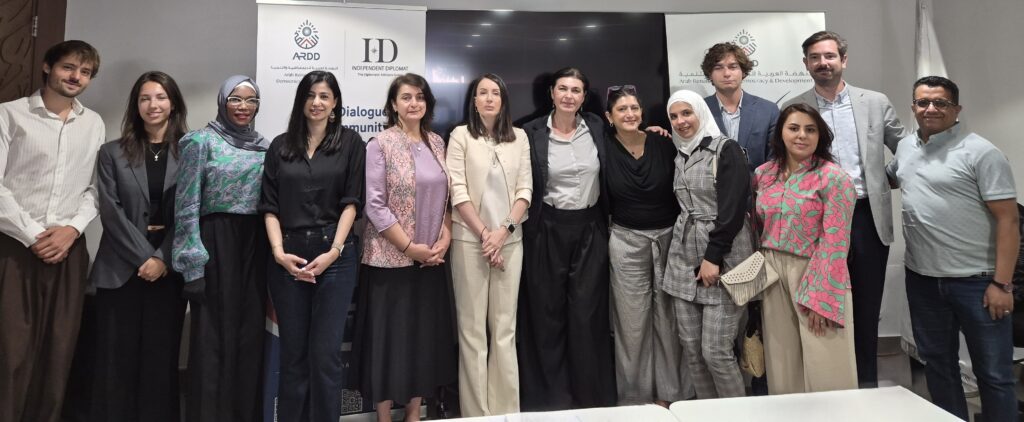
On Monday, 29 July, the Arab Renaissance for Democracy and Development (ARDD) hosted representatives of the Netherland Ministry of Foreign Affairs (MFA), one of ARDD’s key partners in supporting refugees, IDPs, and host communities. Amid funding reductions and geopolitical instability, the visit underscored the value of locally-led work and the significance of strong relations between local organizations and international donors. ARDD emphasized the importance of amplifying the voices of local communities and highlighted how frontline implementation generates knowledge that must reach the institutional level, through research, legal aid work, and advocacy reports that have, as one MFA representative noted, also informed Netherlands policymaking on migration and displacement. Strong networks, including JONAF, allow ARDD to rapidly consolidate input from local partners and translate it into concrete advocacy, most recently contributing to recommendation papers for the Jordan Response Plan 2027-2029. The delegation also explored ARDD’s MFA-funded partnership with Independent Diplomat (ID), which has helped ARDD reach global advocacy platforms like the Global Refugee Forum and access capacity-building and advocacy training, a collaboration made possible by MFA support. To ground the conversation in lived realities, ARDD invited community leaders from Sudan, Yemen, Iraq, and Syria to share their experience directly with the delegation. Each leader spoke to a pressing issue facing their community: the impossible trade-off between protection status and the right to work, collapsing healthcare coverage, a generation unable to access higher education, and a resettlement pipeline too narrow to offer real hope. Behind every issue, the same forces surfaced: devastating funding cuts and the halt of UNHCR registration, leaving hundreds of thousands in a legal and humanitarian crisis. As Samia Adam, a community leader from Sudan, powerfully captured it, saying “refugees in Jordan are like a bouquet trapped in a closed box, full of life and potential, but unable to flourish or see the sun.” Community Leader
Tawasol Network Evaluation and Sustainability Workshop
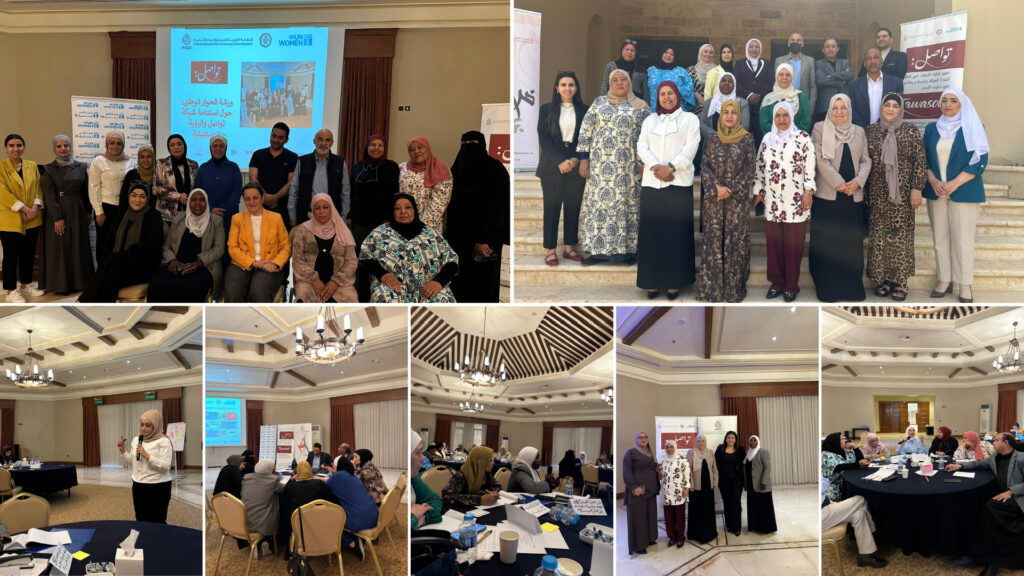
The Tawasol Network National Dialogue Workshop concluded after two days of discussions held on 26–27 April 2026, bringing together a wide range of civil society organizations and government institutions, including representatives from the National Center for Security and Crisis Management and the Gender Unit of the Public Security Directorate. The workshop sought to review the network’s progress, explore pathways for its sustainability and institutionalization, and strengthen its future vision for crisis management within the framework of the Women, Peace and Security (WPS) agenda in southern Jordan. The first day focused on governance mechanisms, networking, and community-led solutions as essential foundations for ensuring the network’s continuity beyond dependence on external funding. Discussions also examined how to move from short-term, project-based approaches toward long-term operational sustainability. In addition, participants reviewed the network’s achievements against the indicators set out in its monitoring and evaluation framework, helping to further align local efforts with national crisis management frameworks. On the second day, the dialogue turned toward developing the implementation framework for the network’s strategic plan. Through a participatory process, participants identified clear priorities to guide the next phase of the network’s work. Consensus emerged around a set of pillars aimed at reimagining crisis response as an integrated institutional system, underpinned by a flexible organizational structure and the ability to respond effectively to local realities. Participants also underscored the importance of strengthening internal governance and expanding the network’s role in leading both humanitarian and development interventions. The workshop further emphasized the need to reinforce the network’s sustainability and institutionalization while advancing its vision for crisis management within the framework of the Women, Peace and Security agenda in southern and central Jordan. These efforts pave the way for the next phase, particularly by strengthening the development dimension of the network’s work and supporting a transition toward more sustainable interventions, with local leadership and the meaningful empowerment of women, youth, and persons with disabilities at their core. The workshop concluded with an agreement on unified coordination mechanisms that connect network members within an integrated, gender-responsive response framework that ensures access to the most vulnerable groups. This direction reflects a collective effort to transform field-based experiences into tools for influence and advocacy, reinforcing Tawasol’s role as a reference platform for locally led humanitarian action and a driver of community resilience in the face of crises. Participants further emphasized the importance of developing flexible and participatory action plans, strengthening collaboration among members, establishing a clear governance framework, and continuously investing in the capacities of local leaders to ensure the sustainability of the Tawasol Network and maximize its societal impact. They also highlighted the importance of advancing the localization of humanitarian action by placing local leadership at the center of planning and implementation to ensure effective and efficient crisis response. The workshop took place within the framework of the project Tawasol: Strengthening Crisis Management under the Women, Peace and Security Agenda in the South, an initiative implemented by ARDD – Arab Renaissance for Democracy and Development in partnership with UN Women Jordan. The project aims to enhance community preparedness, empower women, and strengthen the engagement of civil society organizations in crisis response and local peacebuilding. It focuses on developing the capacities of local institutions in emergency planning, early warning, coordination, and protection, contributing to more resilient and prepared communities capable of addressing various challenges. The Tawasol Network is a multi-level collaborative platform launched by ARDD in cooperation with UN Women under the Amani Project, and later further developed through the Tawasol project. It serves as an umbrella framework bringing together women-led, youth-led, and community-based organizations operating in Southern Jordan. The network works to strengthen linkages, coordination, and knowledge exchange among its members while promoting locally led crisis management through a participatory approach that places community needs at the center of humanitarian and development action. It also contributes to strengthening the meaningful participation of women and youth in decision-making, advancing gender-responsive responses, and reinforcing the principles of transparency, accountability, and collective action.
ARDD Highlights Civil Documentation as a Lifeline for Refugees in Jordan on World Refugee Day 2026
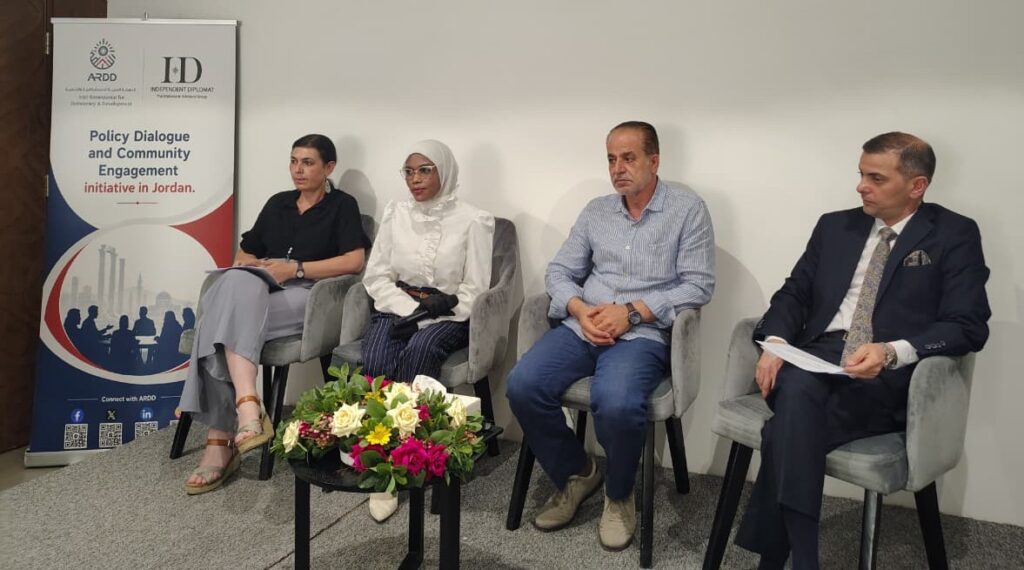
High-level roundtable discusses lessons from Sudanese refugee documentation cases and underscores the importance of legal identity in safeguarding refugee rights and access to services. Marking World Refugee Day 2026, the Arab Renaissance for Democracy and Development (ARDD) hosted a high-level roundtable discussion entitled, “Civil Documentation and Legal Identity as a Lifeline for Refugees in Jordan: Lessons from a Sudanese Refugee Documentation Case.” The event brought together representatives from UNHCR Jordan, Independent Diplomat (ID), members of the Sudanese refugee community, legal experts, and other stakeholders to discuss the critical role of civil documentation in ensuring legal identity, protection, and access to rights and services for refugees in Jordan. The discussion was informed by ARDD’s recently published paper examining the challenges Sudanese refugee children face in obtaining accurate civil documentation and the lessons learned from efforts to address them. Opening the discussion, Dr. Mariam Abu Samra, Head of the Renaissance Strategic Center (RSC) at ARDD, emphasized that legal protection is an essential component of refugee safety, stating: “ARDD is deeply honored to play this important role in supporting refugee communities through legal aid and advocacy. Legal identity is fundamental to ensuring that refugees can access their rights and live with dignity and protection.” Rana G. Ksaifi, Assistant Representative (Protection) at UNHCR Jordan, highlighted the importance of ensuring equitable protection for all refugee communities, noting: “Less visible communities like Sudanese refugees must not be overlooked or left behind in broader humanitarian responses. All refugees deserve equal protection, representation, and support, regardless of their nationality, and as we commemorate the 75th anniversary of the 1951 convention this year, these commitments remain vital”. Highlighting the broader protection implications of documentation challenges, Guillaume Charron, Director of Independent Diplomat’s Geneva Office, stressed: “Documentation is something most people do not think about when it is working well. When it is not, it can render people legally invisible, creating a real risk of statelessness for refugees.” Representing the voices of the affected community, Ms. Samia Adam, a Sudanese refugee community leader, reflected on the impact of documentation discrepancies on refugee families and noted: “ARDD’s advocacy helped us build trust and encouraged more refugees from the Sudanese community to seek the correction of their documents.” The event also highlighted the valuable contributions of Ms. Adam, whose continued voluntary efforts in support of refugees from various nationalities in Jordan have significantly strengthened community solidarity and support. ARDD and participants acknowledged her inspiring example of community leadership and her dedication to serving others and creating positive change within refugee communities. Participants discussed how documentation challenges can undermine legal identity, family unity, access to education, and protection from statelessness. The discussion further underscored the importance of coordinated advocacy and collaboration among refugees, civil society organizations, UNHCR, national authorities, and community leaders in identifying and addressing emerging protection concerns. The roundtable highlighted a significant achievement resulting from joint advocacy and legal assistance efforts, with more than 100 birth certificates belonging to Sudanese refugee children successfully corrected, helping safeguard their access to education and other essential services. The event was organized under the framework of the Policy Dialogue and Community Engagement Initiative on Legal, Economic, and Social Issues and Access to Services in Jordan, jointly implemented by ARDD and Independent Diplomat with support from the Dutch Ministry of Foreign Affairs. Read the full publication here: Civil Documentation and Legal Identity for Refugee Children in Jordan: Lessons from a Sudanese Refugee Documentation Case
Participatory Journalism: Learning from “The Lebanon Displacement Diaries”
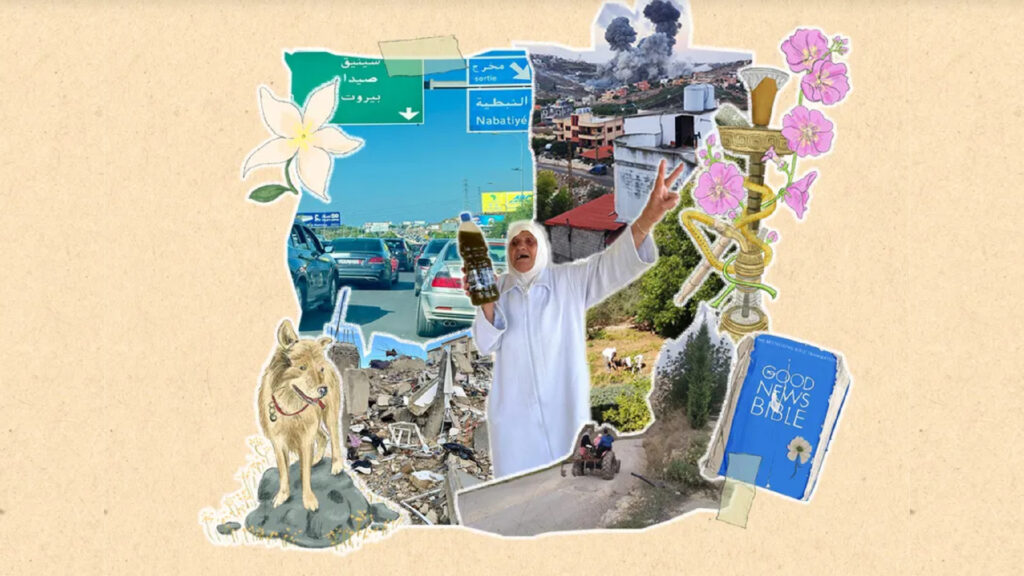
Lebanon continues to face significant pressures arising from displacement and its impact on those living within the country. In light of these challenges, the Renaissance Strategic Center (RSC) at the Arab Renaissance for Democracy and Development (ARDD) hosted a seminar titled “Participatory Journalism: Learning from The Lebanon Displacement Diaries” to explore an alternative type of journalism. In contrast to mainstream media and statistical reporting, participatory journalism gives real voices and freedom of expression to underrepresented communities most affected by displacement. The webinar was moderated by Maria Giovanna Mariani, RSC Research Officer, and was joined by Annie Slemrod and Zainab Chamoun, journalists for The New Humanitarian who collaborated on and helped develop the storytelling project, The Lebanon Displacement Diaries.Annie Slemrod is an award-winning journalist, editor, and innovative storyteller who has worked in the region for over a decade. Zainab Chamoun is a South Lebanese freelance journalist and researcher who has herself experienced, and continues to experience, displacement. Participatory journalism is a model of news production where the people being reported on become active contributors rather than passive subjects. It breaks down the traditional boundary between journalist and source, turning news-making into a genuine dialogue. This webinar is intended to form part of a wider series of events bringing together journalists and humanitarian communities to focus on this approach to journalism. If you were displaced, what would you take from your home? The two journalists opened the session with an interactive task. They asked the audience: if you were displaced, what would you take from your home? This was the question with which the project itself began. It is not the kind of question mainstream media would typically focus on, but it reflects a real and deeply personal struggle faced by people forced to leave their homes. The authors knew that this question would add personal depth to the accounts of those who participated in the Lebanon Displacement Diaries, while also allowing readers to relate more closely to those affected by displacement. Media coverage, they explained, often focuses on numbers and data, while the real experiences of people, with their fears, hopes, and daily lives, are lost. The project intended to do the opposite, highlighting the depths of the conflict and its human toll. Displacement is not a singular event with a clear beginning and end. It is an ongoing, layered experience. Slemrod and Chamoun made it explicit with the quote “the end of war is not the end of the story”. The Diaries: Step by Step The journalists Slemrod and Chamoun explained the methodology they followed during the process that led from the mere idea of the project to its actual implementation. They presented it in six steps. The first step concerned audience and impact mapping, which they underlined had to take place long before the concrete project began. This meant carefully identifying the selected audience and what impact the project would have on that audience. For this project, the authors wanted to target the national Lebanese audience, but also, at a broader level, the international readers. The latter, described as the ‘my mom audience’, refers to those who are globally curious, but who do not necessarily know the details of the Lebanon crisis and might only understand about it through their regular news outlet. The authors then considered the format. Slemrod and Chamoun wanted the diaries to represent a natural and genuine way of communicating individual stories. They allowed each participant to speak freely and tell their own stories. This is why they used the diary format, because it allowed for that sense of genuineness. The people chose to provide photos and videos alongside their diary entry, bringing life to each piece. Within each diary entry, they also retained the different shades of Arabic dialects, something rare in the media, to communicate each person’s identity. Then, Slemrod and Chamoun decided on the methodology of selecting participants and reaching beyond their own network. It was important for them to engage with a range of people from different backgrounds with different perspectives. It was not necessarily easy to do so, because of the living conditions, access to the people, and marginalization. The authors acknowledged that there were so many stories to tell, but that they could only publish ten. So, they decided to make those ten stories as diverse as possible. The journalists followed trauma-informed reporting guidelines. They met with a Lebanese trauma therapist, who instructed them on how to interact with vulnerable people in that specific context. These guidelines included preparing the interview environment with care, giving participants choice and a sense of ownership over their stories, finding meaning in sharing them, creating space to breathe, being mindful of pressure of ongoing trauma, and not to be afraid to ask for psychosocial support if needed. The penultimate step involved deciding who would be on the team, how aware they were of local sensitivities and context, and who held power within the process. This included understanding the individuals involved in the project, and their specific dialects. Being Chamoun a Lebanese herself and sharing her own experience with the people interviewed, that was an added value to the project. Finally, the authors decided how the diaries could be best distributed, including through circulation and replication. The diaries have been published online in The New Humanitarian. They were also co-published with local Lebanese media, Daraj Media. In addition, they launched a campaign to spread the diaries across social media platforms. When Art transforms into Art: From Journalism to Theater The diaries went beyond and inspired a theatre performance at Laban Theatre in Beirut. The performance was actually a powerful echo to the stories shared in the diaries. Moreover, during the performance, the people in the public had the chance to be engaged in the storytelling, sharing their own experience of displacement and how it has affected them. Each participant’s story was represented on the stage through improvisation. Importantly, the performance was realized by Lebanese people, for a Lebanese audience.
Field Support Units Launched Under the Security Bridges Project to Strengthen Access to Social Protection in Jordan
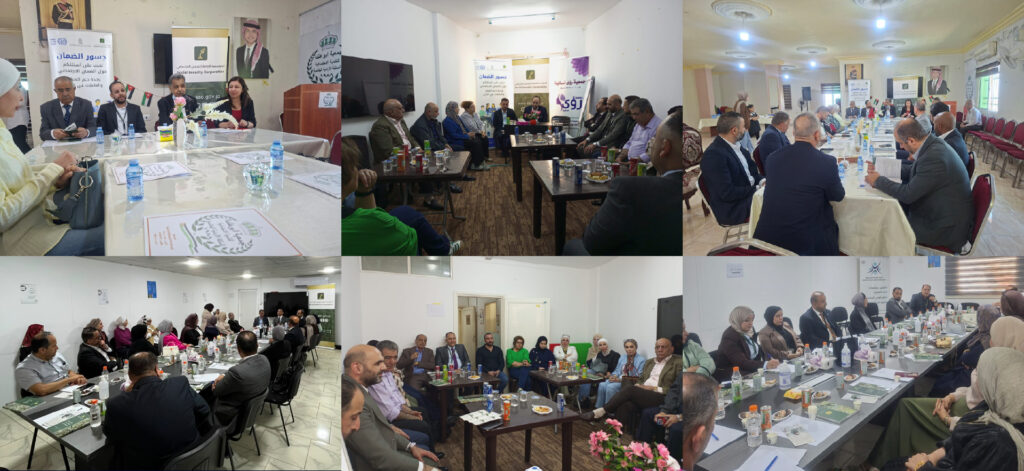
The Social Security Corporation (SSC), in partnership with the International Labour Organization (ILO) and the Arab Renaissance for Democracy and Development (ARDD), has launched Field Support Units under the Security Bridges Project across Ramtha, Mafraq, Zarqa, and South Amman between 8 and 11 June 2026. The initiative forms part of a broader effort to strengthen social protection, expand access to social insurance rights, and promote a stronger culture of social security among workers, employers, and local communities, particularly those engaged in vulnerable and informal forms of employment. Hosted by local partner organizations that are members of the Jordan National NGOs Forum (JONAF), the Field Support Units will serve as community-based access points for information, awareness-raising, and legal and social insurance guidance. The partner organizations include Ru’ya Women’s Association in Ramtha (Irbid Governorate), Qudurat for Community Development Association in Mafraq, Athar for Youth Development Association in Russeifa (Zarqa Governorate), and Abu Alanda Association for Social Development in South Amman. The launch events brought together representatives of the Social Security Corporation, the International Labour Organization, ARDD, governorates, municipalities, chambers of commerce and industry, local and international civil society organizations, employers, workers, and community leaders, reflecting a shared commitment to expanding social protection coverage and ensuring that no one is left behind. Speaking during the launch events, ILO representative Hanadi Ghraibeh highlighted the importance of the project, which is supported by the governments of Norway, the Netherlands, and the United Kingdom, in strengthening workers’ awareness of their social insurance rights and entitlements and supporting inclusive access to social protection. ARDD representative and lawyer Rami Qweider emphasized that the project seeks to bring social protection closer to communities through awareness, legal and social insurance support, and partnerships with local organizations. He noted that the Field Support Units represent a practical mechanism for empowering workers and employers to better understand their rights and access available services and protection pathways. For his part, Anas Al-Bawadi, Director of the Social Insurance Awareness Directorate at the Social Security Corporation, stressed that the launch events mark the beginning of a broader series of outreach and awareness activities that will continue across the targeted governorates. He highlighted the Corporation’s commitment to expanding social security coverage and strengthening social insurance literacy, particularly among women and workers in vulnerable sectors. The Security Bridges Project reflects the combined efforts of SSC, ILO, ARDD, and local civil society partners to build stronger links between communities and social protection institutions, contributing to more inclusive, accessible, and sustainable social protection systems across Jordan.
Summer Course – International Politics in the SWANA Region: Colonial Legacy, Displacement, and Humanitarian Governance
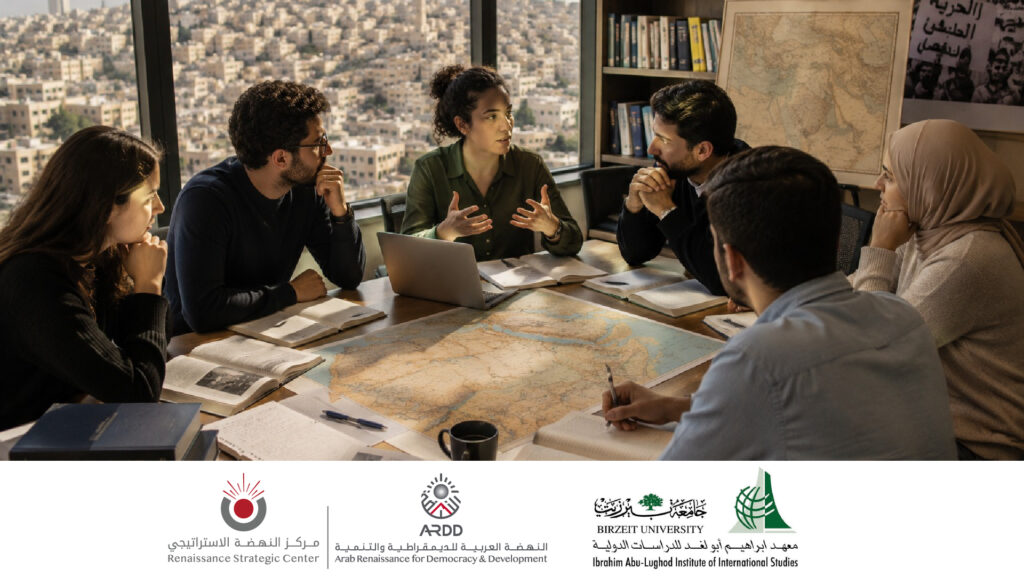
Summer Course 2026 International Politics in the SWANA Region: Colonial Legacy, Displacement, and Humanitarian Governance A Joint Academic Initiative of the Renaissance Strategic Center (RSC), Arab Renaissance for Democracy and Development (ARDD), Jordan, and the Ibrahim Abu-Lughod Institute of International Studies (IALIIS), Birzeit University, Palestine Location: Amman, Jordan Dates: 12–30 July 2026 Duration: 3 Weeks Fee: USD 400 Application Deadline: 30 June 2026 Apply Now Summer Course 2026 Application Form The course is conducted in English About the Course The Renaissance Strategic Center (RSC) at the Arab Renaissance for Democracy and Development (ARDD), in academic partnership with the Ibrahim Abu-Lughod Institute of International Studies (IALIIS) at Birzeit University, invites students, researchers, and practitioners to participate in an intensive summer course exploring the political, social, and historical dynamics shaping the SWANA region. The course responds to the growing need for analytically rigorous and context-sensitive knowledge about the region by situating contemporary political developments within their broader historical, political, economic, and social contexts. Why Join This Course? A unique academic partnership between RSC and Birzeit University. Learn from leading scholars, researchers, and practitioners. Combine academic learning with field-based engagement. Engage with key policy and humanitarian debates shaping the region. Participate in field visits and experiential learning activities. Receive a Certificate of Completion upon successful participation. Key Themes The course explores: Colonial legacies and state formation Political economy and regional transformations Social and ideological movements Gender politics and feminist movements Labor migration Refugee governance and forced displacement Humanitarian governance Localization in humanitarian action Palestine and regional politics For full course details, session descriptions, and learning activities, please download the syllabus. Download Full Syllabus International Politics in the SWANA Region: Colonial Legacy, Displacement, and Humanitarian Governance – Summer Course Syllabus – Renaissance Strategic Center.com Who Should Apply? The course is designed for: Undergraduate and graduate students PhD candidates Early-career researchers Humanitarian and development practitioners Civil society professionals Individuals interested in migration, displacement, governance, Middle East politics, and international affairs Experiential Learning The course includes: Academic seminars Interactive discussions Policy workshops Guest lectures An alternative city tour of Amman Field visits and practitioner engagement Certificate Participants who complete the course and meet attendance requirements will receive a joint Certificate of Completion issued by the Renaissance Strategic Center and the Ibrahim Abu-Lughod Institute of International Studies at Birzeit University. Internship Opportunities Interested participants may also apply for internship opportunities with ARDD and the Renaissance Strategic Center, subject to availability and selection criteria. Application Process Applicants are required to complete the online application form and upload: Curriculum Vitae (CV) Statement of Interest Any additional supporting documents requested in the application form Applications will be reviewed by the organizing team. Successful applicants will receive an acceptance email with payment instructions and further information. Fee USD 400 Payment details will be shared only with accepted applicants. Application Deadline 30 June 2026 Apply Now Summer Course 2026 Application Form Terms and Conditions Submission of an application does not guarantee admission to the course. All applications are subject to review and approval by the organizing committee. Participation is confirmed only after receipt of an official acceptance notice and full payment of the course fee. Course fees are non-refundable once payment has been received, except in cases where the organizers cancel the course. Participants are responsible for their own travel, accommodation, visa, insurance, and personal expenses unless otherwise stated. Participants must attend at least 90% of the course sessions to be eligible for the Certificate of Completion. The organizers reserve the right to modify the course schedule, speakers, content, or activities when necessary. The organizers reserve the right to postpone, reschedule, or cancel the course due to unforeseen circumstances or insufficient enrollment. Participants are expected to maintain professional and respectful conduct throughout the program. Any form of discrimination, harassment, or disruptive behavior may result in removal from the course without refund. Course materials are provided for educational purposes only and may not be reproduced, distributed, or published without prior written permission. Participants consent to photography, audio recording, and video recording during course activities for documentation and promotional purposes unless they notify the organizers in writing before the course begins. Personal information collected through the application process will be used solely for course administration and communication purposes. Internship opportunities, where available, are subject to separate application procedures, eligibility requirements, and selection criteria. By submitting an application, applicants confirm that the information provided is accurate and complete. By applying to the course, applicants acknowledge that they have read, understood, and agreed to these Terms and Conditions.