Tawasol Network Strengthens Local Coordination for Crisis Preparedness through National Dialogue Sessions in Jordan
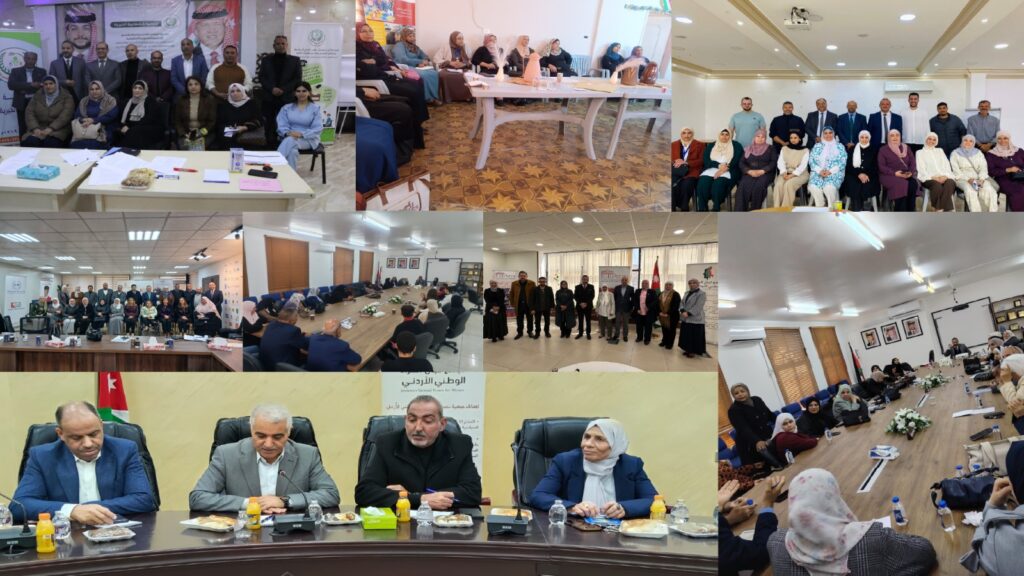
The Arab Renaissance for Democracy and Development (ARDD), in partnership with UN Women Jordan and in collaboration with member organizations of the Tawasol Network including Al- Sumou Association, Al-Shehabiyya Charitable Association, Al-Hessa Charitable Association for Orphans and the Poor, Jordanian National Forum for Women, Ghor AlHadetha Women’s Charity Association, and I am Human Society for Rights of PWD, organized a series of national dialogue sessions during February and March 2026 across Aqaba, Karak, Tafileh, Ma’an, Southern Ghor, and Amman. The sessions brought together members of the Tawasol Network alongside a wide range of national and local stakeholders involved in crisis management, including representatives from governorates, municipalities, relevant ministries, national institutions, and civil society organizations. Conducted under the Tawasol Project, the sessions aimed to strengthen locally driven approaches to crisis prevention, preparedness, and response. They focused on the importance of enhancing coordination between civil society and public institutions, while supporting the complementary role of local organizations, particularly women-led organizations, in contributing to planning processes, community engagement, and awareness raising efforts. Discussions among CBO representatives and official stakeholders emphasized the importance of a localized and coordinated approach to crisis management, including early warning, risk reduction, and effective response. Both groups highlighted the need to clarify roles and responsibilities, strengthen communication channels, and establish more structured coordination mechanisms to ensure timely and efficient responses. Participants also stressed the importance of inclusive participation, emphasizing the meaningful engagement of women, youth, and persons with disabilities as active partners in decision-making processes related to crisis management. Key challenges such as climate change, resource limitations, and economic pressures were highlighted, alongside the importance of strengthening early warning systems and improving preparedness at both local and national levels. Following this, and in line with Tawasol’s commitment to an inclusive and participatory approach, the sessions also included targeted engagements with youth and persons with disabilities (PWDs) to further explore their unique perspectives, challenges, and roles in crisis preparedness and response, and to identify tailored approaches to enhance their inclusion in decision-making processes. in addition, two of the sessions implemented in collaboration with the Jordanian National Forum for Women and Al-Hessa Charitable Association generated recommendations that requires further discussions within the same dialogue process. These discussions helped validated and refine findings and strengthened alignment between local actors and stakeholders on proposed coordination mechanisms and action points. Across the different locations, the sessions generated practical recommendations directed to relevant local stakeholders, including CBOs and public institutions, with the understanding that their further development and adoption would be considered in coordination with the relevant government entities. These recommendations included the potential development of coordination protocols, identification of focal points, creation of shared resource databases, and the design of joint trainings and simulation exercises as part of future roadmap. The sessions resulted in strengthened coordination between CBOs and official stakeholders in targeted areas and reinforced the role of the Tawasol Network as a platform for early warning, knowledge exchange, and community-based response. Participants noted that “strengthening coordination and clearly defining roles are essential to ensuring faster and more effective crisis response,” and emphasized that “local communities, including women and youth, must be at the center of planning and response efforts.” These engagements underscore the role of the Tawasol Network as a collaborative platform that connects communities with decision-makers and contributes to building more resilient, inclusive, and well-coordinated local systems in Jordan. This initiative comes within the framework of ARDD’s “Women’s Access to Justice” program and as part of implementing the Jordanian National Action Plan on UN Security Council Resolution 1325 (JONAP II), with support from the JONAP Pooled Fund, reaffirming the importance of strengthening women’s roles in peacebuilding and enhancing community preparedness in responding to crises.
Beyond Emergency Response: The Humanitarian Dimension of a Regionalized Crisis
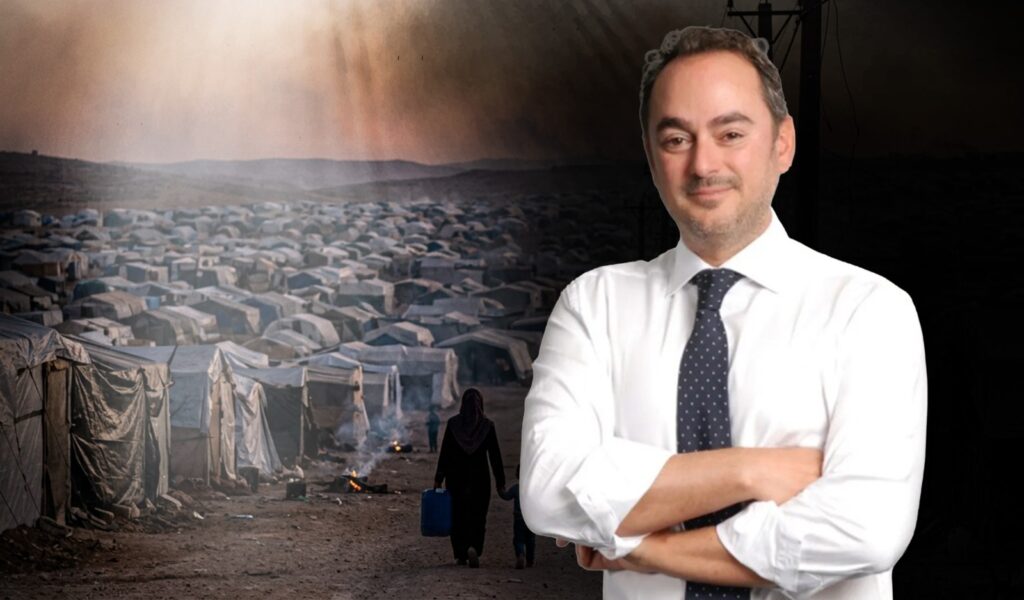
Times of War: Regional Policy Dialogue Series – Session Summary Overview As the humanitarian consequences of the regional crisis continue to deepen, the Renaissance Strategic Center (RSC) convened, on May 3rd, 2026, the fourth webinar of its ongoing Times of War: Regional Policy Dialogue Series. The session, entitled “Beyond Emergency Response: The Humanitarian Dimension of a Regionalized Crisis,” examined the role of humanitarian and development actors in responding to an increasingly protracted and regionalized conflict landscape. The webinar explored the structural limitations of emergency-only responses, the mounting challenges facing the humanitarian sector from funding shortfalls and operational access constraints, stressing that early recovery must happen alongside humanitarian relief, with prevention serving as an always-on priority. The invited speaker, Dr. Giordano Segneri, Team Leader for Governance, Peacebuilding and Crisis Response at the UNDP Regional Hub for Arab States, offered an in-depth analysis drawing on UNDP’s operational experience across Syria, Yemen, Gaza, Iraq, Sudan, and Somalia. He argued that humanitarian and development challenges are increasingly intertwined, and where de-escalation and humanitarian access are urgent and non-negotiable, they must be matched simultaneously by early recovery efforts. This integrated approach is essential to reduce the humanitarian caseload, rebuild local capacities, and progressively transition affected populations away from long-term aid dependency toward sustainable self-reliance. The discussion was moderated by Dr. Mariam Abu Samra, Head of the Renaissance Strategic Center at ARDD. The Evolving Nature of Crisis in the Arab States Dr. Segneri opened the fourth session of the Times of War Series by situating the current humanitarian landscape within a broader structural analysis. Crises in the Arab region, he argued, are no longer disconnected shocks but increasingly protracted, compounded, and interconnected. Conflict dynamics are shaped by overlapping factors: social and political tensions, displacement, environmental pressures, and water scarcity. Fragmentation of governance further complicates humanitarian reach and recovery. The spillover effects are equally significant; instability in one country fuels displacement, economic stress, and insecurity across borders, affecting even relatively stable states. The recent military escalation between Iran, Israel, and the United States illustrated this dynamic starkly: within the first four weeks of the regional escalation, UNDP estimated a GDP contraction of 3.7 to six percent regionally and a rise in unemployment affecting 3.6 million people, with up to four million additional individuals at risk of sliding into poverty. Lebanon alone saw over one million people displaced, alongside 250,000 Syrian refugees moving back and 50,000 Lebanese crossing into Syria. Funding gaps compound the crisis. The Syria Regional Refugee and Resilience Plan (3RP), co-led by UNDP and UNHCR, was funded at only 26 percent in 2025 – the lowest level since the plan’s inception, while major Arab crises remain severely underfunded, with some responses at just 20 percent last year. Trade route disruptions, rising energy prices, and fuel inflation have further eroded the region’s economic situation, where many governments face budgetary constraints in their efforts to maintain services and meet the costs to cope and respond to crisis. The Challenges Facing the Humanitarian Sector Operational Access and the Politicization of Aid Humanitarian access remains severely limited across multiple crisis contexts. In Gaza, the operational environment remains restricted, and in places like Sudan, Syria, and Yemen, insecurity, bureaucratic impediments, and fragmented territorial control continue to undermine the predictability and reach of aid delivery. The politicization of aid adds a further layer of complexity. Parallel governance structures and the influence of non-state armed groups as de facto service providers, increase the risk of aid diversion, compromise staff security, and raise difficult questions about engagement and legitimacy. Funding Architecture and Systemic Gaps The current donor-funding model, Dr. Segneri argued, is not equipped to address protracted crises, where critical investments in early recovery, such as restoration of livelihoods, economic connectivity, restoration or repair of critical infrastructures, maintenance of basic services, and preventing municipal capacities from further erosion or collapse are often de-prioritized. This creates a self-reinforcing cycle: without early recovery, humanitarian caseloads stagnate or expand; without flexible, multi-year financing, agencies cannot plan or invest with the necessary time horizon that enables continuity beyond the emergency phase. In the current funding landscape, it is also paramount to diversify financing mechanisms, including through blended finance instruments, concessional loans, engagement with philanthropic actors, and explore insurance instruments increasingly used in disaster-prone settings. He noted the importance of developing internal institutional capacity to engage with such innovative financing approaches. As a practical way to accelerate recovery, he pointed to the need to engage more with the private sector, as even in a crisis, communities reconnect with markets. He advocated for a three-track approach (short, medium, longer term) to accompany the transition from emergency employment to sustainable livelihoods, requiring routine assessments to value chains, promotion of financial inclusion, and private sector strengthening. He also stressed the importance of engaging non-traditional partners, including Chambers of Commerce, Manufacturing and Industrial Bodies, as actors capable of contributing meaningfully to crisis recovery. The Case for Early Recovery The central argument of Dr. Segneri’s presentation was a strong call to consider early recovery as an integral component of humanitarian response – not a sequel to it. He invoked UNDP Administrator Alexander De Croo, framing: “We cannot afford to wait for the dust to settle. We must bridge the gap between emergency relief and sustainable recovery from day one.” Early recovery investments, he argued, yield immediate and compounding benefits. They restore livelihoods and agricultural systems by repairing irrigation infrastructure. They enable municipalities to resume essential functions such as solid waste management, provision of documentation services; and fixing electricity, sewage or water systems. They provide communities with a sense of purpose and agency, reducing dependency on aid over time. Dr. Segneri drew on UNDP’s work in Gaza as a concrete example: 600,000 tons of solid waste collected by 16 trucks and a 50 fleet vehicle; over 280,000 tons of debris cleared; a third of that rubble crushed and reused; and support to small businesses at the base of productive value chains. In Syria, it has become clear that context-sensitive area-based programming, carried out
SSC Enhances the Capacities of Insurance Awareness Committees Toward More Inclusive Social Protection
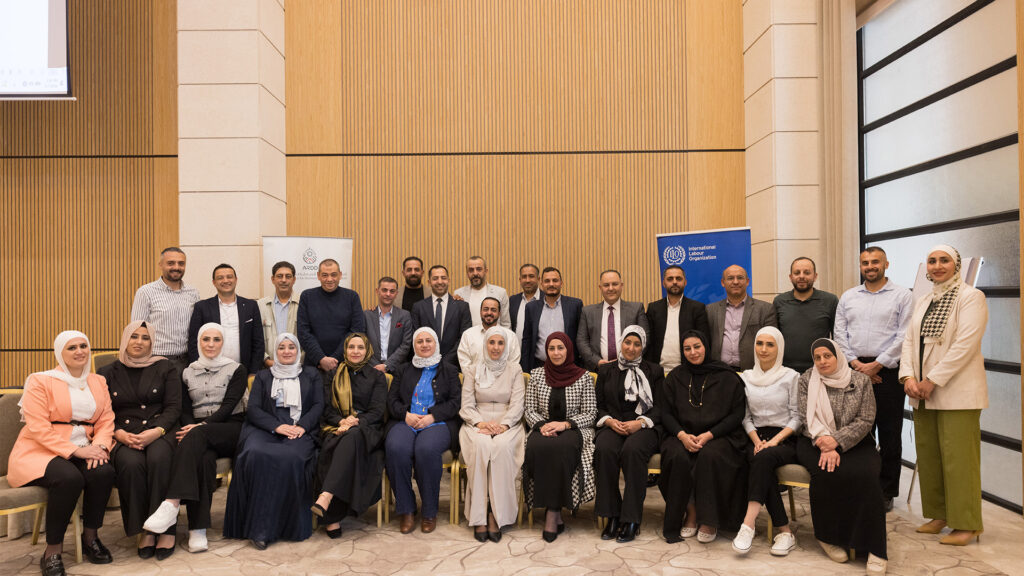
The Arab Renaissance for Democracy and Development (ARDD), in partnership with the International Labour Organization (ILO) and the Social Security Corporation (SSC), implemented a specialized training program entitled “Facilitation Skills and Effective Community Communication and Outreach,” with the participation of 50 employees from the SSC’s Insurance Awareness Committees teams. The training was held in Amman, Jordan, across two training sessions. This training comes as part of the SSC’s ongoing efforts to strengthen the capacities of its staff and enhance their readiness to engage with different segments of society through investing in specialized capacity-building programs in awareness-raising and community outreach. The initiative aims to improve the effectiveness of awareness services and respond to the evolving challenges and changes related to the labor market and social protection in Jordan, particularly by enhancing outreach to workers most in need within the informal economy. The training program seeks to improve access for workers in the informal economy and other vulnerable groups to the insurance-related information and services provided by the SSC in a clearer and more effective manner. It also focuses on delivering simplified, rights-based messages that contribute to expanding social protection coverage and strengthening public trust in institutions and the services they provide. The training covered several key themes, including skills for building trust and engaging effectively with workers, mechanisms for handling difficult situations during awareness sessions, as well as planning and organizational skills, awareness content development, and designing tailored sessions for different target groups. These efforts contribute to enhancing the impact of awareness activities and increasing workers’ benefit from them. This training is part of broader joint efforts to raise awareness of social and insurance rights under the “Afaq” project funded by the Netherlands, and the “Estidama++” program funded by the Netherlands, Norway, and the United Kingdom. These initiatives support access to more inclusive and sustainable social protection systems in Jordan. The project aims to enhance access to social protection systems and reduce informal labor through strengthening the capacities of professionals working in awareness and outreach with workers across Jordan, with a particular focus on reaching the most vulnerable groups, including women workers and refugees.
Palestine at the Center of Regional War: Expanding Colonial Annexation and Political Violence
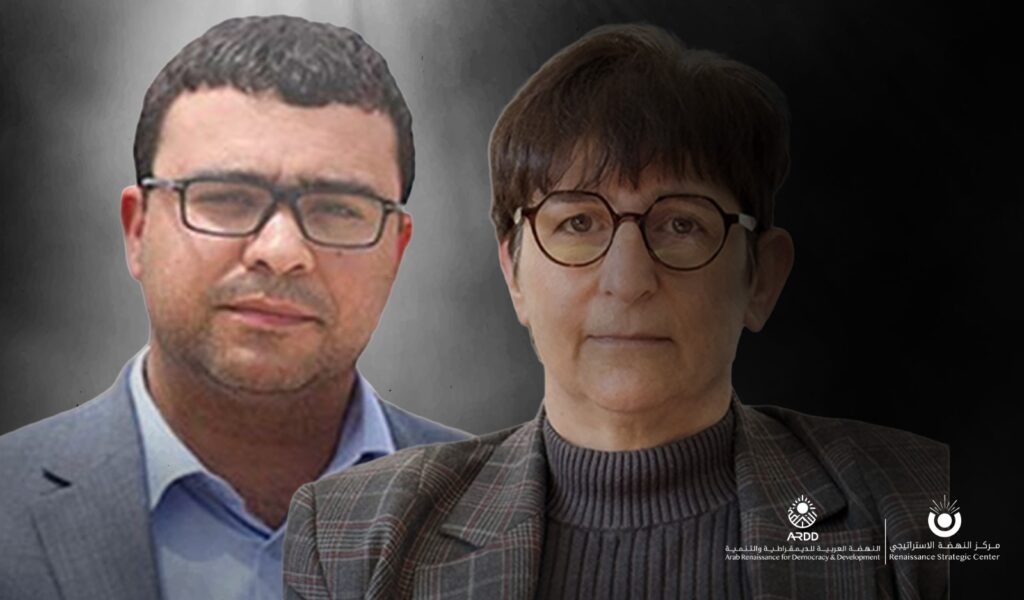
Times of War: Regional Policy Dialogue Series Featuring Sahar Francis, Palestinian Human Rights Lawyer and defender of Palestinian political prisoners for over 25 years, and Dr. Munir Nusaibah, Assistant Professor at Al-Quds University’s Faculty of Law and Director and Co-founder of the Al-Quds Human Rights Clinic Overview The Middle East faces a dangerous escalation of conflict rooted in long-standing, unresolved structural issues like colonial legacies and the unresolved question of Palestine. In response, the Renaissance Strategic Center (RSC) convened an online policy dialogue on April 27, 2026, as part of the Times of War: Regional Policy Dialogue Series. This session focused on “Palestine at the Center of Regional War: Expanding Colonial Annexation and Political Violence.” The webinar examined how current forms of colonial violence in Palestine, including accelerating land annexation in the West Bank, the formalized death penalty of prisoners, and broader forms of political repression, are shaping and being shaped by the wider regional war. It explored how Palestine remains central to understanding the current regional crisis and its future trajectories. Invited panellists, Sahar Francis, Palestinian Human Rights Lawyer and defender of Palestinian political prisoners for over 25 years, and Dr. Munir Nusaibah, Assistant Professor at Al-Quds University’s Faculty of Law and Director and Co-founder of the Al-Quds Human Rights Clinic, provided an in-depth analysis on how the death penalty law, the tratement and abuse toward Palestianian prisoners, the acceleration of land annexation and political repression in the West Bank, all constitute a central element to understand the actual dinamycs behind the current regional war. The discussion was moderated by Dr. Mariam Abu Samra, Head of the Renaissance Strategic Center at ARDD. Palestine at the Center of Regional War Dr. Mariam Abu Samra began the session by emphasizing that Palestine is part of a colonial logic and project, which extends beyond its immediate geography. Structures of displacement, territorial expansion, and violence define not only Palestine, but the broader region as well. Palestine is both central to and affected by the current regional war. The Treatment of Palestinian Prisoners Sahar Francis explained that the escalation in the abuse of Palestinian prisoners is a structural component of an illegal settler-colonial project, sustained by a normalized, discriminatory dual legal system and by international inaction. The weaponization by Israel of legal instruments is integral to the context of the normalization of violence historically implemented by Israel, including the legalization of the death penalty by its judicial system. This system relies on British Emergency Regulations and the 2016 “Anti-Terror Law,” culminating in the March 30, 2026, passage of a death penalty law that removes key judicial safeguards, resulting in a system described by experts as fundamentally unreformable and in need of dismantling. The Israeli military legal system in the occupied territories systematically bypasses international humanitarian law by applying draconian 1945 British emergency regulations that prioritize secrecy over fair trial standards. Although the death penalty was already part of the Israeli military legal system, the decision had to be taken by consensus, and the military authority had the capacity to grant amnesty and to commute the sentence. The March 30, 2026, amendment to the Death Penalty for Terrorists Law further removes key judicial safeguards, establishing a discriminatory legal framework that targets just Palestinians as such. It is a discriminatory law that reflects the legal apartheid system; military laws in occupied territories are just against the Palestinian people, and not against settlers. According to international humanitarian law, new legislation by an occupier must take into consideration the protection of the interests of the people under occupation; the death penalty does not respect this. International human rights organizations and several special rapporteurs have written about these critical aspects in the Israeli military court system, and the latest report by Francesca Albanese, the UN Special Rapporteur on the situation of human rights in the Palestinian territories, emphasized with even greater clarity that there is no way to amend this system; it must be dismantled, as it is a grave violation of international law. The Abuse of Palestinian Prisoners Conditions in Israeli detention centers have deteriorated sharply since October 7, 2023, with reports of widespread, systematic torture and brutality against over 30,000 Palestinian detainees arrested since October 7. Documentation suggests these actions, which have resulted in numerous inmate deaths, constitute a systematic policy rather than isolated incidents, resulting in the death of many prisoners. The rights of prisoners are being abused to an unprecedented level by deliberate medical neglect, intentional starvation, and the cutting of essential resources like water and electricity. Prisoner rooms are raided daily, and families and the Red Cross have been prohibited from visits. Reports indicate that over 89 detainees, including a child, have died amidst a widespread, untreated scabies outbreak caused by severe hygiene deficiencies and total isolation from the outside world. There have been reports of extended periods of interrogation and detainment without charge or trial, with some detainees enduring more than two years in administrative detention, including children. The total number of detained children is currently 350, with a total of 10,000 Palestinians currently in detention. More than 700 bodies of those who died in detention have been held by Israeli authorities, some from decades ago. This amounts to collective punishment against the families of the deceased. The Broader Context It is important to consider the abuses of Palestinian prisoners in the broader context of the Israeli regime, which systematically applies apartheid, genocide, and abuse of the Palestinian people. All these violent actions have worsened since October 7. Furthermore, the parliament’s approval of the Death Penalty Law, following years of political opposition in Israel, highlights a prevailing sense of impunity. Consequently, it’s not surprising to witness a simultaneous rise in the torture and mistreatment of Palestinian prisoners. Efforts to normalize the violent suppression of Palestinians are part of a larger agenda. This situation serves in fact as a critical test: if the international community permits these new standards to take root, it could signify the termination of international law. A structural analysis
ARDD Concludes “Nidaa’ for Change” Project and Celebrates the Role of Participating Girls as Advocates for Inclusive Education
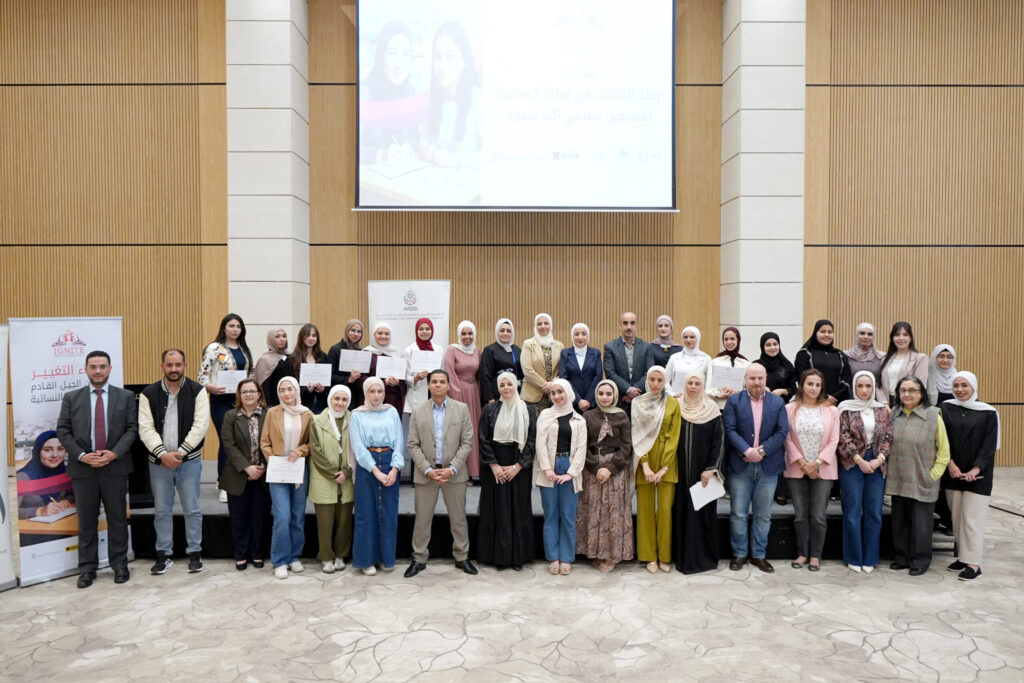
Amid the growing challenges facing education systems in the region, particularly regarding inclusion and equity, the need for new approaches is becoming increasingly urgent. Such approaches must reposition girls and young women as key actors in shaping the future of education, rather than merely beneficiaries. In this context, the Arab Renaissance for Democracy and Development (ARDD) concluded, on Tuesday, 28 April 2026, the activities of the “Nidaa’ for Change” project under the title: “Young Women’s Journey in Leading Advocacy for a More Inclusive Educational Future.” This closing event reflected a clear strategic orientation toward empowering young leadership and strengthening women’s roles in the public sphere. The event brought together partners of the IGNITE project, the Rene Moawad Foundation, and the National Alliance for the Future of Education in Jordan, along with ARDD’s Women and Youth Networks, representatives from the academic sector, education experts, and the families of participants. It created a dynamic space for dialogue, reflecting the convergence of efforts between civil society, policymakers, and knowledge actors. The event was marked by a strong participatory spirit. Participant Alaa Danoon served as the event moderator, signaling a gradual shift toward engaging young women in leadership roles. In her opening remarks, Project Manager Malak Suleiman emphasized that investing in girls’ capacities and leadership constitutes a key entry point for strengthening inclusive educational governance and for developing policies that are more responsive to the needs of diverse groups. The event also featured the launch of findings from an analytical study presented by researcher Lin Masoud from the Renaissance Strategic Center. The study explored the relationship between education systems and the development of girls’ leadership skills, highlighting existing structural gaps and proposing practical pathways to reorient education policies toward greater inclusion and empowerment. Participants’ experiences stood out as a practical translation of this vision. Miral Al-Zoubi, Majd Al-Masaeed, Sadeen Hassouneh, and Leila Hindi presented their field initiatives during a panel discussion moderated by Dr. Marwa Khamis, representing NAFE. These initiatives reflected a diversity of interventions, including promoting the inclusion of students with disabilities, developing digital learning tools, drug prevention, and youth skills development, demonstrating a clear shift from training to direct community impact. During the graduation ceremony, graduate Aryam Al-Daadoosh shared a powerful testimony on the transformation experienced by participants. Meanwhile, coach and mentor Emad Abu Saleh, specializing in leadership and advocacy campaigns, offered an analytical reflection on the capacity-building journey and how it has strengthened young women’s confidence in engaging with decision-makers. In this context, Carina Elia, representative of the Rene Moawad Foundation, highlighted the transnational dimension of the experience, stating: “What is emerging from this collaboration goes beyond being a local intervention in Jordan. It presents a model that can be adapted and scaled across the Arab region to empower girls as agents of change and partners in shaping policies and alternatives. This experience holds real potential to inspire similar initiatives that strengthen the role of young women as drivers of change across diverse Arab contexts.” The event concluded with the graduation of the participants and the distribution of certificates, reaffirming that “Nidaa’ for Change” is not merely an endpoint, but rather a cumulative pathway for investing in young women leaders and strengthening their presence in public spaces and decision-making processes. It is worth noting that the “Nidaa’ for Change” project was implemented by Arab Renaissance for Democracy and Development (ARDD) as part of the IGNITE project – Inspiring Girls and Grassroots Networks for Inclusive and Transformative Education – with support from the Rene Moawad Foundation, funded by the Agence Française de Développement, and in partnership with the International Rescue Committee. The project targeted girls aged 15 to 19 from refugee and marginalized communities in Amman and Mafraq.
ARDD and Global Mentoring Initiative Convene Strategic Reflection on the Future of Aid and Localisation in Jordan
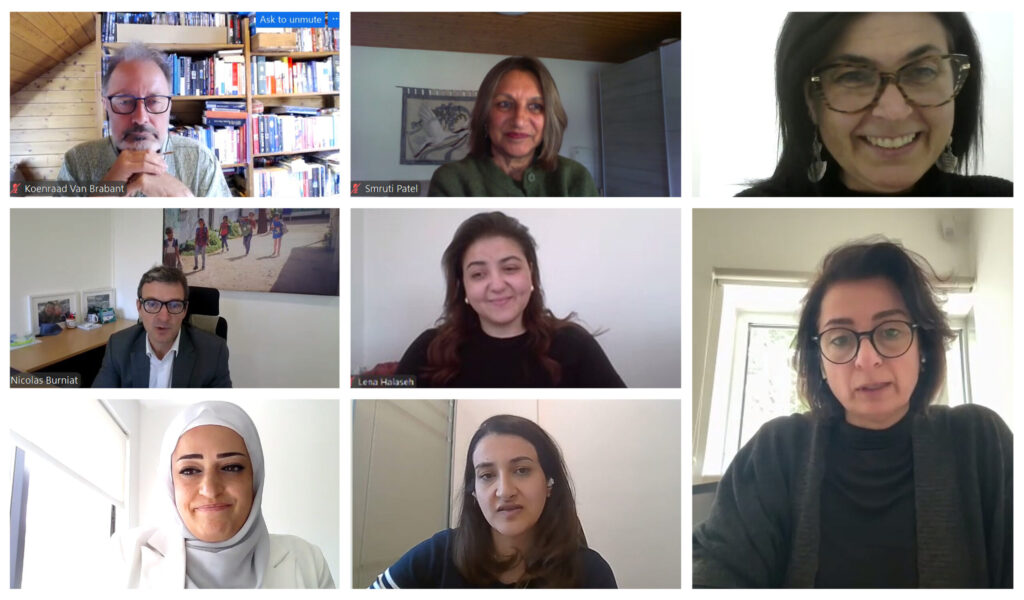
The Arab Renaissance for Democracy and Development (ARDD) in partnership with the Global Mentoring Initiative (GMI), convened a high-level strategic reflection that brought together more than 40 representatives from UN agencies, donors, INGOs, Jordanian NGOs, civil society organisations, and policy experts to examine the future of aid and localisation in Jordan amid profound shifts in the international assistance architecture. Held under the Future Forward: Unlocking Sustainable Local Opportunities project, supported by the Regional Development and Protection Programme (RDPP), the event formed part of the ongoing efforts of ARDD and the Jordan National NGO Forum (JONAF) to generate evidence-informed dialogue, strengthen cross-sector collaboration, and advance practical policy solutions for localisation in Jordan. A Critical Policy Moment for Jordan The reflection took place at a time of growing uncertainty in the aid landscape. Jordan has historically been among the highest per-capita recipients of international assistance due to its role as a host country for refugees and its strategic importance in the region. Yet declining humanitarian funding, shrinking Official Development Assistance (ODA), and changing geopolitical priorities are reshaping the environment in which state institutions, international agencies, and national actors operate. By early 2026, several hundred thousand Syrian refugees were still residing in Jordan, while regional instability continued to place pressure on national systems and resources. Participants agreed that these developments require a shift from short-term responses toward a more strategic conversation on sustainability, national ownership, and the future role of Jordanian institutions and civil society organisations. The event therefore served as a platform for policy reflection and the development of recommendations to inform the next phase of localisation in Jordan. The Core Issue: Rethinking Localisation in a Changing Aid System At the centre of the discussion was a key strategic question: How can Jordan adapt to a changing aid system while ensuring that local and national actors are positioned to lead future development pathways? Participants examined several structural issues affecting localisation efforts, including the reduction of grant-based humanitarian assistance, persistent fragmentation across the aid sector, unequal power relations in funding and decision-making, limited investment in the long-term resilience of Jordanian organisations, and the transition toward development financing models such as blended finance, loans, and private sector partnerships. They also stressed the need for stronger accountability mechanisms linking programmes to community priorities. The discussion also drew on recent evidence from localisation assessments in Jordan. A 2026 rapid survey of more than 100 Jordanian organisations, showing mixed progress: 44% of respondents reported receiving no direct international donor funding in 2024–2025, while 57% of those who did receive direct funding said it was insufficient to cover full programme and organisational costs. In addition, 54% reported receiving some flexible management cost support (ICR), while 40% reported receiving none. Opening the event, Lena Halaseh, Project Manager at ARDD, stressed the importance of grounding global debates in local realities and ensuring that localisation remains linked to leadership, inclusion, and institutional ownership in Jordan. She noted that ARDD and JONAF have consistently worked to advance a more inclusive aid system that recognises the expertise and added value of local and national actors. “We have consistently called for a more inclusive aid system that recognises the leadership, expertise, and added value of local and national actors.” In the keynote address, Nicolas Burniat, Country Representative of UN Women in Jordan, argued that localisation must move beyond a narrow focus on resource transfers and instead be anchored in sustainability and long-term systems reform. He emphasised that continued dependence on external funding flows would not provide a viable foundation for the future. “As long as we keep on focusing the localisation discussion around transfer of international resources to national actors, we are putting ourselves in a context that’s not sustainable.” Koenraad Van Brabant, Co-Director of GMI, highlighted that localisation cannot advance without addressing structural inefficiencies in the aid system and fostering genuine collaboration among stakeholders. He stressed the need for cumulative, collective impact rather than fragmented interventions. Adding “We have to collaborate for a cumulative, collective impact.” Smruti Patel, Founder and Co-Director of GMI added that, “This conversation is really to prepare ourselves for the future. Thinking of what has happened and what do we need to do, individually and collectively, to move forward.” In closing, Dr. Mariam Abu Samra, Head of the Renaissance Strategic Center at ARDD, underscored the importance of creating space for candid dialogue on dependency and power imbalances, while emphasising that the next stage must focus on implementation and measurable progress. Stating that “The priority now is to move from dialogue to implementation.” Policy Recommendations The reflection concluded that the next phase of localisation in Jordan should focus on a smaller number of strategic priorities. Participants called for the development of a multi-stakeholder roadmap aligned with Jordan’s national development vision, supported by stronger coordination mechanisms and focused working groups capable of translating dialogue into policy and operational reform. They also emphasised the need to reform funding modalities so that they become more equitable, accessible, and supportive of direct financing for national actors. This should be accompanied by partnership models based on shared leadership, trust, and mutual accountability, alongside stronger community participation and citizen-centred accountability systems. Finally, participants stressed that meaningful localisation will require sustained investment in the institutional sustainability and financial resilience of Jordanian civil society organisations, as well as support for national actors to adapt to emerging development finance models and future scenarios of reduced aid flows. Looking Ahead The strategic reflection concluded that the central challenge for Jordan is no longer diagnosing the gaps in localisation, but building coalitions and mechanisms capable of implementing reform. Jordan already possesses valuable experience, established platforms, and capable national institutions. The next phase will depend on whether these assets can be mobilised into a coherent and future-oriented localisation agenda.
Arab Renaissance for Democracy and Development (ARDD) Strengthens Its Leadership in Localization Through Team Workshop
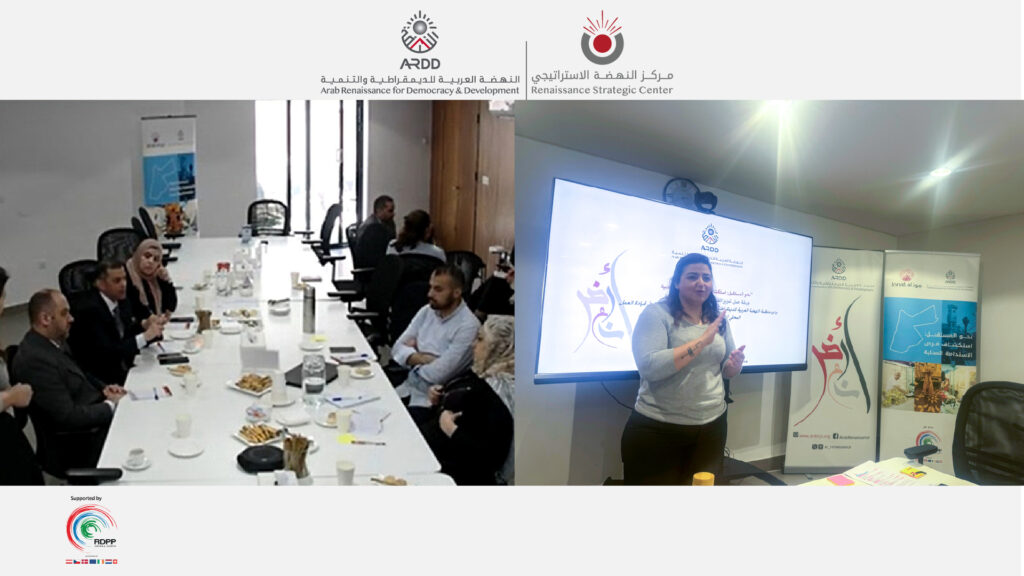
On 15 April 2026, Arab Renaissance for Democracy and Development (ARDD) held a team workshop titled “Localization: Background, Definitions, and Approaches” to strengthen its institutional capacity and expand its localized advocacy efforts. The workshop was held under the Future Forward project, supported by the Regional Development and Protection Programme (RDPP), and brought together team members from across all programs and departments. The session reaffirmed that localization is not merely a global agenda, but a deeply rooted approach within ARDD’s journey from a grassroots organization to a recognized leader in the field. The session highlighted ARDD’s contributions to advancing localization in Jordan and the region, through evidence-based research, capacity strengthening, networking, policy dialogue, and innovative advocacy tools. Participants also discussed key challenges, including funding constraints, partnership imbalances, and capacity gaps, while identifying opportunities to strengthen locally led approaches across future programming. ARDD continues to play a catalytic role in building a more equitable, self-reliant, and sustainable civil society landscape across Jordan.
National Dialogue Introduces the Tawasol Network: Advancing Local Crisis Response under WPS
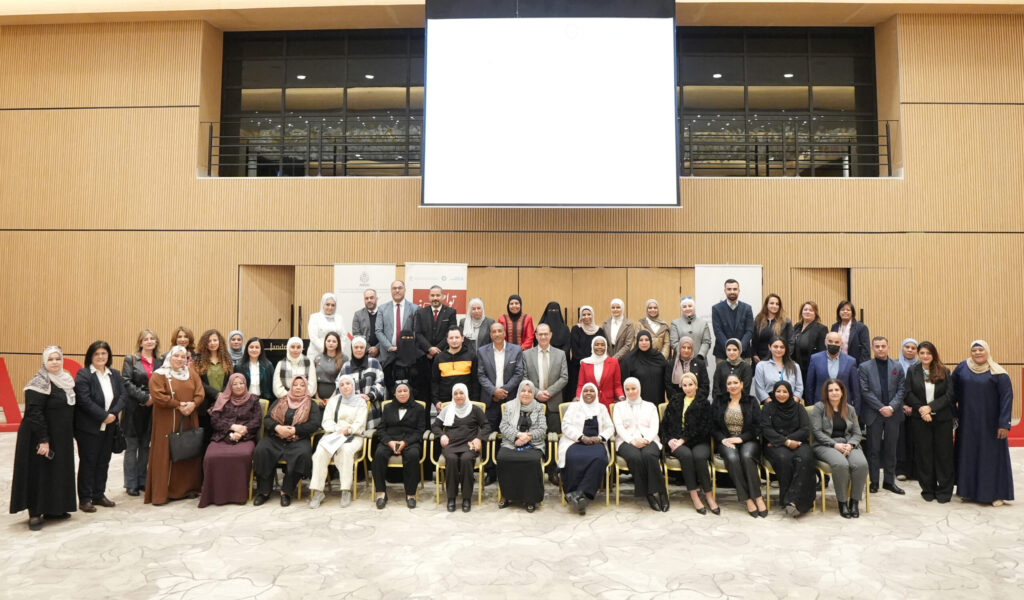
The Arab Renaissance for Democracy and Development (ARDD), in partnership with UN Women, convened a national dialogue on April 7, 2026, at the Landmark Amman Hotel, marking 25 years of the Women, Peace and Security (WPS) agenda and providing a platform to reflect on local approaches to crisis response and social cohesion in Jordan. The dialogue brought together representatives of women- and youth-led civil society organizations from southern and selected central governorates, alongside government institutions, UN agencies, international organizations, and research actors. Discussions focused on connecting local experiences with national frameworks, while strengthening coordination and preparedness in inclusive and community-responsive ways. Opening remarks were delivered by Mr. Nicolas Burniat, UN Women Country Representative, and Dr. Hanan Alkhrissat, Head of Tafila Women’s Charitable Association and representative of the Tawasol Network, who reflected on the continued relevance of the WPS agenda and the importance of supporting locally grounded initiatives. Burniat stated, “Women, youth, persons with disabilities, and local communities are indispensable to effective crisis management. Their close connection to communities, including in remote areas, and their deep understanding of local needs, resources, and priorities make their inclusion a matter of necessity, not representation. Their engagement is critical to support the work of official institutions and contribute to an integrated, inclusive crisis management system that ensures no one is left behind.” Dr. Hanan Alkhrissat described the event as both a launch and a call to action, reaffirming that women’s participation is vital for advancing peace, particularly in crisis contexts, in line with Jordan’s commitments under UNSCR 1325. She stressed that success should be measured by the ability to reach the most vulnerable and marginalized communities, as this is fundamental to justice. She also highlighted the Tawasol Network as a platform for sharing knowledge, experience, and capacity, while promoting partnerships that generate sustainable, long-term impact. The Tawasol Network was introduced by Eng. Zainab Alkhalil, Programs Manager at ARDD, outlined its role as a collaborative platform supporting women’s engagement in crisis prevention, preparedness, and response within Jordan’s WPS framework. Building on earlier work in southern Jordan, ARDD and UN Women Jordan expanded the initiative in 2025 to align with the implementation of the Second Jordanian National Action Plan for UNSCR 1325 (JONAP II). In its current phase, Tawasol seeks to strengthen coordination between local organizations and national processes while promoting more inclusive and locally informed crisis management approaches. The first panel discussion, moderated by H.E. Ms. Asia Yaghi, Member of the Jordanian Senate and representative of Al Nahda Women Network, focused on experiences from southern Jordan. Contributions were shared by Dr. Azzam AlShamayla of Al-Shehabiyya Charitable Association in Karak, Dr. Aida Khattab of the Women’s Committees for Ma’an Governorate and the Jordanian National Forum for Women, Ms. Abla Alhajaya of Al-Hessa Charitable Association in Tafila, Ms. Qutna Alhwetat of Women of the Villages in Al-Disi Association, and Ms. Eman AlHourani, Women, Peace and Security Programme Specialist at UN Women. Together, they reflected on how women-led organizations have contributed to crisis response and social cohesion in their communities. AlHourani emphasized: “The launch of this national dialogue marks a strategic step toward institutionalizing inclusive crisis management in Jordan, grounded in strong partnerships between government and civil society. Through our investment in strengthening local networks such as Tawasol, we are enabling women and community-based organizations to play a central role in building resilient and prepared communities.” Dr. Aida Khattab noted that crises extend beyond Southern Jordan, with Amman also facing unemployment, water scarcity, climate change, and growing pressures on communities. She praised the dedication of local leaders, stressing the need for greater recognition and resources to strengthen their impact. She also commended national organizations such as ARDD for supporting local leadership and called for a shift toward proactive crisis management. The second panel, moderated by H.E. Ms. Ruba Matarneh of the Jordanian National Forum for Women and representative of the Jordan National NGO Forum (JONAF), explored partnerships between civil society, government, and international actors. Participants included Ms. Buthaina AlAjlouny, Director of the Women’s Empowerment Directorate at the Ministry of Social Development; Ms. Huda Aeish from the Jordanian National Commission for Women; Mr. Abdulaziz Khalid Alzibn from the Ministry of Interior; Ms. Ebaa Hamed from the Higher Council for the Rights of Persons with Disabilities; and Ms. Majd Suleiman from the International Rescue Committee. Discussions focused on enhancing coordination, strengthening institutional linkages, and supporting sustained engagement between stakeholders. AlAjlouny highlighted the Ministry’s support for implementing UNSCR 1325 through stronger legal protections, shelters, and leadership training for women in crisis management. She emphasized the vital role of civil society and charitable organizations as community partners, noting joint initiatives and grants that advance the WPS agenda. Looking ahead, she underscored the importance of partnerships and social networks in delivering sustainable impact through a new social cohesion project across Jordan. The dialogue also included a knowledge-sharing session led by Ms. Leen Masoud, Research Officer at ARDD’s Renaissance Strategic Center, who presented findings from a recent policy brief on social cohesion in southern Jordan. The session highlighted how community-based approaches contribute to resilience while identifying areas where further support and coordination are needed. Ms. Masoud noted: “Women-led CBOs are essential to strengthening social cohesion, but closing funding and capacity gaps, especially in South Jordan, is critical. Investing in these organizations and aligning policy with practice is key to building resilience and inclusive crisis response systems.” The event concluded with a discussion on next steps for the Tawasol Network, including its structure, sustainability, and role within broader WPS efforts in Jordan. Participants emphasized the importance of continued dialogue, inclusive participation, and sustained engagement across all levels. This dialogue is part of the “Tawasol – Strengthening Crisis Management” initiative, implemented by ARDD under the Women’s Access to Justice Program, in partnership with UN Women, and supported through the JONAP Pooled Fund.
Al-Nahda Youth Network Convenes Workshop on Crisis Management within Its Participatory Capacity Development Framework
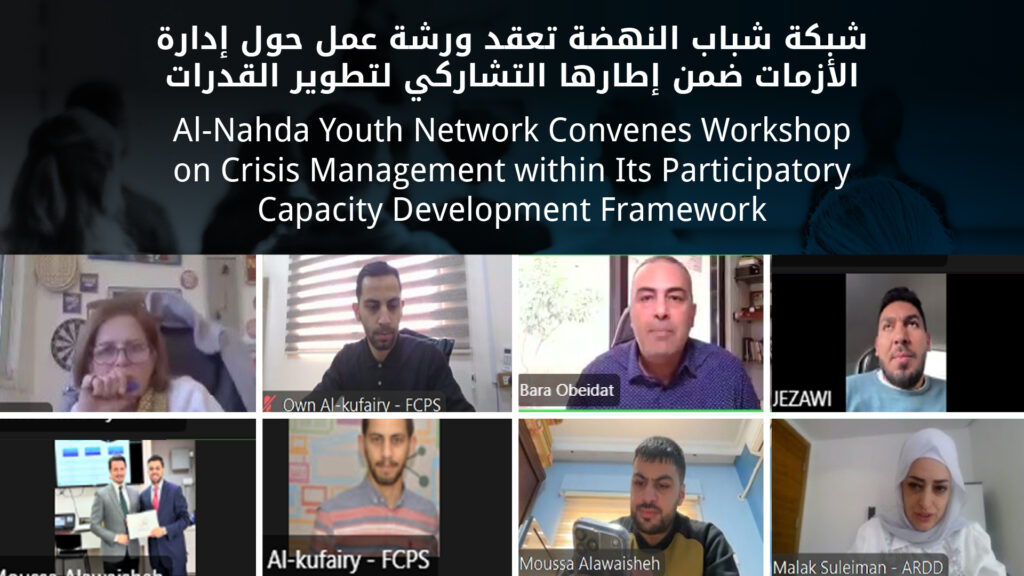
As part of its ongoing efforts to support adaptive and locally grounded approaches to development, the Arab Renaissance for Democracy and Development (ARDD), through its network, the Al-Nahda Youth Network, convened a focused online workshop on crisis management on April 8, 2026. The session brought together youth leaders and representatives of civil society organizations working in the youth development sector. It provided a space to reflect on practical responses to complex and evolving challenges, with particular attention to sustaining community-focused work under conditions of uncertainty. Discussions addressed elements of critical thinking, risk awareness, and adaptive planning. The workshop combined conceptual framing with practical application. Participants engaged in scenario-based exercises exploring different types of crises, including organizational disruptions and broader contextual shocks. The sessions introduced tools for risk mapping, stakeholder coordination, and decision-making under pressure, while also examining approaches to communication and continuity planning during emergencies. Facilitated by Mr. Bara’ Obaidat, a practitioner in leadership and management with experience across Jordan and the Gulf, the workshop adopted a participatory format that encouraged peer exchange and grounded reflection on real-world scenarios. As Miral Murad, Kidoze Times CEO, one of the participants stated, “The workshop reinforced that regardless of one’s professional background, there are always vital lessons to be uncovered in a crisis, especially as we navigate an increasingly unpredictable global landscape.” Obaidat also reaffirmed that “True resilience is not a reaction triggered during an emergency; it is a structural foundation built long before the crisis arrives. The rigor we apply today to planning, training, and simulation is precisely what translates into tomorrow’s protection for our communities and institutions.” The workshop was implemented as part of the Al-Nahda Youth Network’s participatory capacity development framework, one of the network’s core areas of engagement for the 2026–2027 cycle. Within this framework, the network, as one of ARDD’s platforms, works to strengthen the capacities of youth actors and civil society organizations through collaborative learning, structured dialogue, and practical skill-building. The Al-Nahda Youth Network aims to connect youth actors with civil society practitioners and institutions across the Arab region, with a growing emphasis on more coordinated and sustainable forms of engagement. This includes advancing partnerships, supporting knowledge exchange, and fostering approaches that link youth participation to tangible and local context-responsive outcomes.
ARDD Advocates for Refugee Rights and Localization Strategy at the 95th UNHCR Standing Committee
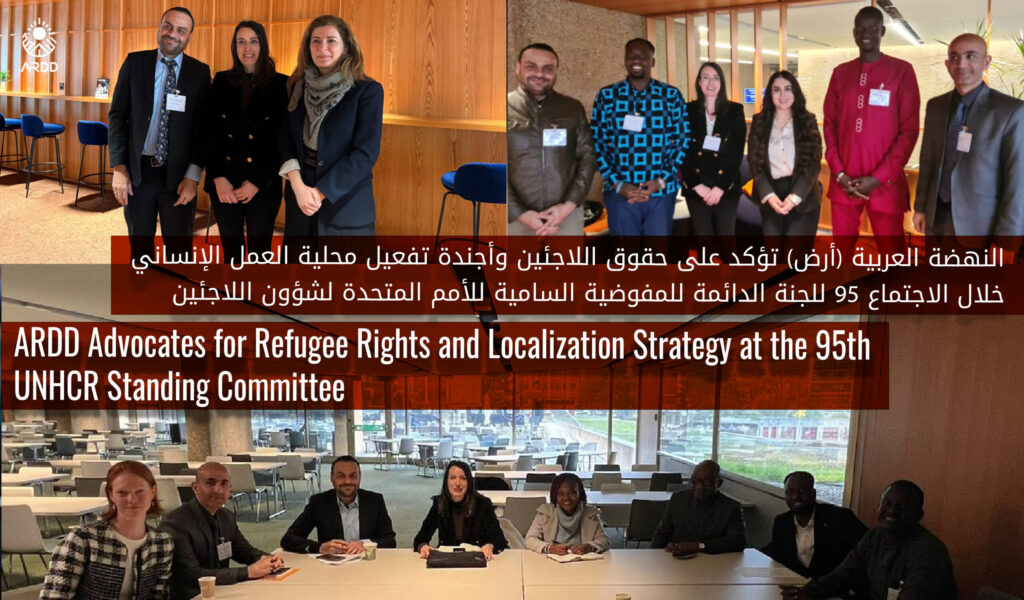
In the final week of March 2026, the Arab Renaissance for Democracy and Development (ARDD) participated in the 95th UNHCR Standing Committee meeting. This high-level gathering served as a critical forum for addressing urgent humanitarian needs and provided a strategic platform to engage with diplomatic missions, international partners, and UNHCR officials dedicated to the protection of refugees and displaced persons. The discussion sadly remarked the ongoing challenges, especially those faced by the Middle East and North Africa (MENA) region, where persistent instability, conflicts, and economic pressures have left 4.2 million refugees and 14.6 million internally displaced persons (IDPs) grappling with increasingly dire circumstances. Invited by Independent Diplomat (ID), as part of a collaborative initiative with the International Council for Voluntary Agencies (ICVA), ARDD’s participation underscored its impactful work in Jordan and affirmed its role as a leading civil society organization. The ARDD delegation highlighted its vital approach to refugee protection and support, by emphasizing legal protection, evidence-based research and advocacy carried out by its Legal Aid Department, further amplified through ARDD’s think tank hub, the Renaissance Strategic Center (RSC). The 95th UNHCR Standing Committee occurred at a pivotal juncture, shaped by heightened regional geopolitical tensions and a challenging financial landscape marked by significant funding shortfalls. It also followed a major leadership transition: Barham Salih assumed office as the 12th UN High Commissioner for Refugees on January 1, 2026. Under his new administration, UNHCR is navigating a strategic restructuring to improve operational efficiency and implement a “humanitarian reset” to modernize the agency’s operations amidst severe financial constraints. UNHCR is currently navigating a significant funding gap for 2026, with a 20% decrease from the previous year. This bleak reality has prompted a strategic restructuring focused on efficiency, private-sector partnerships, and a shift from direct aid delivery to supporting national systems and local actors. While UNHCR noted positive impetus following the December 2025 Global Refugee Forum, where ARDD was also participating, stakeholders cautioned that these gains remain fragile. Rising operational costs and the scale of ongoing displacement crises continue to place immense pressure on host nations, necessitating sustained and flexible international support. A central theme of the UNHCR plenary discussions was an ambitious global objective: the commitment to reverse the rising trend of forcibly displaced people, halving the number of them by 2035. Achieving this goal requires a huge, coordinated effort from all stakeholders, including international donors and host countries. In Geneva, ARDD framed its contributions around a steadfast commitment to advocating for the rights of all refugees without discrimination. Through bilateral meetings with UN agencies and diplomatic missions, facilitated by ID, ARDD emphasized the strategic necessity of supporting local organizations in implementing effective humanitarian responses. As a leader and member of several national and regional networks, ARDD advocated for a more inclusive humanitarian architecture that elevates the voices of local actors in shaping the policies that directly impact their communities. During the meetings, ARDD had the opportunity to explain how its initiatives are specifically tailored to the Jordan’s complex legal landscape, where refugees often face significant barriers to legal recognition. Through its Legal Aid Department, ARDD provides fundamental services, including: Pro Bono Representation & Protection: Ensuring the most vulnerable have access to justice; Civil Documentation Support: Securing vital records, such as birth and marriage certificates, that serve as the primary gateway to healthcare, education, and formal employment; Community Awareness & Policy Advocacy: Bridging the gap between grassroots needs and national policy-making to expand the “protection space” for civil society organizations. ARDD emphasized that legal aid is a fundamental protection tool. This positively resonated with a broad consensus among participants. Furthermore, stakeholders underscored the urgency of enhancing the operational environment and the protection space for those organizations working with and for refugees, recognizing them as the primary drivers of community-led, context-responsive solutions. In conclusion, ARDD remains committed to working alongside UNHCR and its partners, making sure that the 2035 objective of halving the number of forcibly displaced persons translates into tangible solutions and opportunities for both displaced populations and host communities throughout the MENA region. Central to this commitment is ARDD’s position in the localization agenda, which advocates for a fundamental shift in the humanitarian approach. By championing the unique role and agency of local actors, ARDD will continue to ensure that the new architecture of global humanitarian response is built upon the expertise, knowledge, resilience, and voices of the communities we serve.