ARDD Partners with Tilli Kids to Localize Social-Emotional Learning Curriculum for Palestine Refugee Children and Children Across the Arab Region
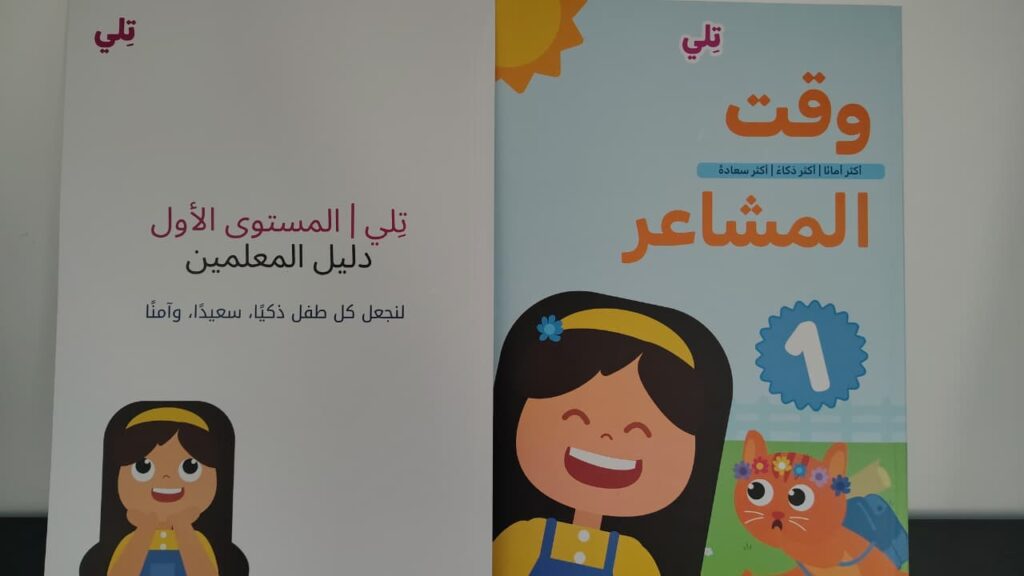
As part of its commitment to inclusive, rights-based education, the Arab Renaissance for Democracy and Development (ARDD) has partnered with Tilli Kids in 2025, to adapt and localize Tilli’s evidence-based social-emotional learning (SEL) curriculum for Arabic-speaking children across the Arab region. Tilli is an innovative SEL platform for early learners aged 5 to 10, developed through research at the Stanford School of Education. By combining playful learning, behavioral science, and data-driven insights, Tilli helps children build critical emotional and social skills to navigate their environments with confidence and resilience. Through this collaboration, ARDD will translate and culturally adapt Tilli’s curriculum to reflect the linguistic and social realities of children in the region, making it more effective and relevant to their daily lives. Localization is especially critical in contexts where children face displacement, trauma, or limited access to psychosocial support. As part of a broader initiative supported by the UNICEF Innovation Fund and implemented in partnership with UNRWA, ARDD mobilized its network of qualified trainers to deliver SEL programming in UNRWA schools in Jordan. This includes training for teachers, counselors, and educational specialists to create supportive learning environments for Palestine refugee children and their peers. This initiative reinforces ARDD’s strategic commitment to advancing inclusive education, promoting mental well-being, and localizing global knowledge to better serve children across the Arab region.
“Nidaa for Change” Young Women Launch Four Initiatives to Promote Inclusive Education in Amman and Mafraq
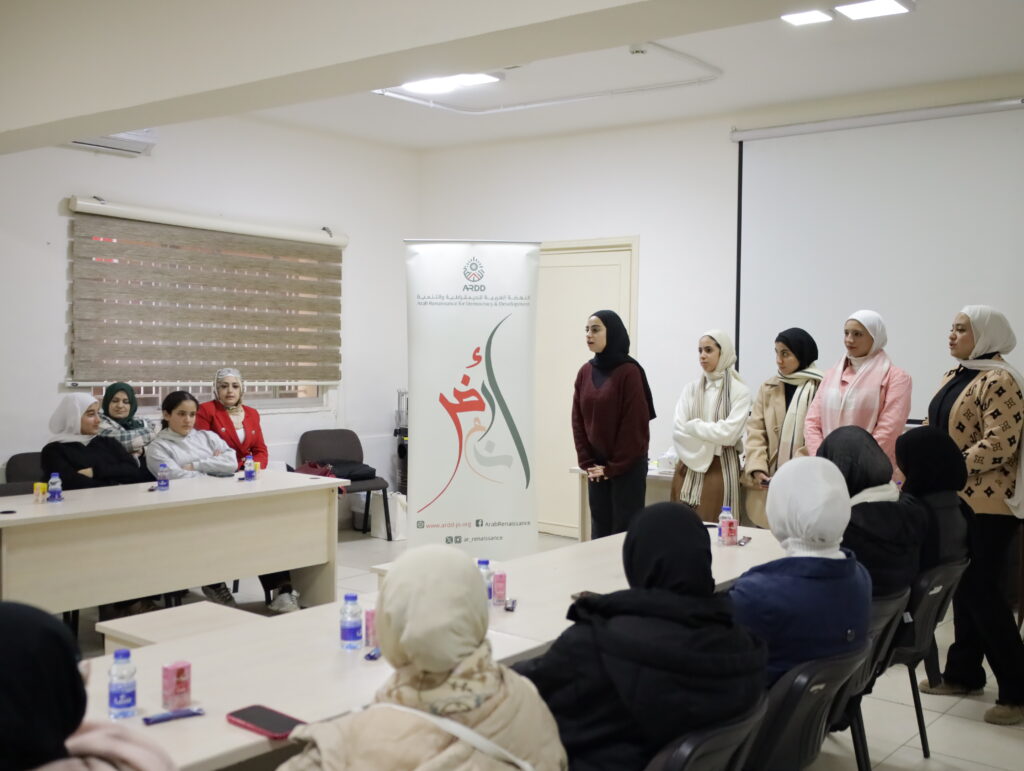
As part of efforts to empower young women and girls, and enhance their role in driving community transformation, participants in the Nidaa for Change project, implemented by the Arab Renaissance for Democracy and Development (ARDD), launched four innovative initiatives this December. These initiatives aim to support an inclusive, equitable, and accessible educational system in the governorates of Amman and Mafraq, contributing to improved learning environments for both students and teachers. The initiatives addressed pressing issues closely linked to the school and youth context. They included the Youth Skills Development Initiative (Amman), the Legal Awareness Initiative for Addressing Cyber Violence (Mafraq), the School Anti-Bullying Initiative (Mafraq), and the Digital Education Enhancement Initiative (Mafraq). The initiatives were carried out through interactive awareness sessions led by experienced trainers and specialists. These sessions created a space for dialogue that brought students and teachers together at one table to discuss on-the-ground challenges and propose participatory solutions that enhance the quality of education in both governorates. The project highlighted collaborative and collective work through close cooperation with local partners. The Amman initiative was implemented in cooperation with the Princess Basma Center for Human Development (Al-Nuzha branch), while the Mafraq initiatives were implemented in partnership with Qudrat Association for Community Development and Charity. Majd Al-Masaeed, a participant from Mafraq, emphasized the pivotal role of girls in creating change and stated: “We believe in our role as active agents of change within our communities, and these initiatives represent our practical pathway to improving the state of education in Mafraq.” Sara Ouda, a participant from Amman, explained that the experience strengthened young women’s leadership skills, adding: “These initiatives deepen our belief in our ability to achieve our dreams and build more inclusive and just communities.” Project Manager Malak Suleiman affirmed that Nidaa for Change is more than a temporary initiative. She noted that it is a real call to believe in young women as a driving force for change. This vision was demonstrated by dozens of participants who took initiative and worked passionately to design and manage six specialized initiatives supporting inclusive education, distributed equally between Amman and Mafraq. She added that the financial support is not merely funding, but an investment in the determination of young women who are being prepared to become active advocates and inspiring leaders who do not wait for change, but create it themselves for a more just and inclusive future for all. Nidaa for Change is implemented by ARDD within the IGNITE project, Inspiring Girls and Grassroots Networks for Inclusive and Quality Education, with support from the René Moawad Foundation and funding from the Agence Française de Développement (AFD), and additional support from the International Rescue Committee (IRC). The project targets girls aged 15 to 19 from refugee and vulnerable communities in Amman and Mafraq.
ARDD Launches CLOSER Project to Enhance Participatory Governance
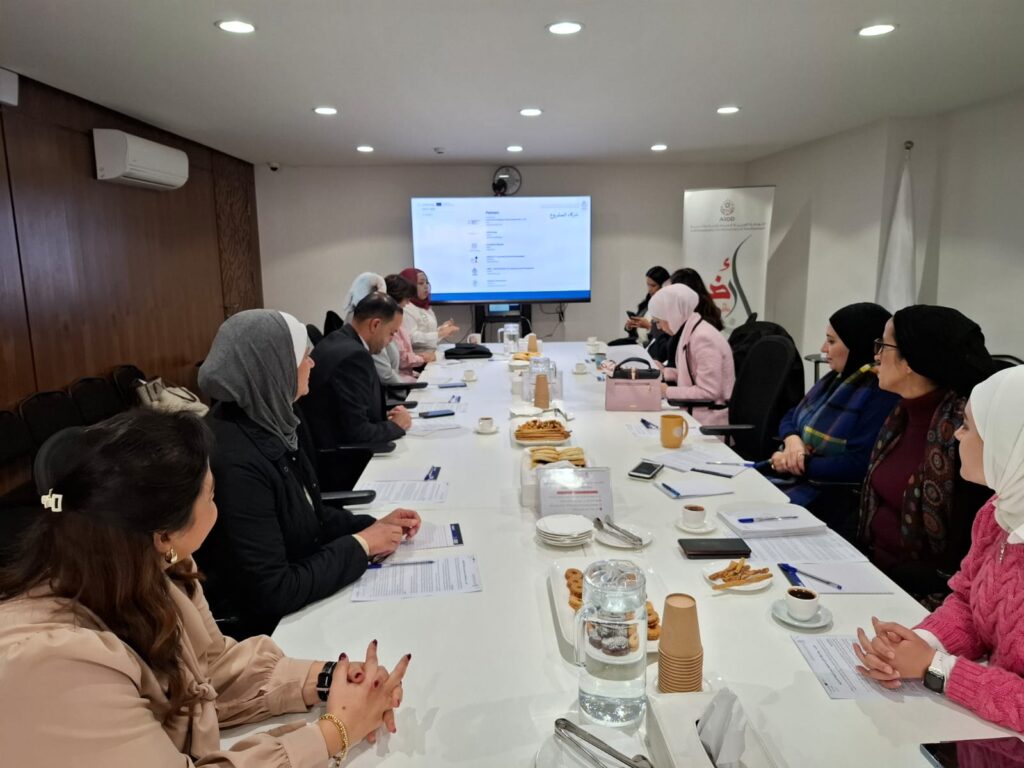
The Arab Renaissance for Democracy and Development (ARDD) has launched the CLOSER – Connecting LOcal proximity networks Sustaining participatory govERnance project in Jordan, funded by the EU’s Interreg NEXT MED Programme, to promote participatory governance and connect local proximity networks. The launch took place during a roundtable held on 15 December 2025, with participation from governmental and international institutions, alongside civil society and private sector representatives. This launch comes as part of ARDD’s continuous efforts to strengthen Euro-Mediterranean cooperation and develop inclusive governance models that place community needs at the core of public policy. The roundtable marked the official inauguration of CLOSER, a regional initiative aimed at enhancing local governance and expanding people’s participation across six Mediterranean countries. The project is implemented by a consortium led by the Centro per lo Sviluppo Creativo Danilo Dolci – ETS (Italy), with strategic partners including EUROTraining (Greece), the University of Alicante (Spain), JUHOOD for Community and Rural Development (Palestine), ARDD – Arab Renaissance for Democracy and Development (Jordan), and Moukhtara Municipality (Lebanon) . Implemented between 2025 and 2027, CLOSER aims to enhance social services and rights in Mediterranean countries — particularly in Jordan, Lebanon, Palestine, Greece, Spain, and Italy. The project focuses on empowering civil society organizations and public authorities to jointly design more responsive social services, especially in marginalized and rural areas. During the event, Project Manager Malak Suleiman highlighted the strategic importance of CLOSER, describing it as a milestone in ARDD’s work and a step that consolidates ARDD’s position as a leader in participatory local governance in Jordan. She stressed that the project is not a temporary initiative, but rather the culmination of long-term investment in ARDD’s legacy and experience in local governance and good governance practices. ARDD aims to ensure lasting impact by developing a flexible and replicable methodology across governorates, institutionalizing participatory approaches and building effective bridges between citizens and decision-makers to support inclusivity and sustainability. The project seeks to establish local proximity networks in the six partner countries, bringing together public authorities, civil society organizations, and private sector actors to co-design innovative solutions that enhance belonging and shared responsibility, ultimately improving the quality of social services. Speaking about practical implementation in Jordan, Project Expert Consultaant Marah Khayyat explained that CLOSER aims to position “The Jabal Amman Neighborhood Future Committee” as the nucleus of the local proximity network in Jordan — working to preserve the historical identity of the neighborhood and revive its urban heritage in line with modern inclusiveness principles. She noted that the network will serve as an interactive platform linking public institutions, private actors, and civil society organizations, ensuring that residents’ needs and aspirations shape planning and decision-making processes, ultimately transforming the area into a model of resilient communities capable of delivering sustainable quality services. Overall, CLOSER – Connecting LOcal proximity networks Sustaining participatory govERnance contributes to establishing cross-border participatory governance through active proximity networks in Italy, Spain, Greece, Palestine, Jordan, and Lebanon. It advances social service models through institutional capacity building and co-management approaches, encouraging transparency, community ownership, and regional cooperation toward improved social well-being and sustainable social cohesion.
ARDD Highlights Legal Protection as a Cornerstone of Sustainable Solutions at the Global Refugee Forum 2025
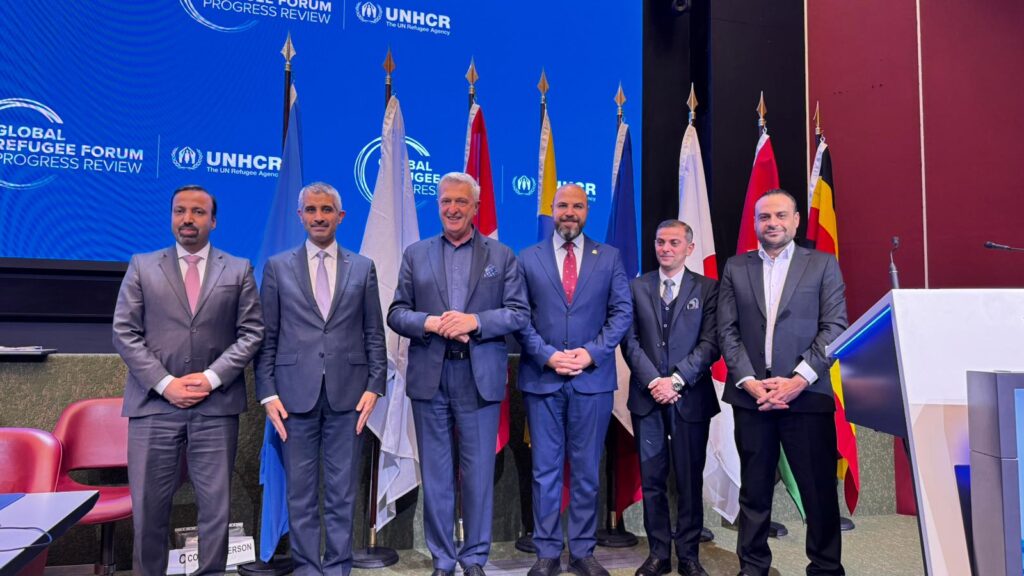
The Arab Renaissance for Democracy and Development (ARDD) participated in the high-level Global Refugee Forum 2025, held in Geneva, Switzerland, from 14 to 17 December, as a regional actor upon invitation from the Independent Diplomat. The organization was represented by its Legal Advisor, Attorney Rami Quwader. ARDD´s participation reflects its institutional efforts of moving beyond short-term humanitarian responses toward sustainable intervention models grounded in the rule of law, strengthened national legal systems, and the integration of legal protection with social and economic empowerment and social protection. The Forum featured a series of high-level bilateral meetings with donors, policymakers, and regional and international actors, as well as meetings with members of the Jordanian government delegation and press interviews. These discussions focused on strengthening strategic partnerships, advancing rights-based policies, and supporting the localization of humanitarian action as a practical pathway for translating international pledges into sustainable national impact. Quwader attended the Forum’s main plenary and spoke in several specialized side sessions, including “MENA Frontline Perspectives – What’s Working and What’s Not,” which offered a candid assessment of the limitations and effectiveness of current responses in the region. In his interventions, Quwader emphasized that civil documentation, access to justice, and legal protection are not separate sectoral pathways, but rather form an essential legal infrastructure for any sustainable solution in refugee contexts. He also highlighted the Jordanian experience as a model that has gradually evolved since 2011 from an emergency response into a more integrated approach linking legal protection, social policies, and institutional capacity building through complementary partnerships between government institutions, national civil society organizations, and international partners. He stressed that legal protection and access to justice constitute the foundation of social protection systems, as economic or social empowerment cannot be achieved without recognized legal identity, effective remedies, and a legal framework that guarantees equality and non-discrimination. Quwader noted that civil documentation and access to justice are among the most measurable and accountable tracks within the Global Refugee Forum, where international commitments are translated into tangible national actions. Investment in these systems, he underscored, is a strategic choice to protect human dignity, strengthen social protection, and support informed decision-making, including in the context of safe and voluntary return. Within this framework, he reaffirmed ARDD’s commitment to the “One Refugee – One Rights” approach, grounded in the principles of equality before the law and non-discrimination. The organization provides legal and rights-based services to all refugees regardless of nationality, through an approach centered on the rule of law, individual empowerment, and legal awareness. Finally, Quwader warned that the growing decline in sustainable funding represents one of the most serious structural challenges facing legal protection systems in the region, directly affecting the continuity of documentation and legal aid services and the ability of national organizations to act as both implementing and knowledge partners. He concluded that long-term investment in these systems is essential to achieving the objectives of the Global Refugee Forum in a rights-based manner that is nationally grounded and responsive to real protection needs.
TFGBV and Women’s and Girls’ Awareness During the 16 Days of Activism Campaign Against Violence
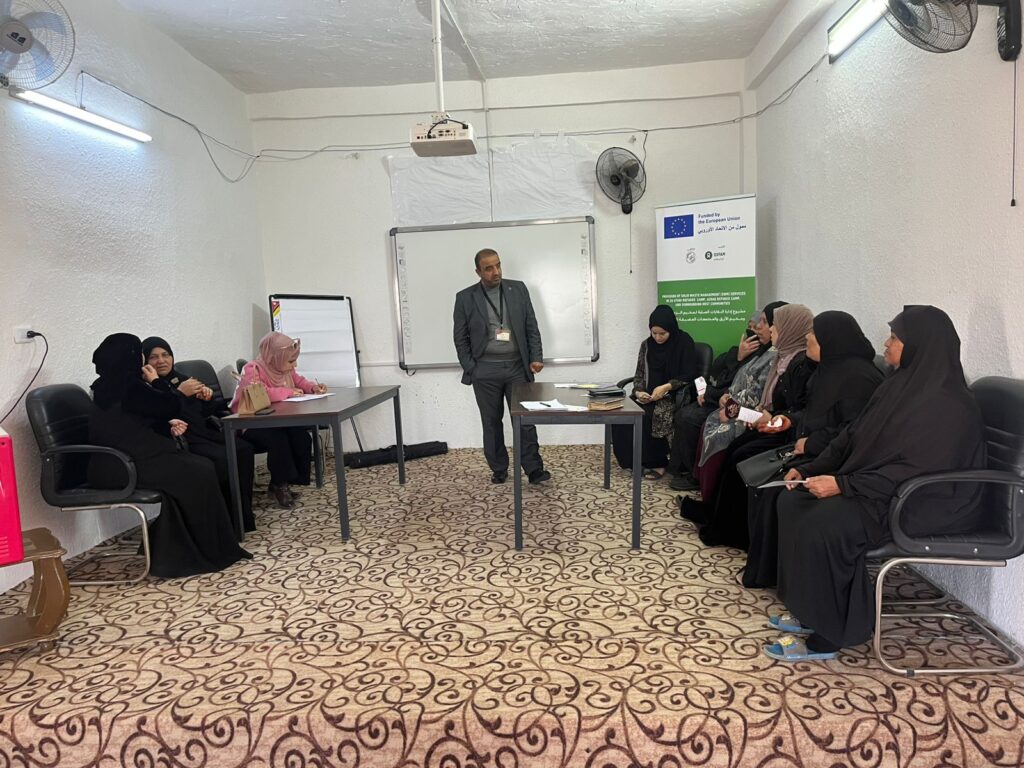
In conjunction with ARDDs #ReclaimingTheFuture Campaign and the global 16 Days of Activism Against Women and Girls campaign, held annually from November 25 to December 10, the Legal Aid Department at ARDD, in coordination with UNHCR and several local and international partners, implemented a series of legal awareness sessions aimed at enhancing legal awareness among participants of various nationalities, including refugees and Jordanians. The workshops introduced the global campaign, targeting women and girls, which this year carried the slogan: “Technology-Facilitated Gender-Based Violence (TFGBV) is real violence… #NoExcuseForOnlineAbuse”, with a focus on the Cybercrime Law and related legal rights. The sessions highlighted emerging forms of violence, especially TFGBV, as one of the most serious types of violations in the digital age. In this context, awareness workshops were held in Mafraq Governorate over two consecutive sessions, hosted at the Arab Women Association and Al-Khalidiyah Association, facilitated by lawyers Basil Al-Hawamdeh and Kefaya Al-Dalabih. The workshops focused on the risks of TFGBV, legal protection mechanisms, and procedures for filing complaints. Al-Hawamdeh noted that one of the most evident concerns observed during the sessions was the intense fear among women and girls of online blackmail and defamation, particularly involving the misuse of private photos or messages as a tool of pressure and threats, often leading to silence and hesitation to report. Al-Dalabih confirmed that limited knowledge of the Cybercrime Law and complaint-filing procedures, along with fear of social stigma and victim-blaming, represent major barriers preventing women from accessing justice and legal protection. In Zaatari Camp, lawyers Ahmad Abu Atiyyeh, Mohammad Hamdan, and Hamed Al-Yaqub conducted three awareness workshops in different sectors of the camp, in cooperation with the Princess Noor Al-Hussein Foundation and UNHCR, aiming to reach the largest possible number of women and girls. The workshops addressed various issues related to TFGBV and gender-based violence, focusing on: general gender-based violence, TFGBV and its forms, online slander and defamation, harassment, threats and electronic blackmail, digital spying, challenges facing victims of TFGBV, and information on the authorized bodies responsible for receiving complaints related to crimes resulting from TFGBV. Abu Atiyyeh stated that many participants expressed concern regarding their sense of safety in digital spaces, especially with the spread of threats and harassment on social media, as well as fears of account hacking or phone surveillance. Hamdan noted that fear of scandal and family or community reactions was among the strongest concerns, as many women prefer silence over reporting—worried about the social consequences even when facing severe psychological harm. Al-Yaqub emphasized that TFGBV leaves deep psychological effects on victims, including constant anxiety, isolation, loss of trust in others, and fear of repeated abuse without the ability to protect themselves. In Azraq Camp, awareness workshops were delivered by lawyers Murad Al-Faqeeh, Amjad Faris, and Mahmoud Abu Hammam, in cooperation with CARE and UNHCR, across various camp villages, reaching a large number of women and girls. The workshops focused on legal issues related to the campaign and the evolving forms of TFGBV. Al-Faqeeh noted that participants expressed deep concern regarding the use of personal photos or information, which exposes them to blackmail or defamation, causing social and familial harm, particularly in conservative environments. Faris highlighted that women expressed specific concerns about protecting children and underage girls from exploitation and online blackmail, in light of limited digital awareness and weak protection measures. Abu Hammam stressed the importance of continuing legal and digital awareness programs and ensuring safe and accessible protection mechanisms for women and girls, reinforcing their confidence in reporting and reducing the prevalence and impact of TFGBV. In conclusion, ARDD affirms that these workshops reflect its ongoing commitment to enhancing legal awareness annually during this campaign, protecting those most vulnerable to violence, and contributing to building a safer digital environment, especially for women and girls, through legal knowledge and community empowerment.
Together We Break Barriers: Men Supporting Women Across Jordan

As communities across Jordan marked the 16 Days of Activism, a pioneering initiative highlighted the powerful role men can play in supporting women’s leadership and participation. Through 12 interactive sessions held in cities and rural areas across all governorates, participants—including local leaders, community members, and civil society representatives—explored practical ways to enhance women’s participation in decision-making. Approximately 236 people took part in these sessions, including around 143 men, reflecting strong and meaningful engagement by male allies in advancing gender equality. Within the framework of the 16 Days of Activism to End Violence against Women and Girls, the “Empowering Each Other” initiative, implemented by the Arab Renaissance for Democracy and Development (ARDD) with the support of UN Women, emerged as a practical model demonstrating the influential role men can play in supporting women and strengthening their participation in public life. A dedicated session for women with disabilities marked a significant milestone within the initiative’s activities. Participants demonstrated a high level of awareness around empowerment issues and expressed the need for more programs that enhance their independence and provide safe spaces for training and networking. Attendees called for accessible infrastructure, assistive tools, and financial support, as well as positive media representation that moves beyond traditional stereotypes which often fail to reflect the true potential of persons with disabilities. They also emphasized the importance of developing legislation, enforcing laws that protect their rights, and ensuring their inclusion in decision-making processes. These sessions were implemented in cooperation with a wide range of local partner organizations, as well as the JONAF Coalition and the Tawasol Network, including: Al-Shahabiya Charitable Society (Karak), Queen Zein Al-Sharaf Charitable Society (Tafilah), Farah Ladies Charitable Society (Aqaba), Ana Insan Association for the Rights of Persons with Disabilities (Amman), Women’s Visions Association (Irbid), Al-Amal Charitable Society for Social Development (Baqa’a Camp), Women’s Committees Gathering / Ma’an Branch, Ajloun Ladies Charitable Society (Ajloun), Jerash Ladies Charitable Society (Jerash), Athar Youth Development Association (Zarqa), Qudurat Community Development Association (Mafraq), and Mosaawa Foundation for Training and Human Rights (Madaba). During the sessions, participants discussed urgent priorities for strengthening women’s status in society, including expanding government support for women-led projects, increasing awareness-raising programs, boosting women’s representation in local councils, and improving media coverage of women’s issues. Discussions also addressed the cultural, economic, and behavioral barriers women face, such as restrictive social norms, economic constraints, limited access to flexible employment opportunities, and weak solidarity among women. Participants emphasized that participatory decision-making builds trust, strengthens shared responsibility, and leads to more inclusive solutions that benefit the entire community. The initiative also highlighted the importance of economic empowerment through access to training, employment, and education opportunities, alongside strengthening women’s legal and political awareness. The sessions helped connect women to local support networks, enabling them to share experiences, advocate for their rights, and lead community initiatives. Women with disabilities, in particular, stressed the need to improve infrastructure, provide accessible transportation, and ensure access to resources and tools that enable their active participation in public life. Participants’ testimonials reflected the initiative’s positive impact. One participant expressed appreciation for seeing men publicly support women’s voices, viewing it as a sign of genuine social change. Another participant noted that supporting women in leadership positions strengthens family resilience and reinforces the wellbeing of society as a whole. Engineer Zainab Al-Khalil, Program Manager at ARDD, affirmed that this model of participatory action demonstrates that sustainable change is possible when women are in leadership roles and men act as supportive partners. She emphasized that building the future can only be achieved through collective cooperation. In conclusion, the “Empowering Each Other” initiative reflects an integrated approach that links women’s empowerment with civic engagement while actively involving men, boys, and civil actors. It creates inclusive environments where all stakeholders contribute to supporting women and fostering a culture of respect and cooperation, strengthening social cohesion and contributing to a more just and inclusive society. The initiative will continue its activities through the end of 2025, building on more than a decade of experience in supporting women and refugees in Jordan and empowering them to participate meaningfully in public life and decision-making.
Panel Discussion to Promote Women’s Leadership, Civic Engagement, and Social Cohesion in Jordan
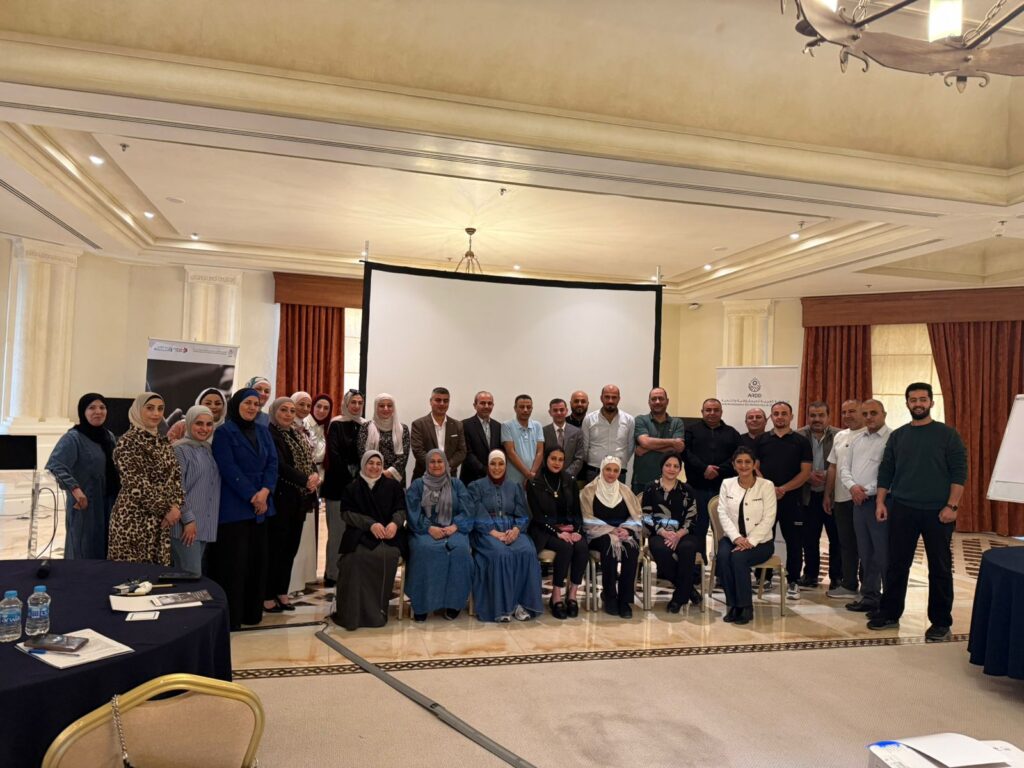
The Arab Renaissance for Democracy and Development (ARDD), in cooperation with UN Women, convened a panel discussion titled “Women’s Leadership, Civic Engagement, and Social Cohesion” on 5–6 December 2025. The event brought together staff from the Ministry of Social Development, including representatives from the Women’s Directorate, the Productivity Enhancement Directorate, and the Societies Registry. The discussion aimed to strengthen partnerships between the Ministry and civil society organizations, highlight the role of the Ministry and the Societies Registry in empowering women and advancing civic engagement, and explore effective mechanisms for enhancing social cohesion within local communities. The session was opened under the patronage of His Excellency, the Secretary General of the Societies Registry, Mr. Nasser Shreideh, who underscored the importance of exchanging experiences and perspectives to inform policy development and address existing challenges. He emphasized the need for sustained coordination and continuous capacity building. Mr. Ziad Al-Khasawneh, Director of the Societies Registry, presented an overview of the legislative and regulatory efforts aimed at strengthening the enabling environment for civil society and supporting women’s participation in decision-making processes. These efforts include the national framework for classifying societies, as well as proposed amendments to the Societies Law. The legal advisor at ARDD, Mr. Rami Qweider, delivered an intervention highlighting that women’s empowerment is anchored in a clear national constitutional and legislative framework, as well as international commitments that uphold the principles of social justice and non-discrimination. He noted that these frameworks obligate both government institutions and civil society organizations to adopt practical policies and measures that ensure equitable participation for women and remove barriers to their engagement in public life. He further stressed that women’s empowerment is a national responsibility that strengthens the rule of law and reinforces social cohesion. The session also featured practical experiences shared by Ministry staff and representatives of the Societies Registry on integrating women into community planning and decision-making roles. Participants discussed implementation challenges and formulated recommendations to enhance civic participation and social protection. The discussions emphasized the importance of multi-stakeholder cooperation and the development of clear follow-up plans to ensure the sustainability of these efforts. The panel concluded by reaffirming the importance of complementary roles between state institutions and civil society, promoting women’s leadership, and fostering an enabling environment for women’s meaningful participation in public life. Participants also identified key challenges and developed practical recommendations to advance civic engagement and social protection policies, while calling for clear action plans to monitor implementation, document outcomes, and inform future policy development. This panel discussion was organized as part of the “Empowering Each Other” project, implemented by the Arab Renaissance for Democracy and Development (ARDD) in partnership with UN Women in Jordan, to support women’s leadership, expand civic engagement, and build more cohesive and sustainable communities.
ARDD Participates in the Third Civil Society–UN Dialogue on Peacebuilding
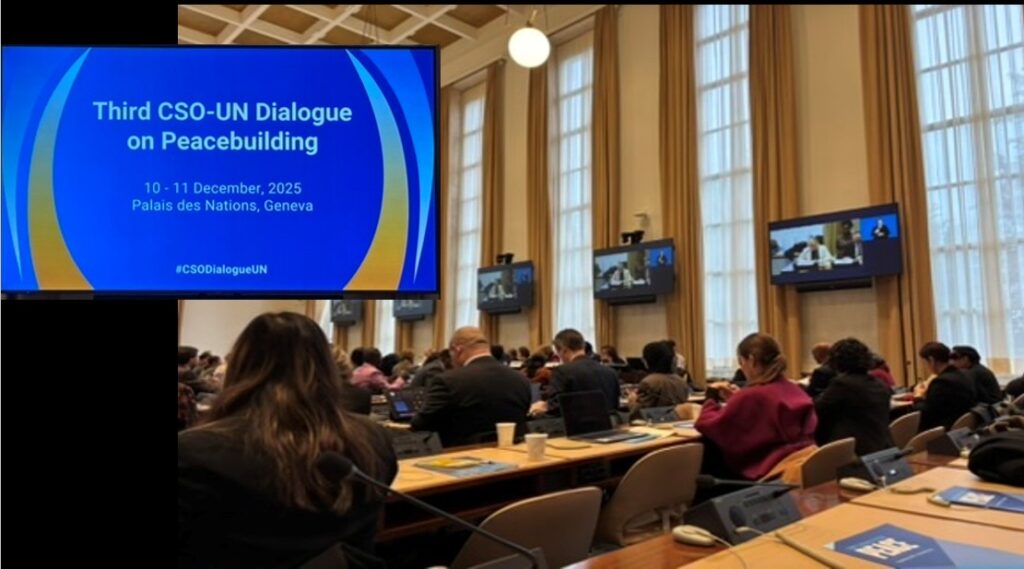
ARDD participated in the Third Civil Society–UN Dialogue on Peacebuilding, held at the Palais des Nations in Geneva on 10–11 December, and was represented by Dr. Sanaa Jalassi, Women and Youth Empowerment Senior Advisor at the Renaissance Strategic Center. The Dialogue was organized by the Peacebuilding Support Office of the UN Department of Political and Peacebuilding Affairs (DPPA) and co-chaired by CMI – Martti Ahtisaari Peace Foundation. Organized annually, the Dialogue provides an important platform for civil society organizations—particularly those from the Global South—to engage directly with the UN system on peacebuilding. This year’s Dialogue, designed as a co-creation process, aimed to strengthen civil society engagement in peacebuilding and human rights at a critical moment for UN system reforms. These included the Peacebuilding Architecture Review and the adoption of two key resolutions framing the review, both of which emphasize the centrality of human rights in peacebuilding efforts. The Dialogue brought together representatives from civil society, governments, foundations, academia, the private sector, and UN entities to discuss peacebuilding, human rights, and their linkages with development and humanitarian action, with a strong focus on the Women, Peace and Security (WPS) and Youth, Peace and Security (YPS) agendas. Participants emphasized the importance of meaningful engagement of civil society actors from the Global South, particularly women and youth, as well as the need to recognize local leadership and ensure that local realities inform national and global peacebuilding strategies. Sessions addressed the global peacebuilding context, the role of civil society, WPS and YPS as cross-pillar drivers, responses to interconnected crises, and peacebuilding financing. ARDD’s participation, sponsored by UN Women, provided an opportunity to engage with the UN system and civil society partners, gain insights into ongoing UN reforms, and contribute perspectives grounded in local and regional experience. The Dialogue reinforced ARDD’s commitment to women- and youth-centered, locally informed approaches to peacebuilding at both regional and global levels.
ARDD Begins Regional Change Journey in Jordan through the EU-funded CLOSER Project
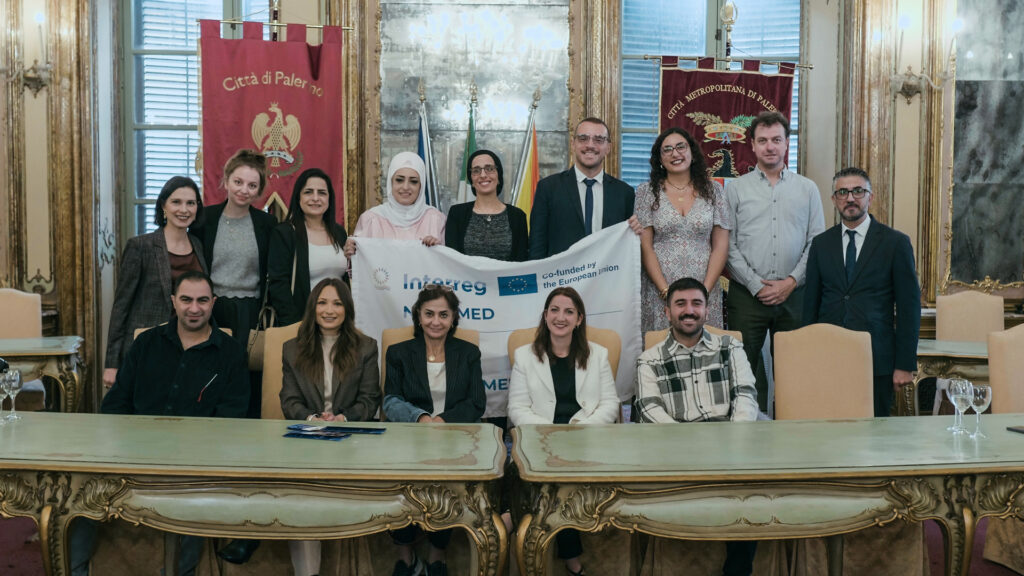
The Arab Renaissance for Democracy and Development (ARDD), Jordan’s national partner in the EU-funded CLOSER project, began its engagement by participating in the project’s Kick-off Meeting and Press Conference held in Palermo, Italy, from 28 to 30 October 2025. The meeting officially marked the start of CLOSER – Connecting LOcal Proximity Networks Sustaining Participatory Governance, a regional initiative aimed at strengthening local governance and citizen participation across six Mediterranean countries, through a consortium led by the Centro per lo Sviluppo Creativo Danilo Dolci ETS (Italy), and includes the partners EUROTraining (Greece), Alicante University (Spain), JOHUD (Palestine), ARDD (Jordan), and Moukhtara Municipality (Lebanon). During the sessions, ARDD contributed to shaping the project’s strategic direction for its implementation in Jordan and supported efforts to establish and institutionalize Local Proximity Networks across the participating countries. The final day included a press conference hosted at the Palermo Town Council Hall by the Municipality of Palermo and the National Association of Italian Municipalities (ANCI), both associated partners of CLOSER. Speakers included Fabrizio Ferrandelli, City Councilor; Mario Alvano, Director General of ANCI Sicilia; Mughannam Ghannam, CEO of JOHUD; and Malak Suleiman, ARDD’s National Coordinator for CLOSER in Jordan. ARDD presented priority gaps and needs related to participatory governance in Jordan and explained how the CLOSER project will support efforts to address institutional and social challenges through collaborative, community-centered approaches. Malak Suleiman highlighted ARDD’s strategic focus on localization, networking, and decentralization as key to advancing institutionalized participatory governance and strengthening accountability systems. ARDD now begins its collaborative work with five regional partners to develop a sustainable, scalable model of participatory governance within the CLOSER framework. CLOSER aims to strengthen participatory governance at local and regional levels by establishing territorial proximity networks in Italy, Spain, Greece, Palestine, Jordan, and Lebanon, bringing together local actors and public authorities. These networks will receive capacity building to facilitate participatory processes for co-designing and delivering social services. The resulting governance model will be piloted in each region to ensure services respond more effectively to community needs. The initiative promotes stakeholder cooperation, institutional transparency, community ownership, and inclusive service delivery, contributing to improved well-being and territorial cohesion across the Mediterranean.
Launch of “Investing in the Future”: Advancing Inclusive, Evidence-Based Education in Jordan

The Arab Renaissance for Democracy and Development (ARDD) and Renaissance Strategic Center, in partnership with Vision Hope International (VHI) and Branches of Mercy (BOM), is pleased to announce the soft launch of the innovative initiative, “Investing in the Future: Building Sustainable, AI-Enabled Learning Systems in the Jordanian Education Sector.” This project aligns with ARDD’s Education Strategy 2025–2027 and reflects its commitment to inclusive, evidence-based, and transformative education. Jordan invested significantly in its education sector and carried out several reforms through participatory approaches with educational stakeholders. However, the sector still faces multiple challenges, including high dropout rates influenced by socioeconomic pressures, outdated teaching methodologies, and limited infrastructure. Rapid urban growth in Amman and the influx of refugees have strained classrooms and resources, while educators often lack sufficient training to leverage modern educational tools effectively. Early school leaving continues to impact livelihoods, with girls facing additional barriers such as early marriage. Against this backdrop, AI-based learning offers a promising solution, providing personalized and adaptive educational experiences that can improve outcomes, reduce dropout rates, and enhance equity for marginalized students. The “Investing in the Future” initiative was built upon a comprehensive feasibility study conducted with students, teachers, parents, and the Ministry of Education, revealing strong support for AI learning, enthusiasm for interactive digital tools, and recognition of the need for professional development, infrastructural support, and ethical AI use. The project also benefited from extensive consultations with key stakeholders, including the Ministry of Education and local service providers, ensuring a grounded and collaborative approach. The initiative seeks to establish sustainable AI-driven educational practices in Jordan, creating a robust, interconnected learning ecosystem capable of generating practical insights, informing policy, and embedding innovation across schools. Guided by a clear Theory of Change, the project will establish a robust network for AI-supported learning through cooperation with educational authorities, universities, and research centers; form a NAFE AI Sub-Committee to enhance strategic partnerships and stakeholder engagement; conduct actionable research on AI in education; integrate AI-driven education into policies and teacher training; and lead advocacy and media engagement efforts. ARDD, in partnership with Integrated International, will conduct research and evidence-based advocacy to further promote AI integration and inclusive educational reforms. These steps are expected to create a sustainable framework that enhances educational practices, integrates marginalized communities, reduces dropout rates, drives systemic educational reform, and raises awareness of AI’s potential to transform learning. The project aims to establish a benchmark for AI integration in education within Jordan, strengthening equitable access to quality education, improving student outcomes, and contributing to sustainable learning ecosystems for future generations. ARDD’s work under this initiative builds on its longstanding partnership with NAFE, serving as a platform for coordinated, cross-sector action to ensure inclusive, innovative, and rights-based education in Jordan. For more information about the project, visit: Investing in the Future Learn more about ARDD’s education advocacy: NAFE