ARDD Participates at UNESCO World Arabic Language Day Celebration
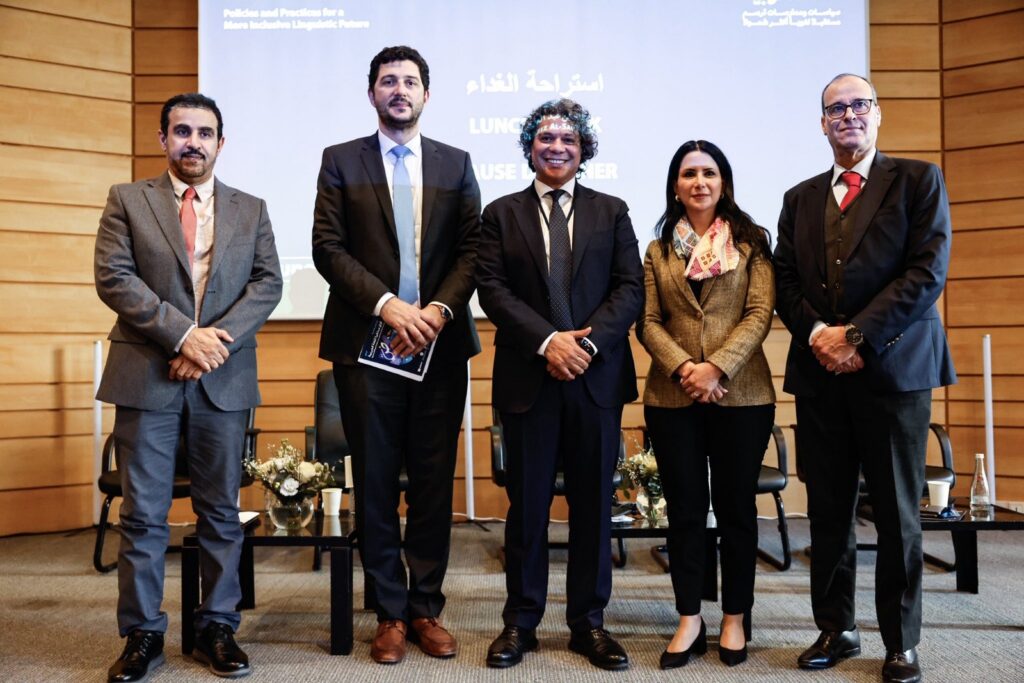
Paris, 18 December — the Arab Renaissance for Democracy and Development (ARDD) was represented by its Chief Executive Director, Adv. Samar Muhareb, at the celebration of World Arabic Language Day held at the headquarters of UNESCO in Paris. The annual event brought together nearly 300 participants from the Arab region and diverse international backgrounds, affirming the Arabic language as a cornerstone of culture, identity, and belonging. This year’s celebration, held under the theme “Innovative Horizons for the Arabic Language: Policies and Practices Towards a More Inclusive Linguistic Future,” explored how digital transformation is reshaping the presence of Arabic across media platforms, social technologies, and digital storytelling. The discussions emphasized the expanding reach of Arabic among youth and different social groups, and the importance of inclusive language policies in reinforcing the role of Arabic in education, cultural identity, and social justice. As part of the official program, Adv. Muhareb participated in the first session entitled “Empowering Arabic for Inclusion and Innovation,”* which brought together voices from academia, civil society, national language institutions, and UNESCO. Through her intervention, she highlighted the importance of viewing language as a public good and a tool for inclusion, stressing that empowering Arabic is closely linked to promoting equity, participation, and access to knowledge, particularly for marginalized and underrepresented communities within multilingual societies. Mrs. Muhareb underscored the need for long-term, forward-looking language policies and stronger institutional cooperation to ensure that Arabic maintains a meaningful presence within academic, technological, and cultural institutions, as well as within global knowledge systems. Her contribution reflected ARDD’s broader commitment to inclusive development, social cohesion, and the protection of cultural and linguistic rights across the Arab region. The celebration was organized within UNESCO’s framework, in partnership with the Permanent Delegation of the Kingdom of Saudi Arabia to UNESCO, and with the support of the Prince Sultan bin Abdulaziz Al Saud Foundation, reinforcing the collective responsibility to advance the Arabic language as a living, inclusive, and globally engaged language.
Partnership Coordination within the Nidaa’ for Change Project
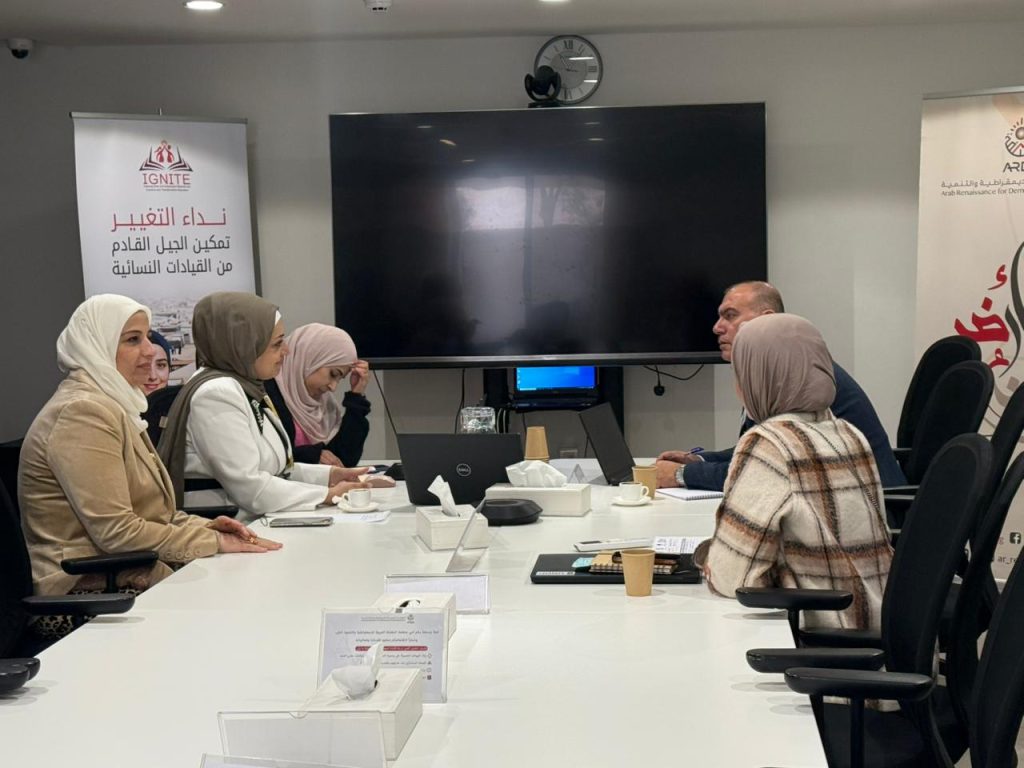
On 8–9 December 2025, René Moawad Foundation conducted a follow-up visit to the Arab Renaissance for Democracy and Development (ARDD) as part of the ongoing implementation of the Nidaa’ for Change project. The visit aimed to review progress and support continued coordination between the partner organizations. The meetings provided an opportunity to reflect on implementation milestones, ensure quality delivery, and enhance mutual understanding in support of achieving meaningful and sustainable outcomes for project beneficiaries. Discussions also explored ways to strengthen long-term collaboration and promote innovative approaches that contribute to the project’s sustainability. Particular attention was given to the project’s strategic focus on empowering young leadership and advancing transformative education for targeted girls in Jordan. The Nidaa’ for Change project is implemented by ARDD under the IGNITE – Inspiring Girls and Grassroots Networks for Inclusive and Transformative Education project, with the support of René Moawad Foundation. The project is funded by the Agence Française de Développement (AFD) with the support of the International Rescue Committee (IRC), and targets girls aged 15–19 from refugee and marginalized communities in Amman and Mafraq.
From Skills to Mobility: Designing and Enabling Labour Pathways for Refugees in Jordan
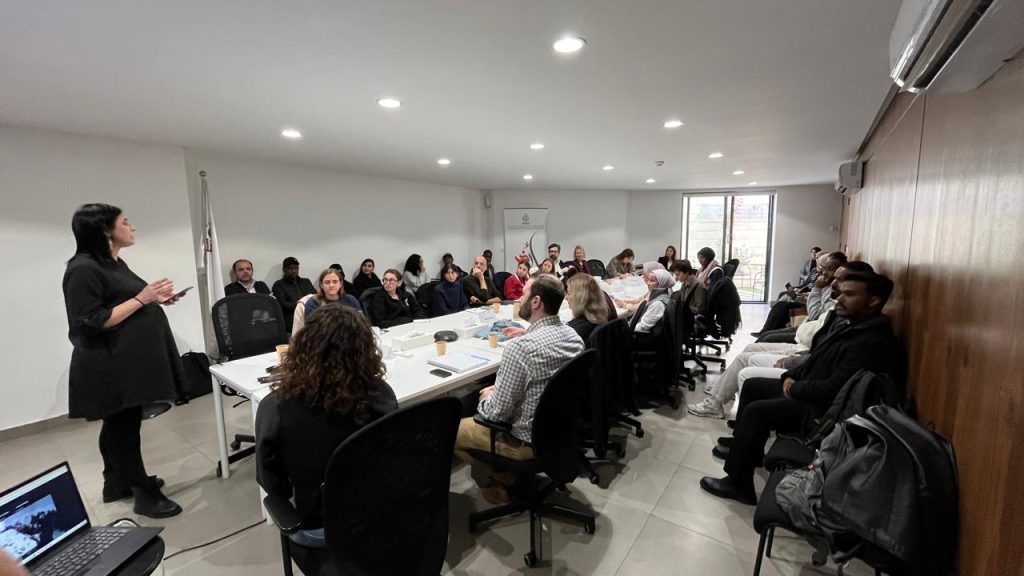
On 7 December 2025, the Renaissance Strategic Center (RSC) hosted a session of its Engage & Discuss series titled “From Skills to Mobility: Designing and Enabling Labour Pathways for Refugees in Jordan.” The session built on a thesis research project conducted in Amman by a University of Turin student in collaboration with RSC, bringing together key actors involved in labour mobility pathways in Jordan to reflect on current practices, challenges, and future directions. The discussion was particularly relevant in the Jordanian context, which hosts one of the world’s highest refugee populations per capita. As opportunities for traditional resettlement decline, labour mobility pathways are gaining importance as regulated alternatives that can offer both international protection and access to employment abroad. Opening the session, Rebecca Brodini, Graduate Researcher at the University of Turin, shared findings from her field research on the implementation of labour mobility pathways in Jordan. She presented the Goldsmith for Italy pilot, now in its final phase, which trained refugees in Jordan’s jewellery sector to meet skills needs in Italy. Developed over two years in partnership with UNHCR, Talent Beyond Boundaries, and Turquoise Mountain, the initiative has resulted in the recruitment of ten refugees by an Italian jewellery company, with several already relocated. Brodini highlighted the project’s feasibility and innovation, while noting ongoing challenges, including aligning protection objectives with labour market demands and ensuring effective coordination among multiple stakeholders across countries. Chris Murphy, Associate Durable Solutions Officer at UNHCR, provided an overview of employment-based pathways, describing them as employer-driven and highly competitive, with varying eligibility requirements. He identified key barriers limiting refugee access, including limited language certification, difficulties validating informal work experience, low awareness of opportunities, and insufficient preparation for international recruitment. Murphy stressed that improved skills profiling, data collection, and outreach are essential to expand access, noting that awareness of labour mobility pathways can increase refugees’ motivation for training and reduce interest in irregular migration. He concluded that these pathways can address both protection needs and labour shortages if supported by coordinated, long-term investment. Sarah Walder, Global Monitoring & Evaluation Lead at Talent Beyond Boundaries (TBB), outlined TBB’s role in connecting skilled refugees with international employers, responding both to labour shortages in destination countries and to the professional aspirations of refugees. She presented TBB’s Talent Catalog, which includes over 148,000 registered professionals across sectors such as healthcare, IT, engineering, and skilled trades, demonstrating the breadth of underutilised refugee talent. Walder emphasised that employer engagement is critical to translating talent availability into mobility opportunities. She described TBB’s end-to-end support model, from candidate preparation to visa and relocation assistance, noting strong employer satisfaction and retention rates among placed candidates. Maher Faris, Head of the Turquoise Mountain Institute (TMI), focused on the role of vocational and craft-based training in enabling economic inclusion and mobility. He presented Turquoise Mountain’s training model in jewellery, woodworking, and design, which combines technical skills, business literacy, and professional development for refugees and Jordanians alike. Faris highlighted the institute’s contribution to the Goldsmith for Italy pilot through outreach, assessments, and coordination, and stressed that scaling such initiatives will require stronger skills recognition systems, deeper cross-sector partnerships, and sustained investment in high-quality vocational training. The concluding roundtable and audience discussion explored how to balance protection and labour market needs, move from pilot initiatives to scale, and ensure that labour mobility pathways also generate value for host communities. RSC and ARDD will continue engaging in this emerging field, recognising that while labour mobility pathways currently reach a limited number of refugees, their gradual expansion can strengthen Jordan’s vocational and employment ecosystem and contribute to more structured, dignified, and regulated work opportunities for both refugees and Jordanians.
ARDD and JBA Honor Winners of the 2025 Ethics in Business Award
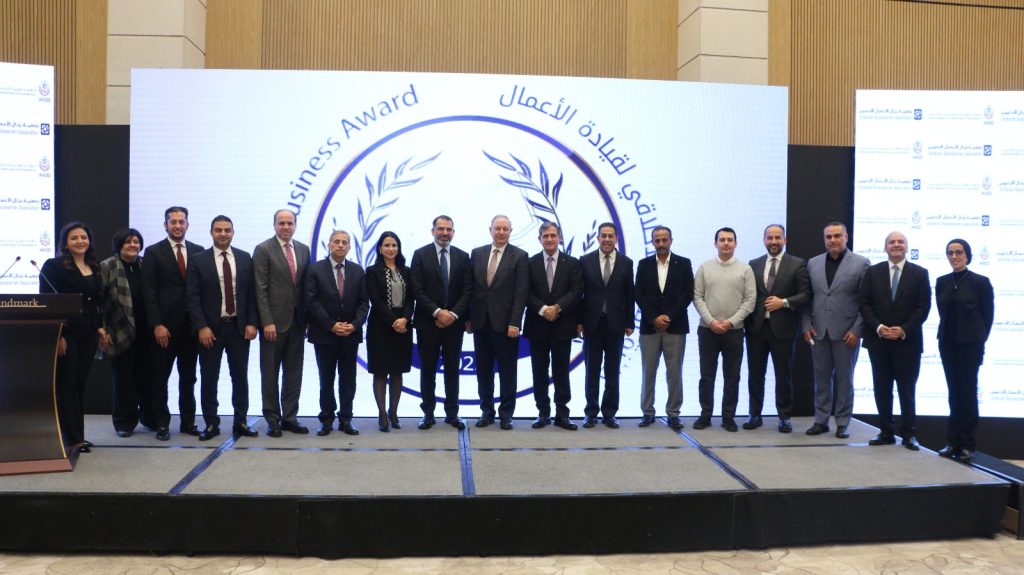
At a time when regional and global challenges continue to intensify, and the region faces one of its most complex humanitarian and economic moments, the importance of strengthening self-reliance and building a resilient local economy has become a strategic imperative. In response, Jordan continues to move forward with a forward-looking vision grounded in cross-sector partnerships, enhanced adaptability, and collective efforts to confront emerging challenges. Within this context, and in affirmation of the central role of the private sector in advancing sustainable economic development, decent work, inclusive employment, and ethical supply chains, the Arab Renaissance for Democracy and Development (ARDD) and the Jordanian Businessmen Association (JBA) organized the 2025 Ethics in Business Award ceremony. The event celebrated leading companies that have demonstrated that embedding ethical values within business practices and strengthening local economic opportunities are fundamental pillars for building a stronger, more inclusive, and sustainable Jordanian economy. The awards ceremony was held on Sunday, 14 December 2025, under the theme “Future Forward: Celebrating Champions of Sustainable Local Development,” reflecting the spirit of Jordan’s Economic Modernization Vision and the national direction toward an economy based on partnership, private sector empowerment, innovation, entrepreneurship, and the creation of quality employment opportunities, particularly for youth. The ceremony coincided with International Human Rights Day, observed annually on 10 December, reinforcing the principle that ethical business leadership and respect for human rights, through decent work, justice, and dignity, are integral to sustainable local development. The 2025 Ethics in Business Awards were presented to Al-Astrolab Restaurants and Tourism Investments Company, represented by its Chairman, Eng. Muath Al-Faouri; The Specialty Hospital, represented by Dr. Fawzi Al-Hamouri; Mohammad Youssef Al-Shbataat & Partners Contracting Company (LLC), represented by Chairman Eng. Omar Al-Shbataat; Weted Investment Group, represented by Chief Executive Officer Muhannad Al-Mansour; Abu ‘Auda Brothers Company, represented by General Manager Dr. Anas Abu ‘Auda; and Mohammad Abu Hultem Investment Group, represented by Dr. Eyad Abu Hultem. The awarded companies were recognized for their leadership in integrating ethical standards into their operations, fostering inclusive employment, and contributing meaningfully to local economic resilience. In his remarks, JBA President Ayman Al-Alawneh emphasized the importance of the partnership with ARDD in reinforcing the private sector’s role in local economic development and enhancing the national economy’s competitiveness and resilience. He noted that the association brings together business leaders across 14 economic sectors that collectively form a core pillar of Jordan’s economy, highlighting JBA’s particular focus on supporting small and medium enterprises as the backbone of economic growth through innovation, expansion, market access, and job creation. ARDD Executive Director Samar Muhareb underscored that collaboration with the private sector remains a key driver of economic and social development, explaining that the Ethics in Business Awards are granted annually in line with national priorities and levels of ethical commitment within the business sector. She stressed that the awards reflect the winning companies’ dedication to equitable economic growth aligned with the Economic Modernization Vision, while advancing economic justice and equal opportunity. Rola Abu Rab, Partnerships Director at the European Regional Development and Protection Programme, highlighted the importance of building a more inclusive and just economy by expanding access to economic participation and integrating diverse groups into the labor market, thereby supporting sustainable development, social stability, and community resilience. Economic expert Dr. Adli Qandah emphasized that fostering entrepreneurship and building partnerships based on shared values and realistic goals is essential for efficient economic growth, job creation, productivity gains, and increased investment in Jordan. The ceremony also featured a panel discussion on supporting entrepreneurship in Jordan amid current economic challenges, during which speakers emphasized the importance of good governance, transparency, ethical institutional culture, and coordinated efforts between the public and private sectors, financial institutions, and large corporations to create an enabling environment for innovation and entrepreneurial growth. The 2025 Ethics in Business Awards concluded with the honoring of the winners in recognition of their leadership, ethical commitment, and social responsibility, and their tangible contributions to sustainable local development and the national economy. This edition of the awards was implemented within the framework of the ARDD-led project “Future Forward: Unlocking Sustainable Local Opportunities” , supported by the European Regional Development and Protection Programme, which aims to strengthen localized economic opportunities and empower local actors across Jordan. Launched in 2023, the Ethics in Business Award provides a national platform that highlights the private sector’s role in promoting decent work, protecting workers’ rights, expanding local opportunities, and advancing inclusive and sustainable economic growth. As part of this initiative, business leaders participating in the awards have endorsed the Goodwill Declaration “Towards a Common Goal: Strengthening Equitable Economic Growth in Jordan“, reaffirming their collective commitment to ethical responsibility and development-oriented business practices.
Al Nahda Localization Award 2025 Honors UN Women Jordan
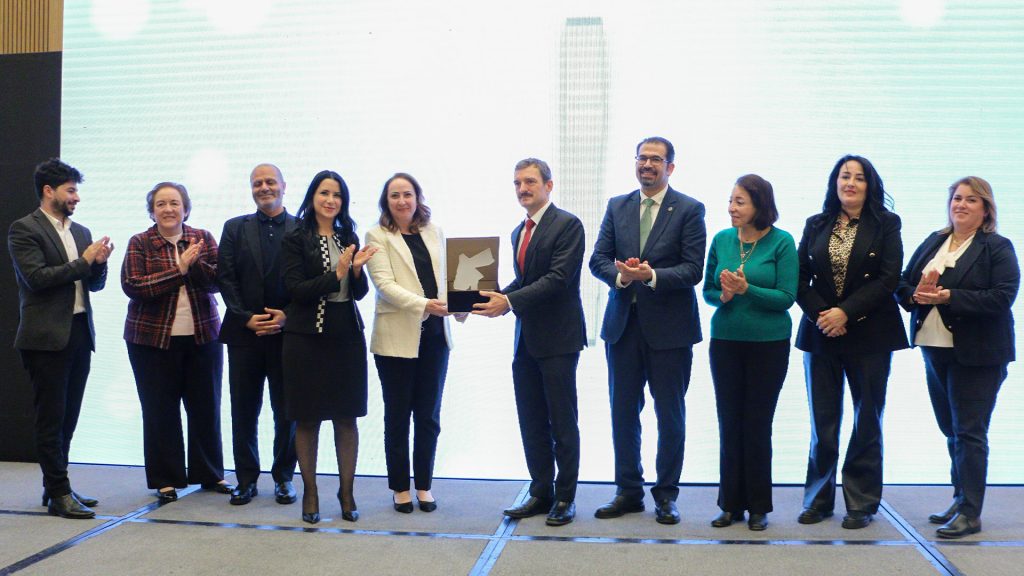
Amid accelerating political, economic, and humanitarian transformations, the theme of the Al Nahda Localization Award 2025 is titled “Localization of Humanitarian Action: From Theory to Practice in Times of Transformation.” The theme underscores that localization is no longer merely a theoretical framework, but a practical, community-led approach that integrates humanitarian response, development, and resilience building. This year’s theme celebrates organizations and individuals who have translated the principles of partnership, equity, and trust into tangible practices, despite challenges such as shrinking funding and instability, while safeguarding the independence of local actors and their central role in leading change within their communities. In this context, the Arab Renaissance for Democracy and Development (ARDD), in partnership with the Jordan National NGO Forum (JONAF), honored UN Women Jordan, led by Mr. Nicolas Burniat, by awarding it the Al Nahda Localization Award 2025, in recognition of its pioneering efforts in advancing local leadership and promoting the localization of humanitarian and development action in Jordan. The award recognizes UN Women’s sustained contributions, including its leadership of the Humanitarian Localization Working Group in Jordan, its role in supporting the implementation of the National Action Plan for UN Security Council Resolution 1325, and its systematic support to national and women-led organizations,including many JONAF members. It also acknowledges UN Women’s role in strengthening women’s empowerment and promoting local ownership of humanitarian and development efforts. This recognition further reflects ARDD’s and JONAF’s shared commitment to equitable partnerships, a strong civil society, and positioning local actors at the forefront of humanitarian and development action at national and regional levels. The award was presented during a meeting held on Sunday, 14 December 2025, where Mr. Nicolas Burniat, Representative of UN Women in Jordan, received the award. In his remarks, he emphasized that the localization of humanitarian action is essential to ensuring sustainable impact and enhancing the effectiveness of responses, highlighting the importance of investing in national capacities and building partnerships grounded in trust and shared responsibility. During the award presentation, Ms. Sawsan Al-Majali, Senior Advisor at Durat Al-Manal for Development and Training and a Board Member of JONAF, noted that this recognition reflects the pioneering role played by UN Women in strengthening local leadership, fostering trust-based partnerships, and supporting the participation of women and national organizations in developing sustainable solutions. Ms. Louise Piel Mckey, Programme Manager /Team leader at the European Regional Programme for Development and Protection, emphasized that localization is gaining increasing importance amid rapid political and economic transformations in the region. She stressed the need for a genuine collective commitment to move from theoretical acknowledgment of localization toward practical, sustainable, and community-led implementation. In turn, Dr. Walid Al-Tarawneh, CEO of Partners for Better and a member of JONAF, affirmed that the award reflects one of the alliance’s core values and underscores the importance of localization as an integrated humanitarian and development approach. He noted that JONAF has become one of the leading models of collaborative engagement between government and civil society in Jordan. Ms. Samar Mohareb, Executive Director of ARDD and a Board Member of JONAF, stated that the award serves as an annual platform to recognize efforts that strengthen local leadership and reinforce a nationally rooted approach to humanitarian action. She highlighted that UN Women has set a strong example by adopting localization as both a strategic direction and a daily practice in Jordan. She added that this year’s theme reflects the profound regional and global transformations underway, affirming that localization has become a strategic necessity that moves beyond discourse to action, particularly at a time when humanitarian and development agendas are increasingly interconnected. The Al Nahda Localization Award was launched in 2021 to honor individuals or organizations that have made exceptional contributions to advancing the localization of humanitarian and development action at the national and regional levels, based on criteria that include innovation, inspiring leadership, collaborative practice, and the highest standards of integrity. The fifth edition of the Award was held as part of the project “ Future Forward: Unlocking sustainable local opportunities ,” implemented by the ARDD and funded by the European Regional Programme for Development and Protection, in partnership with JONAF.
Participants in the “Nidaa’ for Change” project launch the “Building Hope” initiative to integrate people with disabilities into education
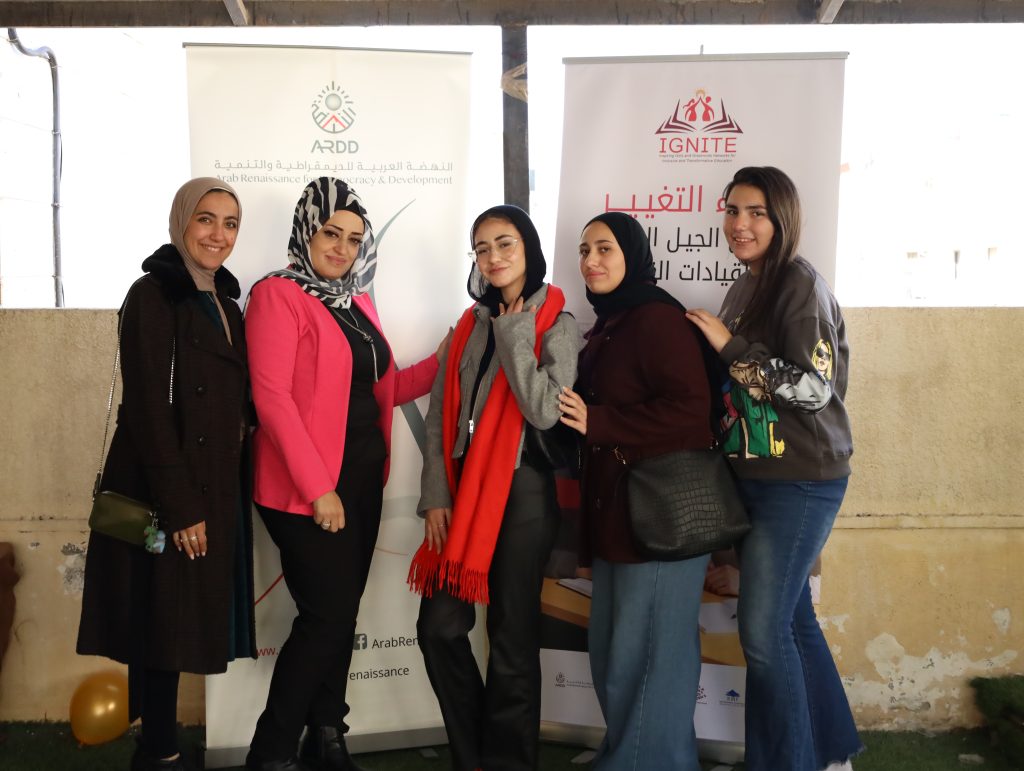
To mark the International Day of Persons with Disabilities, participants in the “Nidaa’ for Change” project, implemented by the Arab Renaissance for Democracy and Development (ARDD), launched their new initiative titled “Building Hope: Towards the Inclusion of Children with Disabilities in Education.” This pioneering step reflects the project’s belief in the potential of girls to challenge prevailing norms and create positive, lasting change in their communities. As part of the initiative’s activities, the young women carried out a field visit on Thursday, December 4, 2025, to the Comprehensive Sports City Center for Inclusive Day Services. The visit aimed to equip them with practical skills for working with children with disabilities. Center staff guided best practices in inclusive education, as well as methods for developing children’s skills and fostering their creativity, helping build a more equitable and inclusive learning environment. After the guidance session, the young women joined the children in interactive and joyful activities that left a meaningful impact on both sides. This hands-on experience will serve as an important starting point they take back to their schools and communities, spreading knowledge, raising awareness of the value of inclusive education, and implementing innovative initiatives that support the rights of children with disabilities to learn in safe, stimulating environments. Participant Aseenat Abu Azzam (15 years old) emphasized the importance of this effort, saying: “We launched this initiative because we believe in the right of children with disabilities to education, equality, and creativity. The most beautiful part was seeing the smiles on their faces—they deserve every chance to achieve their dreams.” Participant Lilyan Murtada (18 years old) stressed the need to raise community awareness, adding: “Through our initiative, we aim to deliver a message to all members of society, students, teachers, decision-makers, and parents, about the importance of ensuring the right of children with disabilities to inclusive education that meets their needs.” The initiative represents a practical example of the “Nidaa’ for Change” vision to empower girls and strengthen their role as genuine leaders in advancing education and social justice—by providing learning opportunities and enabling them to design and implement their own initiatives. The Nidaa’ for Change project is implemented by ARDD under the IGNITE project—Inspiring Girls and Grassroots Networks for Inclusive and Transformative Education—with the support of the René Moawad Foundation, funded by the Agence Française de Développement (AFD), and in cooperation with the International Rescue Committee (IRC). The project works to empower girls aged 15 to 19 from refugee and marginalized communities in Amman and Mafraq, equipping them with the tools and confidence needed to lead change in education.
Roundtable in Mafraq Explores Ways to Enhance Women’s Participation in the Labor Market and Entrepreneurship
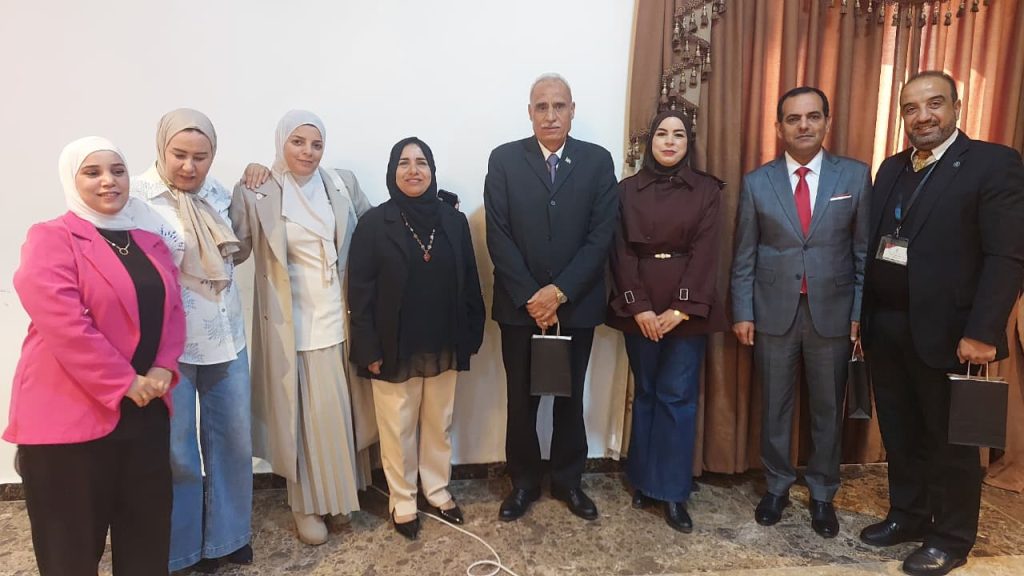
The Arab Renaissance for Democracy and Development (ARDD) participated in a roundtable session held in Mafraq Governorate on Monday, 24th November 2025. The session was organized as part of a collaboration between ARDD and Movement for Peace, in partnership with the Jordanian Hashemite Fund for Human Development (JOHUD), to strengthen the role of women and enable their effective participation in the labor market and entrepreneurship. Held under the title “Enhancing the Effective Participation of Jordanian Women, Refugees, Young Women, and Women with Disabilities through a Human Rights-Based Inclusive Approach,” the session focused on exploring the gaps and challenges facing women in the field of entrepreneurship, as well as discussing opportunities for their economic empowerment. Lawyers Basel Al-Hawamdeh and Kifaya Al-Dalabih from ARDD delivered an extensive presentation addressing the legal aspects and challenges that women face in the labor market. They also introduced the legal services provided by ARDD under the project “Enhancing Women’s Effective Participation through a Comprehensive Rights-Based Approach in Jordan,” implemented by Movement for Peace in cooperation with a group of local associations. The presentation included a summary of the awareness workshops conducted to support women and provide them with the necessary legal knowledge. The session featured an in-depth discussion on the key obstacles that continue to limit women’s ability to engage effectively in economic activities, particularly difficulties in accessing finance and the lack of effective marketing channels, despite the strong skills and managerial experience many women possess. The dialogue also highlighted the importance of strengthening an enabling environment for women, whether through policies or local initiatives. Representatives of local associations and civil society organizations in Mafraq Governorate took part in the session, intending to exchange expertise and develop practical recommendations that can help support women-led businesses, enhance their ability to achieve success and sustainability in the labor market, and empower them to play a greater role in economic and social development.
The Journey to Silence: Understanding TFGBV and Its Impact on Young Women’s Civic Engagement
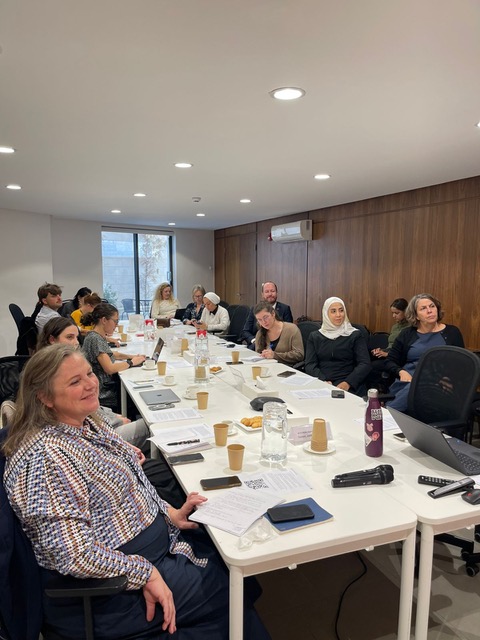
As part of ARDD’s Reclaiming the Future Campaign, and within the framework of the 16 Days of Activism against Gender-Based Violence, the Renaissance Strategic Center (RSC) held a dialogue session on Monday, December 1st, addressing the effects of technology-facilitated gender-based violence (TFGBV) on the civic and democratic participation of young women. Dr. Miriam Abu Samra, Director of the RSC, opened the session by emphasizing the importance of raising awareness about the various forms of violence women face, stressing that the conversation must continue beyond the 16 Days of Activism. Her remarks were followed by the launch of the RSC study titled “The Journey to Silence: How TFGBV Affects the Democratic Participation of Young Women.” The study examines the nature and manifestations of TFGBV, particularly within the Jordanian context, and explores how societal expectations intensify its impact. It identifies two interconnected types of barriers that hinder reporting and response: legislative barriers and sociocultural barriers. Together, these barriers compound the effects of TFGBV, especially for young women who may lack the financial resources or social capital needed to combat such violence. The study sought to answer the question: How does TFGBV affect the democratic participation of young women? Findings reveal that young women often withdraw from online spaces after experiencing harassment, cyberbullying, or blackmail, perceiving digital spaces as hostile and unsafe. Those who were previously outspoken on social issues reported resorting to anonymous accounts and limiting themselves to “apolitical content,” which significantly restricts their civic and democratic engagement. Following the presentation of findings, a panel discussion was held featuring three speakers who shared insights from their respective fields. Carla Ammary, a senior at Al-Mahreq Schools, presented research conducted as part of her curriculum on TFGBV and the lived experiences of digital natives. She explained that for her generation, the boundaries between the digital and physical worlds are blurred, with identities shaped by both local surroundings and global online interactions. Carla highlighted that increased time spent online exposes young people—especially young women—to a continuum of digital violence, exacerbated by both age and gender. Yara Al-Rafie, researcher and project officer at the Jordan Open-Source Association (JOSA), offered a technical perspective. She discussed how algorithms contribute to the marginalization of women online, particularly Arabic-speaking women. She also addressed the limitations of content moderation systems, noting that cultural and linguistic gaps often lead platforms to dismiss reports of harmful content: “Sometimes you report something, and they say it doesn’t violate guidelines—but they don’t know it violates our community guidelines,” she explained. To address this gap, JOSA developed an open-source AI-enabled tool to help researchers detect online gender-based hate speech across various Arabic dialects as well as Kurdish. Finally, Roa’a Abu Nada, a freelance journalist, shared her experiences working on sensitive issues in Jordan. She described the discouragement she faces as a woman pursuing investigative stories and emphasized the power of narratives and language in shaping public perceptions of violence. Phrases like “boys will be boys,” “what was she wearing?” or “why was she online?” normalize violence and shift blame to victims rather than perpetrators. Roa’a concluded by reflecting on the guilt she felt after deleting posts due to external threats, balancing her safety with the desire to ensure her work reached the public.
ARDD Participates in Global Convening on Strategic Fundraising
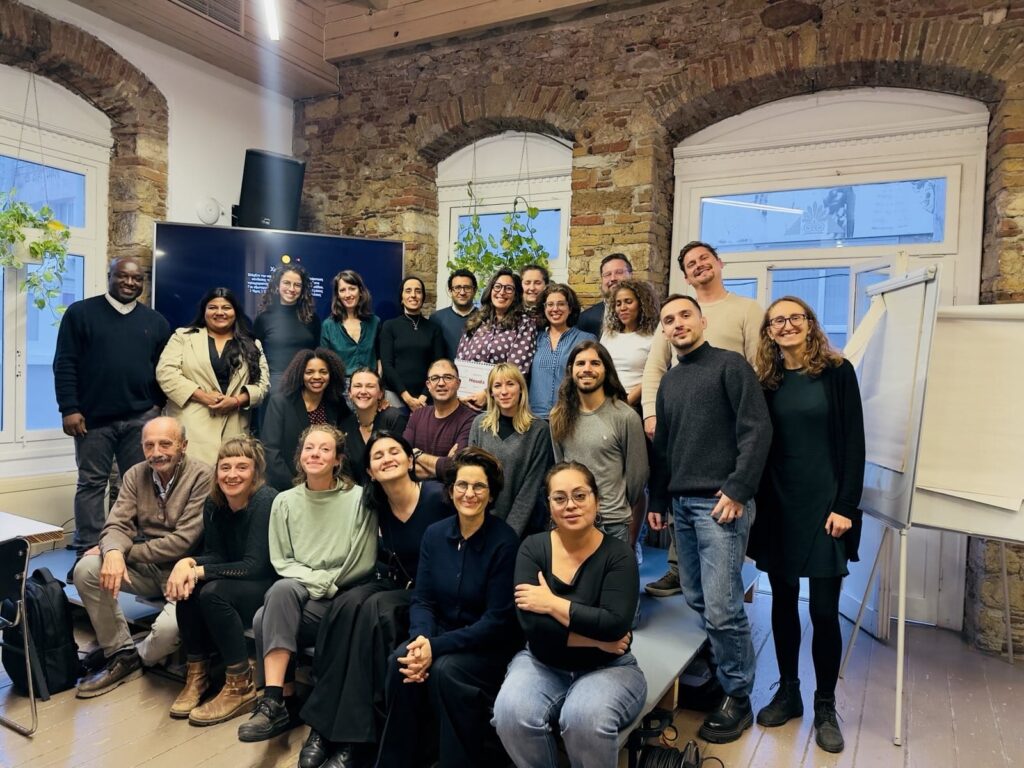
ARDD took part in The Fund for Global Human Rights’ convening, “Strengthening Strategic Fundraising,” held in Greece on December 2–3, 2025, following an official invitation from the Fund. Lobna Al-Khatib, ARDD’s Head of the Administration Department, represented the organization as part of its ongoing efforts to enhance institutional capacity and advance sustainable funding strategies. The convening brought together organizations from various regions to exchange experiences and strengthen strategic fundraising skills. Sessions addressed the evolving funding landscape, donor engagement, compliance requirements, business continuity planning, and approaches for long-term diversification. Reflecting on the experience, Al-Khatib noted: “Strengthening our fundraising strategies is not just about securing resources—it is about ensuring ARDD’s long-term ability to serve communities, uphold rights, and expand our impact across regions.” Through this participation, ARDD reaffirmed its commitment to cross-regional learning, operational excellence, and continuous institutional development.
A Session Exploring the Gaps Facing Women in Green Entrepreneurship
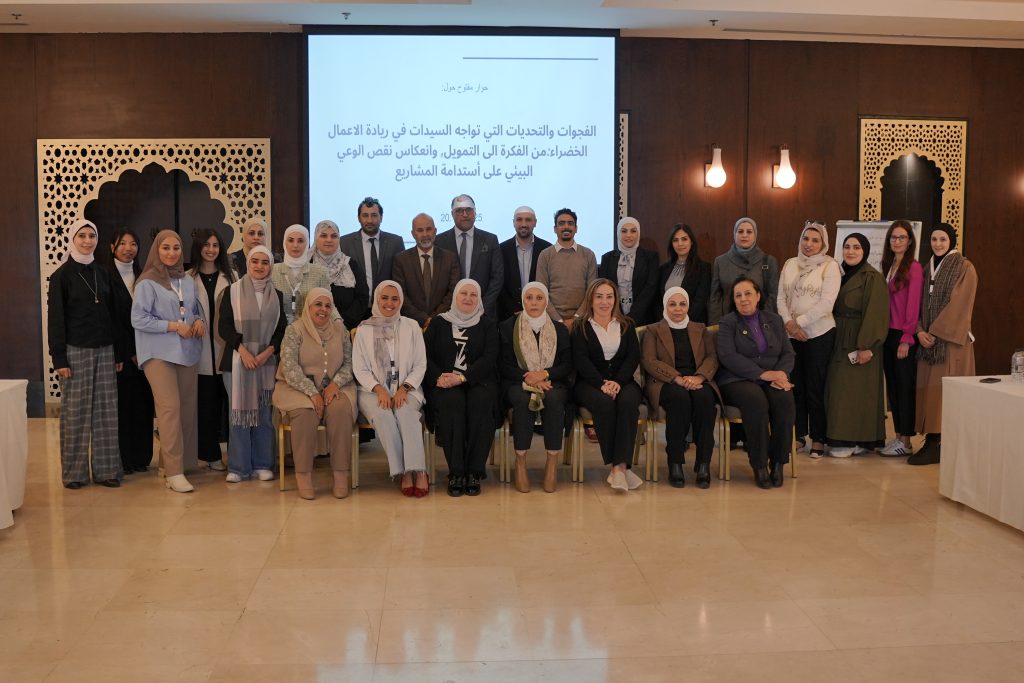
Lawyers Ahmad Akhou Ameira and Mousa Al-Zyoud from the Arab Renaissance for Democracy and Development (ARDD) participated in delivering a presentation on the legal challenges and opportunities surrounding women’s participation in economic development, whether through establishing small and medium enterprises or pursuing available employment opportunities. This took place during a roundtable session held in Amman on 20 November 2025, as part of ARDD’s cooperation with the Movement for Peace – MPDL Jordan, in collaboration with the Be Positive Association, aimed at supporting the economic and social participation of women, youth, persons with disabilities, and refugees within the framework of the green economy. The roundtable session, titled “Gaps and Challenges Facing Women in Green Entrepreneurship: From Idea to Financing, and the Impact of Environmental Awareness on Project Sustainability,” was organized under the project “Enhancing Women’s Effective Participation through a Comprehensive Rights-Based Approach in Jordan,” implemented by Movement for Peace – MPDL Jordan in partnership with a group of local associations. The session brought together representatives from government institutions, civil society organizations, and experts in the field of the green economy. Participants discussed the key challenges hindering women’s entry into the green entrepreneurship ecosystem, starting from idea development and proposal writing, to the difficulty of accessing donors, and finally, to meeting the requirements for sustaining environmental projects. Attendees emphasized that low environmental awareness is one of the most significant barriers to the growth and continuity of women-led projects in this sector. Other obstacles were also highlighted, including the concentration of most projects on recycling without expanding into emerging green sectors; limited knowledge of environmental systems and licensing complexities; the absence of databases for supporting institutions; skills and technical gaps; and high production costs relative to the local market. The Ministry of Environment and the Vocational Training Corporation presented overviews of the support available, including technical consultations, connecting women entrepreneurs with specialized partners, and providing training programs in energy, water, sustainable agriculture, and waste management. They also reviewed the national standards for assessing green projects and the relevant national policies. In conclusion, participants stressed the need to enhance environmental awareness, facilitate access to financing, and develop institutional support pathways to ensure the sustainability of green projects. They also called for fostering creative thinking and building women’s capacities in feasibility studies, marketing, and preparing competitive proposals.