ARDD Participates in the National Forum to Review Refugee Pledges
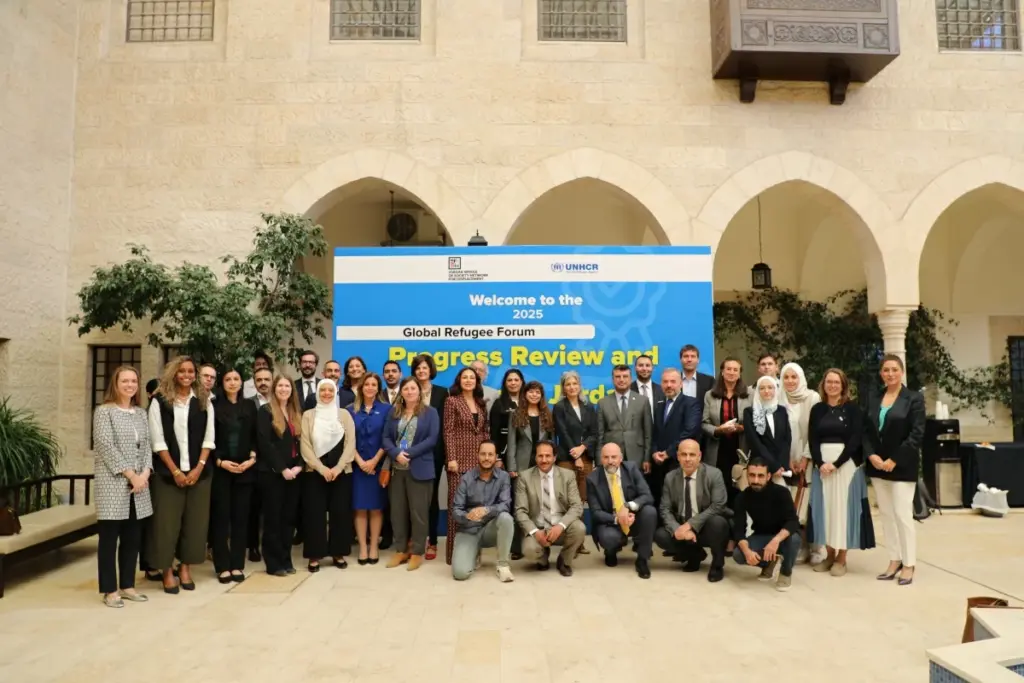
As part of its ongoing commitment to supporting refugees and host communities, the Arab Renaissance for Democracy and Development (ARDD) participated, as a founding member of The Jordan Whole of Society Network for Displacement, in the National Forum to Review Refugee Pledges, held in Amman on Wednesday, October 29, 2025, under the theme: “From Pledges to Meaningful Impact for Refugees and Host Communities.” The event was organized within the framework of the Global Refugee Forum. The forum brought together representatives from the Government of Jordan, international organizations, civil society, the private sector, and the academic community to review progress in implementing Jordan’s pledges towards refugees and to explore ways to develop more sustainable, just, and inclusive responses aligned with the Global Compact on Refugees. Discussions focused on evaluating existing commitments in light of shifting political and funding contexts, expanding partnerships, and promoting innovative, multi-stakeholder solutions in line with the Global Compact on Refugees. During the forum, the Jordan Whole of Society Network for Displacement emphasized the importance of collaborative, participatory approaches among diverse actors, as well as developing partnership-based and multi-level advocacy frameworks to ensure the protection of refugees and the support of host communities alike. It is worth noting that ARDD will also participate in the Global Refugee Forum 2025 progress review sessions, to be held in Geneva in December, through its Legal Advisor, Adv. Rami Qweider, representing the organization. This participation marks an important step in amplifying Jordanian civil society’s voice internationally and contributing to the development of a sustainable framework for responding to refugee situations in Jordan and the region. Since its establishment in 2008, ARDD has continued its efforts through its Protection and Relief Program, providing free, comprehensive legal aid services addressing both prevention and response. Through its programs on migration, forced displacement, asylum, and statelessness across the Arab region, and through the Renaissance Strategic Center, ARDD works to advocate at local, regional, and international levels, addressing the challenges faced by refugees, migrants, internally displaced persons, and stateless individuals by providing platforms for dialogue, education, analysis, communication, and participation on issues affecting these vulnerable groups. For more on the Network
Question of Palestine Program Hosts High-Level Webinar on UNRWA’s 2025 Strategic Assessment
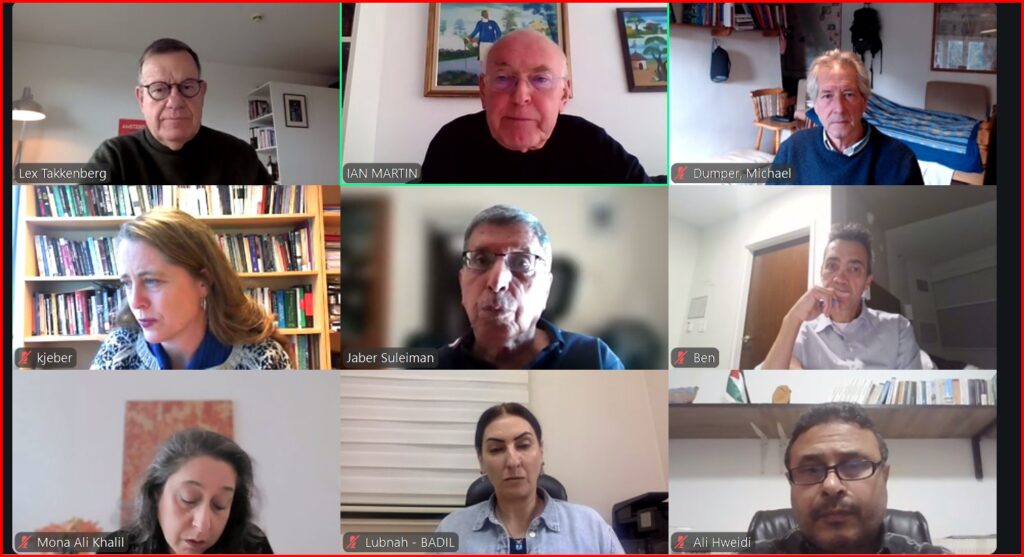
The Question of Palestine Program at the Renaissance Strategic Center (RSC) of the Arab Renaissance for Democracy and Development (ARDD) convened a high-level webinar on the 2025 Strategic Assessment of the United Nations Relief and Works Agency for Palestine Refugees in the Near East (UNRWA) on Monday, 27 October 2025, commissioned by the UN Secretary-General within the framework of UN80. The event examined the findings of the Strategic Assessment and reflected on UNRWA’s role, mandate, and sustainability amid mounting political and financial pressures. The full Strategic Assessment Report can be accessed here, and the Arabic translation of the report, as prepared by ARDD, is available here. The webinar brought together the author of the Strategic Assessment, Ian Martin, along with experts from UNRWA, civil society, and academia, including Ben Majekodunmi (Chief of Staff, UNRWA), Mona Ali Khalil (Founder and CEO, MAK Law International), Lubnah Shomali (Advocacy Manager, BADIL Resource Center for Palestinian Residency and Refugee Rights), Jaber Suleiman (Consultant and Coordinator, Lebanese Palestinian Dialogue Forum; Co-Founder, Aidoun Refugee Rights Center), Mick Dumper (Professor Emeritus in Middle East Politics, University of Exeter), and Kjersti Berg (Associate Professor, NLA University College, Bergen). The discussion was moderated by Lex Takkenberg, Senior Advisor on the Question of Palestine at ARDD. Participants reaffirmed that UNRWA remains an indispensable pillar of the international community’s permanent responsibility toward Palestinian refugees, providing essential services to more than six million refugees and registered persons across its five fields of operation. Despite chronic funding shortages and growing operational constraints, the agency continues to adapt and function under exceptionally difficult conditions. Speakers underscored the urgent need to stabilize UNRWA’s financial situation, framing this not only as a humanitarian necessity but also as a test of the international community’s collective commitment to the rights and dignity of Palestinian refugees. The discussion emphasized that any future approach to UNRWA must remain anchored in international law and the mandates of the UN General Assembly, particularly Resolutions 194 (1948) and 302 (1949), which uphold the rights to return, restitution, and compensation. Participants cautioned against reducing UNRWA to a humanitarian or managerial burden, highlighting instead its role as a custodian of refugee rights and a mechanism through which the UN exercises its enduring responsibility toward the Palestinian people. The importance of enhancing refugee participation and community engagement in shaping the agency’s priorities and reforms was also stressed, ensuring accountability to those served while safeguarding neutrality and independence. While the Strategic Assessment was acknowledged as a constructive and pragmatic contribution, mapping potential future scenarios for UNRWA, participants agreed that these scenarios should be seen as warnings of possible outcomes if the international community fails to act. They cautioned that any scenario involving the agency’s gradual or disorderly collapse would deepen the humanitarian crisis and erode the legal and political framework protecting Palestinian refugees. Participants further rejected proposals to transfer UNRWA’s responsibilities to host states or to narrow its mandate, noting that such approaches would be unfeasible and unjust given the fragile regional context. Instead, consensus emerged around the need to reinforce UNRWA’s institutional resilience, restore predictable international funding, and preserve the international character of its mandate as a UN body entrusted with upholding Palestinian refugee rights. The discussion drew on the BADIL Position Paper “Engineered Collapse”—which deconstructs the four proposed scenarios, examines their implications, and outlines rights-based alternatives for safeguarding UNRWA’s future—as well as Mona Ali Khalil’s Op-Ed in Pass Blue. For additional background on BADIL’s publications, visit its Position Papers page. Participants concluded that while institutional reforms are important, UNRWA’s sustainability ultimately depends on political will and predictable financing. They also raised concerns about the lack of accountability for ongoing violations against UNRWA facilities and personnel, calling for stronger mechanisms to protect UN operations and ensure compliance with international humanitarian law. The event closed with a strong collective message: UNRWA is not collapsing—but it stands at a critical juncture requiring urgent, coordinated action from member states and donors. Governments were urged to translate their political commitments into concrete financial support, particularly in light of the recent ICJ advisory opinion reaffirming states’ legal obligations to sustain the agency’s work. Upcoming Event Monday, 17 November 2025: ARDD’s Question of Palestine Programme and Law for Palestine (L4P) will co-host a hybrid event at ARDD’s premises on the ICJ’s Advisory Opinion on the UNRWA Ban and Israel’s Obligations in the Occupied Palestinian Territory (OPT).
From Hosting to Transition: Navigating the Opportunities and Challenges of Refugee Return
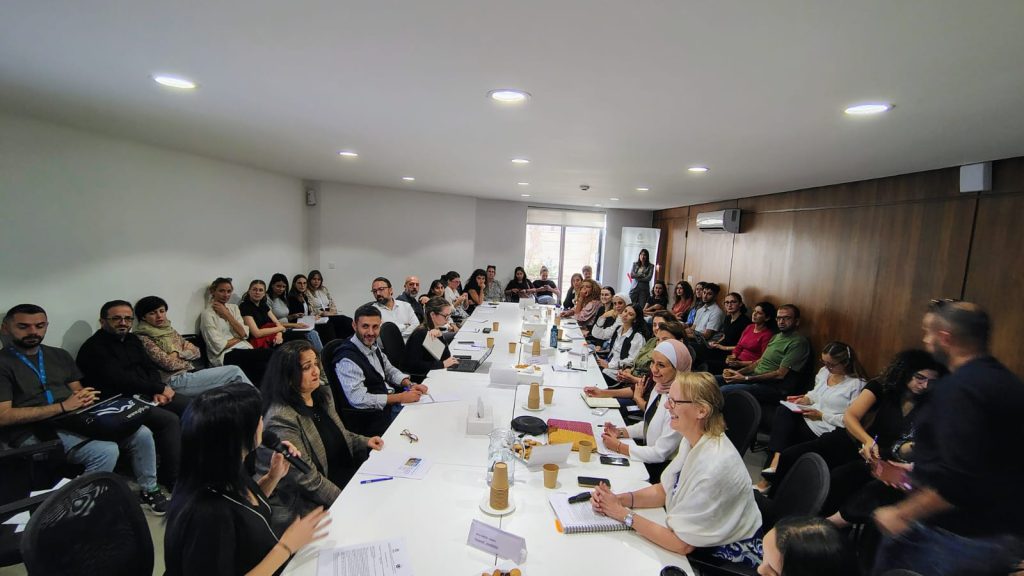
The Renaissance Strategic Center (RSC), the think tank of the Arab Renaissance for Democracy and Development (ARDD), held a dialogue session on 23 October 2025 as part of its Engage & Discuss series, titled “From Hosting to Transition: Navigating the Opportunities and Challenges of Refugee Return.” The discussion examined the evolving realities of Syrian refugee return, its implications for Jordan, and the socioeconomic dynamics shaping this transition. Featuring insights from UNHCR and Expectation State, the session brought together representatives from the diplomatic community, civil society, and international organizations to reflect on the challenges and opportunities facing both refugees and host communities. Opening the discussion, Dr. Mariam Abu Samra, Senior Researcher and Coordinator at RSC, noted that Jordan stands at a pivotal juncture, gradually shifting from a protracted hosting phase toward a transitional stage of return. She emphasized the complexity of this process, which raises critical questions for those considering return as well as for those who remain. Mari Sveen, Senior Durable Solutions Officer and Head of Solutions Unit at UNHCR Jordan, reaffirmed UNHCR’s commitment to voluntary, safe, and informed return. Since December 2024, around 165,000 registered Syrian refugees have returned from Jordan to Syria, mostly from host communities. Key drivers include attachment to home, economic pressures, and family reunification, while barriers remain linked to housing, employment, and safety. Sveen noted that UNHCR continues to support refugees through transportation and cash assistance and by gathering insights through community engagement and perception surveys. Daniela Floridia, Senior Protection Officer and Head of Legal Unit at UNHCR Jordan, provided a perspective on protection frameworks in Jordan, also in view of the current regional dynamics. As of 2025, Jordan hosts approximately 488,000 registered refugees, 91.6% of whom are Syrians. She highlighted Jordan’s continued adherence to international protection standards, progress in civil documentation, and expansion of legal aid. A 2024 UNHCR study further reflected strong social cohesion, with 96% of Jordanians holding a positive view of refugees. From the private sector perspective, Raya Rousan, Partner and Jordan Country Director at Expectation State, discussed the economic dimensions of return. She highlighted that Jordan’s shift from hosting to transition brings both risks, such as labor shortages and reduced market consumption, and opportunities, including resource reallocation, regional economic cooperation, and potential diaspora engagement. Rousan called for a national framework to guide the transition, enhance data systems, and ensure inclusive participation for both refugees and host communities. The discussion concluded that Jordan’s transition from hosting to facilitating return requires a balanced approach, integrating humanitarian, legal, and economic perspectives. Achieving sustainable outcomes will depend on multi-sectoral coordination, continued international engagement, and a shared commitment to ensuring that refugee returns remain voluntary, safe, and dignified.
Achievements Harvest: “New Generation” Celebrates Active Youth Civic and Political Participation
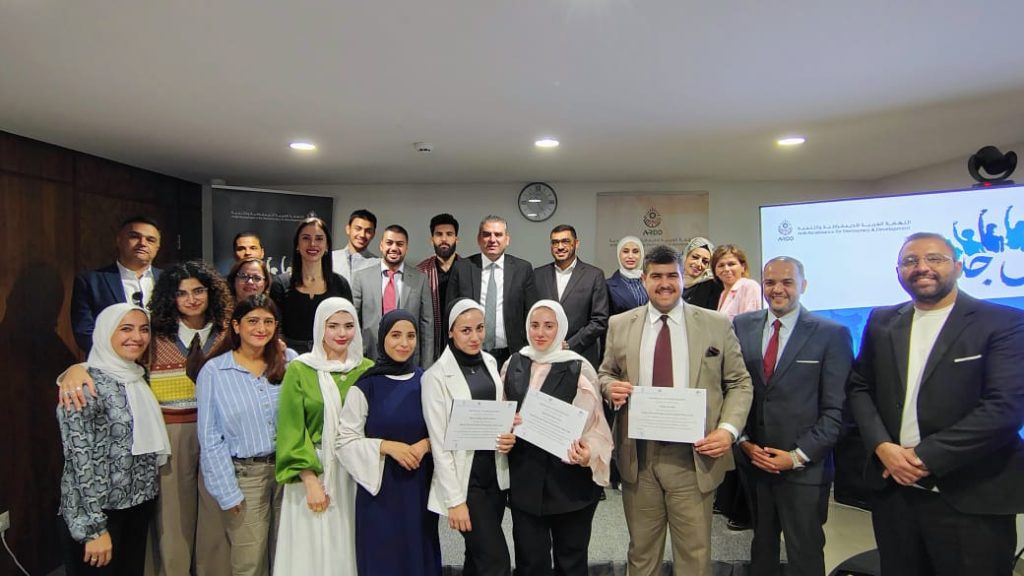
“I learned through New Generation that participation is not a slogan but a practice, and that change begins with a step we believe in and lead ourselves.” With these words, young participants in the New Generation project expressed their pride in what they achieved over five years of joint work (2021–2025), which included training programs, policy labs, and community initiatives across various governorates The closing event crowned this journey by showcasing key achievements and honoring participants for their efforts in promoting civic and political awareness. Throughout the project, participants contributed to preparing 11 policy briefs and 3 reports addressing the role of youth and women in driving change, recommending the integration of civic education into curricula, updating laws to guarantee freedom of expression, encouraging political participation, and providing safe spaces for dialogue and initiative. In this context, the Arab Renaissance for Democracy and Development (ARDD) concluded the project’s activities with a final event entitled “Achievements Harvest: Active Youth Civic and Political Participation” on Tuesday, October 21, 2025. During the gathering, participants reflected on milestones, lessons learned, and success stories. Engineer Malak Suleiman, Project Manager of New Generation at ARDD, expressed her pride in the participants’ genuine success stories, stating:|”New Generation -GenG was not just a training project but a real space for change. It offered young people and women the opportunity to develop their leadership and civic and political participation skills and to transform their ideas into tangible, impactful initiatives.” The event was attended by several parliamentarians, partners, and representatives of youth institutions, including members of the network of youth organizations that collaborated on the project. MP Dr. Abdul Halim Ananbeh, Deputy Chair of the Parliamentary Committee on Youth, Sports, and Culture, emphasized:The youth-led initiatives we see today reflect an advanced level of civic and political awareness. They prove that young people are not only the cornerstone of the future but also real partners in the present and active decision-makers in their communities.” MP Dr. Hamzeh Al-Hawamdeh, Chair of the Parliamentary Committee on Environment and Climate, praised the environmental efforts emerging from the project, saying:”We need initiatives like these that combine empowerment and advocacy, linking youth to climate and environmental issues as national priorities. Investing in young people’s environmental awareness is an investment in Jordan’s sustainable future.” Among the participants who shared their experiences was lawyer Haneen Barakat, one of the participants in the policy lab. She described the experience as a turning point in her understanding of the legal role in shaping public policy:”We learned how to turn legal knowledge into tools for change and how to raise our voices systematically and effectively in support of our communities.” Mousa Al-Awaisheh, another participant in the policy lab, highlighted the project’s impact on building youth confidence in the power of civic engagement, noting that the resulting initiatives “were not temporary activities but seeds of real and sustainable change.” As part of knowledge exchange, a panel discussion titled “Success Stories of New Generation Initiatives in Environmental Development and Youth Empowerment” was held, moderated by lawyer Obada Al-Wardat, a policy lab participant. The session featured representatives of youth organizations that received ARDD grants to implement local initiatives in environmental development and youth empowerment. One of these initiatives, “Ardd and Shabab”, was implemented by Kidzos across four governorates — Amman, Irbid, Jerash, and Ajloun — to enhance the civic and political participation of youth and women and enable them to lead environmental and social initiatives that create a lasting positive impact in their communities. Amal Al-Ghawanmeh, President of Ard Al-Sindyan Association, presented her initiative “Eco Media”, explaining that the project “aims to build the capacities of Jordanian journalists in the field of climate change and strengthen the role of media in raising environmental awareness and highlighting climate issues in Jordan.” Meanwhile, Hashem Al-Masarweh, Executive Director of Shabab 42 Foundation, discussed his initiative “Environment Meter“, which promotes civic and political participation among youth and women in Madaba and Theiban. He stated:”Environment Meter was designed to foster institutional and community change by creating direct dialogue channels between local communities, civil society organizations, and official entities — helping to build mutual trust and strengthen local governance.” In conclusion, participants stressed the importance of continuing to support youth initiatives and expanding opportunities for training and participation, reaffirming that investing in young people remains the surest path toward a fairer and more sustainable future.
ARDD’s Legal Aid Response Amid Evolving Syrian Crisis Dynamics January – June 2025 Update
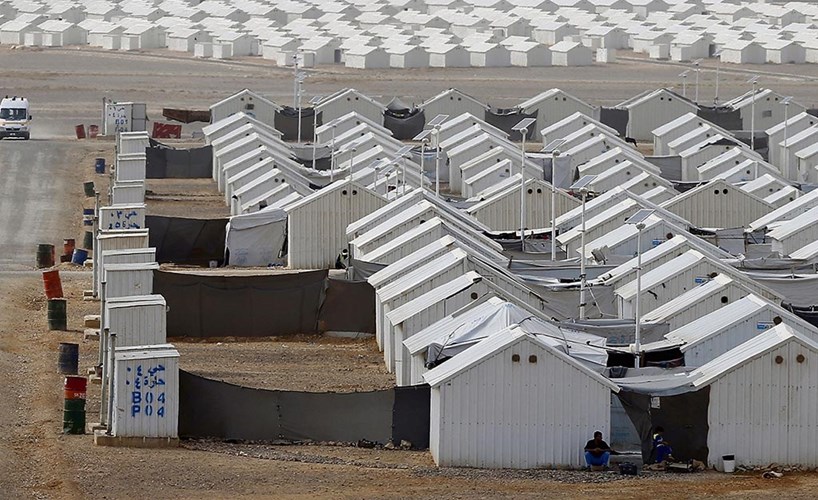
Introduction As the Syrian crisis enters a pivotal new phase, marked by discussions around return, the Arab Renaissance for Democracy and Development (ARDD) continues to play a critical role in providing legal aid to Syrian refugees in Jordan and beyond. Through its Legal Aid Department and 24/7 Emergency Hotline, ARDD offers timely, trusted, and accessible legal support in an environment increasingly shaped by uncertainty, misinformation, and renewed risks of exploitation. This period has seen heightened levels of confusion and legal vulnerability reminiscent of the early years of the crisis. In response, ARDD is reinforcing its position as a reliable legal reference for Syrian refugees, drawing on a deep, continuous analysis of legal developments and trends, both locally and regionally. This includes the daily monitoring of formal communications and decisions issued by Jordanian and Syrian authorities, especially those impacting refugees’ legal status and return prospects. Advocacy and Coordination Legal Aid Recognized as Lifesaving Assistance During the recent UNHCR-led humanitarian sector prioritization exercise, prompted by the U.S. foreign aid cuts, legal aid was classified as a “Lifesaving Assistance” service. This recognition supports advocacy efforts to maintain legal aid as a priority within the refugee response and reaffirms ARDD’s ongoing partnership with UNHCR during this protracted crisis. Collaborative Closure of the Emirati Jordanian Camp (EJC) In response to the closure of the EJC, ARDD worked closely with UNHCR and humanitarian partners to ensure Syrians departing the camp received legal awareness sessions and individual counseling, regardless of whether they were returning to Syria or being relocated to Azraq Camp. ARDD’s legal teams were present daily at both camps, with continuous follow-up through our two field offices in Azraq. Scaling Up Legal Services in 2025 Between January and June 2025, ARDD significantly expanded its legal services to respond to rising demand, especially related to voluntary return. Key highlights include: Scaling Up Legal Services in 2025 · Proactively monitoring fraud trends and misinformation · Disseminating timely legal updates in coordination with UNHCR · Reconnecting with Syrian Lawyers Initiative (SLI) to rebuild a network inside Syria Proactively monitoring fraud trends and misinformation is similar to the patterns seen in the early crisis years. While the nature of rumors may echo the past, today’s refugees are more legally aware and consistently turn to ARDD as a trusted source. Coordination with UNHCR to disseminate timely and verified legal updates via FAQs, legal awareness sessions, and social media campaigns. Ongoing collaboration with Syrian and Jordanian authorities to validate information related to legal procedures and documentation. ARDD’s hotline has begun receiving calls from returnees inside Syria, indicating a growing cross-border demand for legal support. In coordination with UNHCR in both Jordan and Syria, ARDD continues to respond to these requests with verified legal advice. Reviving the Syrian Lawyers Initiative (SLI): ARDD is reconnecting with Syrian lawyers who were part of the 2014–2016 SLI to begin rebuilding a legal aid network inside Syria. A new legal needs assessment inside Syria is underway and will be published by July 2025 to mark World Refugee Day. In parallel, ARDD will be publishing analytical reports on the state of legal aid in Jordan as part of its ongoing advocacy efforts under the Renaissance Strategic Center (RSC), ARDD’s think tank arm. Key Legal Issues Addressed by ARDD (Jan–Jun 2025) Legal Questions Related to Return to Syria Key Legal Issues Addressed (Jan-Jun 2025) Related to returning to Syria · Minor exit permission · Travel bans and warrants · Financial claims and debts · Documentation and logistics Within Jordan · Landlord-tenant disputes · Family law claims · Financial claims · Criminal cases · Employment, detention and deportation From Syrians abroad · Entry procedures · Legal status checks · Issuing documentation · Syrian Embassy services · Registration with UNHCR and other services · Onward travel options For both urban-based and camp-based Syrian refugees: Obtaining exit permissions for minors Checking for travel bans, arrest warrants, or pending legal claims Addressing financial claims from hospitals or public institutions Settling personal debts that may prevent border crossing Preparing and legalizing essential documents Guidance on logistics and legal protocols related to voluntary return Legal Challenges Within Jordan Landlord–tenant disputes Financial claims, including those from hospitals or universities Family law cases: custody, marriage, divorce, alimony Juvenile and adult criminal cases Employment law: work permits and social security entitlements Administrative detention and deportation defense Clarification on UNHCR and partner assistance programs Inquiries from Syrians Residing Abroad Entry procedures for previously deported individuals Legal status verification prior to re-entry Reissuance and legalization of documents Services offered by the Syrian Embassy in Jordan Re-registration with UNHCR and access to humanitarian aid Legal options for onward travel, resettlement, and immigration Conclusion In this crucial moment of transition, ARDD remains deeply committed to empowering Syrian refugees with accurate legal information and tailored legal support. Whether navigating return, remaining in Jordan, or seeking assistance from abroad, refugees continue to rely on ARDD’s legal expertise to protect their rights, avoid exploitation, and make informed decisions. By combining frontline legal aid with strategic advocacy, ARDD ensures that legal protection is not just a service, but a pathway to dignity, stability, and justice.
From Local Prospects to National Policies: A Workshop Explores the Challenges and Solutions of Licensing Small and Medium Enterprises in Jordan
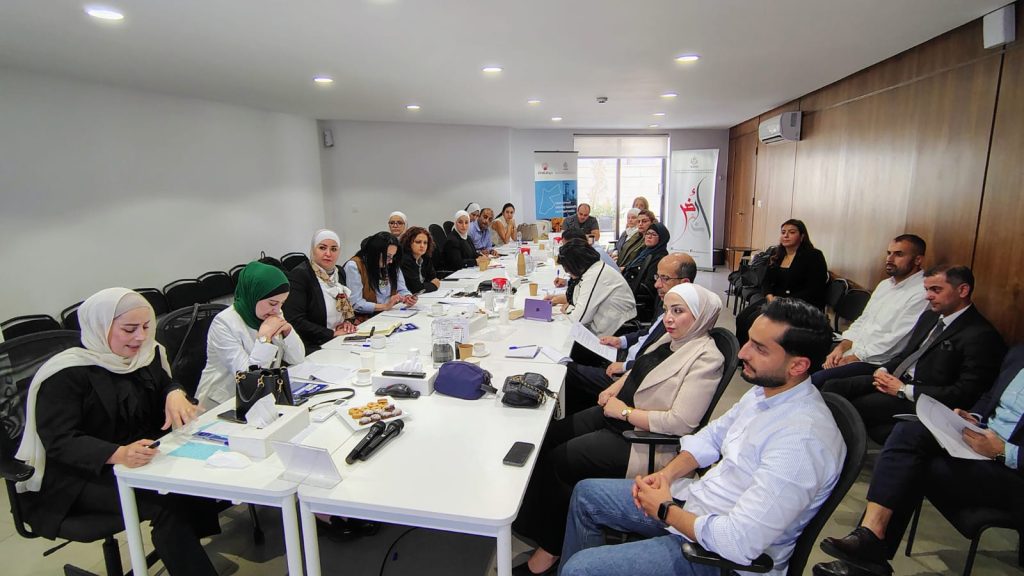
While small and medium enterprises (SMEs) represent the backbone of both national and global economies, entrepreneurial projects play a central role in driving economic growth and sustainable development. They also contribute to combating poverty and unemployment, creating job opportunities for women, youth, and low-skilled individuals, in addition to boosting GDP and supporting exports. In Jordan, SMEs make up about 98% of all companies, reflecting their importance within the national economic structure and their pivotal role in economic empowerment, as they contribute nearly 50% to Jordan’s GDP and provide around 60% of job opportunities. In this context, the Arab Renaissance for Democracy and Development (ARDD), in cooperation with the Jordan National NGO Forum (JONAF), held on Monday, October 10, 2025, a workshop titled “From Local Prospects to National Policies: Unifying Findings on the Challenges and Solutions of Licensing Small and Medium Enterprises,” as part of the project “Future Forward: Unlocking Sustainable Local Opportunities.” This workshop builds on a series of regional dialogue sessions previously held by ARDD and JONAF in Irbid and Aqaba, aiming to develop a comprehensive national vision grounded in local community experiences in the fields of entrepreneurship and small business. The workshop sought to examine the legal, administrative, and financial challenges facing SMEs at the national level and to agree on unified policy recommendations that would contribute to formulating a set of immediate and long-term policy actions concerning the licensing of these enterprises. It also aimed to influence national and local policies by highlighting successful local models that can serve as foundations for sustainable development. Lina Halsa, Project Manager of “Future Forward” at ARDD, emphasized that the workshop comes as part of ongoing efforts to enhance the local business environment and empower small, medium, and micro-entrepreneurs, as they are the main drivers of economic and social development in Jordan. These efforts align with the Economic Modernization Vision 2030, which seeks to empower the private sector and promote inclusive growth by supporting entrepreneurship and SMEs as key pillars of the national economy. The workshop’s goals are consistent with the vision’s pillars, particularly in the areas of investment, entrepreneurship, and the empowerment of women and youth. It seeks to translate local challenges into actionable and practical recommendations that contribute to developing a more inclusive and sustainable business environment. In doing so, the workshop serves as a practical example of the “bottom-up” approach that links community-level experiences to national economic policies, thereby amplifying the impact of empowerment and sustainable development programs in Jordan. Discussions during the workshop focused on key areas such as raising legal awareness and building the capacities of entrepreneurs, harmonizing definitions and classifications of business types across government entities and support institutions, coordinating efforts among ministries and civil society organizations, and strengthening partnerships with the private sector within the framework of corporate social responsibility to support entrepreneurial, small, and medium projects. The roundtable discussion, moderated by Rami Quwider, Legal Advisor at ARDD, brought together representatives from government bodies, civil society organizations, and JONAF members from various governorates to exchange experiences and discuss the on-the-ground challenges faced by entrepreneurs in the licensing process. Participants from JONAF working groups in the northern and southern regions presented some of the most pressing issues facing small, medium, and micro-enterprises. Among the main concerns raised were the need for continuous updates to legislation governing business licenses and related regulations to better reflect the nature of small businesses, digital services, and social initiatives. Participants also noted that the current system limits flexibility and growth potential due to the complexity of procedures, the multiplicity of entities involved in licensing, and the absence of a “one-stop-shop” in most governorates, which hinders efficiency and ease of obtaining licenses. They further highlighted the high cost of licensing relative to the limited income of small or home-based businesses, the inconsistency of fees across governorates, and the lack of fair pricing for community-based projects. Another challenge identified was the low level of legal and procedural awareness among entrepreneurs and the absence of sustainable awareness programs that explain the legal and economic benefits of licensing. In her remarks, former MP Mayyada Shreim noted that this workshop was “one of the most organized and insightful discussions I have attended,” affirming her support for advancing the recommendations to policymakers—especially within the legislative, entrepreneurship, and economic committees—to ensure their adoption and implementation. Participants emphasized the importance of developing an integrated national system to facilitate licensing and ensure the sustainability of SMEs, viewing them as key drivers of economic growth and youth and women’s entrepreneurship. They called for enhanced coordination between JONAF and relevant authorities to strengthen the legislative framework for entrepreneurs. They also stressed the need to simplify procedures through a unified electronic platform and to enhance public–private partnerships to finance projects within corporate social responsibility programs. The workshop concluded with recommendations for introducing tax incentives and exemptions for new projects, establishing financing and mentorship programs for emerging entrepreneurs, and designing development initiatives tailored to local community needs to ensure long-term sustainability.
From Inside Juvenile Education and Rehabilitation Centers… The Law as They’ve Never Known It Before!
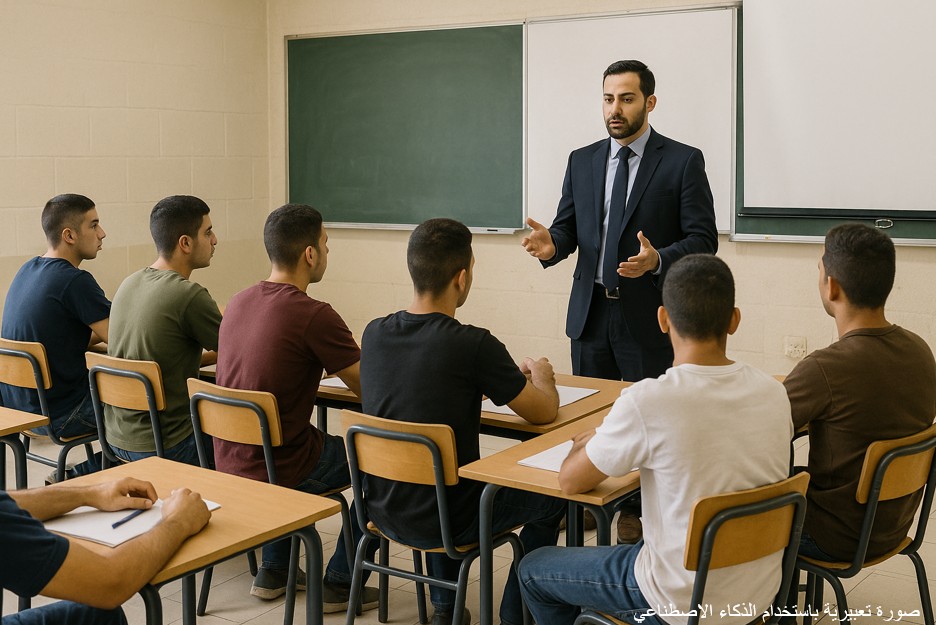
In a world where social challenges continue to evolve rapidly, investing in legal awareness — especially among young people — is emerging as one of the most important pillars of protection and prevention. Inside juvenile care, rehabilitation, and education centers across the Kingdom, innovative sessions are being held that bring together law and humanity, opening new doors of understanding and opportunity for youth. Through monthly legal awareness sessions led by the Arab Renaissance for Democracy and Development (ARDD) via its Legal Aid Department, and in cooperation with the Juvenile and Protection Directorate at the Ministry of Social Development, the discussion around “the law” is being transformed — shifting from a notion of punishment to a concept of reform, and from a language of fear to one of understanding and empowerment. This experience shows that the road to justice begins with knowledge and that protecting the future of young people starts with enabling them to understand their rights and responsibilities, and to realize that the law exists to protect them, not to exclude them. Launched in September 2024 and running until June 2026, with the possibility of extension, this initiative is part of the implementation of the National Strategy for Combating Drugs. It reflects the integration of governmental and civil society efforts aimed at equipping and empowering juveniles with legal knowledge — particularly about the dangers of drugs and other relevant legal issues such as cybercrime, theft, and assault. The initiative also seeks to reduce repeat offenses and support young people in understanding their rights and duties in ways that help them reintegrate into society. Strong Engagement and a Desire for Change ARDD lawyers involved in these sessions report that the level of engagement from the juveniles has been remarkable — especially regarding questions about legal procedures, their rights during detention, and the roles of courts and public prosecutors. Many participants showed a genuine interest in understanding how to correct their legal status and how to avoid engaging again in risky behaviors such as drug use, cybercrime, or theft. “Direct dialogue with juveniles revealed a strong desire for change,” the lawyers emphasize, “especially when they understand that the law is not merely a punishment but a means of protection and a chance to reintegrate into society.” Lawyers’ Insights and Experiences Across Governorates Lawyer Ahmad Akhou Ameira, who led sessions at the Juvenile Education and Rehabilitation Institutions in Amman, explains: “Last year, we focused on the Anti-Narcotics Law and preventive measures, discussing with juveniles the legal consequences of drug use, possession, or trafficking. This year, we added other legal topics, including theft, the Penal Code, and assault. It was remarkable to see participants realize that understanding the law can help them avoid mistakes before they occur.” In Irbid’s Juvenile Education and Rehabilitation Institutions , lawyer Ahmad Abdulrahman addressed a variety of topics, including robbery, cybercrimes, and drugs. He notes: “The juveniles’ interest was significant, especially regarding legal procedures. Many believed that a trial was the end of the road, but they were surprised to learn that the law offers them opportunities for reform and rehabilitation if they follow the right path.” At the Girls’ Juvenile Education and Rehabilitation Institution in Rusaifa, lawyer Hanadi Hatamleh highlights the importance of human connection before legal instruction: “Most girls need someone to listen to them before guiding them. During the sessions, we simplify legal concepts in a language they can relate to, showing them that the law is not a barrier but a tool that protects them from exploitation or involvement in dangerous behaviors.” Lawyer Rakan Qasem, who oversees sessions in other Juvenile Education and Rehabilitation Institutions in Irbid, adds: “Working with juveniles requires patience and skill in building trust. We don’t deliver traditional lectures; instead, we engage them with real-life scenarios they’ve experienced and connect the law to their everyday lives. This approach makes the sessions more impactful and sustainable.” From Zarqa, lawyer Murad Al-Faqih explains: “My colleagues and I conduct awareness workshops in several centers, including the Osama Bin Zaid Juvenile Education and Rehabilitation Institution for male juveniles in Rusaifa, Girls’ Juvenile Education and Rehabilitation Institution in Rusaifa, Zarqa Governorate , and the Behavior Modification and Child Rehabilitation Center in Birin. We always observe that legal awareness equips young people with tools to protect themselves and understand their rights. Many participants even request advice after the sessions to help their friends or siblings — showing that the impact of these sessions extends far beyond the walls of the centers.” Guidance and Support for Staff and Families These sessions are not limited to detained or convicted juveniles but also include tailored legal advice and guidance for center staff. These consultations provide staff with essential legal information on handling sensitive cases and effective coordination with families, courts, and law enforcement agencies. According to center administrators, these consultations have enhanced legal awareness among staff and improved case management practices, positively influencing the care environment within the institutions. Additionally, lawyers provide legal assistance to the families of detained and convicted juveniles, helping them understand and follow the necessary legal procedures. Broad Cooperation and Expanding Social Impact These sessions are delivered in multiple centers in Amman, Zarqa, and Irbid and are characterized by strong participation and close cooperation between center administrations and participating lawyers. Administrators have expressed appreciation for this collaboration, which helps build a legal culture that respects the dignity of juveniles and ensures them a second chance. Moreover, the impact of these sessions extends beyond the centers themselves — reaching families and communities by raising parents’ awareness of their children’s rights and providing legal guidance that supports their children’s legal and social situations. This contributes to behavior correction and facilitates reintegration into society. It also highlights the shared responsibility of families, communities, educational institutions, government bodies, and civil society organizations to protect juveniles from delinquency through awareness, care, and early intervention before crimes occur. In conclusion, this initiative represents a significant step toward strengthening restorative justice in Jordan — a system based on understanding and rehabilitation
Annual Meeting of the Youth Organizations Coordination 2025: Strengthening Collective Action and Building Partnerships for Effective Youth Participation
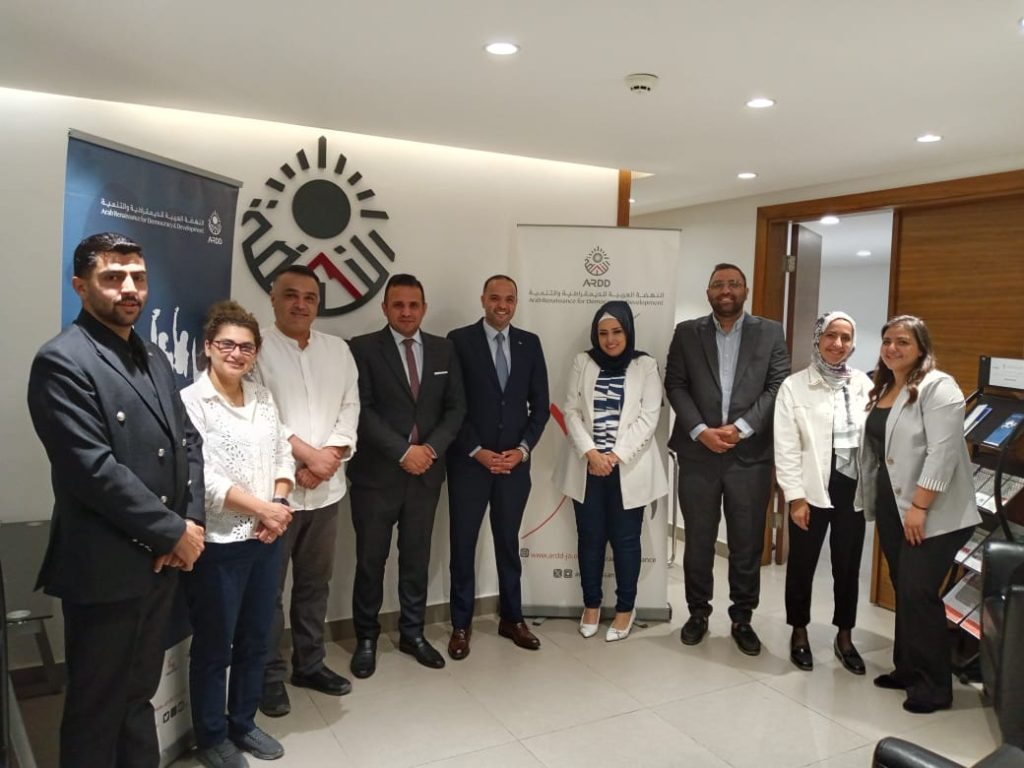
As part of national efforts to empower youth and expand their political and civic engagement, the Arab Renaissance for Democracy and Development (ARDD) held the Annual Meeting of the Youth Organizations Coordination 2025 on Wednesday, 15 October 2025, with the participation of several community initiatives and youth-focused organizations from across the Kingdom. The meeting, held under the framework of the “New Generation – GenG” project, aimed to deepen collaboration among youth organizations and provide a space for networking and exchanging experiences and knowledge. This contributes to creating a more enabling environment for young people and motivating them to work collectively to bring about positive and sustainable change in their communities. Malak Suleiman, Project Manager at ARDD, highlighted that the annual meeting represents an important milestone for assessing the progress of youth engagement efforts and exploring ways to sustain the impact of the “New Generation” project. She noted that the main objective is to strengthen partnerships between youth organizations and build collaborative networks that continue beyond the project’s duration, enhancing young people’s skills in leadership, advocacy, and influencing public policy. Suleiman added that the Youth Organizations Coordination seeks to serve as a comprehensive platform for sharing knowledge and experiences, promoting participatory learning, and exchanging institutional capacities, thereby strengthening the presence of youth organizations on the national level. She also expressed her hope that more organizations will join the Jordan National NGO Forum (JONAF), expanding the scope of collective impact on development and rights-related issues concerning youth. During the meeting, participants presented their organizations’ experiences in community and youth work and discussed the challenges they face in areas such as funding, sustainability of initiatives, and weak coordination among actors working with youth. They emphasized the importance of developing sustainable communication mechanisms that enable cooperation and resource sharing. Participants also stressed that the upcoming phase requires greater integration between local and national initiatives and stronger linkages between youth and governmental plans and policies related to economic empowerment and civic participation. This alignment would ensure that efforts are in harmony with national strategies aimed at expanding youth participation in public life. In conclusion, participants put forward several recommendations to enhance the sustainability and broaden the impact of youth work. These included: establishing a shared digital platform for exchanging expertise and resources among youth organizations; strengthening partnerships between civil society, public, and private sectors to support sustainable youth initiatives; developing training programs focused on building youth leadership capacities and equipping them with advocacy and policy influence tools; and activating the role of the coordination platform as a national umbrella to align efforts and support collaboration among youth organizations. They also emphasized the importance of integrating youth into national alliances, particularly JONAF, to unify efforts in advocating for justice, equality, and sustainable development. Through this annual meeting, the Youth Organizations Coordination reaffirms ARDD’s and its partners’ commitment to amplifying youth voices and enabling them to lead change toward a more just and inclusive future.
Tawasol Initiative Empowers Women-Led CBOs in Southern Jordan through Comprehensive Capacity-Building Program
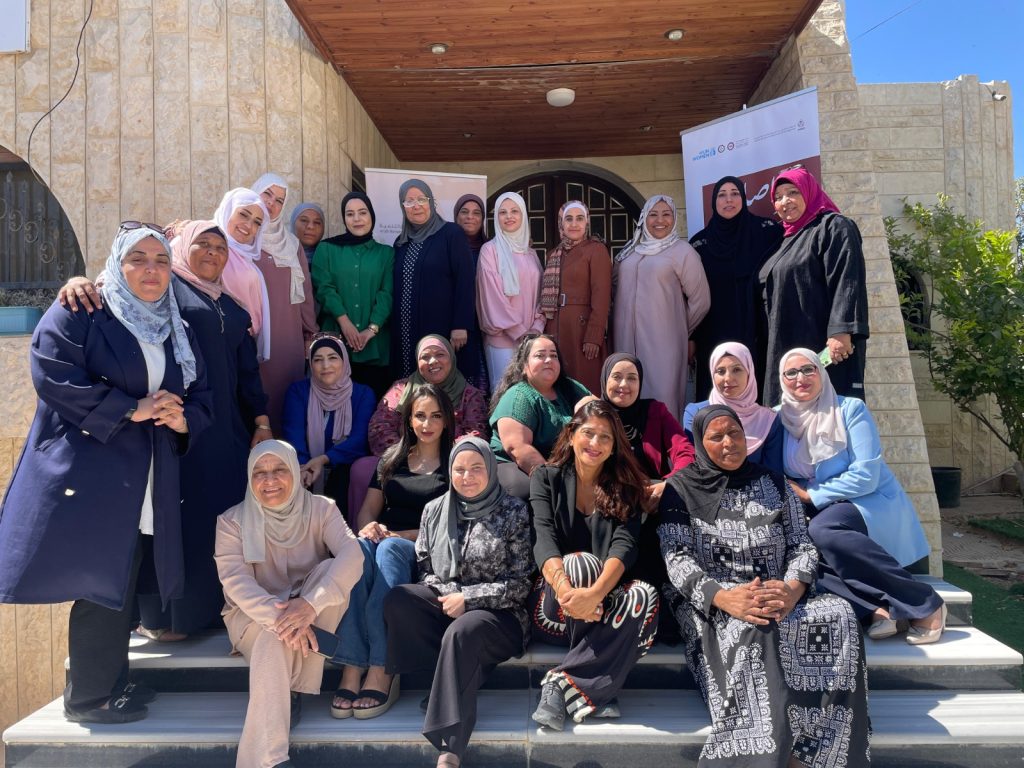
The Arab Renaissance for Democracy and Development (ARDD), in partnership with UN Women, has successfully concluded a three-month capacity enhancement program under the Tawasol Initiative: Strengthening Crisis Management under the Women, Peace and Security (WPS) Agenda in the South, held between August and October 2025. Titled “Amplifying Community Impact through Localized Implementation of UNSCR 1325 for Sustainable Growth,” the training program brought together representatives from 20 women- and youth-led community-based organizations (CBOs), including those working with persons with disabilities (PWDs) across southern Jordan. The training enhanced participants’ skills in crisis management, social cohesion, and peacebuilding, supporting their leadership roles in community response and resilience. “Through a phased approach, starting with institutional strengthening, advancing to leadership and networking, and culminating in advanced technical training, we built a foundation where women-led CBOs can better lead the change through impactful strategies, ensuring crisis response and peacebuilding are driven by those who know their communities best: women at the heart of change” said Zainab Al Khalil, Program Manager at ARDD. Empowering Women in Crisis Contexts Women-led organizations continue to play a crucial role in addressing social, economic, and environmental challenges in southern Jordan. The training program sought to equip women leaders with the tools, knowledge, and confidence to lead local crisis responses, promote inclusive decision-making, and advocate for gender-responsive recovery policies. The interactive and experience-based learning methodologies ensured relevance and inclusion, with accessibility measures in place to allow the participation of persons with disabilities. “The training came at exactly the right time for women leaders who need this kind of knowledge, especially the final module on the Women, Peace and Security agenda,” said Maha Obeidin from Tafileh Women’s Charity Association. “At a time when local organizations are facing growing social and economic pressures, the sessions provided the practical tools and confidence needed to respond effectively and promote women’s participation in peacebuilding. These topics are not often explored in depth among women leaders in the South.” Participants described the program as transformative, practical, and deeply relevant to their community contexts. “The training was very useful because it was realistic, interactive, and focused on quality rather than quantity,” said Dr. Alia Odeh Nassar Abuhilal from Farha Women’s Charity Association – Aqaba. “The facilitator’s storytelling approach made complex ideas accessible and engaging.” “The first training changed me completely. I entered as one person and left as another,” said Zeina Al-Dughaymat from Ghor Al-Haditha Women’s Charity Association – Southern Ghor. “It taught me how to evaluate my organization and think outside the box. I learned that nothing is impossible—I am the decision-maker.” Localizing the Women, Peace and Security Agenda The initiative is part of ARDD and UN Women’s ongoing collaboration to implement the Jordanian National Action Plan (JONAP) for UNSCR 1325, emphasizing the localization of the WPS agenda and the centrality of women’s leadership in peacebuilding and crisis management. “By strengthening the institutional foundations and leadership of women-led CBOs, we are ensuring that crisis response and peacebuilding are driven by those who understand their communities best—women at the heart of change,” added Al Khalil. About the Tawasol Initiative or Network Tawasol is a platform of women-led and youth-led community-based organizations, including those working with persons with disabilities (PWDs, working across Jordan’s southern governorates to enhance crisis management, social cohesion, and women’s leadership. Through collaboration, advocacy, and capacity building, Tawasol advances the localization of the Women, Peace and Security agenda and promotes inclusive, community-driven development.
ARDD Strengthens Its Team’s Capacities for Greater Sustainability and Broader Impact
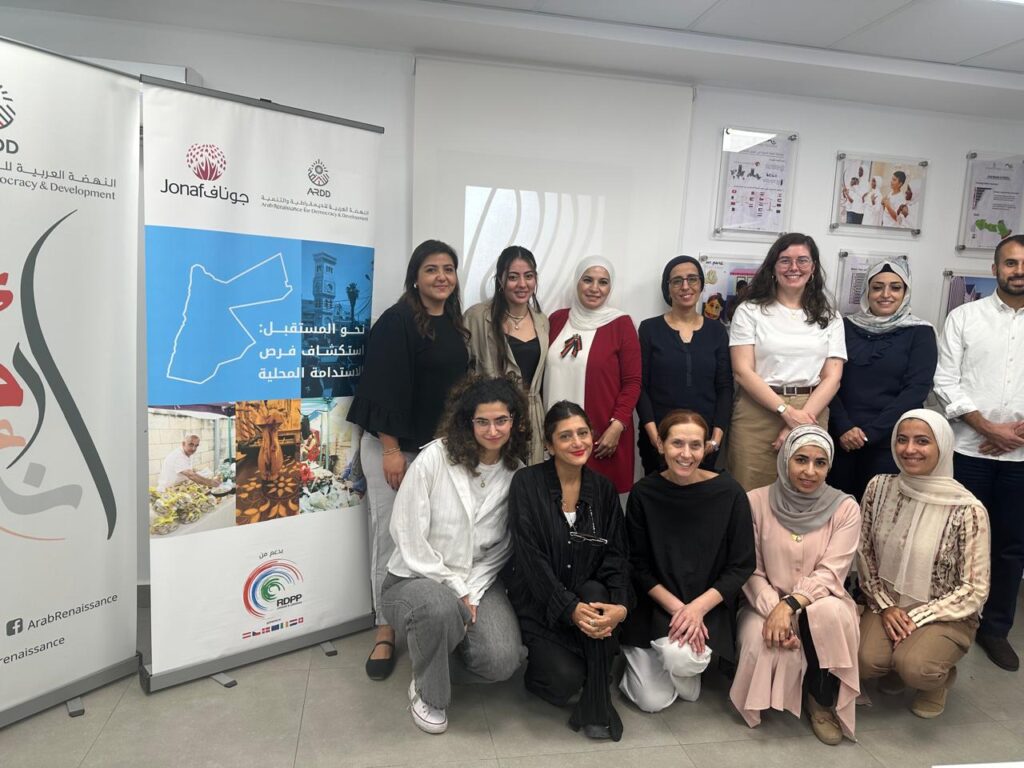
As part of its ongoing efforts to enhance institutional efficiency and ensure the sustainability of its programs and initiatives, and within its continued commitment to capacity building, the Arab Renaissance for Democracy and Development (ARDD) conducted a four-day specialized training for its team on resource mobilization, management, and fundraising. The training aimed to develop the team’s skills in designing innovative funding strategies and expanding the organization’s resource base, thereby strengthening the sustainability of ARDD’s work and amplifying its societal impact — in line with its vision of supporting the localization of humanitarian and development efforts and building a more sustainable and inclusive system. This training was part of ARDD’s broader approach to investing in the development of its staff’s capacities. It was specifically tailored to meet the organization’s needs and future strategy, focusing on equipping the team with practical tools and effective methods for developing partnerships, diversifying funding sources, and improving financial planning for projects. The training also provided a valuable opportunity for team members to align their understanding and vision regarding resource mobilization and fundraising methodologies, strengthening integrated teamwork within the organization and enabling ARDD to achieve higher levels of efficiency and effectiveness in implementing its programs and initiatives. It is worth noting that this training was held within the framework of the project “Furture Forward: Unlocking Local Sustainabe Opportunities,” funded by the Regional Development and Protection Programme (RDPP). The project aims to support and build the capacities of local civil society organizations in advocacy, livelihoods, and community impact — thereby advancing the localization of humanitarian and development action and contributing to sustainable development.