By Ramsey Mansur The solutions for addressing the economic effects of the COVID-19 pandemic cannot be limited to the supply side in light of widespread loss of income and cautious demand. To stimulate demand
In this brief, ARDD analyses the measures taken by Egypt to address the needs of those that are the most impacted by the Coronavirus pandemic; namely refugees, daily workers, women, children, and the elderly.
by Adam Leach This ‘threat’ to our security – our health, economy, relationships, hopes, fears and more – has done and is doing enormous damage. That’s clear. To the people and systems of the
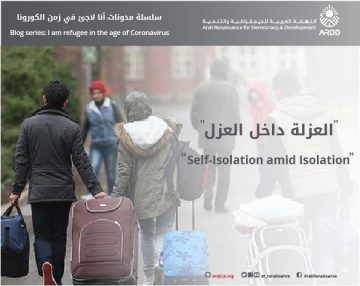
Ahmed Katlish Germany initiated calls for the population to voluntarily isolate themselves in the beginning of March 2020, in response to the spread of the new Coronavirus (COVID-19). Eventually, the disease accelerated, as did
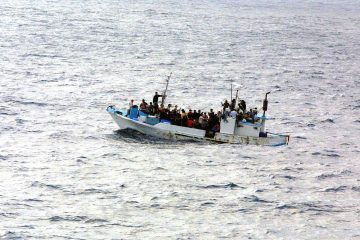
We, the undersigned, express our deep concern at the European Parliament vote against the resolution on 24 October 2019, which called on EU Member States to improve search and rescue operations in the Mediterranean.
The report is based on the outcomes of two surveys: the first one was conducted under “Support for Justice Sector Reform” funded by the EU, and included a non-national non-representative sample of (1700) Jordanians
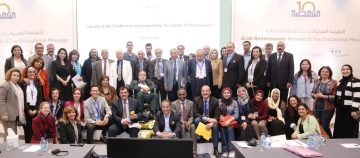
ARDD hosted a two-day conference on April 25-26th, 2018, to celebrate its 10-year anniversary. Over the past 10 years, ARDD has worked with determination to revive hope and mobilize society towards social, economic, and political justice.
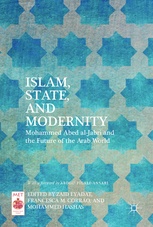
Arab Renaissance for Democracy and Development (ARDD) launches “Islam, the State and Modernity: Mohamed Abed Al-Jabri and the Future of the Arab World”, the book published by Palgrave Macmillan is written by ARDD’s chairman